Phone:
+86 18631189888

Email:
liyanhui@bestcastings.cn


In the world of manufacturing, precision and reliability are paramount. Brass machining parts manufacturers play a crucial role in delivering components that meet stringent specifications across diverse industries. This article explores the intricacies of brass machining, key considerations when selecting a manufacturer, the advantages of brass, and how Mingda Metals stands out as a trusted partner. Understanding these aspects is vital for businesses seeking high-quality, custom-machined brass parts.
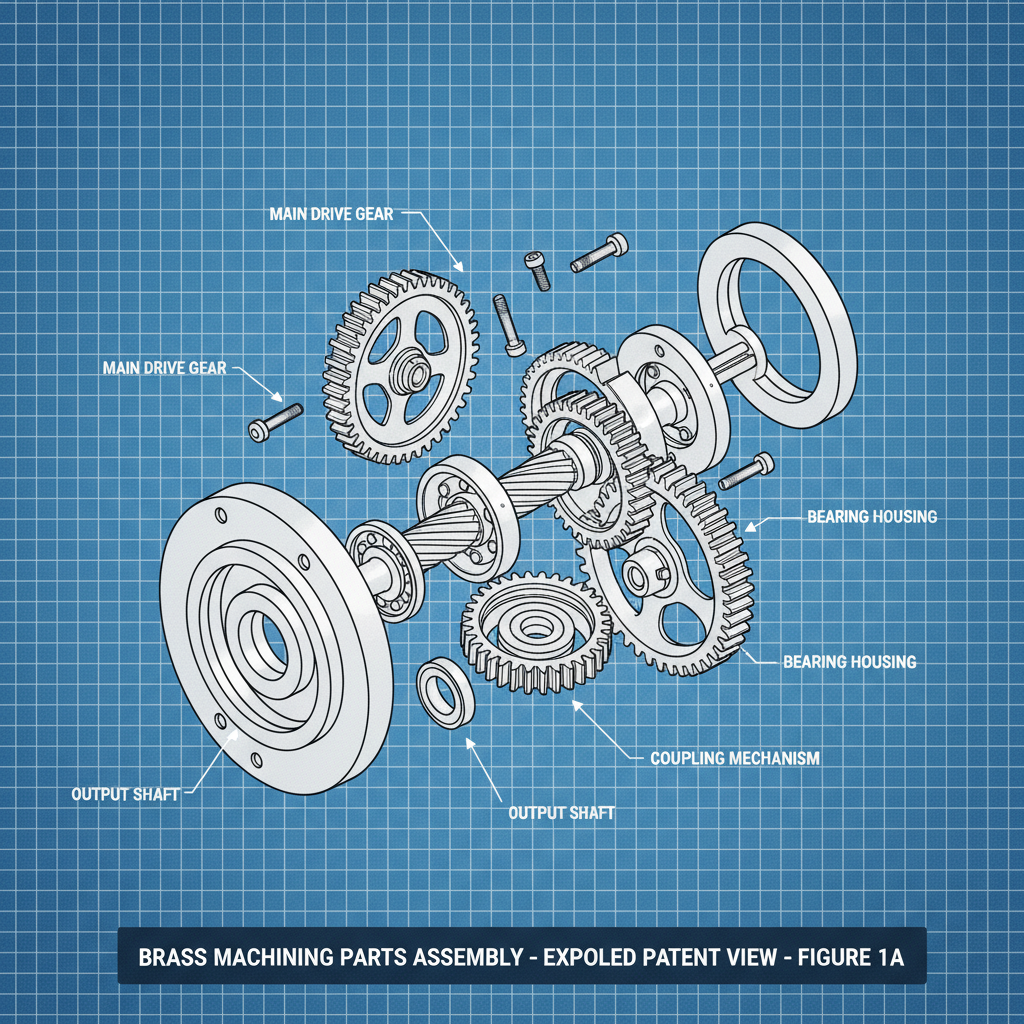
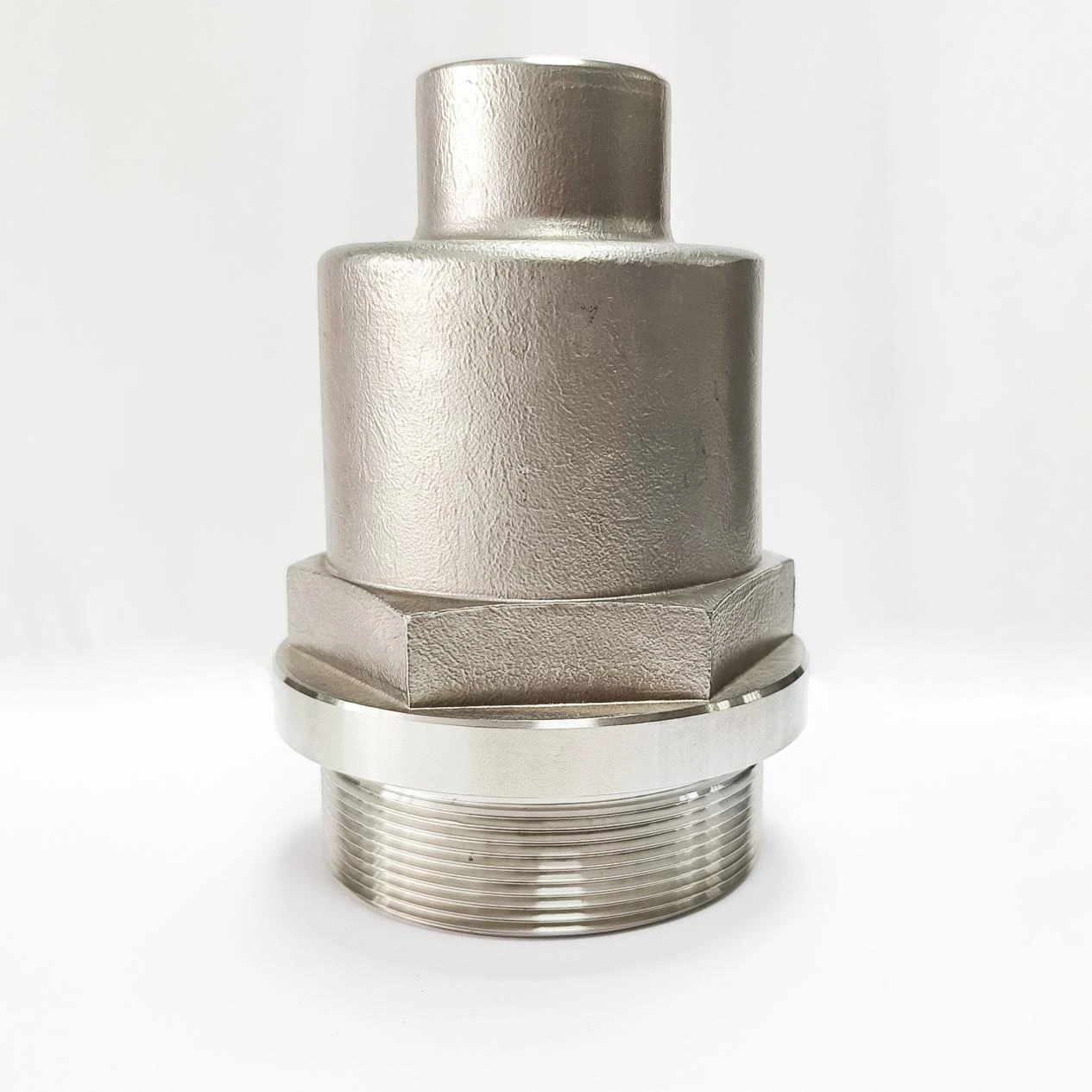
Brass machining is a subtractive manufacturing process where brass stock material is cut, drilled, milled, and turned to create precise parts. It’s favored for its ability to produce intricate designs with tight tolerances. The importance lies in the unique properties of brass – excellent machinability, corrosion resistance, and electrical conductivity – making it ideal for applications in electronics, plumbing, medical devices, and decorative hardware. A skilled brass machining parts manufacturer can consistently deliver components that meet even the most demanding requirements.
Key Advantages of Brass Machining: High precision, excellent surface finish, corrosion resistance, good electrical and thermal conductivity, relatively low cost.
Selecting the right manufacturer is critical. Consider these factors: Capacity and Capabilities – Does the manufacturer have the equipment and expertise to handle your project's complexity and volume? Material Expertise – Do they understand the nuances of different brass alloys (e.g., C36000, C26000)? Quality Control Processes – What measures are in place to ensure consistent quality and adherence to specifications? Turnaround Time – Can they meet your deadlines? Cost Competitiveness – Are their prices reasonable without compromising quality? Mingda Metals excels in all these areas.
Essential Manufacturer Attributes:
• Strong quality control systems
• Experienced machinists and engineers
• Competitive pricing
• On-time delivery
Not all brass is created equal. Different alloys offer varying properties. C36000 (Free-Cutting Brass): Excellent machinability, ideal for high-volume production. C26000 (Cartridge Brass): Good strength and ductility, often used for ammunition casings and springs. C46400 (Naval Brass): Superior corrosion resistance, suited for marine applications. A reputable brass machining parts manufacturer will guide you in selecting the optimal alloy for your specific application.
At Mingda Metals, we specialize in delivering high-precision brass machined parts tailored to your unique specifications. We leverage state-of-the-art CNC machining equipment, a team of highly skilled engineers, and rigorous quality control procedures to ensure exceptional results. From prototyping to full-scale production, we are committed to providing reliable, cost-effective solutions that exceed your expectations. We prioritize customer satisfaction and build long-term partnerships based on trust and performance.
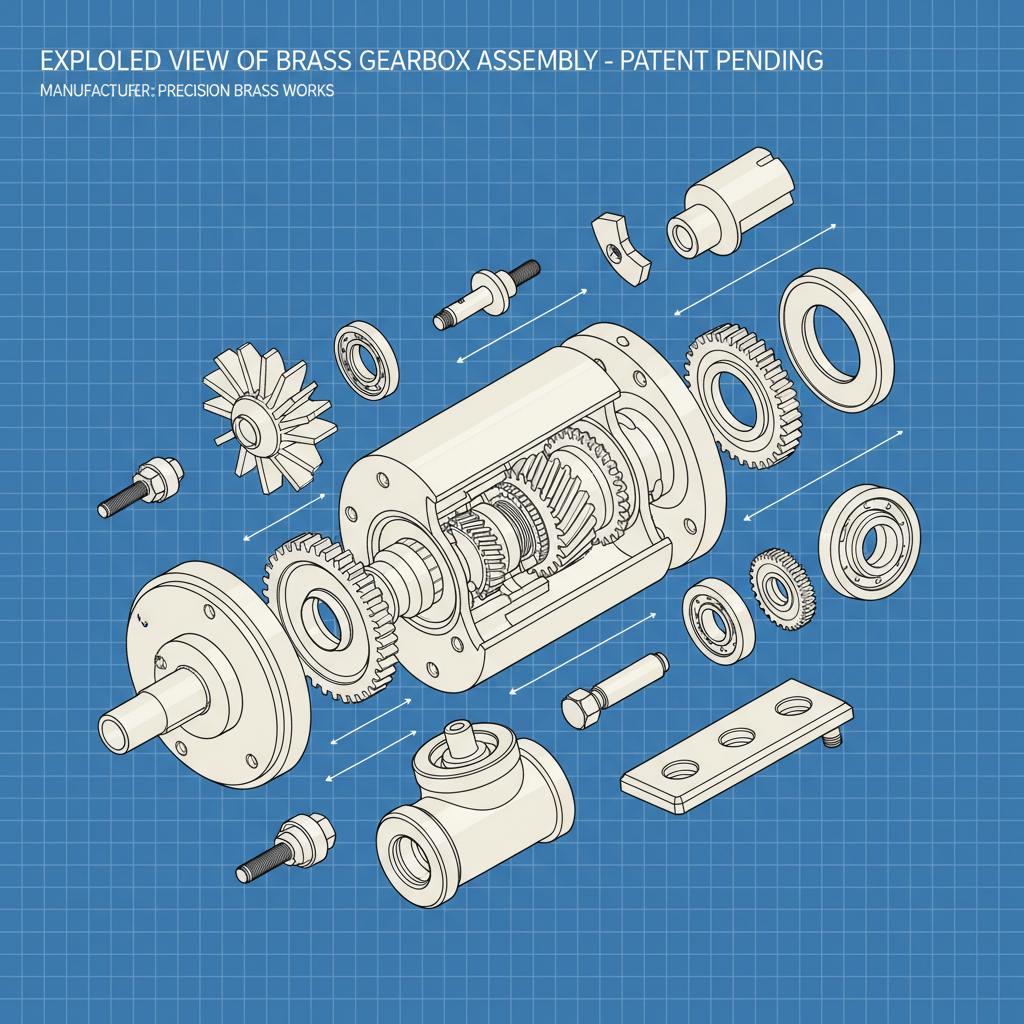
We offer a comprehensive suite of services, including: CNC Turning & Milling: Precision machining for complex geometries. Material Sourcing: Access to a wide range of brass alloys. Design Assistance: Expert guidance on optimizing designs for manufacturability. Finishing Services: Polishing, plating, and other finishing options. Quality Assurance: Strict adherence to ISO standards. Contact us today for a free quote and discover how we can help you achieve your manufacturing goals.
Choosing the right brass machining parts manufacturer is crucial for success. Mingda Metals offers the expertise, capabilities, and commitment to quality you need. We are dedicated to delivering precision-engineered components that meet your exact requirements, on time and within budget.
We accept a wide range of file formats including .STL, .STEP, .IGES, .DWG, and .DXF. For 2D drawings, .PDF and .JPG are also acceptable. We prefer 3D models when possible as they minimize ambiguity and facilitate a more accurate quote. Our engineering team can assist with file conversion if needed. We also appreciate any accompanying specifications, tolerances, and material requirements to ensure a comprehensive understanding of your project.
Lead times vary depending on the complexity of the part, the quantity required, and our current workload. Typically, prototyping can take 1-2 weeks, while production runs range from 3-8 weeks. We strive to provide accurate lead time estimates during the quoting process and will keep you informed of any changes. Expedited services are available for urgent projects.
Yes, we do! Our experienced engineering team can provide design assistance to optimize your parts for manufacturability, reduce costs, and improve performance. We can help with material selection, tolerance analysis, and design for assembly. We utilize CAD/CAM software to ensure precision and efficiency throughout the design process.
Quality is our top priority. We employ a rigorous quality control process throughout every stage of manufacturing. This includes material verification, first article inspection, in-process inspections, and final quality checks. We utilize precision measuring equipment, such as CMMs and calipers, to ensure adherence to tight tolerances. We are committed to delivering parts that meet or exceed your expectations.