Phone:
+86 18631189888

Email:
liyanhui@bestcastings.cn

Pipe forging might not be a phrase that rolls off the tongue at dinner parties, but in the vast realm of industrial manufacturing and infrastructure development, it's undeniably crucial. At its core, pipe forging is the process of shaping metal—usually steel—into durable pipes and fittings through intense compression and high heat, strengthening materials for the world's toughest applications. Why does it matter globally? Well, pipes are everywhere: transporting oil, gas, water, and chemicals across continents, supporting energy grids, urban water supplies, and even humanitarian efforts where robust infrastructure must rise quickly and reliably.
From energy pipelines in Canada to water distribution networks in Southeast Asia, pipe forging ensures the reliability and longevity of essential systems. Recognizing the benefits of advanced pipe forging methods means appreciating stronger materials, reduced failure rates, and improved safety on a planetary scale. So, let's unpack why this seemingly technical topic deserves a spot in the spotlight—and how it’s shaping modern industry and beyond.
pipe forgingToday, the world’s industrial gears grind faster than ever, with over 70% of global pipelines relying on forged components according to recent ISO reports. The World Bank estimates that global infrastructure investment will top $94 trillion by 2040, and a significant slice of that—particularly in energy and water sectors—depends heavily on high-quality pipe forging.
Yet, challenges remain. For instance, subpar pipeline components lead to costly leaks, environmental hazards, and delays. Supply chain disruptions during pandemic times showed how fragile even basic infrastructure could be without reliable forging networks. Developing countries often confront these hurdles more keenly, seeking affordable yet durable forging solutions to accelerate development projects safely and sustainably.
Simply put: pipe forging matters because it underpins essential services—energy, water, and industry—that fuel both economies and human well-being. With climate concerns rising, forged pipes also need to rise to the challenge of sustainability and resilience.
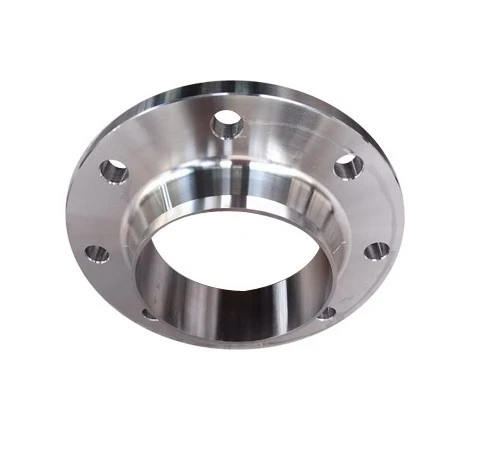
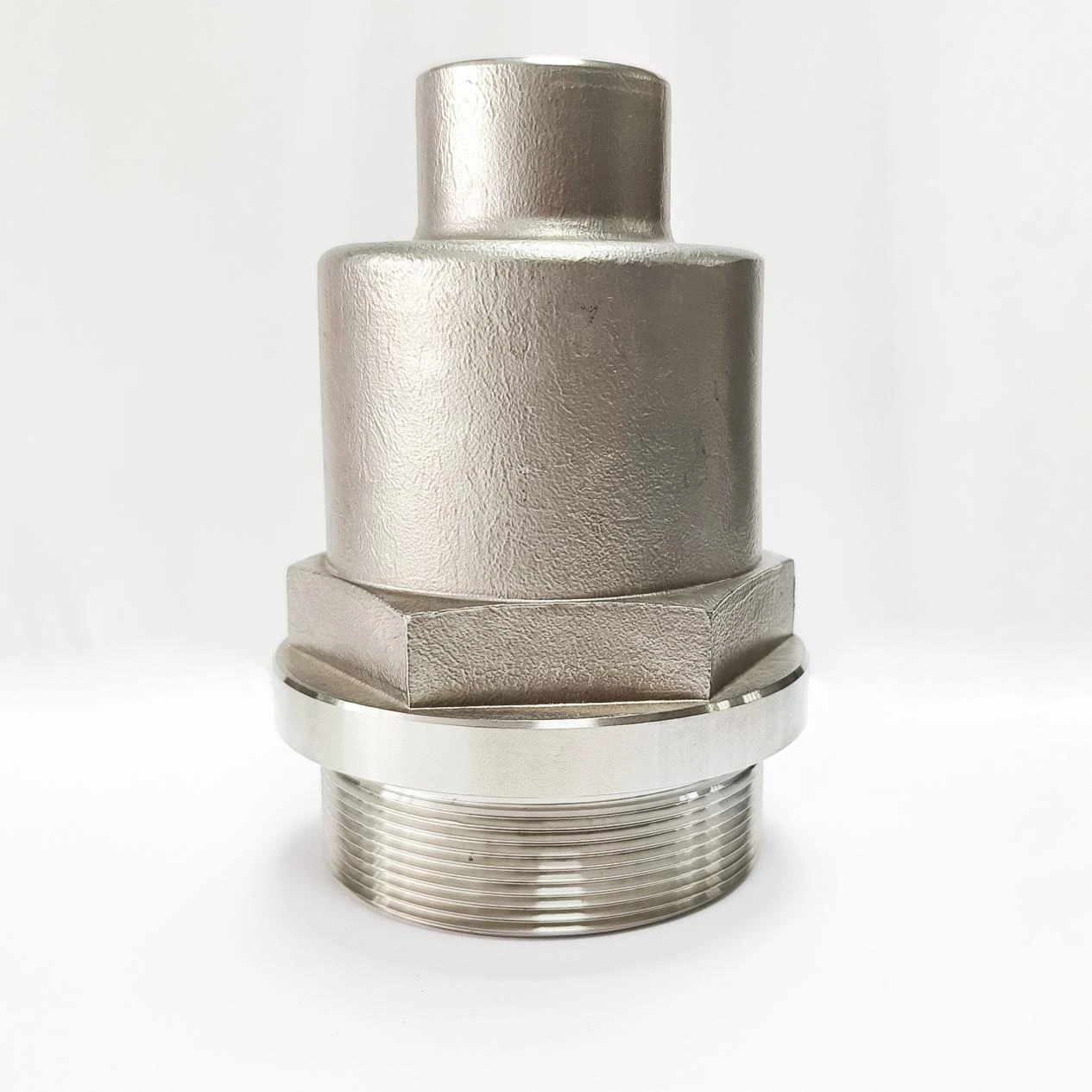
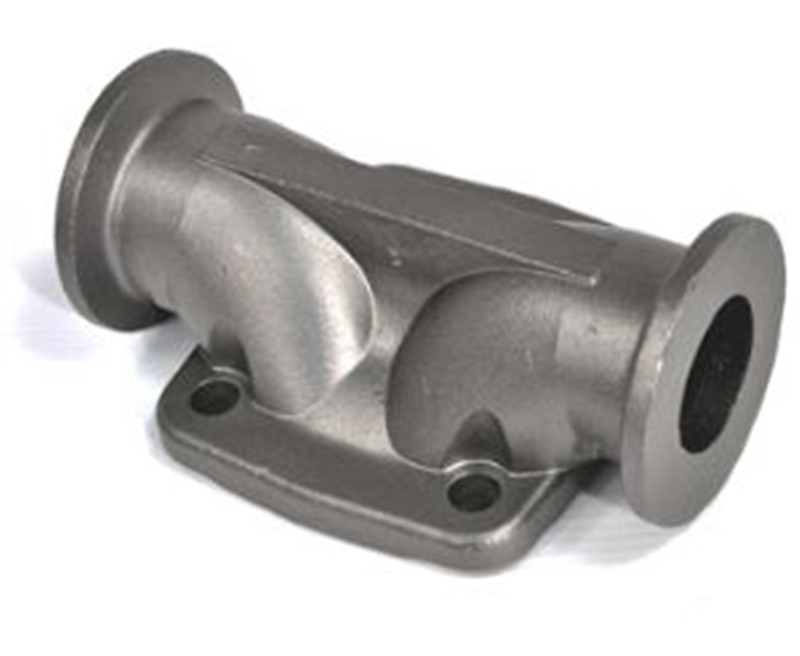
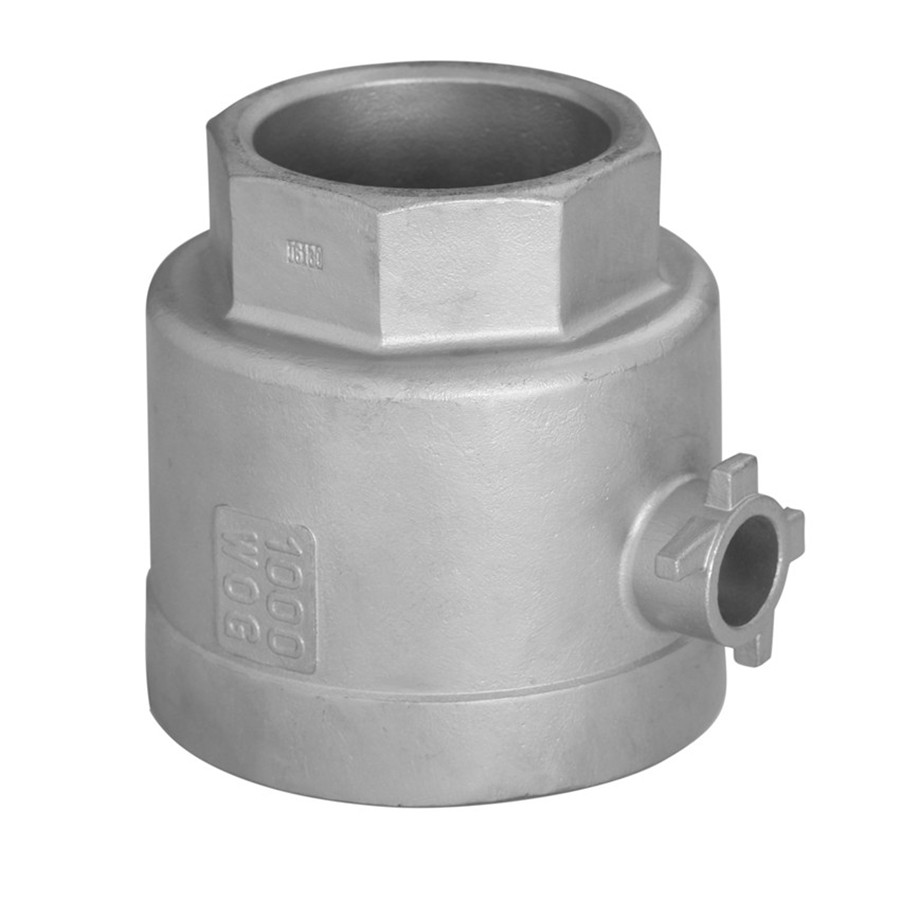
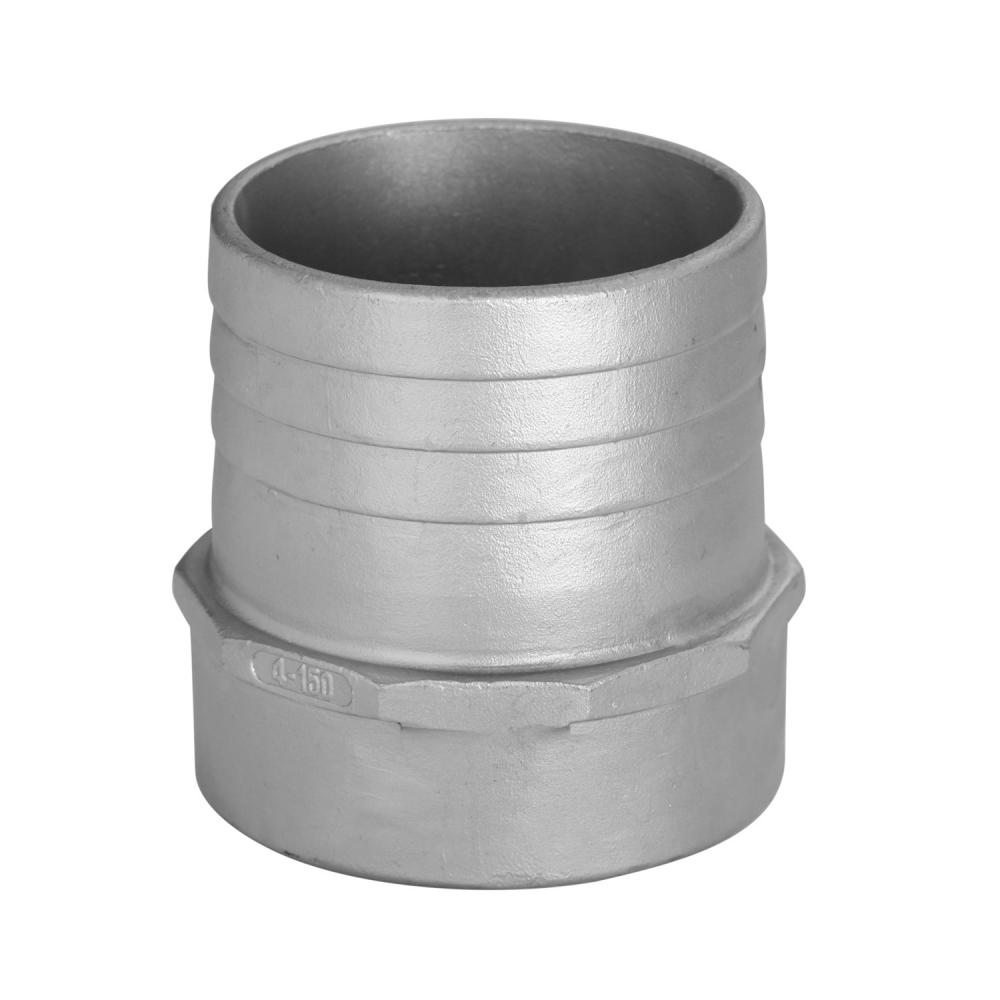
Put plainly, pipe forging is the manufacturing process where cylindrical metal blanks are heated and compressed to create pipes or tubular fittings. Unlike casting or welding, forging aligns the metal’s internal grain structure, enhancing strength and durability. This mechanical manipulation produces components that withstand higher pressures, resist corrosion better, and last longer in often hostile environments.
This process intersects critically with modern industry needs. For instance, in oil and gas extraction, pipelines encounter extreme temperature shifts and high-pressure fluid flow. Forged pipes resist cracks or deformation, safeguarding massive investments and environmental safety. On a humanitarian note, robust forged pipes enable quick-deploy water systems in disaster zones, where fragile plumbing might fail catastrophically.
Understanding pipe forging reveals why it is a preferred technique for creating reliable, high-performance pipes that serve industries and communities worldwide.
The choice of metal—commonly carbon steel, stainless steel, or alloy steel—directly shapes the pipe’s resilience. High-end forging often uses ASTM standard grades to meet strict tolerances, ensuring pipes work reliably for decades.
Precise heating is crucial—too hot, and the metal grain can grow excessively; too cold, and it becomes brittle. Furnace technology and tight temperature monitoring minimize defects and optimize grain flow for toughness.
From open-die forging for large-diameter pipes to seamless closed-die forging on automated presses, the method shapes pipe dimensions and tolerances. Modern CNC forging machines offer incredible precision reducing waste and rework.
Heat treatment—like quenching and tempering—refines the metal’s toughness and elasticity. Non-destructive testing methods, including ultrasonic or magnetic particle inspections, validate pipe integrity before shipment.
Though forging costs more upfront than extrusion or casting, the lifespan and reliability reduce failures and maintenance, often leading to lower total cost of ownership.
Whether it’s a small batch of specialized fittings or mass production of standard pipes, modern forging techniques adapt well, meeting diverse industrial needs with speed and accuracy.
Each stage—from metal choice to testing—matters immensely in delivering forged pipes fit for critical infrastructure.
Pipe forging’s fingerprints are everywhere:
Each application highlights how selecting the right forged pipe supports reliability, safety, and efficiency across environments.
| Grade | Material Type | Tensile Strength (MPa) | Yield Strength (MPa) | Temperature Range (°C) | Typical Use |
|---|---|---|---|---|---|
| ASTM A182 F22 | Alloy Steel | 415 - 620 | 275 - 450 | -29 to 565 | Power generation, oil & gas |
| ASTM A105 | Carbon Steel | 485 - 620 | 205 - 335 | -29 to 425 | General piping, flanges |
| A182 F304/L | Stainless Steel | 515 - 750 | 205 - 345 | -196 to 870 | Corrosive environments |
| Vendor | Specialties | Global Reach | Lead Time | Sustainability Initiatives |
|---|---|---|---|---|
| Mingda Metals | High-temp alloys, customized forgings | Asia, Europe, North America | 4-6 weeks | Recycling & waste reduction programs |
| Global Forge Inc. | Large-diameter pipe forging | Worldwide | 6-8 weeks | ISO 14001 certified |
| Steelyard Forgings | Seamless pipes, industrial fittings | Europe & Americas | 5 weeks | Partial renewable energy usage |
When you invest in forged pipes, you’re really buying peace of mind. For engineers, it means meeting safety regulations with materials that won’t crack under pressure. For operators, it reduces unexpected shutdowns, cutting costs and frustration. And for communities, these pipes mean safer drinking water, fewer leaks, and infrastructure that lasts decades.
There’s also a less tangible benefit — trust. Stakeholders trust forged pipes because they’ve been through rigorous testing; you feel it in how fewer failures translate to more lives protected and ecosystems preserved. The logic here is straightforward: upfront investment in forged quality pays dividends in reliability and sustainability.
The future is smart and green. Advances like additive manufacturing are starting to creep into forging, enabling complex shapes with less waste. Digital twins and AI-powered monitoring improve forging precision, detecting microscopic flaws earlier. Material science is evolving too, with lightweight, corrosion-resistant alloys helping pipelines survive more extreme conditions, including in green energy projects such as hydrogen transport.
Automation doesn’t just speed up production—it increases consistency while lowering human error, helping meet surging global infrastructure demands more sustainably. As the world fights climate change, forged pipes will be fundamental to ultra-clean energy networks.
Despite its many merits, pipe forging faces hurdles like high initial costs, energy consumption during heating, and the need for skilled operators. Some regions struggle with limited forging capacity or access to quality raw materials.
Solutions include adopting energy-efficient forging technologies, expanding training programs, and fostering international collaborations to develop supply chains. Companies focusing on sustainability also use scrap metal recycling and greener energy sources for their furnaces, which reduces environmental impact meaningfully.
Pipe forging is more than just a manufacturing choice; it’s a commitment to reliability, safety, and innovation. As industries worldwide push boundaries—from green energy to disaster relief—the value of forged pipes will only climb. For engineers and planners eyeing resilient infrastructure components, forged pipes stand as trusted allies.
Interested in high-quality pipe forging solutions? Visit our website: Mingda Metals to explore capabilities and connect with experts who know forged pipes inside out.
The strength of forged pipes empowers modern infrastructure to meet tomorrow’s demands with confidence and care.