Phone:
+86 18631189888

Email:
liyanhui@bestcastings.cn


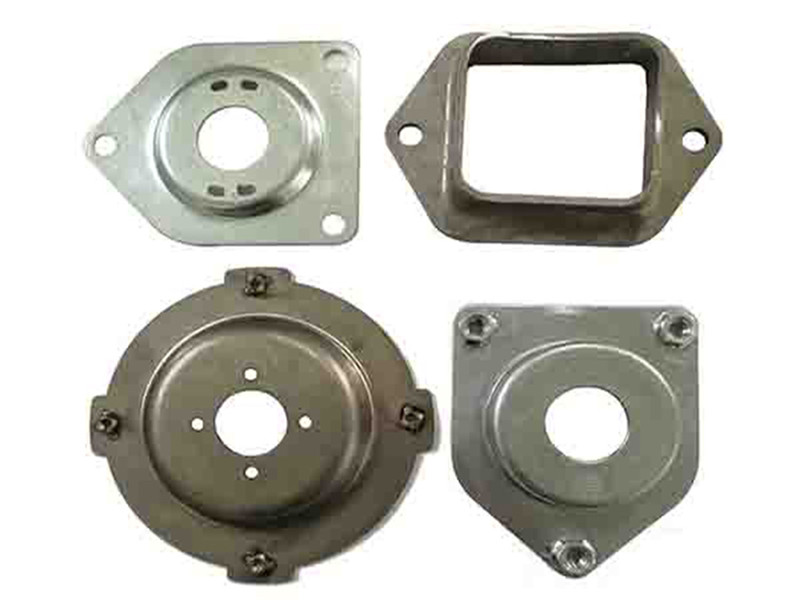
OEM/ODM customized metal stamped parts provide flexible manufacturing solutions for businesses that require metal components tailored to specific product designs, technical specifications, and application requirements. From industrial machinery and electrical equipment to automotive components and general mechanical assemblies, custom metal stamping supports the production of components with consistent shapes, functional features, and repeatable dimensions.
For international buyers, selecting the right OEM or ODM partner is an important step in developing reliable products and maintaining efficient supply chains. Material selection, tooling design, manufacturing processes, quality requirements, and delivery arrangements all influence the success of a customized metal stamping project.
Hebei Mingda International Trading Company specializes in castings, forgings, and machinery parts. Through close business relationships with manufacturers in major cities across China, the company offers flexibility in coordinating different metal component requirements. This business approach supports customers looking for customized industrial components and sourcing solutions suited to their project needs.

OEM/ODM customized metal stamped parts are metal components produced according to customer requirements through original equipment manufacturing (OEM) or original design manufacturing (ODM) arrangements.
Metal stamping is a manufacturing process that uses specialized dies and stamping equipment to cut or form sheet metal into specific shapes. Depending on the product design, operations may include blanking, punching, bending, embossing, and deep drawing.
OEM projects generally involve manufacturing parts according to the customer's drawings, specifications, or approved designs. The customer typically defines the product requirements, while the supplier coordinates production according to the agreed technical documents.
ODM projects may involve a broader development process in which the supplier contributes to product design, engineering suggestions, or design adaptation. The exact responsibilities depend on the cooperation agreement and the technical capabilities available for the project.
Both approaches can support customized metal components. The most suitable option depends on the customer's design readiness, engineering resources, expected order volume, and desired level of supplier involvement.
Understanding the differences between OEM and ODM manufacturing helps buyers choose a cooperation model that matches their project requirements.
OEM manufacturing is suitable for buyers who already have established product designs and technical specifications. The supplier manufactures the stamped components according to the agreed drawings, material requirements, tolerances, and finishing instructions.
This approach is particularly useful for equipment manufacturers and industrial businesses that maintain their own engineering teams and product designs.
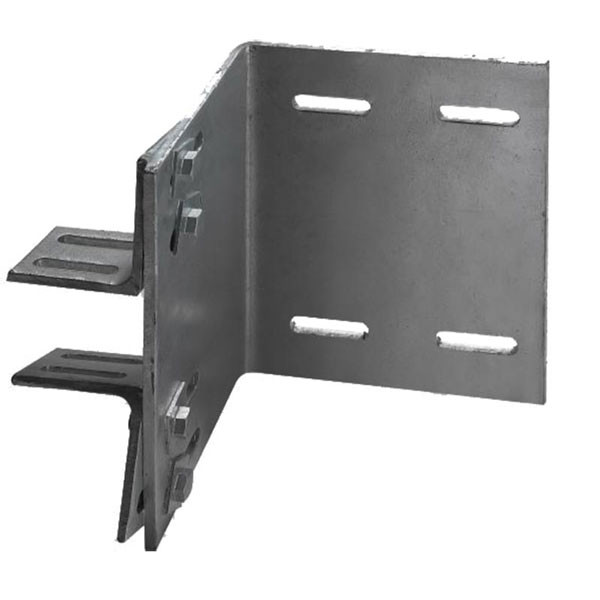
Typical OEM requirements include custom brackets, mounting plates, metal clips, support components, equipment covers, and other stamped parts designed to fit existing assemblies.
ODM cooperation may be suitable for customers who have a product concept or functional requirement but need assistance developing the design into a manufacturable component.
Depending on the agreement, the development process may include reviewing product dimensions, evaluating material options, suggesting structural adjustments, and assessing manufacturing feasibility.
For example, a customer may need a custom metal mounting component but have not finalized its dimensions or forming structure. Early design discussions can help identify practical manufacturing options before tooling development begins.
OEM is generally appropriate when drawings and specifications are already established. ODM may be more suitable when design development or technical adaptation is part of the project.
Before starting production, both parties should clarify design ownership, tooling ownership, confidentiality, approval procedures, production responsibilities, and acceptance criteria. These details help establish clear expectations and support long-term cooperation.
Material selection influences component strength, formability, corrosion resistance, surface appearance, and manufacturing cost. The appropriate choice depends on the part's intended function and operating environment.
Stainless steel is commonly used for components requiring corrosion resistance and durability. Applications may include mounting hardware, equipment brackets, protective covers, clips, and specialized mechanical components.
Different grades offer different performance characteristics. Buyers should consider the required corrosion resistance, forming behavior, mechanical properties, and finishing requirements before confirming the material.
Carbon steel is a practical option for many general industrial applications. It is used for support plates, structural brackets, reinforcement components, and other stamped metal parts.
Depending on the operating environment, carbon steel components may require painting, plating, or other protective surface treatments to reduce corrosion.
Aluminum is often selected when lightweight construction is important. It can be used for equipment housings, mounting components, panels, and other applications where weight reduction is beneficial.
The specific alloy and temper should be evaluated according to the required strength, forming characteristics, and final application.
Copper and selected copper alloys may be appropriate for electrical connectors and components requiring electrical conductivity. Other metals may be considered for specialized applications with particular mechanical or environmental requirements.
When requesting a quotation, buyers should provide the preferred material grade and thickness whenever possible. If the material has not been finalized, sharing the intended application and performance requirements can help guide the initial evaluation.
Different stamping processes can be combined to achieve the geometry and functionality required by a custom component.
Blanking and punching: These operations cut metal sheets or strips into specific profiles or create holes and openings. They are widely used for mounting plates, washers, brackets, and connection components.
Bending and forming: Bending changes the angle of a metal sheet to create L-shaped brackets, channels, supports, and other structural features. Appropriate bend radii and material properties are important for reducing the risk of cracking or deformation.
Deep drawing: This process transforms flat metal blanks into hollow or cup-shaped components. It may be suitable for selected housings, covers, containers, and other formed products.
Progressive die stamping: Multiple operations are performed at different stations as metal strip moves through a progressive die. This approach can support efficient, repeatable production when the part design and order volume justify the tooling investment.
The best manufacturing process depends on the component's geometry, material thickness, dimensional requirements, production quantity, and budget. Reviewing these factors before production helps align tooling and manufacturing decisions with the project objectives.
A successful customized stamping project begins with clear technical communication and practical design planning.
First, define the component's function and assembly requirements. The supplier needs to understand how the part connects to other components, what loads it must withstand, and which dimensions are critical to performance.
Second, confirm material specifications and thickness. These factors influence forming force, achievable shapes, bend radii, and the risk of material cracking or deformation.
Third, establish realistic dimensional tolerances. Applying unnecessarily tight tolerances to every dimension can increase manufacturing complexity and cost. Identifying critical dimensions helps focus inspection efforts on the features that matter most.
Fourth, consider surface finishing and edge quality. Depending on the application, stamped parts may require deburring, polishing, plating, painting, or protective coatings. These requirements should be included in the initial specification because finishing operations may affect dimensions and production lead times.
Finally, evaluate the expected order quantity. Prototype development, small-batch production, and large-volume manufacturing may require different tooling arrangements. Forecasting future demand helps buyers and suppliers evaluate the overall cost of tooling and production.
Quality control is essential for ensuring that OEM/ODM customized metal stamped parts meet the agreed specifications and function correctly within their intended assemblies.
A clear quality plan should identify the required material grade, component dimensions, tolerances, surface condition, and inspection procedures before production begins.
Incoming material checks can help confirm that the metal matches the specified requirements. During production, dimensional inspections may focus on hole positions, bend angles, component profiles, thickness, and other critical features.
Visual inspection can help identify surface scratches, burrs, deformation, and other visible defects. Depending on the application, additional dimensional testing or material verification may be required.
For parts with special functional or regulatory requirements, buyers should specify the necessary testing and documentation in advance. The availability of certifications and inspection reports should be confirmed directly with the supplier.
Sample approval can also be useful for customized projects. Reviewing an initial sample before mass production allows the customer to evaluate fit, dimensions, appearance, and other agreed characteristics.
For repeat orders, approved drawings and consistent acceptance criteria help maintain production continuity and reduce the risk of specification changes.
Customized metal stamping components are used across a wide range of industries.
Industrial machinery and equipment: Brackets, mounting plates, support structures, equipment covers, and fastening components can be designed for specific machine configurations.
Electrical and electronic equipment: Stamped components may be used in enclosures, connectors, mounting systems, and selected conductive applications, depending on material properties and electrical requirements.
Automotive and transportation: Clips, brackets, retaining components, and other formed metal parts can support mechanical assemblies and equipment systems when they meet the applicable specifications.
Construction and hardware: Customized metal plates, connectors, and support components can be manufactured for construction-related equipment and hardware assemblies.
General engineering: Specialized spacers, clips, holders, and structural components can be developed according to project drawings and functional requirements.
Each application has different requirements for strength, durability, corrosion resistance, and dimensional accuracy. Providing accurate technical information helps ensure that the selected materials and manufacturing methods suit the intended use.
Hebei Mingda International Trading Company specializes in castings, forgings, and machinery parts. The company maintains close business relationships with manufacturers in major cities across China, providing flexibility when coordinating different metal component requirements.
For international customers, this business network can support discussions about customized industrial parts and manufacturing arrangements based on specific project needs.
When evaluating an OEM/ODM metal stamping project, customers can provide product drawings, material specifications, required quantities, finishing details, and delivery expectations. This information helps clarify the scope of the request and supports communication about suitable production options.
Beyond individual components, businesses may also need to coordinate multiple types of metal parts for machinery and equipment projects. A supplier familiar with castings, forgings, and machinery components can discuss these related sourcing requirements within the broader project context.
Clear specifications, realistic production schedules, and agreed quality criteria remain essential to successful cooperation. Each project's manufacturing capabilities, inspection arrangements, and delivery commitments should be confirmed according to its actual requirements.
Finding a suitable supplier for OEM/ODM customized metal stamped parts can help industrial buyers manage component development and sourcing more effectively. From design evaluation and material selection to tooling, production, inspection, and delivery, each stage should align with the agreed specifications.
To support an accurate project evaluation, prepare the following information when requesting a quotation:
Product drawings, CAD files, or 3D models
Material grade and thickness
Required dimensions and dimensional tolerances
Surface treatment and finishing requirements
Prototype needs and estimated order quantities
Expected annual demand, if available
Intended application and operating environment
Packaging requirements and target delivery schedule
If the design is still under development, provide the available drawings or product concept along with the intended function and performance requirements.
Hebei Mingda International Trading Company welcomes inquiries related to castings, forgings, and machinery parts. Contact the company to discuss your OEM/ODM customized metal stamped parts requirements and explore suitable sourcing solutions for your industrial applications.