Phone:
+86 18631189888

Email:
liyanhui@bestcastings.cn


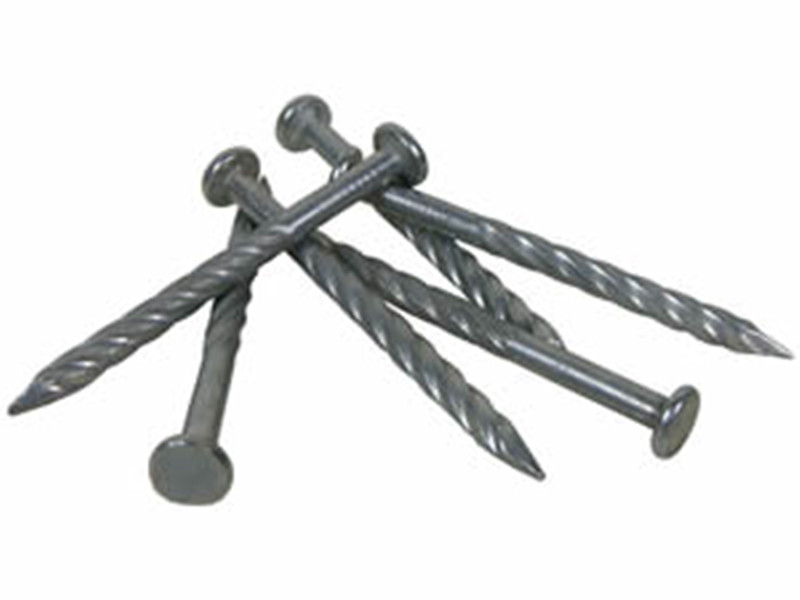
Low Carbon Polished Common Wire Nails for Wood are widely used in woodworking, furniture manufacturing, construction, and various building projects. Manufactured from low-carbon steel wire, these nails feature a smooth polished surface, a flat head, and a pointed tip, providing convenient installation and reliable fastening performance for different wooden materials.
Compared with some specialized fasteners, common wire nails offer a practical and economical solution for everyday wood fastening applications. Their versatile structure and availability in different sizes make them suitable for furniture assembly, wooden frames, packaging, pallets, and general construction work.
Hebei Mingda International Trading Company is a trading company specializing in castings, forgings, and machinery parts. Through close business relationships with manufacturers in major cities across China, we have the flexibility to coordinate various metal products according to customers' requirements. We focus on product quality, manufacturing coordination, and delivery schedules, providing flexible sourcing solutions for international buyers seeking dependable metal fasteners and industrial components.

Low Carbon Polished Common Wire Nails are designed to provide dependable fastening for different wooden structures. Their simple construction, practical material properties, and smooth surface make them a popular choice for woodworking and general construction applications.
Low Carbon Steel Material
Low-carbon steel is commonly used in wire nail manufacturing because it offers a suitable balance of strength, ductility, and workability. Its material properties allow the wire to undergo drawing, cutting, heading, and pointing processes during production.
Compared with harder steel materials, low-carbon steel is generally easier to process and form. This helps manufacturers produce common wire nails in different diameters and lengths while maintaining consistent manufacturing characteristics.
The appropriate wire grade should be selected according to the required nail dimensions, mechanical properties, and intended applications.
Polished Surface Finish
The polished surface gives common wire nails a clean and smooth appearance. It also helps reduce surface irregularities that may interfere with handling and installation.
Compared with coated nails, polished common wire nails generally have no additional protective coating. Therefore, they are more suitable for ordinary indoor woodworking and general fastening applications where enhanced corrosion protection is not a primary requirement.
For environments with high humidity or outdoor exposure, galvanized or other corrosion-resistant nail options may be more appropriate.
Practical Structural Design
Common wire nails usually feature three basic structural elements:
The combination of these structural features makes common wire nails suitable for a wide range of general fastening tasks.
Wide Range of Applications
Low Carbon Polished Common Wire Nails are used across different woodworking and construction sectors.
Their versatile design and economical material characteristics make them a practical fastening choice for manufacturers, wholesalers, and construction suppliers.
The manufacturing quality of common wire nails depends on raw material selection, wire processing, dimensional control, and surface finishing. A well-organized production process helps ensure that finished nails meet customer specifications and maintain consistency across different production batches.
Wire Drawing and Material Preparation
The manufacturing process generally begins with low-carbon steel wire rod. The raw material is processed through wire drawing equipment to achieve the required wire diameter.
During this stage, the steel wire is gradually reduced in diameter through drawing dies. Proper wire preparation is important because the diameter and surface condition of the wire directly influence the dimensions and appearance of the finished nails.
Before production, material specifications should be confirmed according to the required product grade and application.
Nail Heading and Pointing
After wire drawing, the wire is fed into a nail-making machine, where it is cut into individual lengths and formed into nails.
The main manufacturing operations include:
The accuracy of these operations influences nail length, head shape, shank consistency, and overall product quality.
Polishing and Surface Finishing
Polishing is an important step for low-carbon polished common wire nails. It helps remove surface residues and improve the overall appearance of the finished products.
Depending on the manufacturing arrangement, mechanical polishing or other suitable finishing methods may be used.
The finished nails should have a relatively smooth surface, consistent head formation, and clean pointed ends. Proper finishing also helps improve product presentation for wholesale distribution and industrial purchasing.
Customized Sizes and Specifications
Different woodworking applications require different nail dimensions. Therefore, customers should consider several important specifications when selecting common wire nails:
Standard sizes can meet many general woodworking needs, while customized dimensions may be required for specialized furniture production or specific construction applications.
Flexible Manufacturing Resource Coordination
Hebei Mingda International Trading Company has established extensive business relationships with manufacturers in major cities across China. This enables us to coordinate different production resources according to customer requirements.
Customers can provide product drawings, samples, technical specifications, or purchasing lists. Based on these details, suitable manufacturing arrangements can be discussed to match the required dimensions, materials, finishing methods, and order quantities.
In addition to wire nails, our business covers castings, forgings, and machinery parts. This broad product sourcing experience allows us to support customers with different metal product procurement needs through flexible manufacturing cooperation.
For common wire nails, consistent quality is important because these small components are used in large quantities across furniture manufacturing, construction, and packaging industries. Proper inspection and reliable supply coordination help buyers maintain production efficiency and purchasing stability.
Raw Material Quality Inspection
Low-carbon steel wire is the foundation of common wire nail manufacturing. The material should meet the agreed specifications for chemical composition, wire diameter, and mechanical properties.
Checking raw material quality helps reduce manufacturing variations and supports consistent nail performance. Material selection should also consider the intended application and the processing requirements of the nail-making equipment.
Dimensional Accuracy and Structural Inspection
Dimensional consistency is essential for ensuring that nails are suitable for their intended applications.
Important inspection points include:
These inspection procedures help identify manufacturing problems and maintain consistency between production batches.
Polishing Quality and Product Appearance
Since polished common wire nails are generally supplied without an additional corrosion-resistant coating, surface quality is particularly important.
The finished products should have a relatively smooth and clean appearance. Visible rust, excessive surface residues, irregular head formation, and significant deformation should be checked according to the agreed acceptance criteria.
For customers who require improved corrosion resistance, alternative galvanized common wire nails can also be considered based on the application environment.
Packaging and Transportation
Proper packaging helps protect wire nails during storage, handling, and transportation. Common packaging methods may include bulk cartons, small boxes, bags, or other customer-specified packaging solutions.
Packaging specifications can be adjusted according to the purchasing quantity, distribution requirements, and destination market. Clear product identification and suitable outer packaging also help simplify warehouse management and inventory handling.
Reliable Supply Through Manufacturer Cooperation
Stable product supply and timely delivery are important for international wholesalers, hardware distributors, furniture manufacturers, and construction material suppliers.
Hebei Mingda International Trading Company maintains close business relationships with manufacturers in major cities across China. Our extensive manufacturing connections provide flexibility when coordinating different metal products and responding to customer requirements.
We understand that different customers may have different expectations regarding product specifications, quality standards, order quantities, and delivery schedules. Through communication with suitable manufacturing partners, we aim to provide practical sourcing arrangements that meet these requirements.
Your Reliable Partner for Common Wire Nail Sourcing
Hebei Mingda International Trading Company specializes in castings, forgings, and machinery parts. With extensive business relationships across China's manufacturing industry, we are flexible in coordinating various metal products according to international customers' requirements.
Whether you are sourcing Low Carbon Polished Common Wire Nails for Wood for wholesale distribution, furniture production, or construction projects, we are ready to discuss your purchasing specifications and explore suitable manufacturing solutions.
Contact Hebei Mingda International Trading Company today with your required nail sizes, material specifications, packaging preferences, and order quantities. We look forward to supporting your business with flexible sourcing, quality-focused cooperation, and reliable delivery coordination.