In the complex world of fluid dynamics and industrial piping, the check valve body serves as the critical structural foundation that ensures one-way flow and prevents catastrophic backflow. Whether in high-pressure oil pipelines or delicate chemical processing units, the integrity of the valve body determines the overall reliability of the system, making its material composition and precision engineering a primary concern for engineers globally.
Understanding the nuances of a high-quality check valve body is not merely about selecting a piece of metal; it is about mitigating risks and optimizing operational efficiency. From reducing cavitation to resisting corrosive agents, the right body design prevents equipment damage and ensures the safety of personnel working around pressurized systems.
Across various sectors—ranging from water treatment to aerospace—the demand for durable and precision-machined valve housings continues to grow. By focusing on E-E-A-T (Experience, Expertise, Authoritativeness, and Trustworthiness) in manufacturing, companies can provide solutions that not only meet ISO standards but also push the boundaries of industrial longevity and environmental sustainability.
Global Industry Context of Check Valve Body
The global market for the check valve body is inextricably linked to the expansion of urban infrastructure and the intensification of energy exploration. As nations invest in smarter water grids and more efficient petrochemical plants, the need for components that can withstand extreme pressures and temperature fluctuations has surged. According to industrial standards aligned with ISO and ASME, the failure of a single valve housing can lead to significant downtime and environmental hazards.
Currently, the industry faces the challenge of balancing cost-efficiency with the rigorous demands of "zero-leakage" policies. In regions like Southeast Asia and the Middle East, rapid industrialization has highlighted the gap between low-cost mass-produced housings and high-precision engineered bodies, leading to a shift toward premium materials like stainless steel and specialized alloys to ensure long-term structural integrity.
Technical Definition and Industrial Meaning
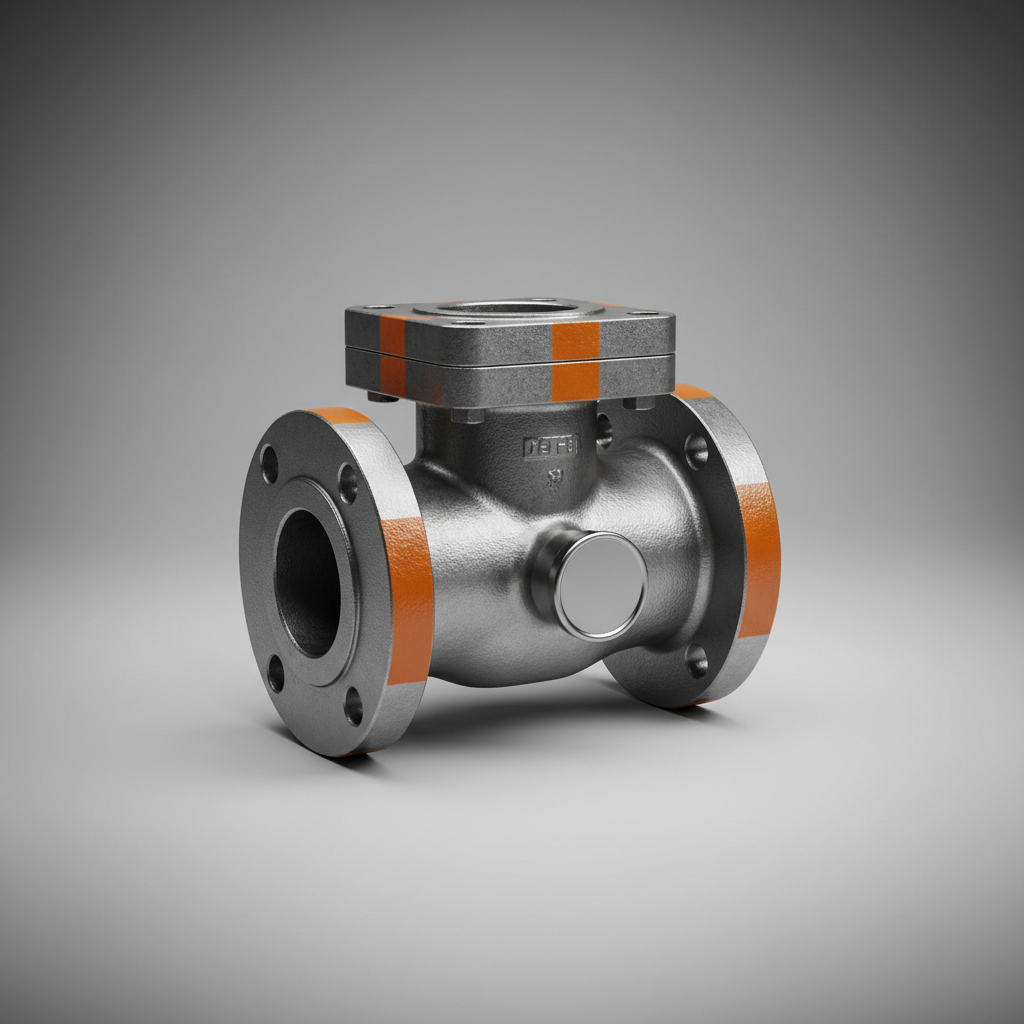
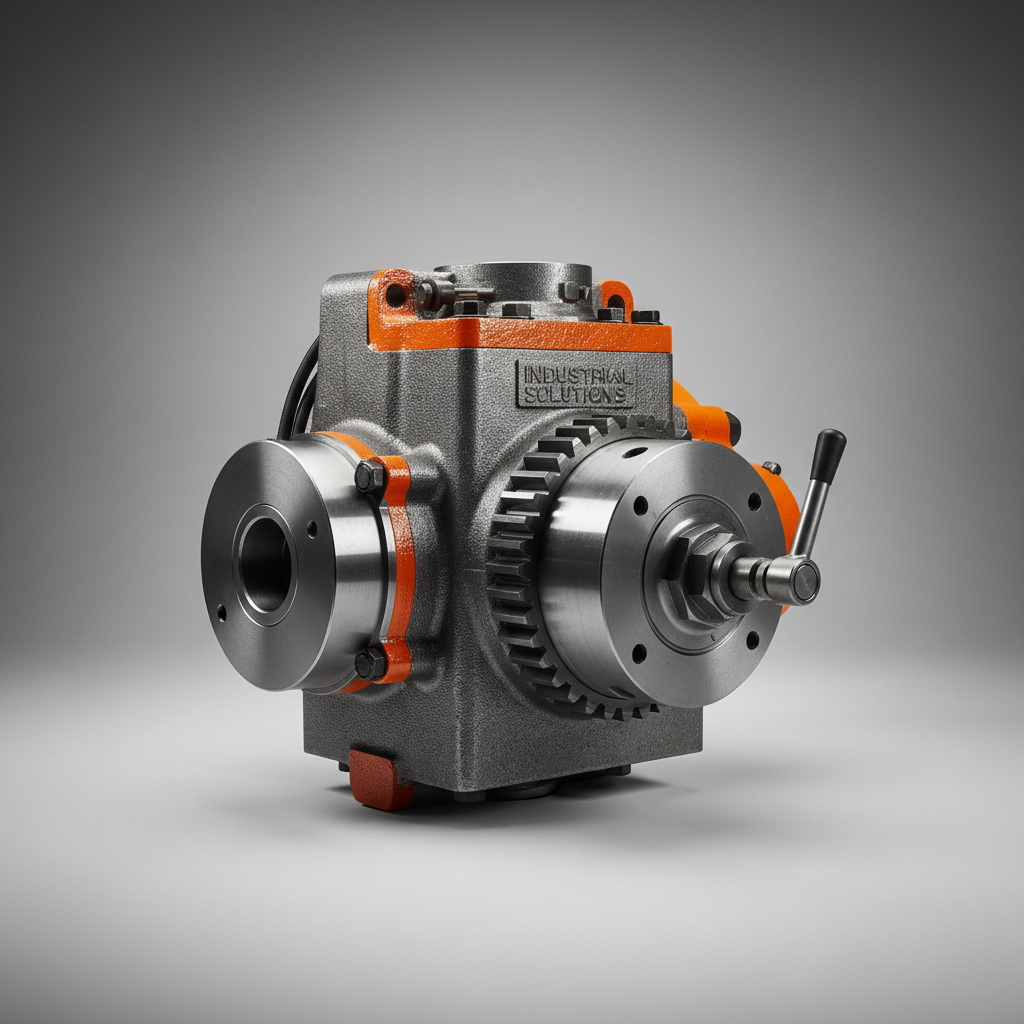
At its most fundamental level, a check valve body is the outer pressure-containing shell that houses the internal mechanism (such as a disc, ball, or piston) of a non-return valve. Its primary function is to provide a secure, leak-proof environment that allows fluid to flow in one direction while providing the mechanical strength necessary to block reverse flow.
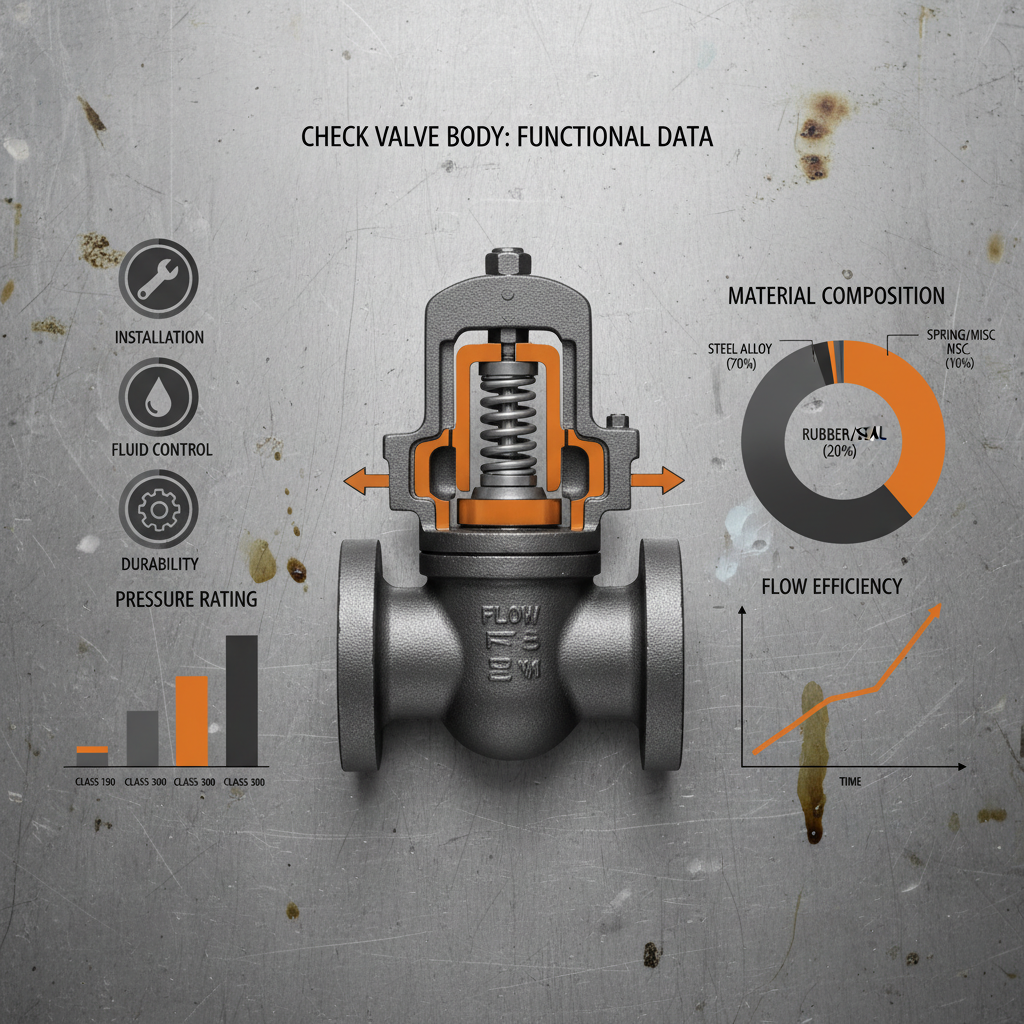
Beyond the basic definition, this component represents the "armor" of the fluid system. In modern industry, the body is not just a container but a precision-engineered piece of hardware that must account for flow coefficients (Cv), wall thickness for pressure ratings, and surface finishes that minimize turbulence and erosion.
From a humanitarian and safety perspective, the reliability of these bodies is paramount in critical applications. For instance, in municipal water systems, a failed valve body could lead to contamination of potable water sources, making the quality of the casting and machining a matter of public health and safety.
Key Engineering Factors for Durability
Material selection is the first pillar of a resilient check valve body. Depending on the medium being transported—be it corrosive acids, saltwater, or high-temperature steam—manufacturers choose between carbon steel, stainless steel, bronze, or ductile iron. Each material offers a different balance of tensile strength and corrosion resistance.
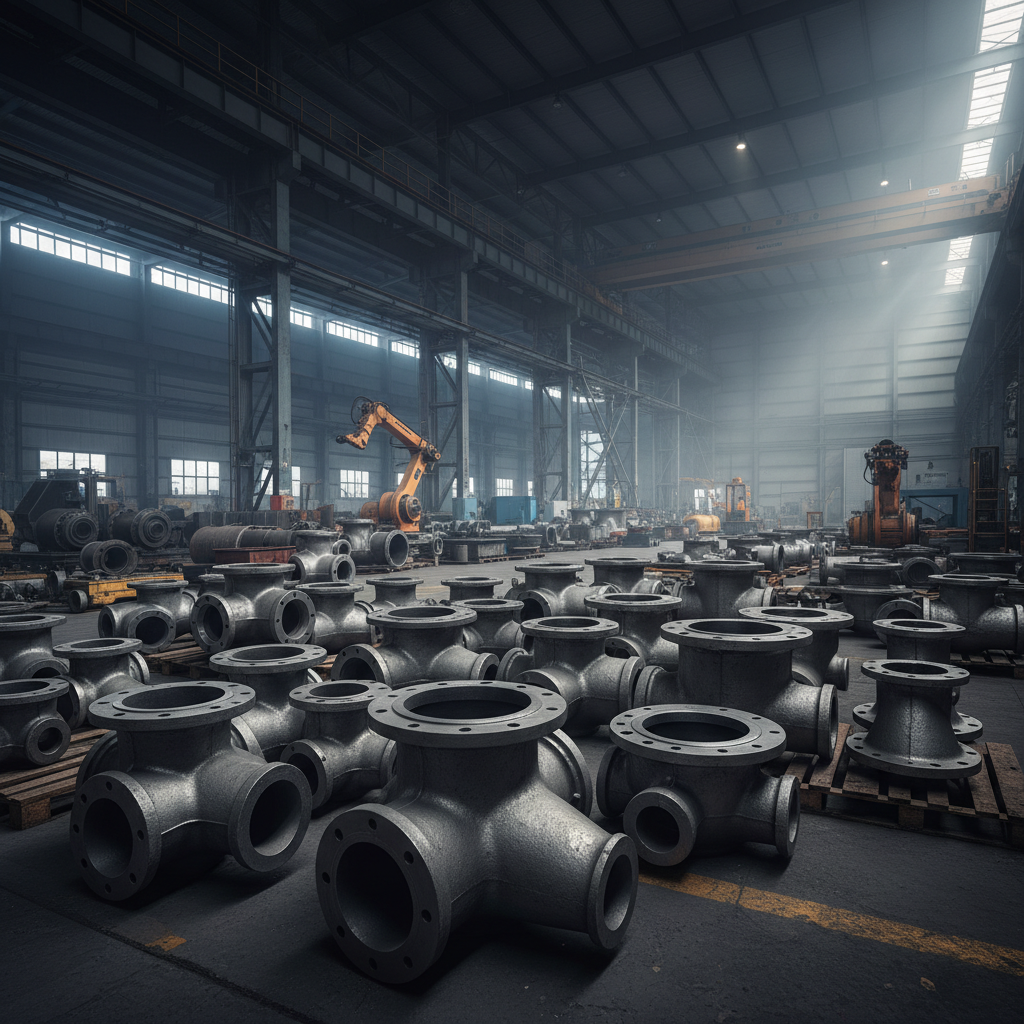
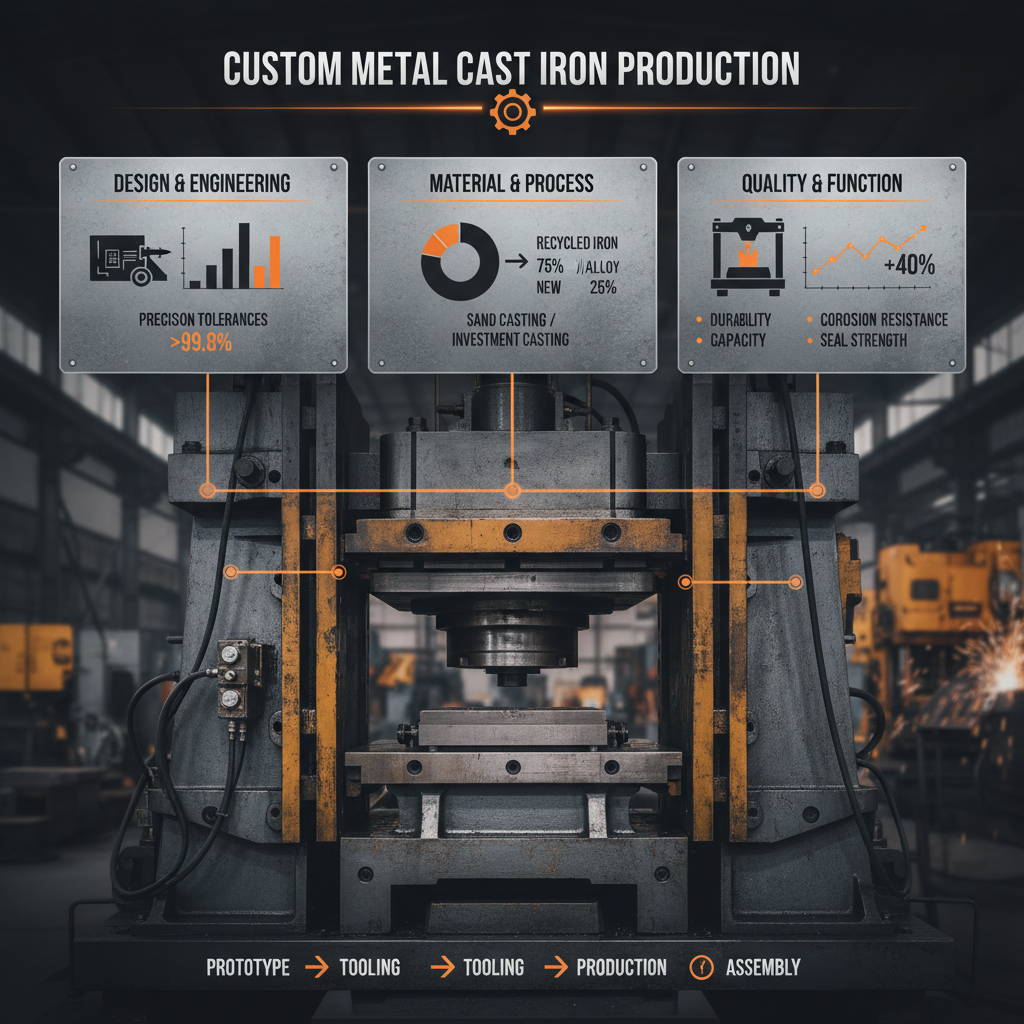
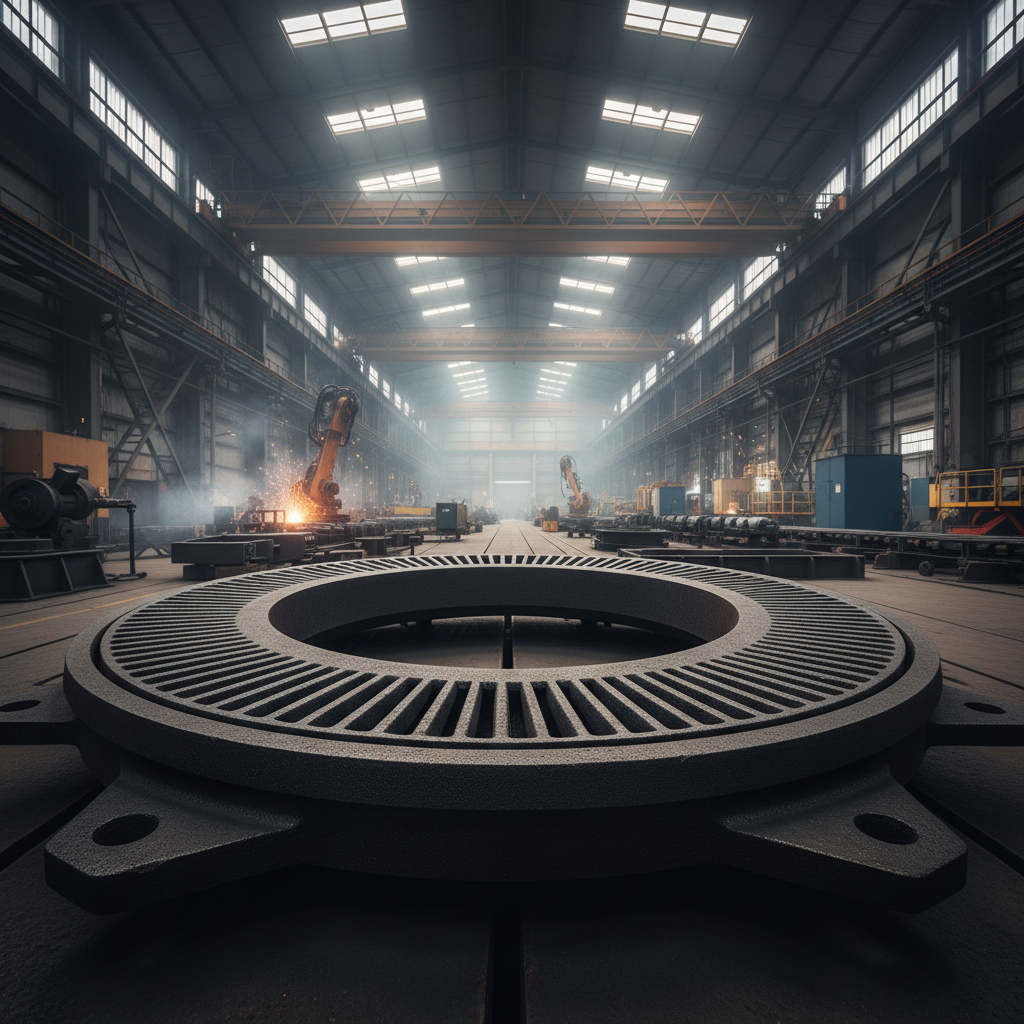
Precision machining and casting quality are equally critical. A check valve body must be free of internal voids, blowholes, or inclusions that could act as stress concentrators. Advanced techniques like CNC milling and precision grinding ensure that the seating area is perfectly concentric, which is essential for achieving a bubble-tight seal.
Finally, the design must account for scalability and pressure ratings. Whether it is a small-bore valve for instrumentation or a large-diameter body for main water lines, the wall thickness must be mathematically optimized to prevent deformation under peak pressure loads, ensuring the valve remains operational for decades without fatigue.
Global Applications and Use Cases
The versatility of the check valve body allows it to be deployed across a staggering array of environments. In the oil and gas sector, specifically in offshore drilling rigs in the North Sea or the Gulf of Mexico, these bodies are forged from high-grade alloys to withstand the crushing pressures of the deep ocean and the corrosive nature of saltwater.
In more localized contexts, such as post-disaster relief operations where temporary water infrastructure is deployed, lightweight yet durable aluminium or composite valve bodies are used to ensure rapid installation and reliable one-way flow for clean water distribution in remote industrial zones.
Performance Metrics for Different Check Valve Body Materials
Long-Term Value and Reliability Advantages
Investing in a high-grade check valve body yields tangible economic benefits through the reduction of Total Cost of Ownership (TCO). While a premium forged body may have a higher upfront cost than a sand-cast alternative, the extension of the service life from 5 years to 20 years drastically reduces maintenance costs and eliminates the risk of expensive emergency shutdowns.
Beyond the logic of cost, there is a profound emotional value associated with reliability: peace of mind. For plant managers and safety officers, knowing that the valve body is engineered to exceed the maximum possible system pressure provides a sense of security and trust, ensuring that innovation in flow control does not come at the expense of human safety.
Future Trends in Valve Manufacturing
The future of the check valve body is being reshaped by the advent of Additive Manufacturing (3D Printing). This allows for the creation of complex internal geometries that optimize flow and reduce turbulence—designs that were previously impossible to achieve through traditional casting or machining.
Digital transformation is also integrating "Smart Bodies" into the pipeline. By embedding sensors directly into the walls of the valve body, operators can monitor wall thickness and erosion in real-time, shifting from a schedule-based maintenance model to a predictive one, thereby preventing failures before they occur.
Furthermore, the shift toward green energy, such as hydrogen transport, is driving the development of new alloys for valve bodies. Hydrogen embrittlement is a significant challenge, and the next generation of housings will focus on specialized coatings and molecularly dense structures to ensure safe transport of clean energy.
Overcoming Challenges in Body Casting
One of the most persistent challenges in producing a check valve body is the occurrence of porosity during the casting process. Air bubbles trapped in the molten metal can create weak points that lead to sudden ruptures under pressure. To solve this, industry leaders are adopting vacuum casting and precision investment casting to ensure a denser, more homogenous metal structure.
Another limitation is the trade-off between weight and strength. In aerospace and automotive applications, a heavy steel body is impractical. The solution lies in the use of high-strength aluminium alloys and precision machining, which maintains the pressure-bearing capacity while significantly reducing the overall mass of the assembly.
Lastly, surface degradation due to cavitation remains a hurdle. By implementing advanced surface hardening treatments such as plasma nitriding or Tungsten Carbide coatings on the interior of the valve body, manufacturers can significantly extend the lifespan of the component even in the most aggressive flow conditions.
Comparative Analysis of Check Valve Body Manufacturing Processes
| Manufacturing Method |
Structural Density |
Production Cost |
Precision Level |
| Sand Casting |
Moderate |
Low |
Low |
| Investment Casting |
High |
Medium |
High |
| Forging |
Very High |
High |
Medium |
| CNC Machining |
Maximum |
Very High |
Maximum |
| Die Casting |
Moderate |
Low-Medium |
High |
| 3D Metal Printing |
High |
Very High |
Very High |
FAQS
The choice depends on the fluid medium and operating environment. For highly corrosive chemicals, stainless steel (316L) or exotic alloys are recommended. For general water applications, ductile iron or bronze is cost-effective. High-pressure oil and gas usually require forged carbon steel to ensure structural integrity and prevent rupture.
A cast body is created by pouring molten metal into a mold, which is more economical for complex shapes but can have internal porosity. A forged body is shaped through mechanical pressure, resulting in a denser grain structure and significantly higher strength and fatigue resistance, making it ideal for high-pressure critical applications.
Signs of cavitation usually include a characteristic "gravel-like" noise during operation and pitting or "honeycombing" on the internal surfaces of the body, particularly near the seat. This is caused by the rapid collapse of vapor bubbles, which can eventually eat through the metal if not addressed with harder materials.
Yes, absolutely. A rough internal surface increases turbulence and friction loss, which can lower the overall flow efficiency (Cv value). Precision honing and polishing of the interior of the check valve body minimize these losses and reduce the likelihood of debris accumulation and localized corrosion.
Look for compliance with international standards such as ISO 9001 for quality management, ASME B16.34 for pressure ratings, and API (American Petroleum Institute) standards for oil and gas applications. Material certifications (Mill Test Reports) are also crucial to verify the chemical composition of the metal.
Minor surface wear can often be repaired through precision grinding and re-facing of the seating area. However, if the body has structural cracks, severe pitting, or wall-thinning due to corrosion, it is generally safer to replace the entire body to avoid the risk of catastrophic failure under pressure.
Conclusion
In summary, the check valve body is far more than a simple metal housing; it is a critical safety component that demands a synergy of material science, precision engineering, and rigorous quality control. From the selection of high-grade alloys to the implementation of advanced casting techniques, every detail contributes to the longevity and reliability of industrial fluid systems worldwide.
As we move toward a future defined by green energy and digital monitoring, the evolution of valve body manufacturing will continue to prioritize sustainability and intelligence. For companies looking to optimize their infrastructure, investing in precision-engineered valve components is the most effective way to ensure operational safety, reduce downtime, and achieve long-term economic efficiency. Visit our website: www.mingdametals.com