Phone:
+86 18631189888

Email:
liyanhui@bestcastings.cn

Forging parts are essential components in many industrial machines and heavy-duty equipment because the forging process can produce strong, durable metal components capable of handling demanding mechanical loads. From construction machinery and mining equipment to oil and gas systems, railway applications, and power generation equipment, manufacturers rely on forged components where strength, fatigue resistance, and dimensional reliability are important. For buyers, selecting suitable forging parts requires more than choosing the right material; production method, component design, application conditions, machining requirements, and supplier capabilities all need to be considered. Professional suppliers can also provide OEM steel forging parts and custom steel forging solutions for applications requiring specific dimensions, mechanical properties, or performance requirements.

Construction equipment operates under continuous mechanical stress, impact, vibration, and variable loads. Components used in excavators, loaders, cranes, bulldozers, and other heavy machinery therefore require reliable mechanical performance. Properly manufactured forging parts can provide the strength and toughness needed for these demanding operating conditions.
Forged steel components are commonly considered for structural and mechanical applications where resistance to repeated loading is important. Depending on the equipment design, forging parts may include shafts, pins, gears, connecting components, brackets, hubs, and other load-bearing parts.
The ability to manufacture components according to specific engineering drawings is particularly valuable for heavy machinery manufacturers. With custom steel forging, manufacturers can develop components around the exact dimensions and mechanical requirements of a machine rather than relying only on standardized parts. This flexibility can support both new equipment development and replacement-part production.
For equipment manufacturers operating their own brands, OEM steel forging parts can also be produced according to supplied drawings, specifications, material requirements, and quality standards.
Mining machinery operates in some of the most demanding industrial environments. Excavation, crushing, conveying, drilling, and material handling equipment can experience high impact forces, abrasive materials, vibration, and continuous operating cycles.
In these conditions, forging parts can be used for components where structural strength and resistance to mechanical stress are important. Heavy-duty shafts, pins, couplings, hubs, and other mechanical components may require forged steel construction to support reliable equipment operation.
Mining equipment manufacturers may also require large and complex components that cannot be effectively addressed with standard catalog products. This creates demand for custom steel forging based on engineering drawings and application requirements.
For large mining machines, choosing an experienced heavy steel forgings manufacturer is especially important because production may involve large material volumes, specialized forging equipment, heat treatment, machining, and strict dimensional inspection. A capable manufacturer can coordinate these processes to produce components suitable for demanding heavy-equipment applications.
The oil and gas industry requires components that can perform reliably under pressure, temperature variations, mechanical loads, and potentially corrosive operating conditions. Equipment used for drilling, extraction, transportation, processing, and storage therefore places strict requirements on component quality.
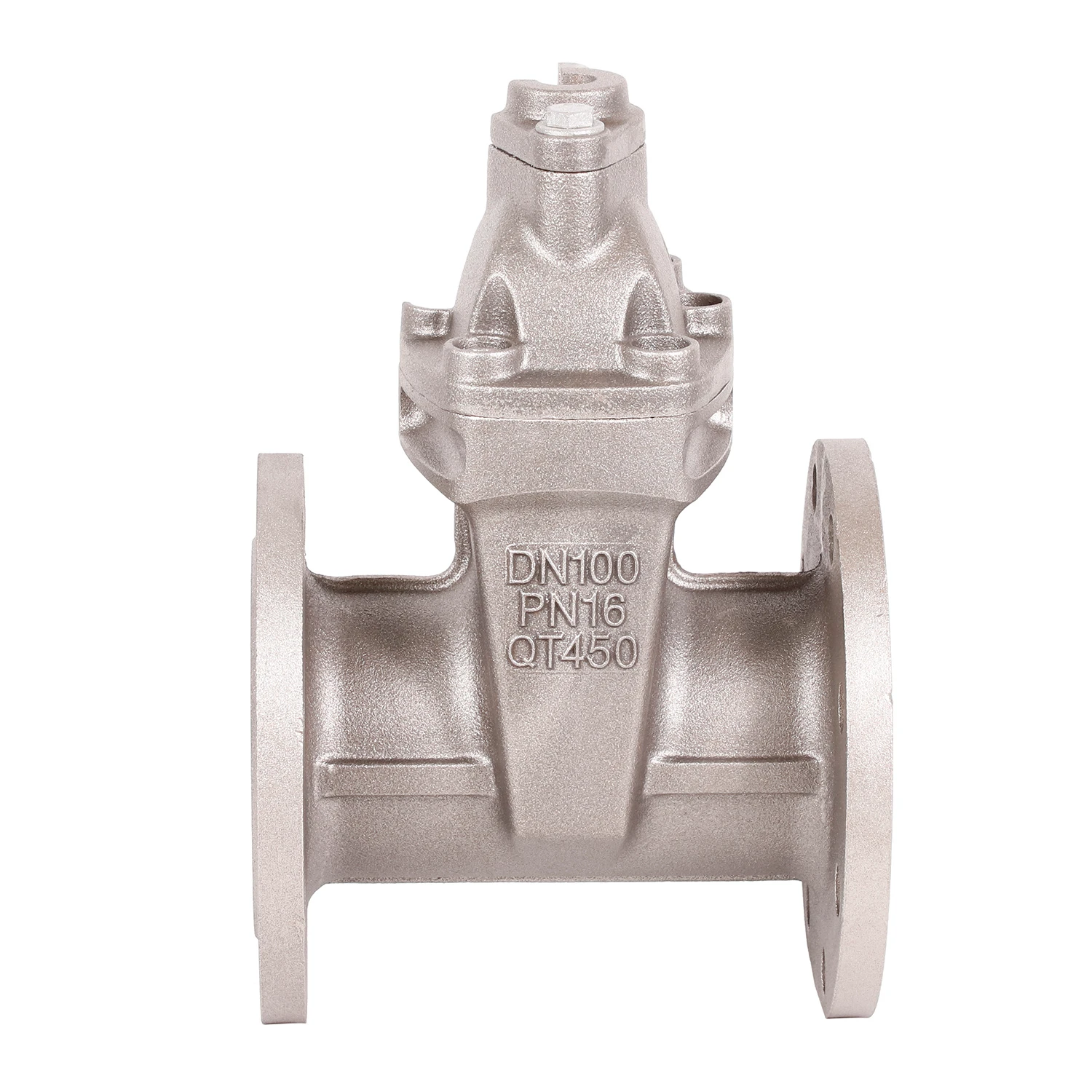
Certain forging parts are used in valves, pumps, pressure-related equipment, transmission systems, and other industrial machinery. Forged steel can provide the mechanical properties required for components subjected to high loads and repeated operating cycles.
Material selection is particularly important in this sector. Depending on the application, buyers may specify carbon steel, alloy steel, stainless steel, or other specialized materials. A professional supplier should be able to match the forging process and material grade with the customer's technical requirements.
For OEM equipment manufacturers, OEM steel forging parts can be manufactured according to proprietary drawings and specifications. For replacement components or specialized equipment, custom steel forging provides greater flexibility in dimensions, machining allowances, heat treatment, and finishing requirements.
Railway equipment requires components that can withstand repeated loading, vibration, impact, and long operating cycles. The reliability of individual components is therefore closely connected to the overall performance and safety of railway systems.
Selected forging parts can be incorporated into railway vehicles, mechanical systems, couplings, braking systems, and other transportation equipment. Forging provides an effective manufacturing route for components that require a combination of strength and durability.
Transportation manufacturers often have strict requirements regarding material certificates, dimensional tolerances, mechanical properties, and inspection procedures. Working with a supplier capable of supporting these requirements can simplify procurement and quality management.
When standard components do not meet a particular railway design, custom steel forging can provide a solution based on the customer's drawings. This is particularly useful when producing replacement parts for older equipment or developing components for specialized transportation systems.
Power generation equipment operates continuously and often involves rotating components, high mechanical loads, vibration, and elevated operating temperatures. Components used in turbines, generators, pumps, gear systems, and other equipment must therefore maintain reliable performance throughout long service periods.
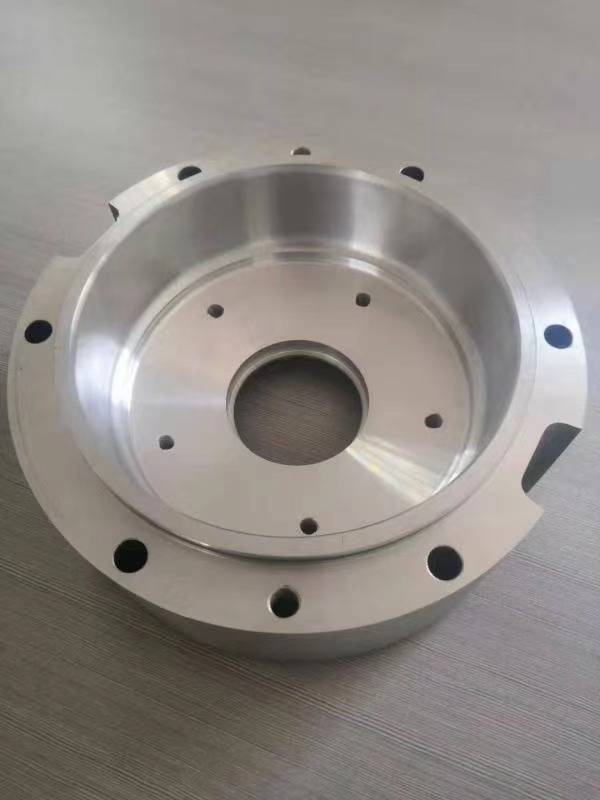
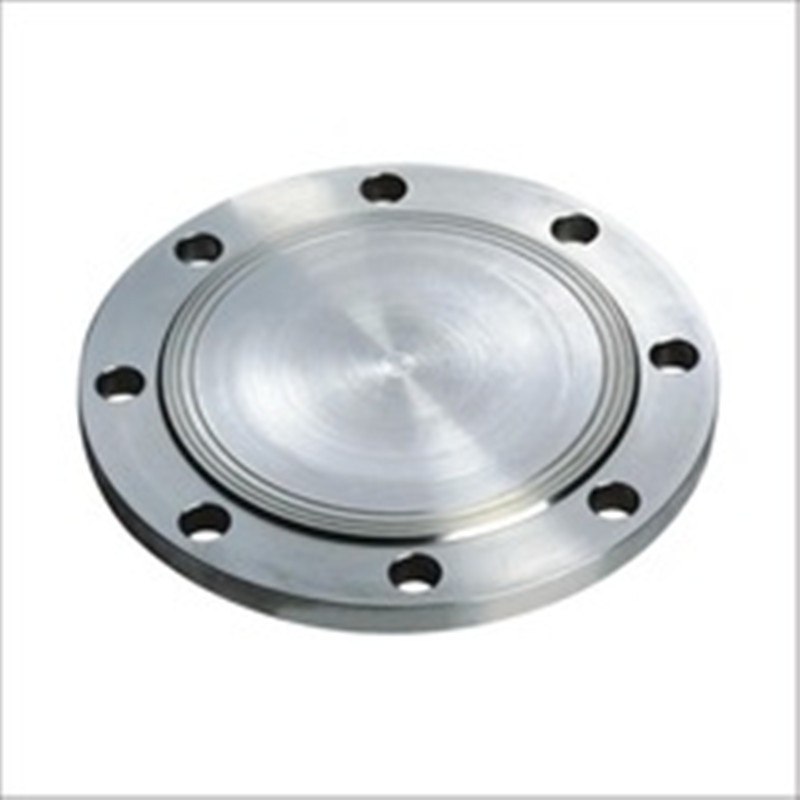
The production of forging parts allows manufacturers to create components with mechanical properties suited to these demanding conditions. Shafts, rings, hubs, flanges, and other forged components can be produced in different steel grades according to the requirements of the final application.
For large-scale power generation equipment, component dimensions can be substantial. Buyers may therefore need to work with a heavy steel forgings manufacturer capable of handling large workpieces and maintaining production consistency.
A supplier's capabilities in forging, heat treatment, machining, and inspection are all important when sourcing large industrial components. These capabilities help ensure that finished forging parts meet the required specifications before delivery to the equipment manufacturer or end user.
The performance of forging parts depends on both the selected material and the manufacturing process. Different industrial applications require different combinations of strength, toughness, hardness, wear resistance, corrosion resistance, and machinability.
Steel forging may involve processes such as open-die forging, closed-die forging, or other suitable production methods. The appropriate process depends on component geometry, dimensions, production volume, material, and performance requirements.
After forging, components may undergo heat treatment to achieve the required mechanical properties. Additional machining can then bring the component to the specified dimensions and tolerances.
For buyers ordering custom steel forging, providing complete technical drawings and specifications can help the manufacturer determine the appropriate production route. Information such as material grade, dimensions, tolerances, heat treatment requirements, surface treatment, testing standards, and annual or batch quantities can all influence the manufacturing solution.
Industrial equipment manufacturers often require components designed specifically for their machinery. In these cases, OEM steel forging parts provide a practical sourcing solution because the components can be produced according to the original equipment manufacturer's drawings and technical requirements.
OEM production can cover different component sizes and geometries depending on available manufacturing equipment. Suppliers may also provide secondary machining, heat treatment, surface finishing, inspection, and assembly services when required.
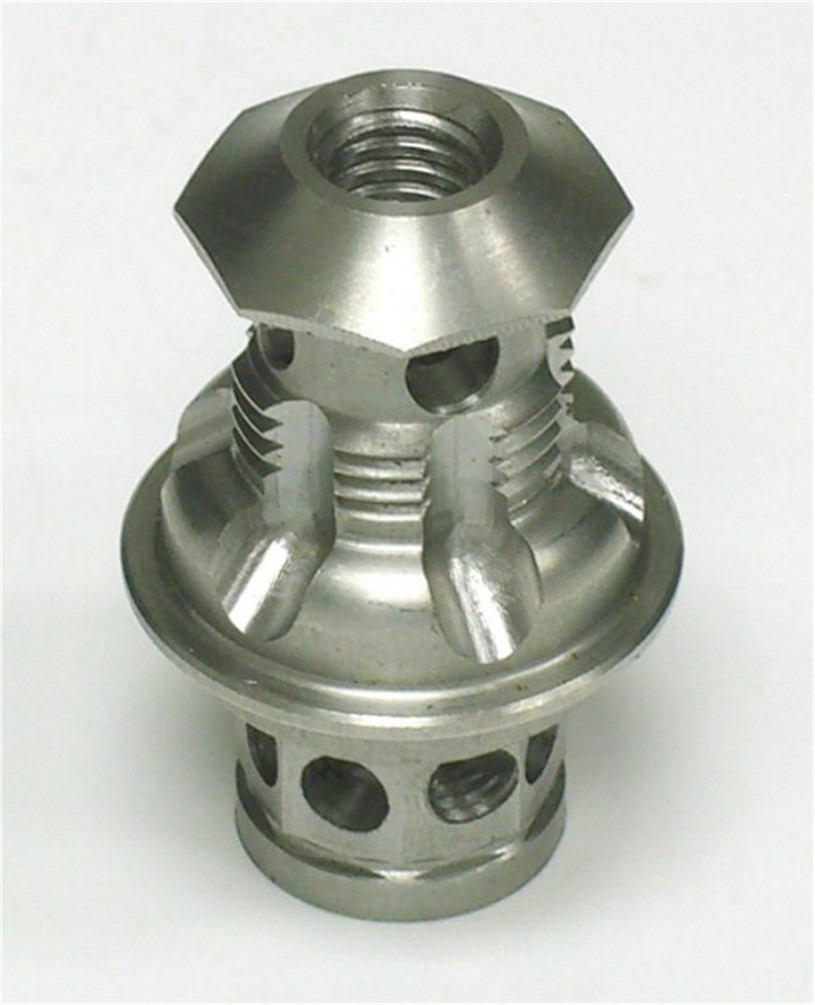
Custom steel forging is particularly valuable when a component has an unusual shape, operates under specialized conditions, or needs to replace an existing part with modified dimensions. Instead of changing the machine design to accommodate a standard component, the forged component can be developed around the equipment's actual requirements.
This approach allows buyers to achieve better compatibility while maintaining control over material and production specifications.
Choosing a reliable supplier is an important part of sourcing forging parts for industrial equipment. Buyers should consider not only price but also production capabilities, material control, quality assurance, machining capacity, delivery performance, and experience with international orders.
A qualified china steel forging parts supplier can provide competitive manufacturing costs while supporting customized production for customers in different industrial sectors. However, buyers should confirm whether the supplier can manufacture according to technical drawings and maintain consistent quality throughout production.
For large components, it is especially important to evaluate whether the supplier has suitable forging equipment and production capacity. A professional heavy steel forgings manufacturer should be able to handle large components while maintaining appropriate control over forging, heat treatment, machining, and inspection.
Long-term cooperation with an experienced china steel forging parts supplier can also improve supply stability for distributors, equipment manufacturers, and industrial maintenance companies.
Hebei Mingda International Trading Company specializes in castings, forgings, and machinery parts, providing flexible sourcing and manufacturing solutions for customers in international markets. The company works closely with manufacturing facilities in major cities across China, allowing it to select suitable production processes and equipment according to customer drawings, quality requirements, quantities, and delivery schedules.
Its product capabilities include forged parts as well as ductile iron, grey iron, brass, stainless steel, and aluminum castings. For customized forging parts, Hebei Mingda can coordinate appropriate production processes according to component design and application requirements. Its manufacturing network supports different casting and forging technologies, while machining capabilities can be used for components requiring additional dimensional finishing.
With strict quality-control requirements, competitive pricing, and flexible factory resources, Hebei Mingda supports customers looking for OEM steel forging parts, custom steel forging, and heavy-duty industrial components. The company's products are exported to Germany, Sweden, the UK, Denmark, France, the USA, the Middle East, and other markets. Normal lead time is around 30 days, while special orders may be completed in approximately 20 days when project requirements call for faster delivery. If you are sourcing forging parts for heavy machinery, industrial equipment, railway systems, energy applications, or other demanding projects, contact Hebei Mingda to discuss your drawings, material specifications, quantities, and delivery requirements.