Phone:
+86 18631189888

Email:
liyanhui@bestcastings.cn

If you’ve ever paused to admire a finely detailed metal art piece or marveled at the intricate circuitry inside your electronics, copper cast likely played a role. In the shadowy world where raw metals become durable industrial parts or stunning bronze sculptures, copper casting is a foundational process — and one that carries significant weight worldwide.
Why does copper cast matter on a global scale? Simply put, it’s about connectivity, sustainability, and resilience. From high-tech manufacturing hubs in East Asia to artisan foundries in Europe, the precision and versatility of copper cast parts touch countless industries. Understanding its nuances not only helps engineers and manufacturers excel but also boosts environmental stewardship and economic development in less obvious ways.
Mini takeaway: Copper cast isn’t just a traditional craft; it still shapes industries and innovations that affect global commerce, technology, and sustainability.
The copper casting industry is a quiet giant behind many cutting-edge sectors. According to the International Copper Association, global copper production exceeded 20 million metric tons in recent years, and much of that finds its way into cast components (source).
Industries from electronics, automotive, to construction rely on copper cast parts because of their great conductivity, corrosion resistance, and malleability. Yet, challenges like sourcing sustainable copper and ensuring casting processes scale efficiently are ongoing puzzles.
Emerging markets in Southeast Asia and Africa increasingly adopt copper cast technologies to boost manufacturing capacity—signaling a shift from traditional centers of production. However, maintaining quality amid rapid demand growth means investing in better alloys and casting methods.
Mini takeaway: Copper casting isn’t just historic—it’s evolving with global trade dynamics and technology, responding to sustainability pressures and industrial scaling.
Copper cast refers to the process of pouring molten copper or copper alloys into molds to create complex shapes that serve everything from practical components to decorative art. Unlike simple manufacturing like rolling sheets or extrusions, casting lets producers create parts with intricate details and thickness gradients with fewer machining steps.
At its heart, copper cast satisfies a unique manufacturing need: to combine the exceptional electrical and thermal properties of copper with the structural strength and form versatility that industries demand.
For example, humanitarian infrastructure projects in remote areas might use copper cast components in electrical grounding systems, ensuring safety and reliability even where maintenance is tough.
Mini takeaway: Copper cast is the art and science of shaping copper to meet complex technical and design needs—essential in technologies both modern and traditional.
One of the standout features of copper cast products is their resistance to environmental wear. Copper alloys often develop a stable patina rather than rust, which means they maintain conductivity and strength longer than many alternatives.
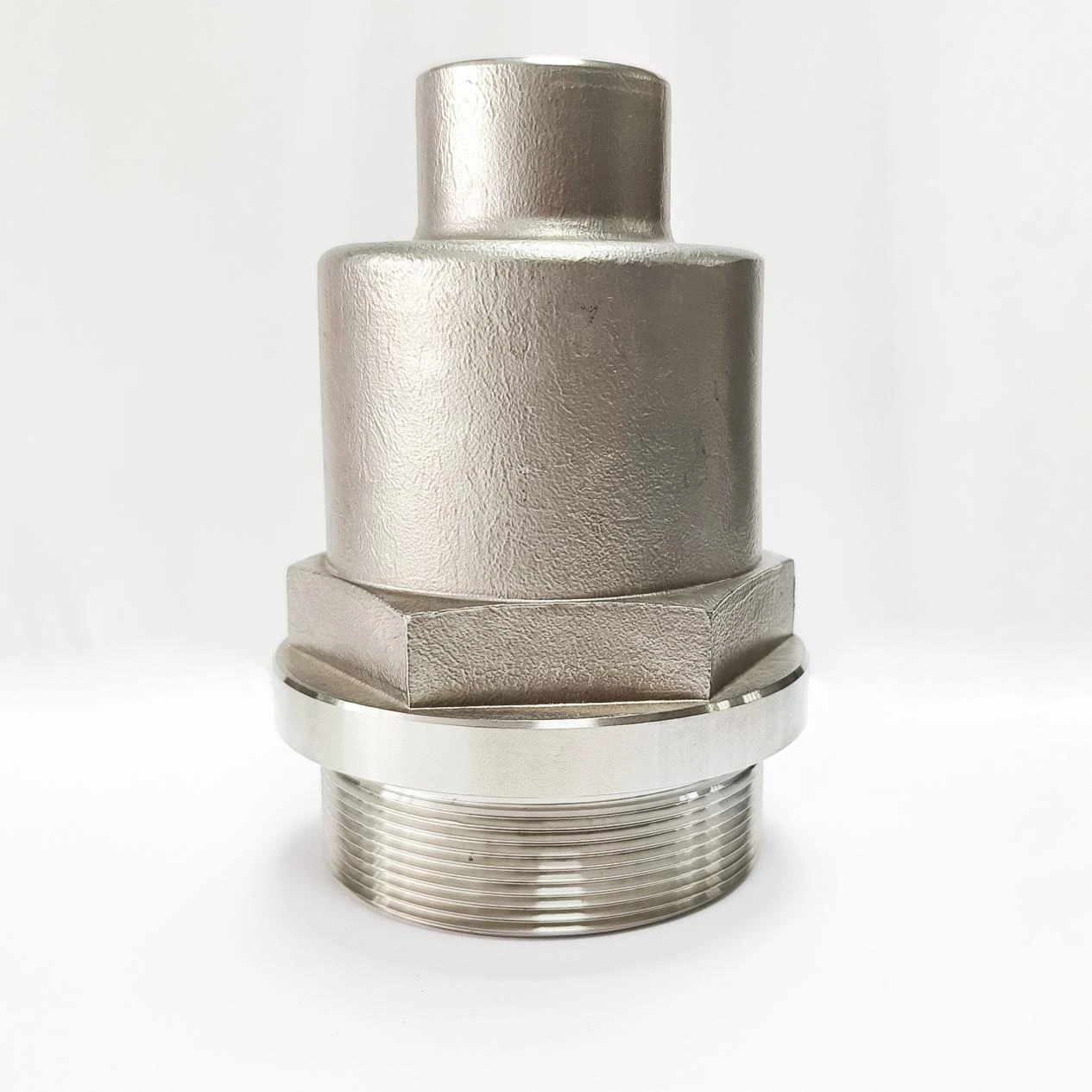
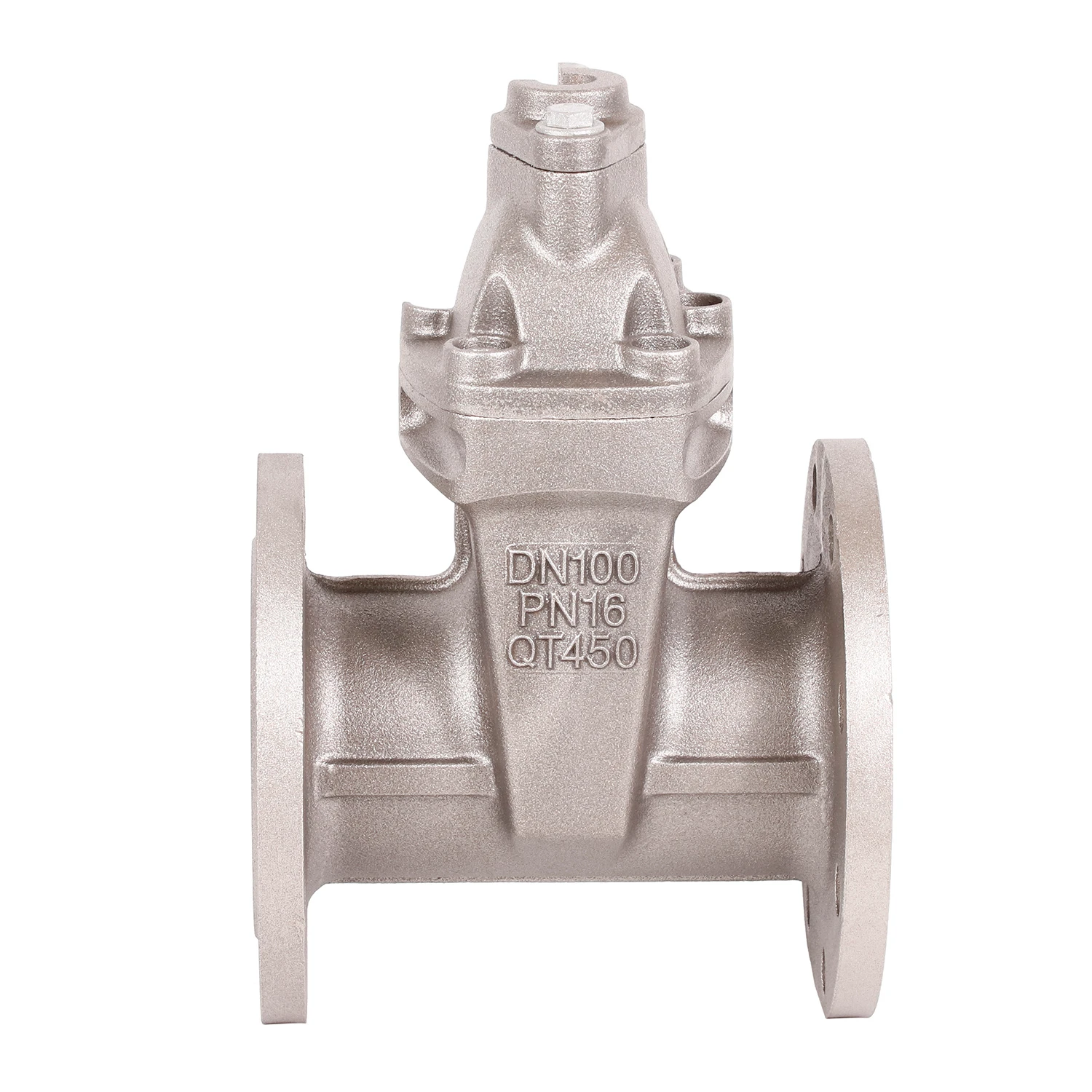
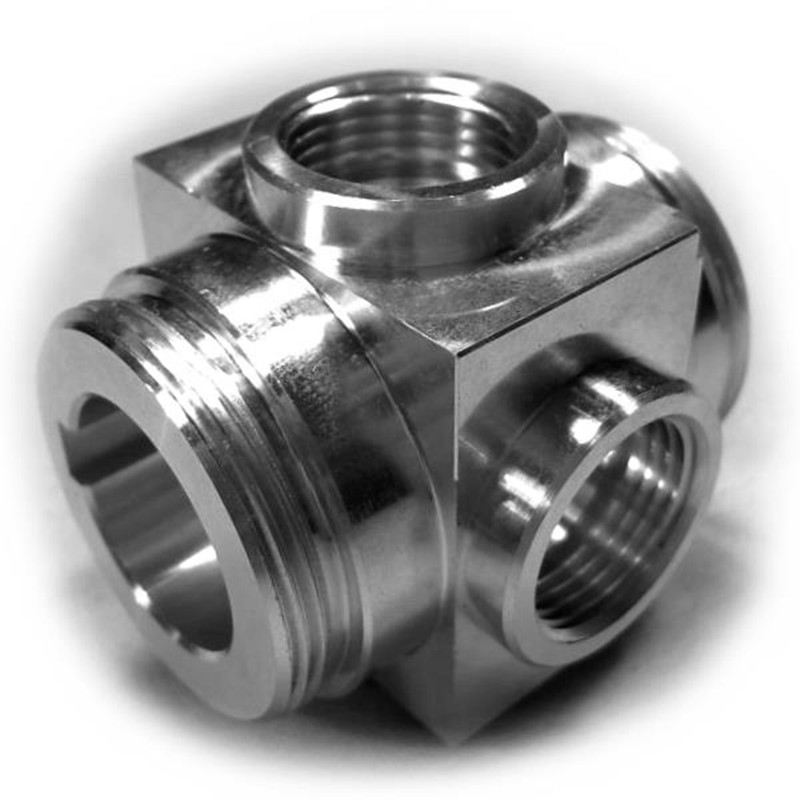
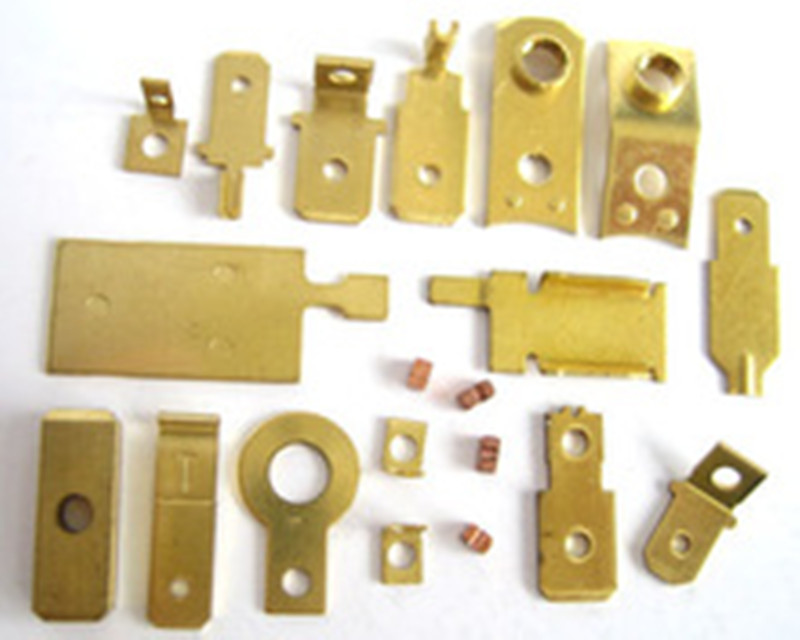
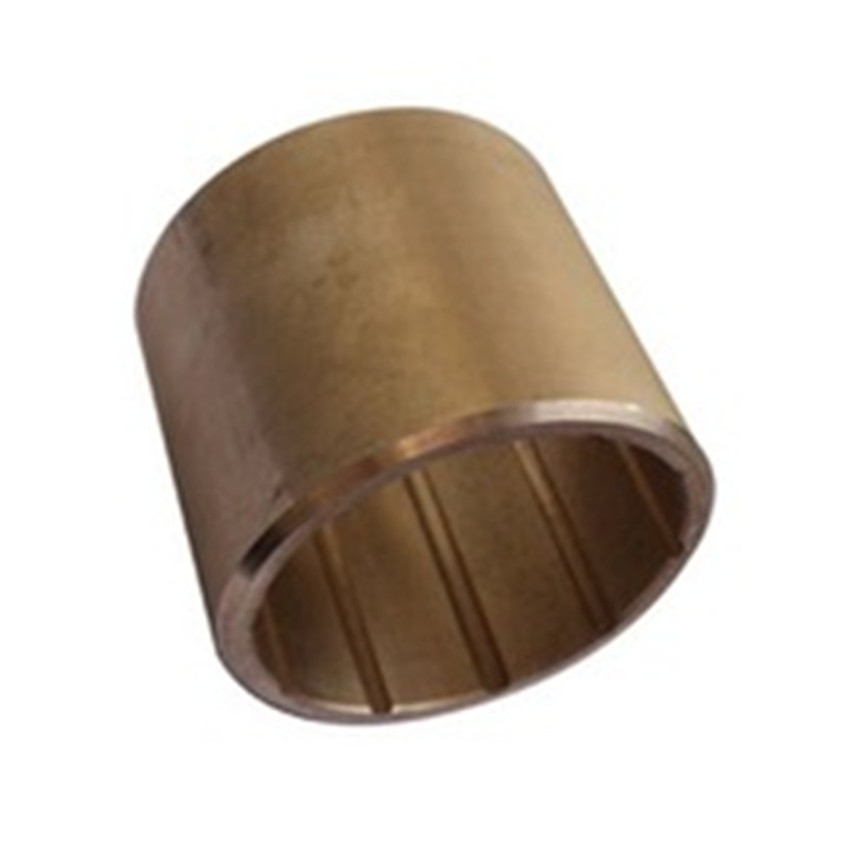
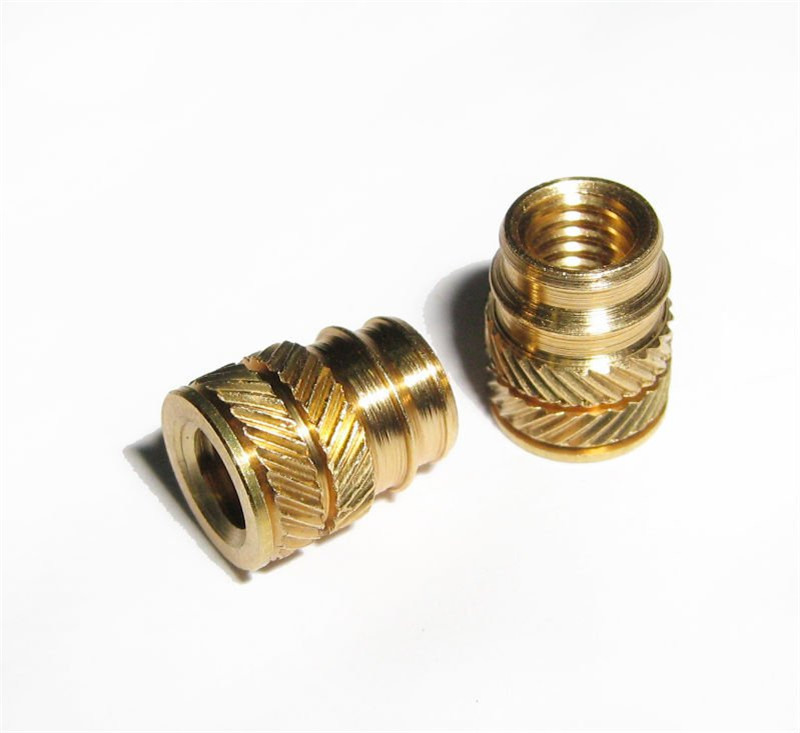
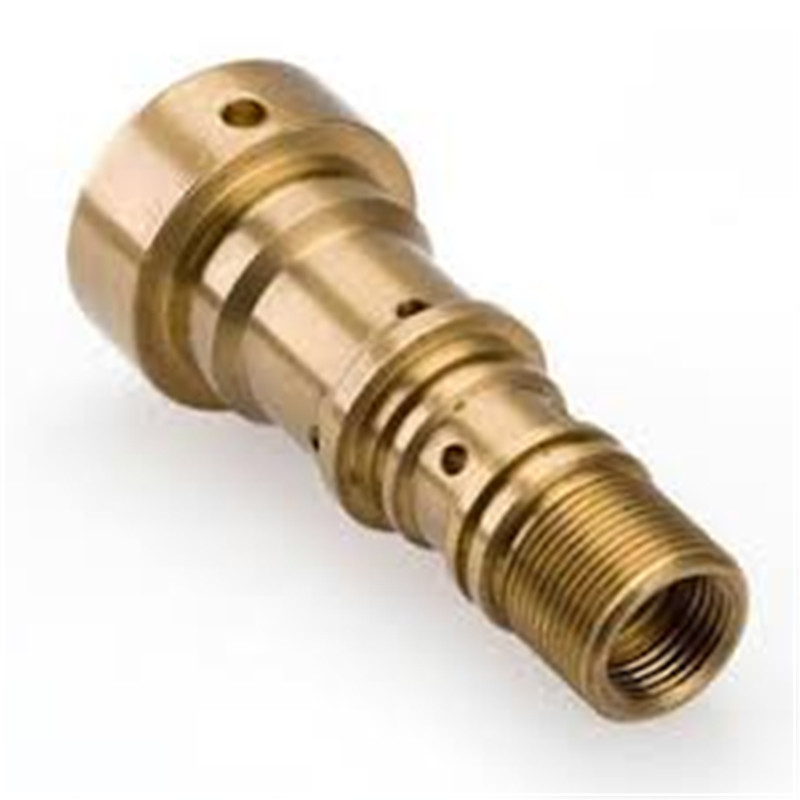
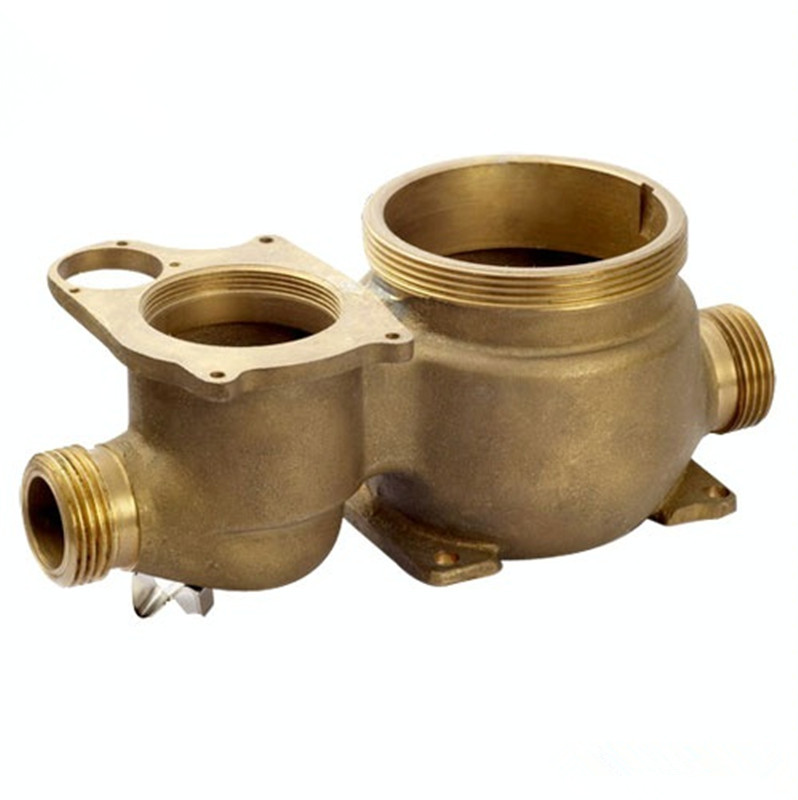
Because casting can fill complex molds, copper cast parts deliver high-precision shapes that machining often can’t match cost-effectively, such as detailed valves, connectors, or ornamental features.
Copper’s excellent natural conductivity translates well into cast components used in motors, transformers, and heat exchangers—ensuring efficient energy use.
Modern foundries boast capacities ranging from single prototypes to mass production runs, giving customers flexibility to scale operations without losing quality.
Despite being pricier than some metals, copper cast parts amortize costs well by reducing post-production work and improving product longevity.
Recycled copper usage is common, helping reduce the carbon footprint of casting processes, an increasingly important factor as industries adopt sustainable procurement.
Mini takeaway: The strength of copper cast lies in its combined mechanical, electrical, and economic benefits, making it a go-to solution for numerous sectors.
The breadth of copper cast applications is remarkable. In industrial zones of Germany, copper cast pump components keep chemical plants running smoothly. In coastal Japan, copper cast ship fittings resist harsh saltwater corrosion, preserving vessel safety.
Post-disaster relief crews in the Philippines have turned to copper cast grounding rods to restore electricity fast and safely thanks to their reliability in challenging conditions.
Even the renewable energy sector is leaning heavily on copper casting: wind turbines and solar equipment use copper cast parts to optimize energy transfer.
| Specification | Details |
|---|---|
| Material Types | Pure Copper, Bronze, Brass, Other Copper Alloys |
| Typical Casting Methods | Sand Casting, Investment Casting, Die Casting |
| Maximum Part Size | Up to 1,000 kg per piece |
| Tolerance | ±0.1 mm (depending on method) |
| Typical Lead Time | 1–6 weeks |
Mini takeaway: Copper cast’s versatility shows in its adaptability across huge project sizes and sectors, from quick production runs to heavy industrial installations.
Choosing copper cast components boils down to several core advantages:
From a societal angle, copper cast parts help ensure clean water access, power distribution, and industrial productivity—often under the radar but vital for human dignity and modern comfort.
Mini takeaway: Copper casting offers a convergence of economic sense, environmental care, and practical reliability cherished by engineers worldwide.
There’s something almost poetic about an age-old process like copper casting continuing strong into the digital age.
New research focuses on alloy enhancements for even greater strength and corrosion resistance, especially for renewable energy tech. For instance, ISO standards guide quality improvements globally.
Automation and AI-driven mold design promise higher precision with less waste, while more eco-friendly melting techniques cut carbon footprints.
Oddly enough, 3D printing of molds is growing, giving foundries a neat digital edge while preserving traditional metal casting artistry.
Mini takeaway: Copper cast innovation balances time-tested techniques with cutting-edge tech to meet tomorrow’s industrial demands sustainably.
The main hurdles usually revolve around raw material sourcing, energy intensity of melting, and maintaining strict tolerances at scale.
However, better recycling infrastructures and renewable energy use in foundries mitigate some ecological concerns. Meanwhile, alloy optimization and improved simulation tools tackle technical consistency.
Some engineers warn about price fluctuations of copper metals but point out that overall value outweighs short-term cost spikes.
Mini takeaway: While not without challenges, copper cast’s industry keeps innovating robust solutions to ensure sustainable, high-quality production.
| Vendor | Experience (years) | Certifications | Lead Time | Specialization |
|---|---|---|---|---|
| Mingda Metals | 15+ | ISO 9001, RoHS | 2–4 weeks | Custom copper castings & alloys |
| Coppercast Inc. | 20 | ISO 14001 | 3–5 weeks | Precision investment casting |
| Global Foundries | 10 | AS9100 | 4–6 weeks | Aerospace-grade copper castings |
Taking a step back, it’s clear that copper cast plays a quietly heroic role in industries both vast and niche. Its blend of strength, efficiency, and beauty is hard to match. Quality copper cast parts ensure industries run smoothly, communities have safe infrastructure, and art preserves culture.
Whether you're sourcing components for heavy industry or designing innovative machinery, the copper cast advantage is tangible. For anyone considering diving deeper, Mingda Metals offers a great place to start, providing expertise and customization options tailored to your needs.
In the end, copper cast is more than just molten metal cooled — it’s a solid foundation for progress and connection.