Phone:
+86 18631189888

Email:
liyanhui@bestcastings.cn

Say “radiator die cast aluminum,” and you might immediately think of car parts or industrial machinery. But this material and manufacturing method play a subtle, yet crucial role far beyond what meets the eye. Globally, the rising demand for lightweight, durable, and efficient components in sectors like automotive, aerospace, and HVAC systems has spotlighted radiator die cast aluminum as a game-changer. Why? Because the balance it strikes between strength, corrosion resistance, and weight significantly boosts energy efficiency and sustainability — critical issues worldwide.
Plus, understanding this technology helps engineers and manufacturers innovate faster while reducing costs and environmental footprints. So, it’s not just about making better radiators; it’s about fostering smarter, greener engineering solutions in a rapidly evolving industrial landscape.
On the world stage, materials like die cast aluminum have become indispensable. According to ISO standards on materials engineering, lightweight metals are pivotal for reducing greenhouse gas emissions by improving fuel economy in vehicles. The World Bank estimates that the global automotive market alone consumes thousands of tons of aluminum yearly.
Confronted with increasingly rigorous emissions regulations and soaring energy costs, industries face the challenge of delivering efficient cooling and heat exchange systems — radiators being squarely in that mix. Die casting aluminum satisfies a core demand here: complex shapes with tight tolerances produced quickly and affordably. When radiators melt less metal, last longer, and weigh less, it’s a win for industries and the environment alike.
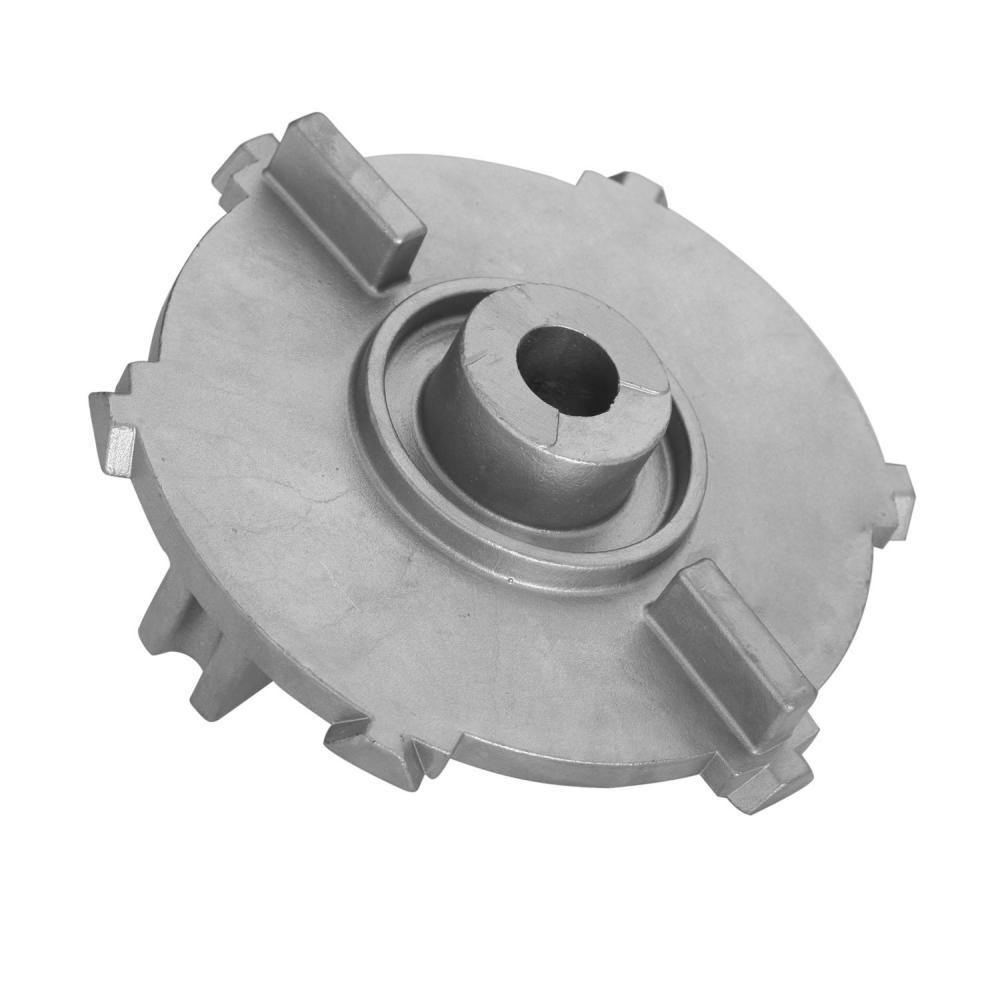
Technically speaking, “radiator die cast aluminum” refers to aluminum components, usually for radiators or heat exchangers, manufactured by injecting molten aluminum into steel molds at high pressure — a process known as die casting. This yields parts with precise dimensions and smooth surfaces, perfect for thermally demanding applications.
In real terms, think of it as the marriage between lightweight metal and mass-production wizardry, used extensively in automotive cooling systems, air conditioning units, and industrial machinery — any place reliable heat dissipation is key. It’s also gaining traction in humanitarian aid equipment, like portable cooling units in disaster zones where quick deployment and durability count.
Die cast aluminum alloys, especially those used in radiators, resist corrosion from water and chemicals — which extends the service life notably. This isn’t just marketing fluff; many endurance studies show these alloys last 20–30% longer than alternative materials under similar conditions.
Thanks to die casting’s high repeatability, manufacturers get consistent quality at high volumes — ideal for automakers churning out thousands of radiators yearly. The process enables thin walls and intricate fins that boost heat transfer efficiency.
Compared to machining solid blocks or traditional casting, die casting significantly cuts down on waste, post-processing, and labor, making radiator die cast aluminum competitively priced. Plus, aluminum’s recyclability further trims lifecycle costs.
This characteristic matters most in transportation. Lighter radiators mean vehicles consume less fuel or electricity, helping meet climate goals.
In essence, radiator die cast aluminum shines because it’s strong without the weight, precise without the cost, and durable enough for tough environments.
The use cases are as diverse as the industries driving aluminum die casting innovation.
European nations, Asia’s manufacturing hubs, and North America’s automotive plants are prime beneficiaries, but the technology is spreading swiftly as industries globalize.
When you weigh all the benefits, it’s no surprise many engineers swear by radiator die cast aluminum:
On a personal note, the comfort of knowing a car’s radiator won’t conk out unexpectedly, or that a vital cooling system withstands hardship quietly, is quite underrated.
The die cast aluminum world isn’t static. Industry watchers point to:
Oddly enough, the more “high-tech” our society gets, the more humble metals like aluminum reaffirm their starring role.
No process is perfect. Some sticking points include:
By using advanced simulation software and ongoing R&D into alloys and die designs, many foundries have drastically reduced these issues. It's a mix of experience, tech, and sometimes trial-and-error.
| Specification | Typical Value | Unit |
|---|---|---|
| Alloy Type | Aluminum Alloy A356 | - |
| Tensile Strength | 280-320 | MPa |
| Thermal Conductivity | 120-150 | W/m·K |
| Density | 2.65 | g/cm³ |
| Max Operating Temperature | 200 | °C |
| Supplier | Production Capacity | Lead Time | Customization Options | Sustainability Practices |
|---|---|---|---|---|
| Mingda Metals | 10,000+ units/month | 4-6 weeks | High (alloy & design) | ISO 14001 Certified |
| Global Castings Inc. | 5,000 units/month | 6-8 weeks | Medium (design only) | Partial recycling |
| AluTech Solutions | 7,500 units/month | 5 weeks | High (alloy & finish) | Green manufacturing |
Radiator die cast aluminum may not be the flashiest topic, but its global impact speaks volumes. It blends material science with smart manufacturing, enabling industries to develop lighter, more efficient cooling solutions integral to today’s sustainability goals. For anyone vested in engineering, manufacturing, or industrial design, keeping tabs on this material's evolution is practically a must.
Curious for more technical deep dives or specific product inquiries? Feel free to visit our website and explore how radiator die cast aluminum can elevate your next project.
Light, durable, efficient — radiator die cast aluminum is quietly reshaping how the world cools its engines and machines, one part at a time.