Phone:
+86 18631189888

Email:
liyanhui@bestcastings.cn


When you think about roofing, you probably imagine shingles, tiles, or sheets of metal. But have you ever stopped to consider the humble nail holding it all together? Stinger coil roofing nails might not grab headlines, but they’re critical — especially in large-scale industrial and humanitarian projects. Globally, the construction sector continuously seeks reliable, cost-efficient fastening solutions that withstand climates, expedite installation, and minimize waste. Here’s where stinger coil roofing nails come in: small items with major impact.
Why do these nails matter on a global scale? Well, according to the United Nations, over 1 billion people need safe housing, often in areas with challenging environments. Effective, durable roofing materials and fasteners ensure those roofs stand the test of time, protecting lives and livelihoods. Plus, construction industries worldwide, from North America’s commercial roofing to Southeast Asia’s rapid urbanization, rely heavily on these nails for speeding installations and improving structural integrity.
Mini Takeaway: Stinger coil roofing nails may be small, but their global impact on construction quality and efficiency is anything but.
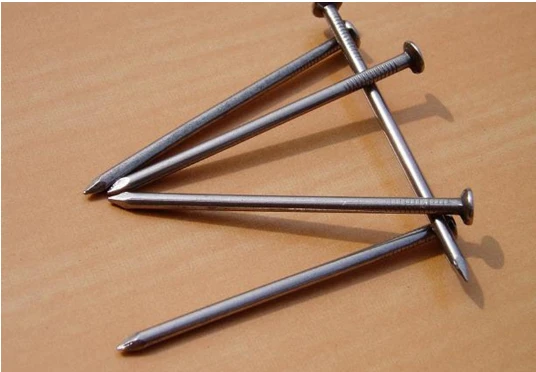
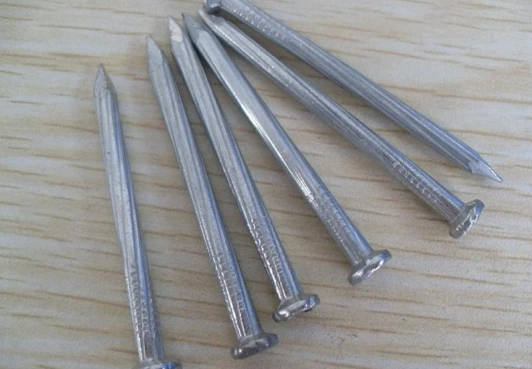
Put simply, stinger coil roofing nails are specialized nails bundled in a coiled strip, designed for use with pneumatic coil nailers. Unlike traditional nails that require manual hammering, these nails feed automatically, allowing faster, more consistent fastening — critical on large roofing jobs.
The “stinger” part refers to the style of the nail’s head and shank, engineered for optimal grip on roofing materials, including shingles and metal sheets. This design helps resist uplift caused by wind or weather, a huge plus for structures in hurricane-prone or windy regions.
From an industry perspective, these nails fit perfectly within the move towards industrialized construction methods and humanitarian response initiatives where speed, reliability, and durability matter equally.
Most stinger coil roofing nails use galvanized steel or stainless steel, offering strong resistance against corrosion and rust. This ensures the fasteners hold tight over years, even in moist or salty environments.
By enabling faster installation with pneumatic tools, they reduce labor time and errors. In real terms, this can translate into significant savings on large roofing projects.
The coil format is perfect for big jobs — thousands of nails ready without constant reloads. This is a godsend for contractors tackling commercial buildings or emergency shelters.
Some manufacturers now offer nails with eco-friendly coatings or recyclable packaging, aligning with sustainability goals in construction.
These nails suit most pneumatic nailers and various roofing materials, from asphalt shingles to metal decks, making them versatile tools on any site.
| Specification | Detail |
|---|---|
| Material | Galvanized Steel or Stainless Steel |
| Coating | Zinc Plated or Vinyl Coated |
| Length | 1" to 1-1/2" |
| Head Type | Stinger Head (Mushroom or Ring Shank) |
| Quantity per Coil | 300–500 nails |
| Compatible Tools | Pneumatic Coil Nailers |
Mini Takeaway: Durability, speed, and compatibility make stinger coil roofing nails ideal for modern construction demands.
Across continents, stinger coil roofing nails play pivotal roles across several domains:
Oddly enough, even some military field engineering units have adopted coil roofing nails for rapid base construction — a testament to their versatility.
Why choose these nails? The reasons go beyond mere technical specs:
Looking forward, several trends shape the evolution of these nails:
Of course, no product is perfect. Some ongoing challenges include:
| Vendor | Material Quality | Coating Options | Price Range | Availability |
|---|---|---|---|---|
| Mingda Metals | High-grade galvanized steel | Vinyl & zinc plating | Competitive | Global shipping |
| Acme Fasteners | Standard steel | Zinc plating only | Budget-friendly | North America focus |
| EcoFast Nails | Recycled steel content | Eco-friendly coatings | Mid-range | Selective distribution |
In the world of roofing and construction, stinger coil roofing nails punch well above their weight class. They deliver critical benefits in speed, strength, and cost-effectiveness across industries worldwide — from emergency shelters to commercial rooftops. By improving installation efficiency and long-term durability, these nails help secure not only structures but also the well-being and dignity of communities relying on them.
If you want to explore more or source high-quality stinger coil roofing nails, I highly recommend visiting stinger coil roofing nails suppliers like Mingda Metals. Their range and service leave many contractors satisfied — and frankly, that’s the real test of any building material.
Mini Takeaway: Investing in quality stinger coil roofing nails pays off in safety, speed, and sustainability — the triple win in building.
References:
1. Wikipedia: Roofing Nail
2. ISO Standards on Fasteners
3. United Nations Habitat and Housing