Phone:
+86 18631189888

Email:
liyanhui@bestcastings.cn


When you hear the term forging part pricelist, it might just sound like a dry inventory or catalog of industrial parts. But, oddly enough, this concept is a key cog in a globally interconnected machine that supports innovations in manufacturing, infrastructure, and even humanitarian efforts. Understanding forging part pricelists isn’t just for procurement specialists; it matters globally because it relates to cost efficiency, material sustainability, and the very durability of products deployed worldwide.
Globally, manufacturing industries account for roughly 16% of the world’s GDP as per World Bank figures. At the heart of this vast sector lies forged parts—components shaped through incredible mechanical force to ensure strength and reliability. A forging part pricelist predominantly serves manufacturers, buyers, and engineers who rely on transparent pricing for budgeting and project planning.
Yet, a core challenge remains: how do we accurately assess and compare prices across suppliers, especially when parts differ subtly by material grade, process method, or volume discounts? This uncertainty sometimes leads to delays, budget overruns, or even suboptimal material choices wasting resources.
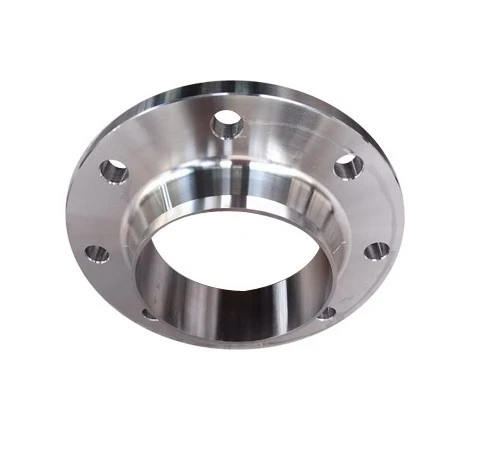
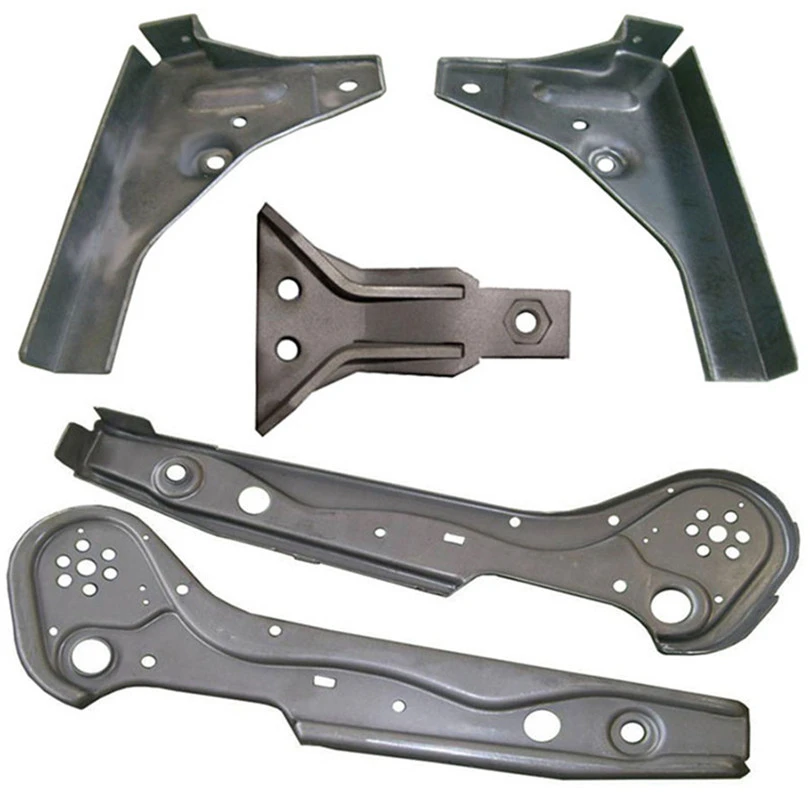
Simply put, a forging part pricelist is a catalog or structured document that details prices, specifications, and descriptions of forged parts offered by manufacturers or vendors. Think of it as a menu—but for industrial components ranging from crankshafts to gears, bolts, and intricate aerospace fittings. It connects the dots between raw materials, forging technology, and end-user needs.
It has special relevance not only for industries like automotive and construction but also for humanitarian applications — for example, where durable parts are needed quickly in field machinery during disaster recovery or infrastructure rebuilding.
The metallurgy behind a forged part directly influences the price. High-grade alloys like titanium or stainless steel cost more but justify their price in critical applications such as aerospace or medical devices. The pricelist will typically specify these grades clearly.
The process—whether open-die forging, closed-die forging, or impression-die forging—affects complexity and cost. Closed-die forging usually produces more precise, complex parts with less waste, but at a premium price.
Prices per unit can significantly drop when ordering in bulk, which is usually outlined in tiered volume pricing to incentivize larger orders.
Larger parts or those requiring stringent tolerances can push prices upward due to the additional processing and quality checks.
Urgency or special shipping requirements might increase costs too, particularly if the forging parts must be rushed or shipped internationally.
| Part Type | Material | Dimensions (mm) | Process | Price per Unit (USD) |
|---|---|---|---|---|
| Crankshaft | Steel Alloy 42CrMo4 | 500 x 100 | Closed-Die Forging | $1200 |
| Gear Wheel | Carbon Steel C45 | 300 x 50 | Open-Die Forging | $450 |
| Connecting Rod | Aluminum Alloy 6061 | 350 x 80 | Impression-Die Forging | $600 |
Mini takeaway: Often the pricelist is more than just numbers—each element like material and process tells a story about durability, cost, and suitability.
Forged parts priced precisely and transparently are crucial in many cornerstones of the global economy:
Interestingly, the availability of such pricelists helps smaller manufacturers in developing nations compete by showcasing clear, competitive pricing, thus boosting local economies.
Why fuss about something as seemingly mundane as a forging part pricelist? Well, it’s about:
Technological advances are reshaping how pricelists are created and used:
Of course, it’s not all smooth sailing. Common issues include:
Some innovative solutions involve blockchain-based verification for pricelist authenticity and supplier rating systems adding trust layers.
| Vendor | Pricing Transparency | Customization | International Shipping | Sustainability Certifications |
|---|---|---|---|---|
| Mingda Metals | High – Detailed online pricelist | Yes – Custom quotes available | Worldwide | ISO 14001 certified |
| Global Forge Ltd. | Moderate – PDF pricelist only | Limited | Regional (Asia and Europe) | No official certifications |
| ForgeMasters Inc. | Variable – Custom only | Yes | Global | ISO 9001 certified |
A1: This varies by vendor but typically pricelists are updated quarterly or more frequently depending on raw material market volatility. Some vendors use dynamic online pricelists to reflect real-time changes.
A2: Absolutely. Most suppliers offer custom quotations especially for parts with exceptional specifications or when ordering bulk quantities differing from standard pricelist items.
A3: Usually, base pricelists exclude shipping. Shipping costs are calculated separately based on destination and urgency, but some vendors provide all-in pricing if requested.
A4: Leading manufacturers ensure pricelists include parts that meet international standards like ISO 9001, ISO 14001, or industry-specific certifications for safety and sustainability.
A5: Reliable sources include established metals manufacturers like Mingda Metals and industry associations that publish standard pricelists.
In real terms, the forging part pricelist is more than a list of costs—it’s a strategic tool enabling manufacturers and buyers worldwide to make informed decisions. Whether you’re managing a supply chain or working on humanitarian projects, these pricelists bring clarity, predictability, and trust to complex procurement processes. For anyone interested in exploring deeper and getting accurate, up-to-date pricing, I definitely recommend visiting Mingda Metals. Their approach to transparency and customization speaks volumes.
Mini takeaway: Understanding forging part pricelists is kind of like holding a map in the ever-shifting terrain of industrial manufacturing — it helps you navigate cost, quality, and timing with confidence.