Phone:
+86 18631189888

Email:
liyanhui@bestcastings.cn

Flanges are deceptively simple components that underpin countless industrial and infrastructural systems around the world. At first glance, they might seem like just metal rings or plates, but their significance spans everything from oil pipelines and water supply networks to aerospace and humanitarian relief. Why should we care about flanges? Well, they’re the connectors, the mechanical bridges that ensure secure, leak-free joints in complex assemblies — and their reliability can mean the difference between smooth operations and catastrophic failure.
In a globalized economy heavily dependent on seamless infrastructure, understanding flanges is key for engineers, designers, and decision-makers. Plus, with industries pushing for safer, greener, and smarter solutions, the humble flange is evolving quietly but rapidly.
According to the International Organization for Standardization (ISO), over 70% of industrial piping systems globally rely on flanged connections. This dependence crosses continents, affecting everything from Europe’s vast energy transport networks to Asia’s booming manufacturing hubs. The World Bank estimates that over $8 trillion worth of infrastructure projects are ongoing or planned worldwide, many of which involve extensive use of these joints.
One major challenge the industry faces is ensuring these connections withstand environmental stresses and aging without costly failures. For example, offshore oil rigs in hostile ocean climates require flange solutions that can handle corrosive saltwater and temperature fluctuations over decades.
Mini takeaway: Flanges aren’t just hardware; they’re essential building blocks of the global industrial landscape, facing real-world durability and safety challenges.
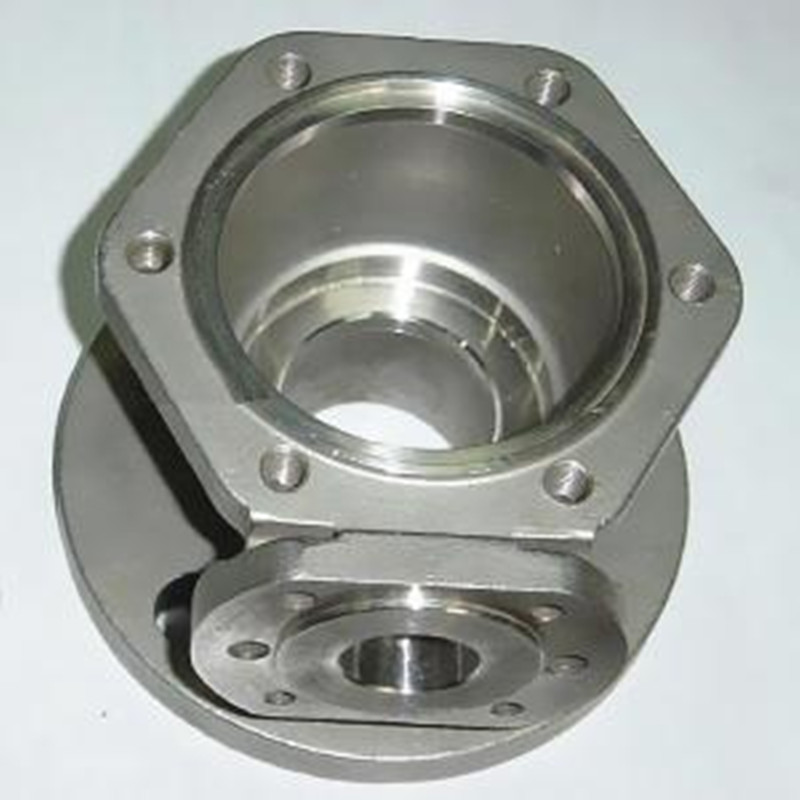
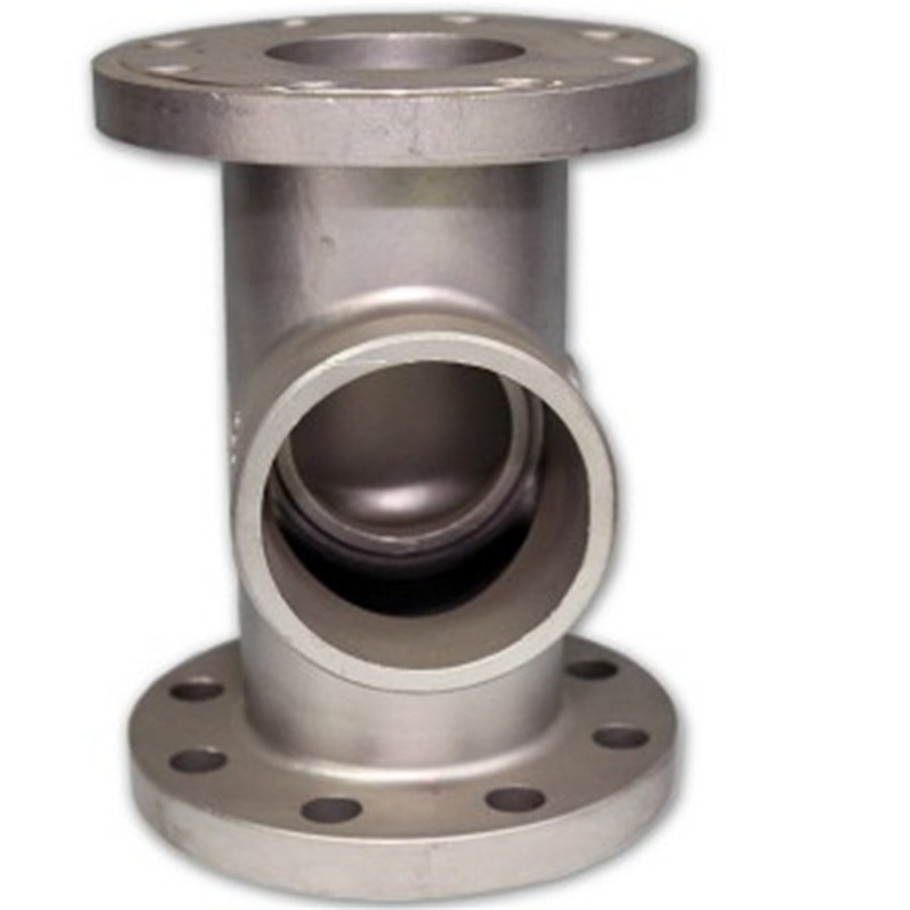
Simply put, a flange is a method of connecting pipes, valves, pumps, and other equipment to form a sealed system. Usually made from metal, it is a flat or raised ring with bolt holes that enable components to be tightly fastened together. Think of it as the “handshake” between two parts — ensuring everything stays aligned and leak-free.
In modern industries, from chemical processing to water treatment and disaster relief logistics, flanges enable modular, maintainable systems. When pipes need inspection, repair, or replacement, flanged joints make the process faster and safer — without dismantling entire setups.
The materials used often determine longevity and suitability. Stainless steel and carbon steel are popular for resistance to corrosion and mechanical stress, while exotic alloys or composite materials might be used in specialized environments like cryogenics or nuclear plants.
One of the critical functions of a flange is preventing leaks. That’s why gaskets and proper surface finishes are vital to making a reliable seal under varying pressure and temperature conditions.
Standards such as ANSI, DIN, and ISO ensure flanges can be used interchangeably worldwide, facilitating global supply chains and maintenance schedules.
Flanges come in a range of sizes from small instrument pipes to massive diameters in petrochemical plants, allowing them to fit many infrastructure scales.
Compared to welded joints, flanged connections are often less labor-intensive to install and easier to service, meaning lower downtime and less risk of errors during assembly.
Mini takeaway: Understanding a flange’s material, sealing method, standard, size, and maintenance aspect is critical to choosing the right one for your project.
Flanges have a remarkably diverse range of applications:
For instance, in Southeast Asia’s flood-prone regions, NGOs use easily disassembled flanged piping systems to set up clean water stations quickly — a lifesaving application you wouldn’t immediately guess involves precision flange machining.
There’s a blend of practical and emotional reasons industries stick with flanges:
Mini takeaway: Flanges pack a punch — practical benefits aligned with safety and sustainability goals, which really matters when stakes are high.
| Specification | Details |
|---|---|
| Material | A105 Carbon Steel |
| Size Range | 1/2" to 72" diameter |
| Pressure Rating | Class 150 to 2500 |
| Surface Finish | RF (Raised Face), RTJ (Ring Type Joint) |
| Standards | ANSI B16.5, ASME |
| Typical Use | Oil & Gas Pipelines, Industrial Piping |
| Vendor | Location | Specialty | Lead Time | Custom Orders |
|---|---|---|---|---|
| Mingda Metals | China | Custom flanges, fast turnaround | 2-3 weeks | Yes |
| FlangeCo | USA | High-pressure reactors and ASME compliance | 4-6 weeks | Limited |
| EuroFlanges | Germany | Specialized alloys, eco-friendly coatings | 3-5 weeks | Yes |
One exciting trend is the use of advanced composite materials and smart coatings that resist corrosion better and extend service life. I’ve seen some companies experiment with embedded sensors within the flange joint itself to detect leaks or stress before things go wrong — an IoT twist to an old concept.
Another big focus is green manufacturing: minimizing the carbon footprint of flange production and enabling reuse. Indeed, digital manufacturing (3D printing metals) is starting to offer modular and customizable designs faster than before. This means less waste, faster prototyping, and smart adjustments for niche sectors like biopharma or deep-sea exploration.
Despite their importance, flanges come with challenges:
To tackle these, ongoing standards refinement, better material science, and operator training are continually improving flange reliability. For example, torque wrenches with digital feedback help mechanics apply the correct pressure more consistently.
Typically, weld neck and ring-type joint (RTJ) flanges are preferred due to their strength and leak prevention capabilities. Material choice also matters; high-grade stainless steel and specialty alloys help withstand high pressures and temperatures.
The choice depends on your region and industry. ANSI (American National Standards Institute) is common in the US, while DIN and EN are typical in Europe. Make sure the standard matches the pressure class, size, and material you need.
Often yes, especially if gaskets are replaced and bolt holes remain undamaged. However, excessive wear or corrosion might mean replacement of some components for safety.
Absolutely. Their modular nature means quick assembly and disassembly, which is why they’re used in temporary water lines or emergency relief infrastructure.
Suppliers typically work closely with clients to design flanges that fit unique requirements, with CNC machining and rapid prototyping to speed the process. Mingda Metals, for example, emphasizes fast turnaround for custom flange fabrication.
Whether you’re a process engineer, maintenance supervisor, or project manager, appreciating the role of flanges is crucial. They offer balance — strong yet removable, standardized yet customizable — making complex systems manageable and safe. As industries push toward greener, smarter infrastructure, the flange will remain a quiet yet essential player.
If you want to dig deeper or explore products, visit Mingda Metals — a trusted name in flange manufacturing globally.
Flanges might be small parts, but their impact? Huge.
References: