Phone:
+86 18631189888

Email:
liyanhui@bestcastings.cn


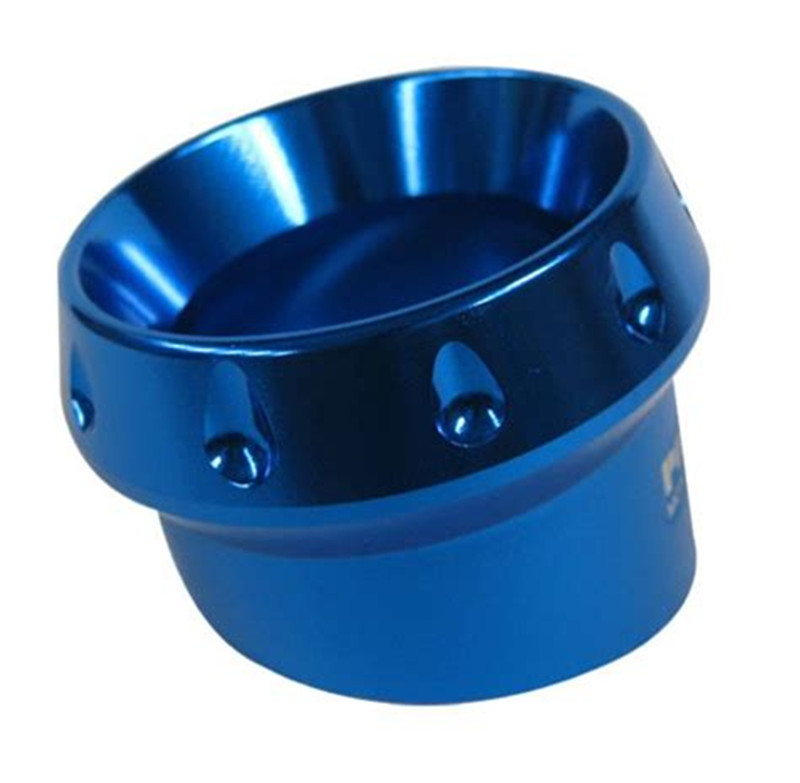
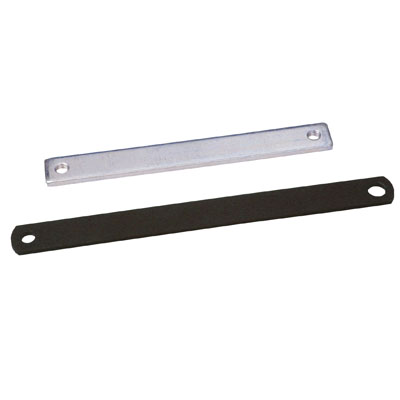
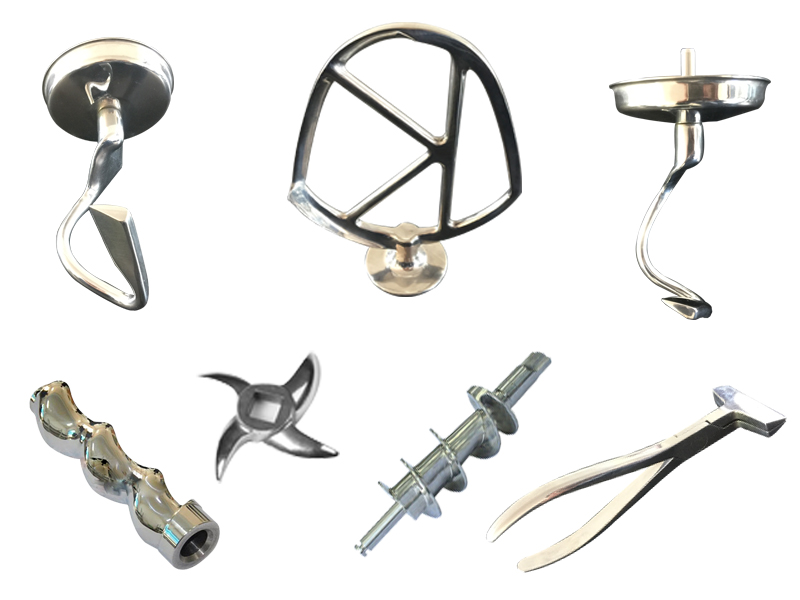
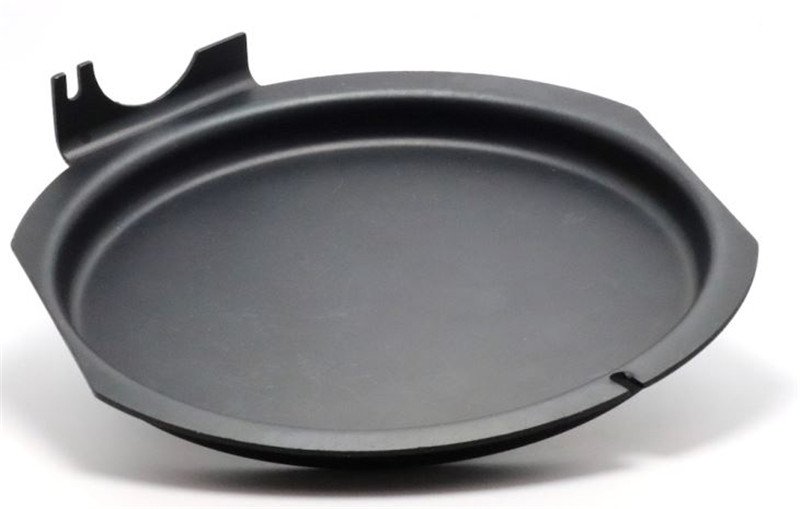
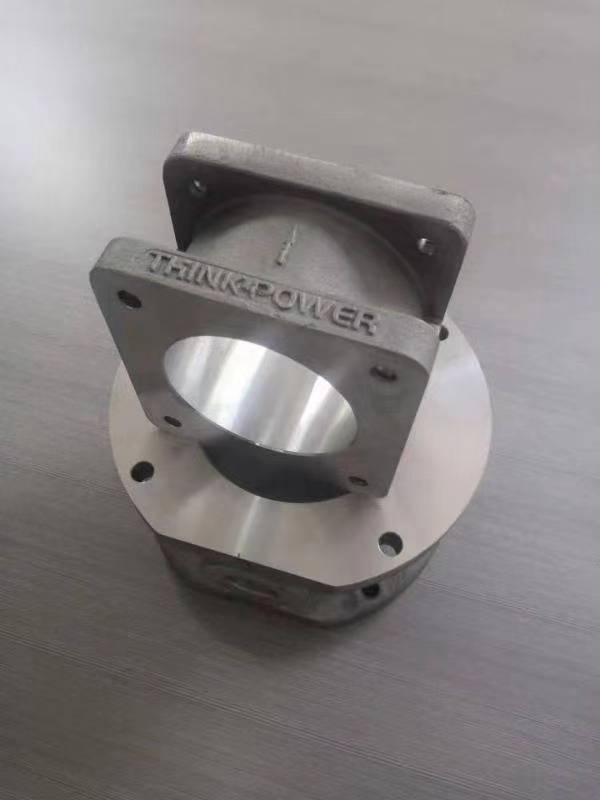
CNC milled engineering vehicle parts play an important role in the performance, reliability, and service life of construction machinery and heavy-duty equipment. These components are used in various mechanical assemblies where dimensional accuracy, consistent quality, and compatibility with other parts are essential. From mounting brackets and connecting components to machined housings and structural parts, CNC milling provides a flexible manufacturing solution for customized engineering vehicle applications.
For equipment manufacturers, machinery maintenance companies, and industrial parts distributors, selecting the right components requires careful consideration of material properties, machining requirements, operating conditions, and supplier reliability.
Hebei Mingda International Trading Company specializes in castings, forgings, and machinery parts. Through close business relationships with manufacturers in major cities across China, the company offers flexibility in coordinating different metal component requirements. For buyers sourcing CNC milled engineering vehicle parts, clear technical specifications and effective supplier communication help support suitable manufacturing arrangements and delivery planning.

CNC milled engineering vehicle parts are mechanical components produced using computer numerical control (CNC) milling machines. During milling, rotating cutting tools remove material from a workpiece to create the required shape, dimensions, holes, slots, and surface features.
CNC milling is suitable for producing components with complex geometries and defined dimensional requirements. Depending on the machine configuration and component design, multiple surfaces and features may be machined through different operations or setups.
Engineering vehicles, including excavators, loaders, bulldozers, road rollers, and other heavy-duty equipment, contain numerous metal components that must fit together correctly. CNC milled parts can be used in mounting systems, mechanical connections, equipment housings, brackets, and other assemblies.
Some components are machined from solid metal stock, while others may begin as castings or forgings before undergoing CNC machining. Selecting the appropriate manufacturing route depends on the component's shape, mechanical requirements, production quantity, and required finish.
CNC milled components support various engineering vehicle systems. Their specific functions depend on the equipment design and the operating requirements of each assembly.
Excavators, loaders, bulldozers, and other construction machines operate under demanding conditions. Their components may experience vibration, repeated loading, dust, moisture, and mechanical wear.
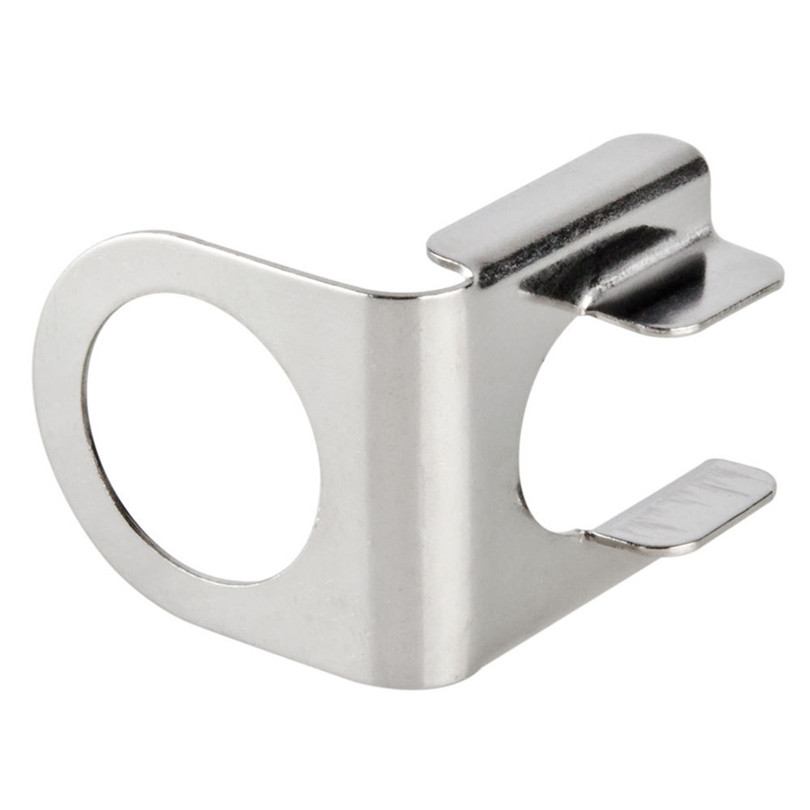
CNC milling can produce mounting components, connection plates, equipment brackets, and other parts requiring accurate dimensions. The component design and material must be appropriate for the expected loads and operating environment.
Hydraulic systems are widely used in engineering vehicles to control lifting, steering, digging, and other mechanical movements.
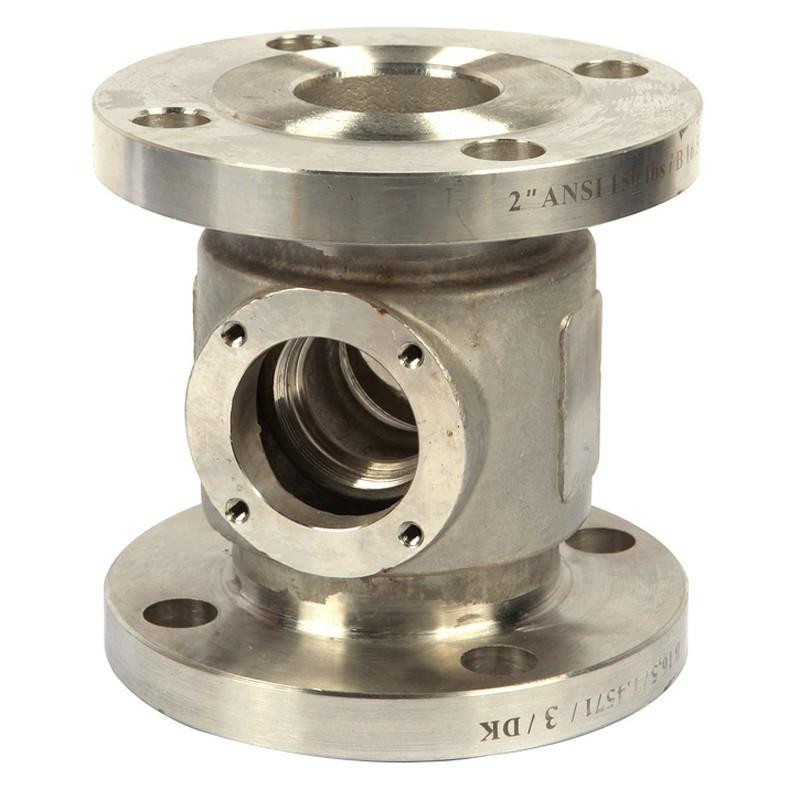
Selected hydraulic components may require precisely machined surfaces, ports, mounting holes, or connection features. CNC milling can produce these features according to engineering drawings, while additional operations may be required to achieve specific sealing surfaces or internal passages.
Pressure-related components must meet their applicable design and inspection requirements. Machining accuracy alone does not establish that a component is suitable for a particular pressure rating.
Engineering vehicles use mechanical systems to transfer power and coordinate movement. Depending on the design, CNC milled parts may be used in selected housings, mounting structures, connection components, and support assemblies.
Accurate positioning of holes, mounting faces, and connecting features helps components fit correctly within the larger mechanical system.
Equipment operators and maintenance providers often require replacement parts that match existing assemblies. Custom CNC machining can be useful when a component has specific dimensions or when a suitable standard part is unavailable.
Buyers should provide original drawings, part numbers, samples, or dimensional measurements where possible. Material properties, heat treatment, and other specifications should also be confirmed when they affect component performance.
Material selection directly influences component strength, machinability, wear resistance, corrosion resistance, and production cost. The best material depends on the intended application and the engineering specifications.
Carbon steel is commonly used for general mechanical components, while alloy steels may be selected when particular strength, toughness, or heat-treatment characteristics are required.
These materials can be suitable for selected mounting parts, support components, mechanical connections, and other equipment applications. The exact grade should be selected according to the expected loads, operating conditions, and relevant design requirements.
Stainless steel may be used for components requiring corrosion resistance in suitable operating environments. It can be considered for selected fittings, brackets, housings, and other machined parts.
Different grades offer different mechanical and corrosion-resistance characteristics. Buyers should confirm that the selected grade is appropriate for exposure to moisture, chemicals, temperature changes, and other environmental conditions.
Aluminum alloys offer a relatively low density and can be useful when weight reduction is important. Depending on the equipment design, they may be suitable for selected housings, covers, brackets, and auxiliary components.
The alloy and temper should be chosen according to the required strength, stiffness, machinability, and operating environment.
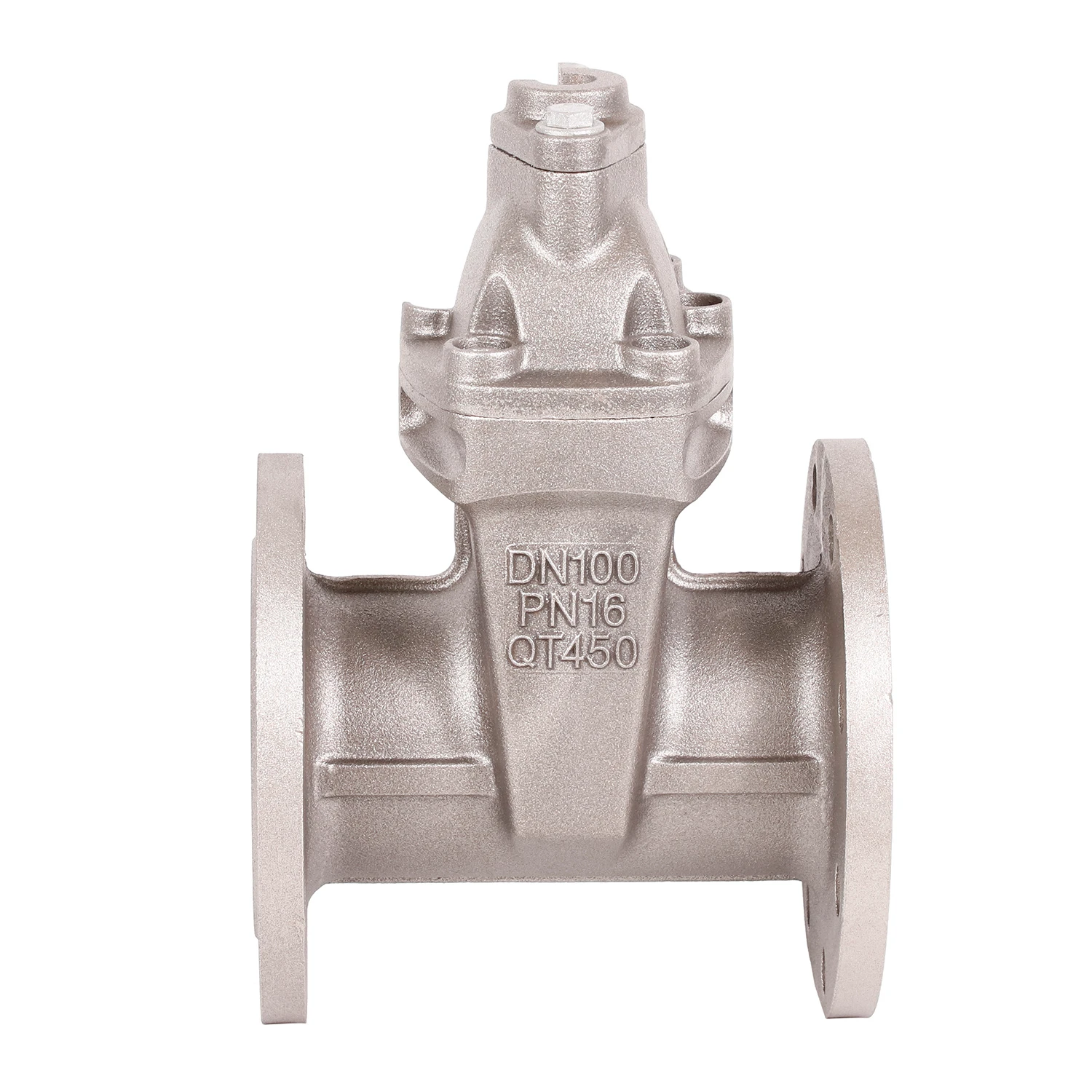
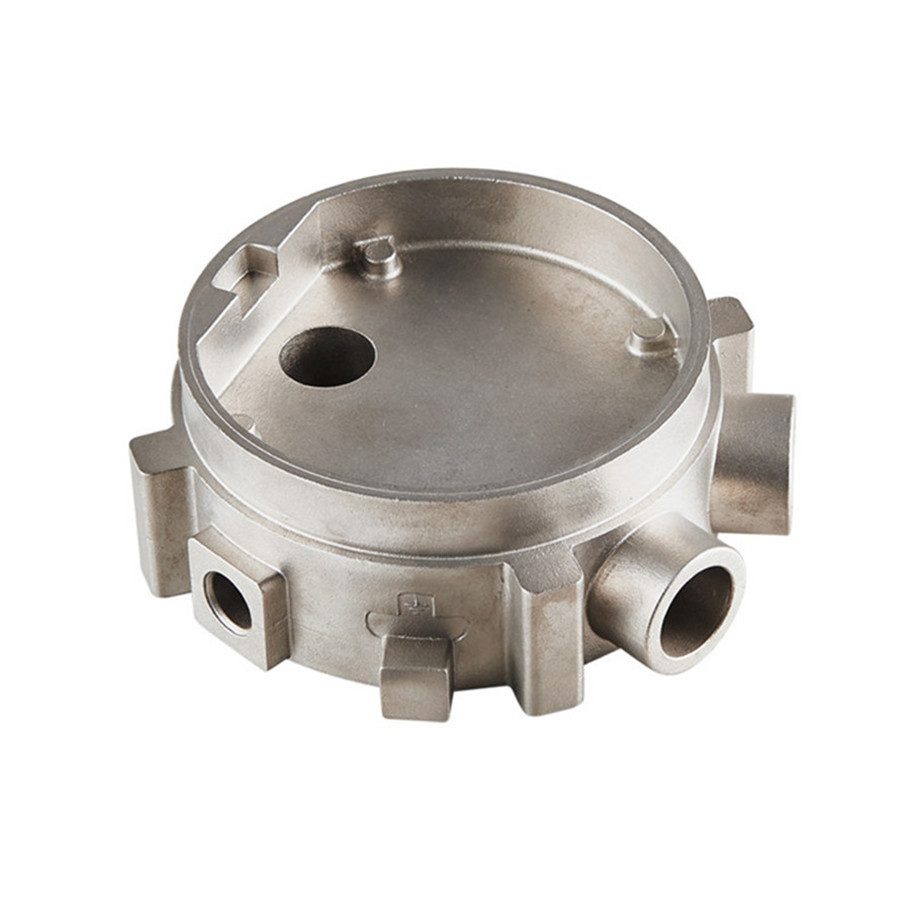
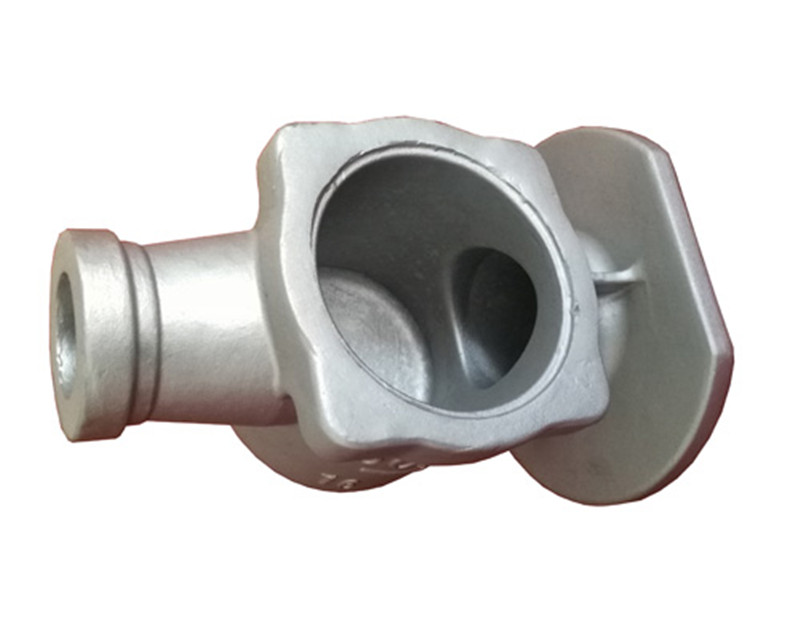
Some engineering vehicle components are produced through casting or forging before CNC milling is used to finish critical surfaces and dimensions.
Casting can accommodate complex shapes, while forging can provide useful mechanical properties for suitable component designs. CNC machining can then produce mounting faces, holes, slots, and other features that require more precise dimensions.
The choice between machining from solid stock, casting followed by machining, or forging followed by machining depends on geometry, mechanical requirements, production volume, and overall cost.
CNC milling offers several practical benefits for manufacturing customized mechanical components.
Dimensional consistency: Computer-controlled machining can reproduce specified dimensions across production batches when the process, tooling, and workholding are properly controlled.
Design flexibility: CNC milling can produce a wide range of shapes, holes, slots, pockets, and mounting features. This flexibility is useful for components designed around specific equipment configurations.
Suitable for custom production: CNC machining can support prototype development, replacement components, small batches, and larger production runs. The most economical approach depends on part complexity, setup requirements, and order quantity.
Compatibility with castings and forgings: Machining can be combined with other manufacturing processes to produce components that balance structural requirements with dimensional accuracy.
Controlled surface finishing: Appropriate machining operations can produce specified surface finishes on functional areas. The required finish depends on the component's application and should be clearly stated in the technical drawings.
These advantages depend on the manufacturing equipment, process planning, material selection, and quality management used for the individual project.
Successful CNC milled engineering vehicle parts begin with a clear understanding of the technical requirements.
First, define critical dimensions and tolerances. Mounting holes, connecting faces, and alignment features may require tighter tolerances than non-functional surfaces. Identifying these critical areas helps establish appropriate machining and inspection procedures.
Second, consider material machinability. Different metals require different cutting tools, machining parameters, and workholding arrangements. Material selection should balance mechanical performance with manufacturing feasibility.
Third, evaluate surface finish requirements. Components that contact seals, bearings, or other precision parts may need specific surface characteristics. These requirements should be identified before production rather than added after machining is complete.
Fourth, consider heat treatment and surface protection. Some components require heat treatment to achieve specified mechanical properties, while others may need protective coatings or other finishing processes. The sequence of machining and finishing operations should be coordinated according to the component design.
Finally, confirm the expected production quantity and delivery schedule. Prototype orders and replacement parts may require different production arrangements from high-volume manufacturing projects.
Quality control helps ensure that machined components conform to approved drawings and are suitable for their intended applications.
A clear inspection plan should identify material specifications, critical dimensions, tolerances, surface requirements, and any additional testing required by the customer.
Dimensional inspection may involve calipers, micrometers, gauges, coordinate measuring machines, or other suitable equipment. The inspection method should match the required accuracy and component geometry.
Material verification may also be necessary when strength, heat treatment, or corrosion resistance is important. For components with special mechanical requirements, buyers should specify the relevant material documentation and testing procedures.
Visual inspection can identify machining marks, burrs, surface damage, and other visible issues. Where applicable, additional inspection may be required for internal defects, special structural requirements, or safety-critical applications.
For repeat orders, approved drawings, documented specifications, and consistent acceptance criteria help reduce variation between batches. Buyers should confirm inspection capabilities and documentation with the supplier before production begins.
Selecting a suitable supplier for engineering vehicle parts involves evaluating technical communication, manufacturing arrangements, quality requirements, and delivery coordination.
Start by providing complete drawings or three-dimensional models. These documents should specify material grade, dimensions, tolerances, surface finish, heat treatment, and any required testing.
Next, discuss the supplier's experience with similar mechanical components. Relevant experience can help identify manufacturing challenges and determine whether the proposed process is suitable for the component.
It is also important to understand the complete manufacturing route. Some parts may require casting or forging before machining, while others can be produced directly from metal stock. Evaluating the entire process can help buyers compare cost, lead time, and technical suitability.
Before confirming an order, clarify inspection requirements, sample approval, packaging, shipping, and delivery schedules. For customized components, the responsibilities for drawing approval and design changes should also be established.
For international procurement, suppliers with established manufacturing relationships may provide flexibility when coordinating different types of metal parts. However, the actual machining capabilities, inspection arrangements, and production commitments should be confirmed for each specific project.
Hebei Mingda International Trading Company specializes in castings, forgings, and machinery parts. The company maintains close business relationships with manufacturers in major cities across China, supporting flexible coordination for different metal component requirements.
For customers sourcing engineering vehicle parts, the first step is to define the required component specifications and intended application. Drawings, material requirements, target quantities, machining details, and delivery expectations help clarify the project scope.
The company's focus on castings, forgings, and machinery parts provides a basis for discussing related metal component sourcing needs. Depending on the project, buyers can evaluate whether a component is better suited to casting, forging, machining, or a combination of manufacturing processes.
Clear communication about technical requirements and quality expectations is important throughout the sourcing process. Manufacturing capabilities, inspection arrangements, and delivery commitments should be confirmed according to the actual product and order requirements.
Whether you are sourcing customized mechanical components, replacement parts, or metal components for engineering equipment, careful requirement confirmation helps support a more organized procurement process.
Choosing suitable CNC milled engineering vehicle parts can help equipment manufacturers and maintenance providers meet their component requirements. From material selection and machining processes to dimensional inspection and delivery coordination, each stage should align with the approved technical specifications.
To help evaluate your project, prepare the following information when requesting a quotation:
Product drawings, CAD files, or 3D models
Material grade and mechanical requirements
Critical dimensions and tolerances
Surface finish and heat-treatment specifications
Required inspection and testing documentation
Estimated order quantity and future demand
Intended application and operating environment
Packaging requirements and expected delivery schedule
Providing complete project information helps clarify manufacturing requirements and supports a more accurate quotation.
Hebei Mingda International Trading Company welcomes inquiries related to castings, forgings, and machinery parts. Contact the company to discuss your engineering vehicle component requirements and explore suitable sourcing solutions for your industrial equipment projects.