Phone:
+86 18631189888

Email:
liyanhui@bestcastings.cn


When you stop and think about it, stainless steel stamping parts shape a surprising amount of our everyday world — from the cars we drive, to the medical devices we rely on. Globally, the demand for these precision parts is soaring, driven by industries racing toward more durable, cost-effective, and sustainable solutions. So understanding what a stainless steel stamping parts supplier does, and why their role is crucial, is more than an industrial curiosity; it’s a gateway into modern manufacturing’s backbone.
In real terms, working with a supplier who truly masters stainless steel stamping can mean the difference between a product that lasts decades and one that fails prematurely. That ripple effect touches everything — consumer safety, production costs, even environmental impact. That’s why it’s worth diving into what the term means, how suppliers operate, and why their work is pivotal worldwide.
Globally, stainless steel manufacturing contributes billions to economies—according to the World Bank, the global stainless steel market size was valued at about $130 billion in recent years, driven by infrastructure, automotive, and healthcare sectors. But here’s the kicker: the quality and reliability of stamped stainless parts hinge on the supplier’s expertise. A subpar supplier can derail entire production lines.
Moreover, the ISO certification in manufacturing quality (ISO 9001) is increasingly mandatory in this space, reflecting the growing need for reliable suppliers. Yet, challenges persist: from scaling production efficiently to meeting sustainability goals under tighter environmental regulations. This tension pushes cost-effective, versatile stainless steel stamping parts suppliers to innovate constantly.
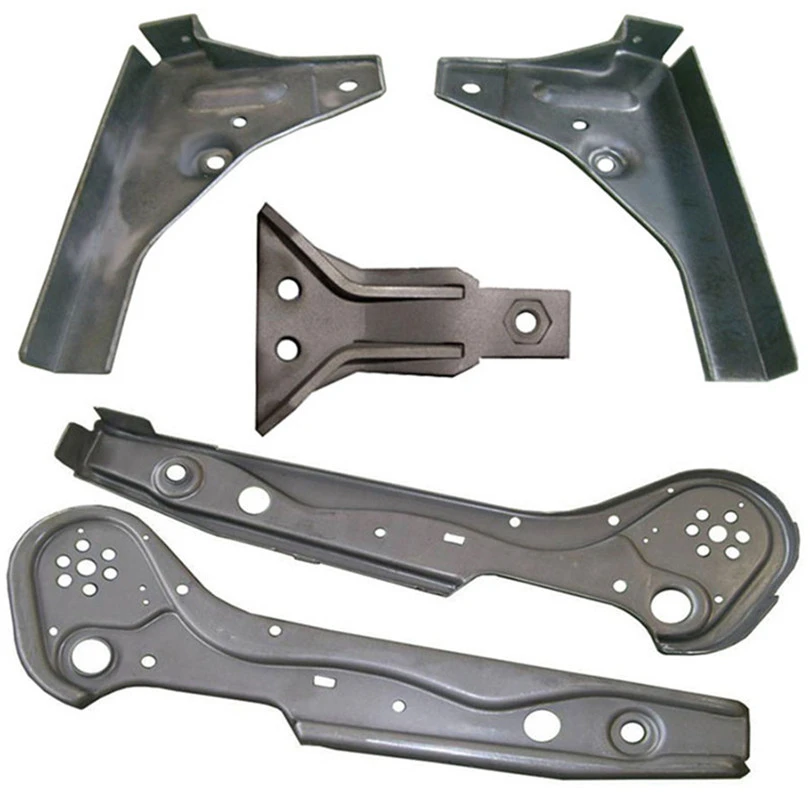
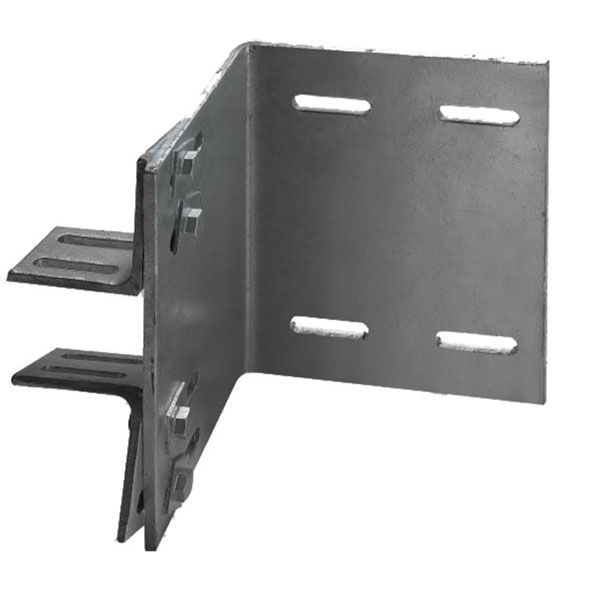
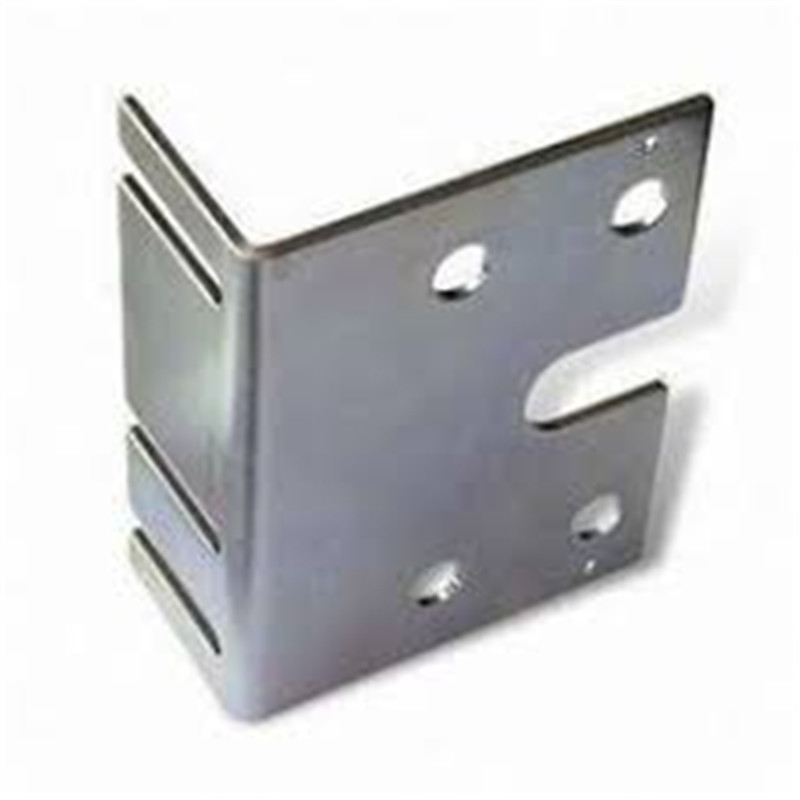
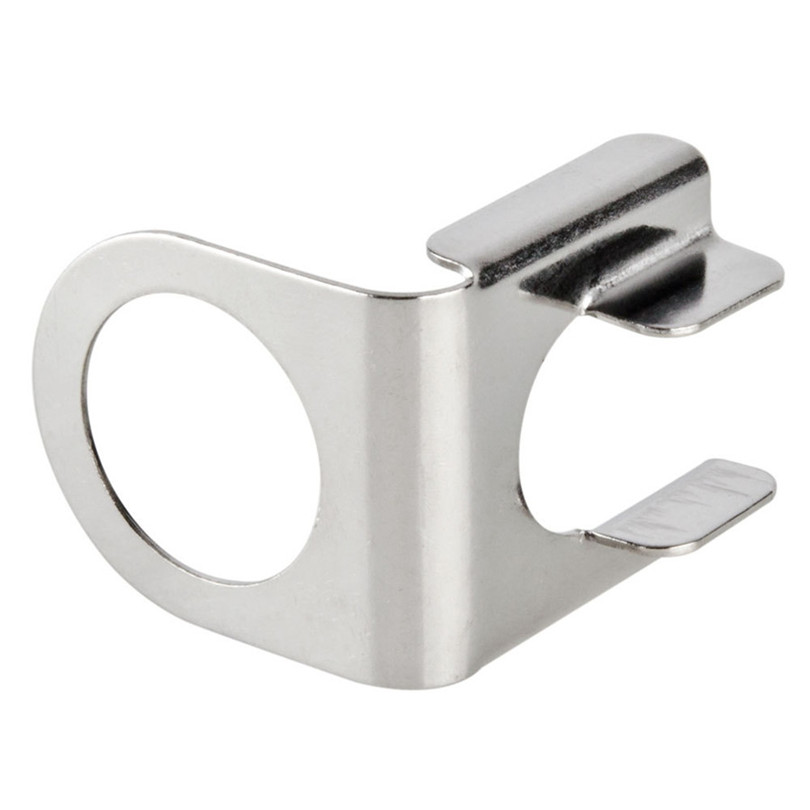
Simply put, a stainless steel stamping parts supplier is a manufacturer or provider specializing in creating metal components, specifically by stamping stainless steel sheets into precise shapes. This stamping can involve cutting, bending, or forming to meet exact specs demanded by industries ranging from automotive to medical instruments.
What’s neat is how these suppliers act as critical links. They transform raw materials — eco-conscious alloys, often with corrosion resistance and strength — into the parts that build bigger assemblies. Without them, mass production of vital equipment would grind to a halt. Plus, as humanitarian and industrial needs evolve, their ability to supply rapidly and reliably becomes even more vital.
Stainless steel’s hallmark is durability. A trusted supplier must use alloys that resist corrosion, temperature changes, and wear. Frankly, if parts crack or corrode prematurely, it causes safety headaches and financial loss.
Whether you need hundreds or millions of parts, your stainless steel stamping parts supplier should handle volume fluctuations smoothly. Agile production lines, automation, and solid supply chain links are key.
The ability to deliver precise stamped parts without overcharging is a competitive edge. Sometimes less expensive materials compromise quality — the best suppliers strike balance, maximizing material usage and minimizing waste.
Stamping isn’t just pushing metal through a die; it’s an art backed by engineering know-how. Suppliers need to understand product requirements, tolerance limits, and finishing treatments like passivation.
Every client’s needs vary. The best suppliers offer flexible design options, fast prototyping, and revision capabilities — facilitating innovation or compliance with specific regulations.
| Specification | Typical Values | Application |
|---|---|---|
| Material Grade | 304, 316, 430 | Corrosion resistance, strength |
| Thickness Range | 0.1 – 6.0 mm | From fine components to heavy-duty parts |
| Tolerance | ±0.01 mm – ±0.1 mm | Precision critical to fit and function |
| Surface Finish | Mirror polish, brushed, passivated | Aesthetic & corrosion resistance |
Oddly enough, in remote industrial zones like mining operations in Australia or infrastructure projects in Africa, the reliability of stamped parts means fewer interruptions — a silent but significant advantage.
Take a moment, and you’ll see that choosing the right stainless steel stamping parts supplier translates directly into safety, trust, and innovation. Cost-savings come from fewer recalls and less downtime. Plus, sustainability gains emerge as premium suppliers optimize material use and reduce waste — aligned with ISO 14001 environmental standards.
For communities, reliable parts mean infrastructure and equipment that perform under harsh conditions, preserving dignity and ensuring function. Engineers often tell me it’s the confidence in their supplier that keeps projects moving, reduces stress, and nurtures collaboration across borders.
The future points toward greater automation — robotic stamping increases precision and consistency. Add in digital twins and AI-driven quality control, and suppliers can forecast maintenance needs and optimize designs faster than ever.
Moreover, sustainability is reshaping material sourcing: bio-based lubricants in stamping, upcycled stainless steel, and integrating green energy into manufacturing lines. It feels like we’re at the cusp of a manufacturing renaissance that blends traditional skills with innovative tech.
Common challenges include supply chain disruptions, rising raw material costs, and increasing technical demands. Suppliers overcome these by diversifying sources, investing in R&D, and maintaining close client communication.
Innovations like modular die sets speed up tooling adjustments, while closer collaboration on design-for-manufacture principles helps prevent costly mistakes on the shop floor.
| Feature | Supplier A | Supplier B | Supplier C |
|---|---|---|---|
| ISO Certification | ISO 9001, ISO 14001 | ISO 9001 only | ISO 9001, AS9100 |
| Production Capacity (Monthly) | 500K units | 200K units | 350K units |
| Customization Services | Full prototyping & revisions | Limited customization | Advanced tooling options |
| Lead Time | 2-4 weeks | 3-6 weeks | 1-3 weeks |
Understanding the capabilities and roles of a stainless steel stamping parts supplier is not just about ticking boxes on specs. It feels like tapping into a network of expertise, precision, and trust that supports cutting-edge industries and essential infrastructure worldwide.
Choosing wisely means better product performance, sustainability achievements, and peace of mind — factors that add up to lasting value. If you’re ready to explore dependable stainless steel stamping solutions, I’d recommend checking out stainless steel stamping parts supplier options with strong track records and flexible services.
Sometimes, the parts you don’t see make all the difference.
References:
1. World Bank Industry Overview: Stainless Steel Market
2. ISO 9001 and ISO 14001 Standards – International Organization for Standardization
3. AS9100 Aerospace Standard – Quality Management Systems