Phone:
+86 18631189888

Email:
liyanhui@bestcastings.cn


THE BUYER'S GUIDE / SELECTION
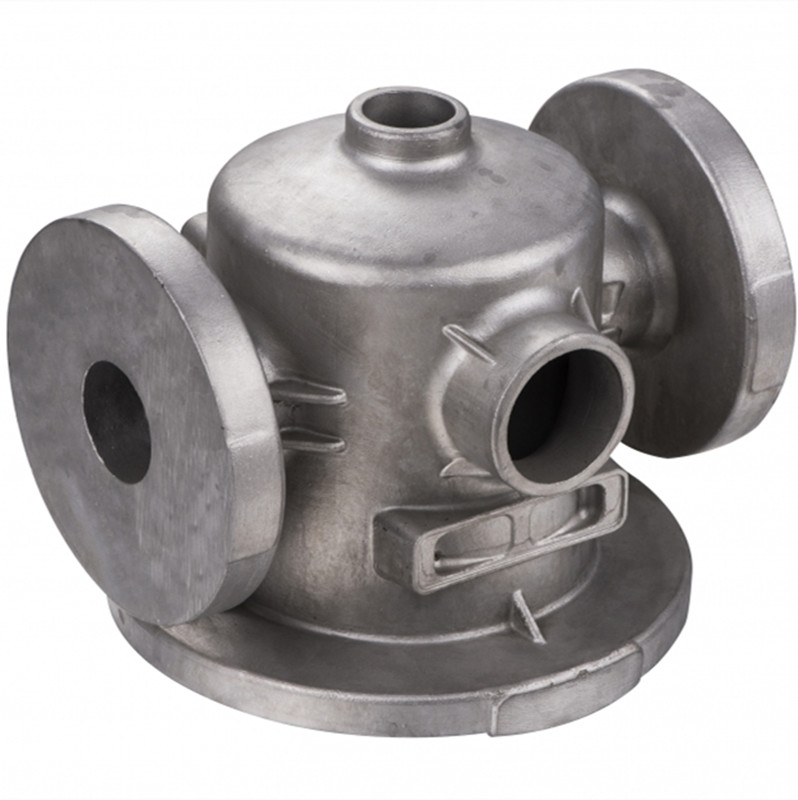
A buyer-focused guide to choosing a cast iron casing, using Hebei Mingda International Trading Company.'s confirmed product information for its Cast iron engine casing. It covers cast iron types, casting process selection by tolerance and quantity, machining and sub-assembly needs, and the information buyers should confirm before ordering. It makes no claims about prices, lead times or certifications.
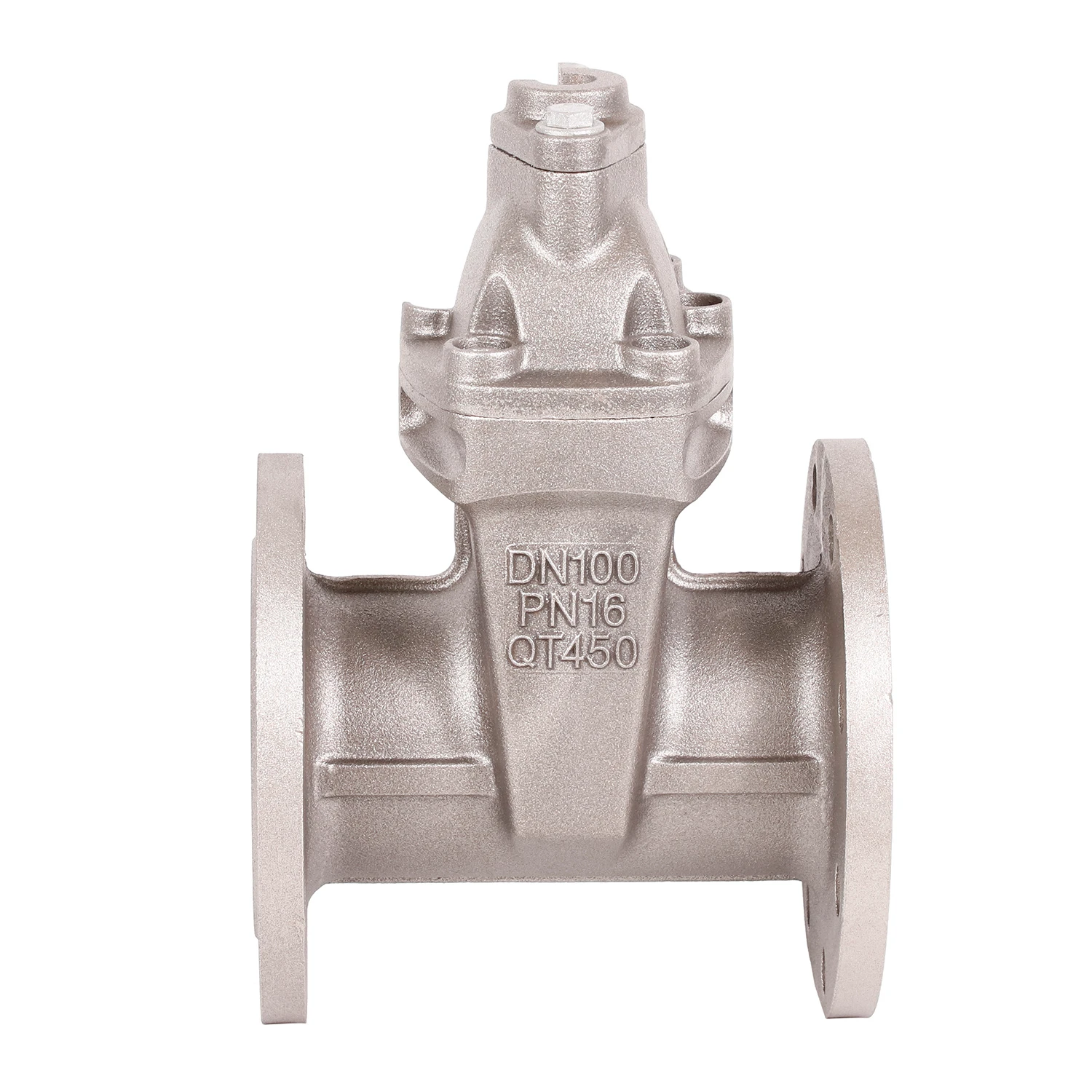
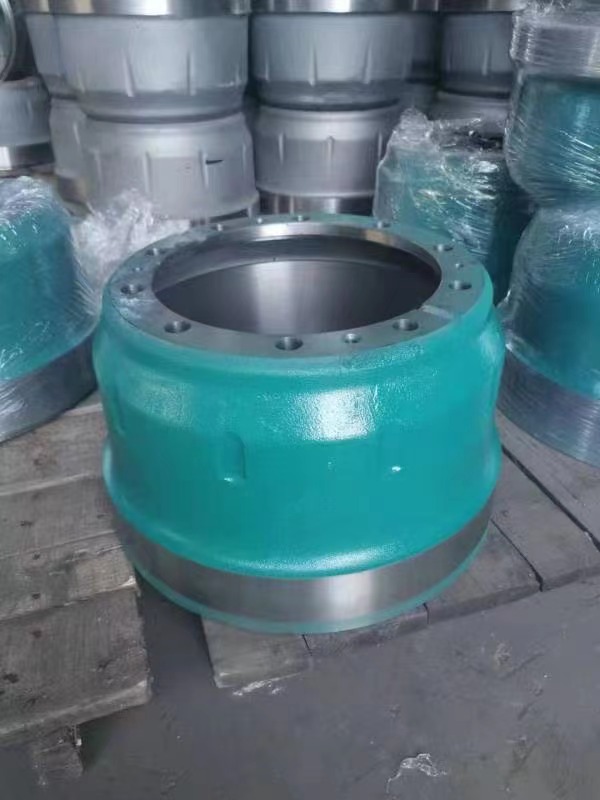
Application fit: the supplier says its castings are mainly used for valves, hydrants, pumps, trucks, railway and train applications; check that your use falls within this scope
Cast iron type: choose between grey (flake graphite) and ductile/nodular (spherical graphite) iron based on the mechanical properties required; the source says nodular iron's mechanical properties are higher than gray and malleable iron
Casting process: sand casting, lost foam, vacuum moulding, resin sand, hot core box or lost-wax, chosen according to tolerance and order quantity
Drawing-based production: parts are made to customer drawings, so tolerances and critical features must be defined by the buyer
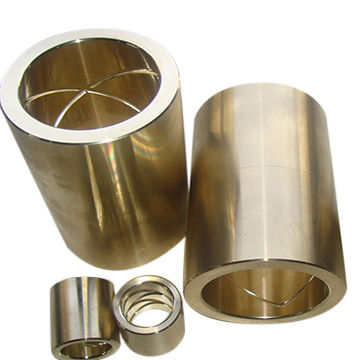
Machining and assembly: raw or machined castings, CNC turning/milling, surface grinding, secondary processing and sub-assembly
Unconfirmed items: dimensions, grade, pressure/temperature ratings, certifications, prices and lead times must be confirmed separately
A cast iron casing is usually made to a customer's drawing, so you can't pick one from a standard catalog table. The useful approach is to set out your own requirements first and then check whether the supplier's casting methods and machining options match them.
Before you ask for a quote, write down:
Cast iron is an iron-carbon alloy with more than 2.11% carbon (generally 2.5–4%). Iron, carbon and silicon are the main elements, and it contains more manganese, sulfur, phosphorus and other impurities than carbon steel. Alloying elements are sometimes added to improve mechanical, physical or chemical properties. The result is called alloy cast iron.
The product information describes these main types:
| Type | Graphite / carbon form | Notes from source material |
|---|---|---|
| Gray cast iron | Flake graphite; dark gray fracture | The baseline for comparison below |
| Malleable cast iron | Flocculent graphite, made by long high-temperature annealing of certain white cast iron | Mechanical properties, especially toughness and plasticity, are higher than gray cast iron |
| Nodular (ductile) cast iron | Spherical graphite, made by spheroidizing treatment before pouring | Mechanical properties are higher than gray and malleable iron, and the production process is simpler than malleable iron |
| White cast iron | Carbon present as cementite; silver-white fracture | Mainly used as raw material for steelmaking and as blanks for malleable iron |
| Hemp (mottled) cast iron | Mix of graphite and free cementite | Greater hardness and brittleness; rarely used in industry |
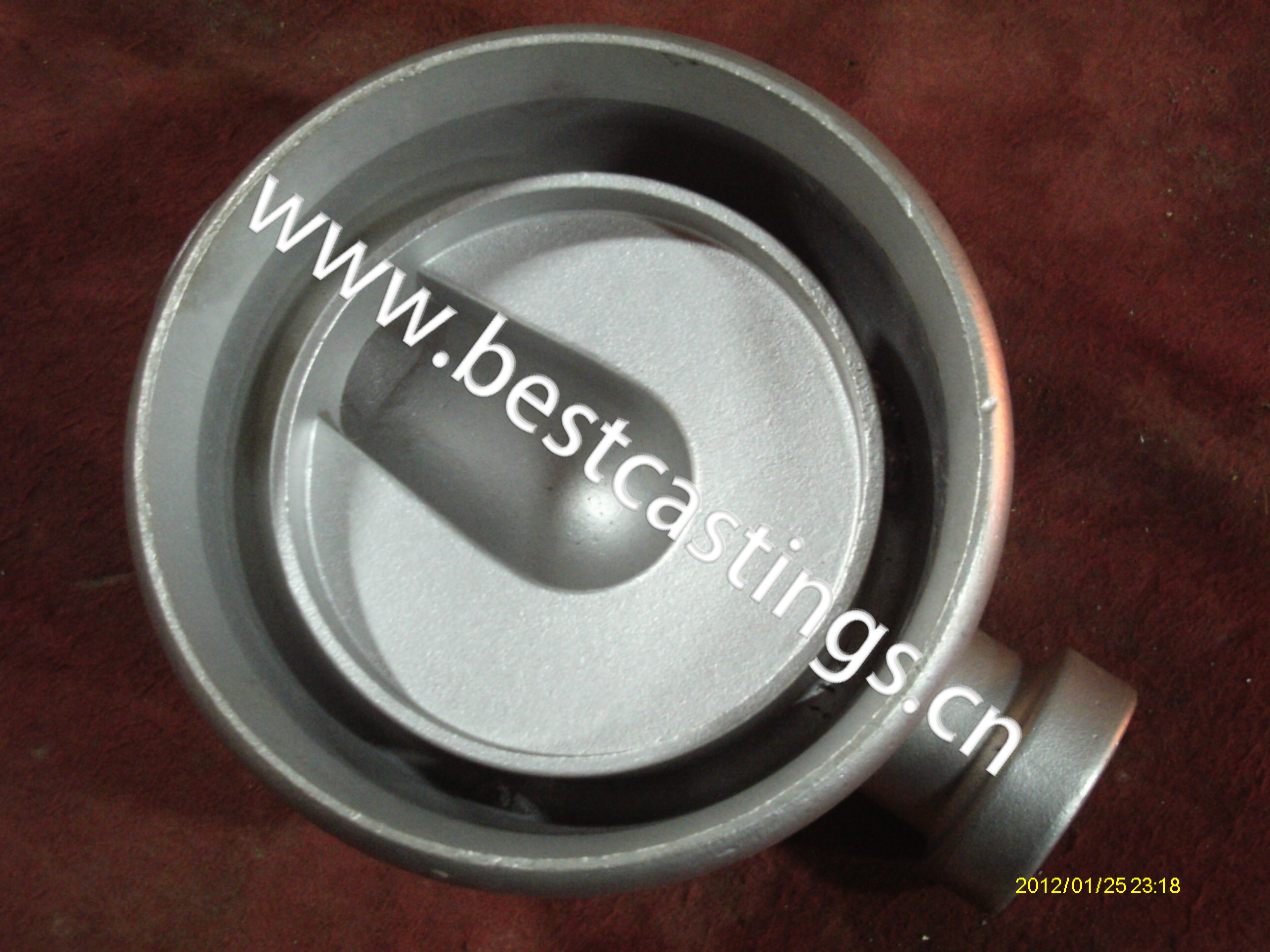
For a cast iron casing, the practical choice is usually between grey iron and ductile iron, since these are the raw casting materials the supplier lists. Pick the grade from your engineering requirements and state it on the drawing. The source material does not give a grade, a strength value or a pressure rating for the Cast iron engine casing.
The supplier lists several moulding methods:
Because the moulding method is chosen according to tolerance and quantity, give both when you ask for a quote. Then ask the supplier which process it proposes and why.
Many iron casings need machined faces, bores or threads. The supplier offers CNC turning, CNC milling, surface grinding and CNC engraving, and supplies machined castings as well as raw castings. It can also do secondary processing and sub-assembly after production. If you want a finished part rather than a raw casting, mark the machined features and the assembly scope clearly on the drawing.
The 1mm–300mm part size range in the source material applies to CNC-machined parts in aluminum, alloy steel, stainless steel, brass and plastic. It is not a confirmed size range for cast iron casings.
If your requirements match this profile, send your drawing and the checklist above to Hebei Mingda International Trading Company. and ask for a process recommendation for your cast iron casing.
THE PEOPLE

About the author
THE COMPANY
Hebei Mingda International Trading Company is a trading company which is specialized in castings, forgings and machinery parts. We have deep business interaction with manufactures in major cities of China, so we are quite flexible and confident to be any kind of casting products to be able to meet our customers’request on quanlity and delivery time. Hebei Mingda International Trading Company is working as specialized company in the field of all kinds of castings.
About Us ↗Visit company website ↗YOUR NEXT STEP
Use case, specification, quantity and delivery window: make the next conversation specific.