Phone:
+86 18631189888

Email:
liyanhui@bestcastings.cn


Having spent a fair chunk of my career elbow-deep in plumbing systems and industrial fittings, I’ve developed a sort of appreciation for the humble brass parts that keep everything flowing smoothly. China brass plumbing parts, in particular, have shifted the industry landscape in quite a few interesting ways — some good, some worthy of a discerning engineer’s eye.
Brass plumbing components from China have become increasingly popular because, frankly, they strike a balance between cost-efficiency and quality. It feels like manufacturers there have embraced tight tolerances and refined alloys, making brass parts that withstand corrosion and mechanical stress better than before. Many engineers I've worked with often highlight the versatility of Chinese brass fittings, especially in high-pressure and hot water environments.
One thing to keep in mind, however, is the variation in quality standards. China’s manufacturing environment contains everything from artisanal workshops to massive, ISO-certified factories. This is why it’s crucial to look for suppliers who test rigorously — like those who adhere to ASTM B16/B62 standards — and who can back up their claims with traceable quality certifications.
Brass alloys typically combine copper, zinc, and sometimes small amounts of lead or tin. In plumbing, lead content has steadily dropped as regulations got stricter — which is definitely a good thing. From what I’ve seen, the best China brass parts use low-lead or lead-free formulas, which comply with international potable water standards. This makes them safer for residential and commercial installations.
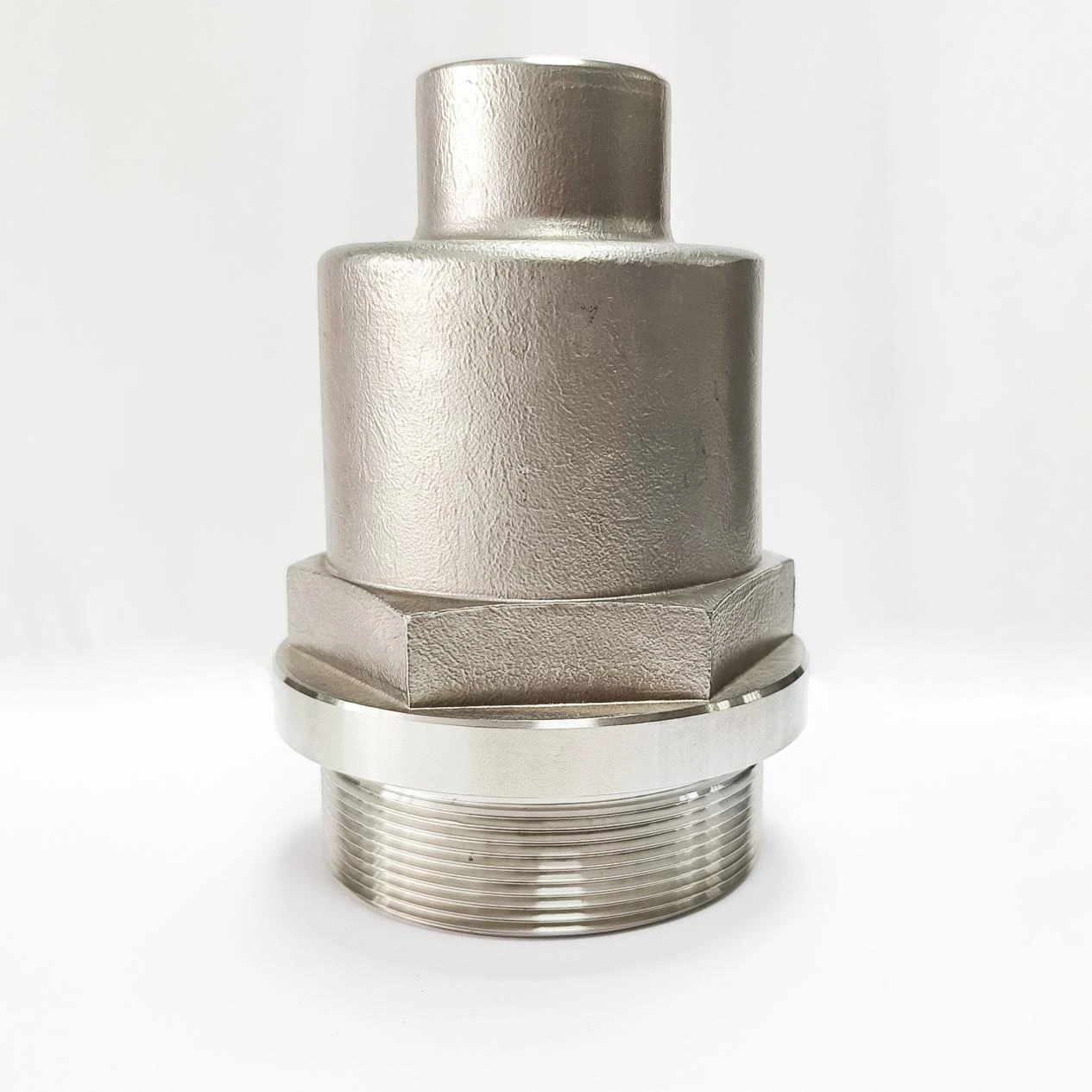
Design-wise, the engineering behind these parts is no joke. Whether it’s compression fittings, threaded couplings, or valves, the precision of the threads and seals feels remarkably consistent now — at least with reputable vendors. The parts not only fit reliably but also resist scale buildup and corrosion, which you know is key when long-term reliability matters.
| Specification | Detail |
|---|---|
| Material | High-quality Brass Alloy (CuZn35), Low Lead |
| Standards Compliance | ASTM B16/B62, NSF/ANSI 61 |
| Surface Finish | Nickel Plated or Chrome Plated Options |
| Operating Temperature | -10°C to 120°C (14°F to 248°F) |
| Pressure Rating | Up to 16 bar (232 psi) |
| Customization | Available for Volume Orders (Thread types, dimensions) |
| Vendor | Certifications | Lead Time | MOQ | Customer Reviews |
|---|---|---|---|---|
| Mingda Metals | ISO 9001, NSF/ANSI 61 | 2-3 weeks | 100 pcs | Consistently Positive |
| Vendor B | ISO 9001 | 3-5 weeks | 500 pcs | Mixed |
| Vendor C | None disclosed | 1-2 weeks | 50 pcs | Variable Quality |
If you’re sourcing brass plumbing parts for your next project, I’d say it pays off to check out China brass plumbing parts from established factories with proper certification. I once helped a contractor who struggled with premature corrosion—switched to certified China brass fittings, and the difference lasted through some pretty harsh winter freeze-thaw cycles.
Customization can also be a lifesaver if you’re trying to fit into non-standard piping sizes or want a specific plating finish. Mingda Metals and similar vendors often handle these volume orders, making them worth a shout if you’re working with a high-demand schedule.
Ultimately, these parts are the unsung heroes in plumbing systems. They might not get the spotlight, but they contribute massively to system longevity and safety. I suppose it’s a reminder that in industrial equipment, subtle detail matters just as much as the big machines.
References: