Phone:
+86 18631189888

Email:
liyanhui@bestcastings.cn


China Aluminium Pressure Die Casting is a key solution in the industry, specifically within manufacturing sectors requiring high-strength, lightweight parts. This article explores how https://www.mingdametals.com supports professionals with durable, high-performance products, and explains why this product is an ideal choice for businesses in these sectors.
At its core, China Aluminium Pressure Die Casting is a manufacturing process where molten aluminium is injected at high pressure into a steel mold. It’s a fascinating technique that's pivotal in producing complex, high-precision parts with excellent surface finishes. This process is especially renowned for efficiency, repeatability, and strength-to-weight advantages.
Technically speaking, it uses pressures up to 2000 bar to force aluminium into the die, allowing for thin walls and intricate geometries impossible with traditional casting. The alloy compositions typically used, like A380 or ADC12, offer a balanced mix of hardness, corrosion resistance, and thermal conductivity. For example, a Mingda Metals case study showed their lightweight engine parts withstand intensive thermal cycling without fatigue — which is not trivial!
| Specification | Typical Values |
|---|---|
| Material Alloy | Aluminium A380 / ADC12 |
| Casting Pressure | 800 - 2000 bar |
| Typical Wall Thickness | 1.5 - 4 mm |
| Tensile Strength | 220 - 350 MPa |
| Production Volume | Thousands to millions per year |
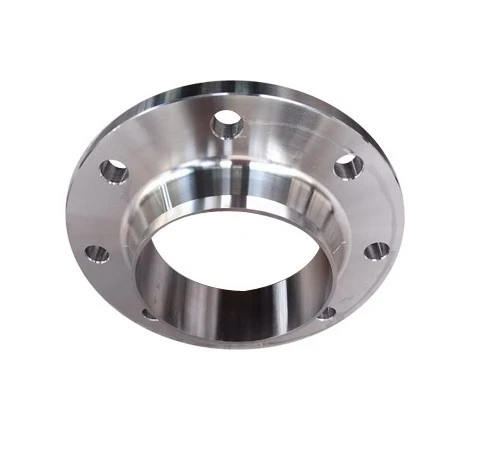
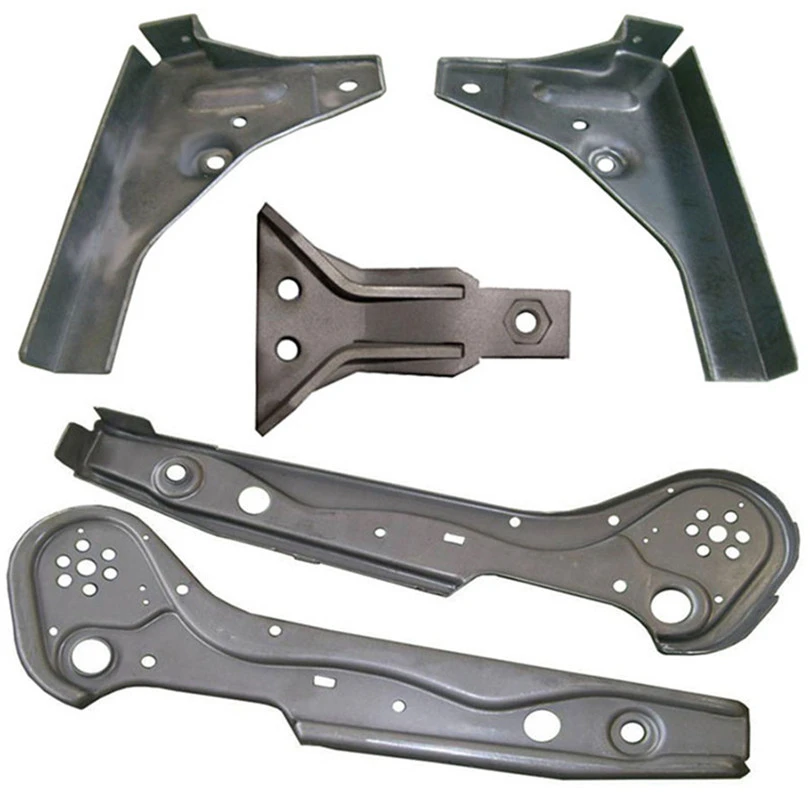
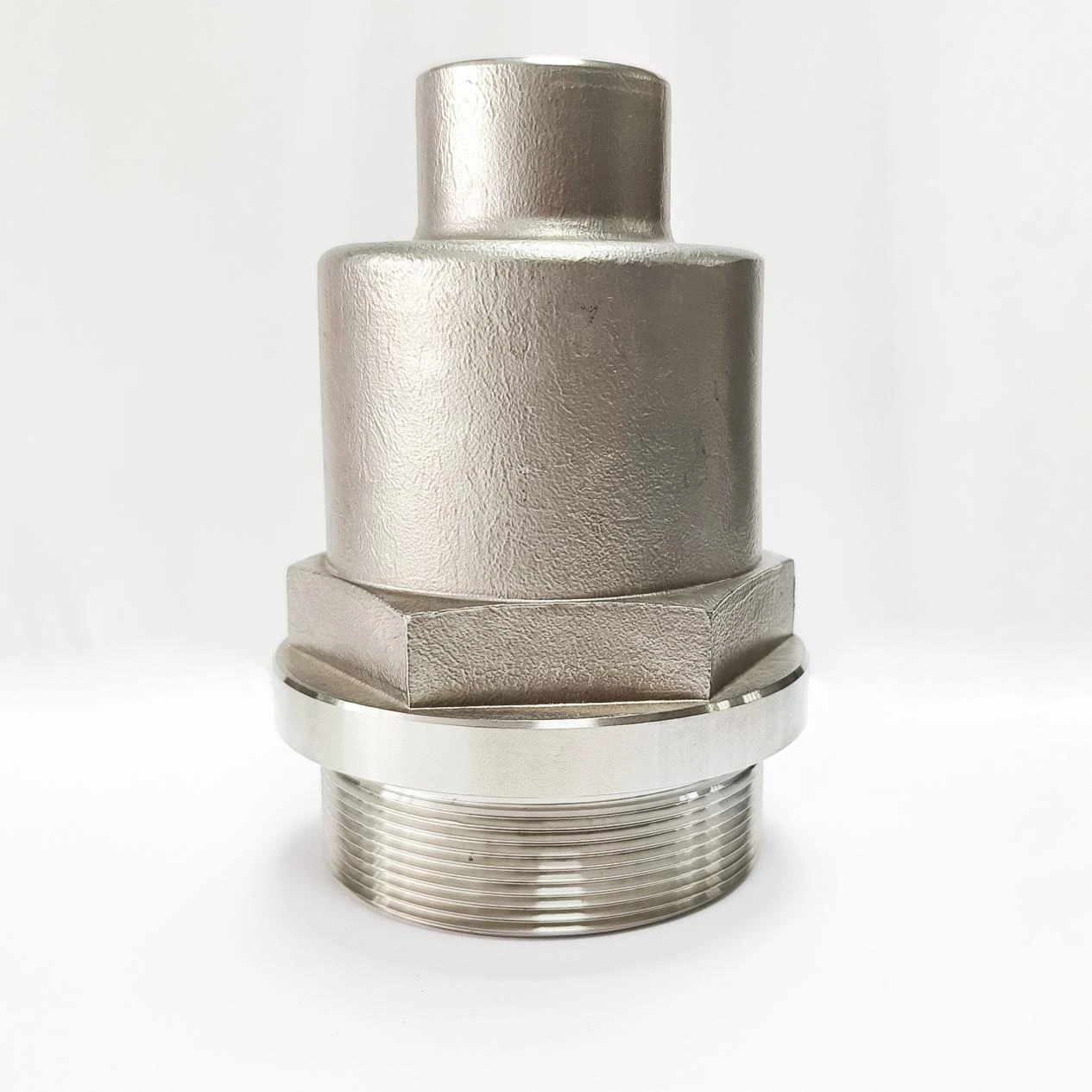
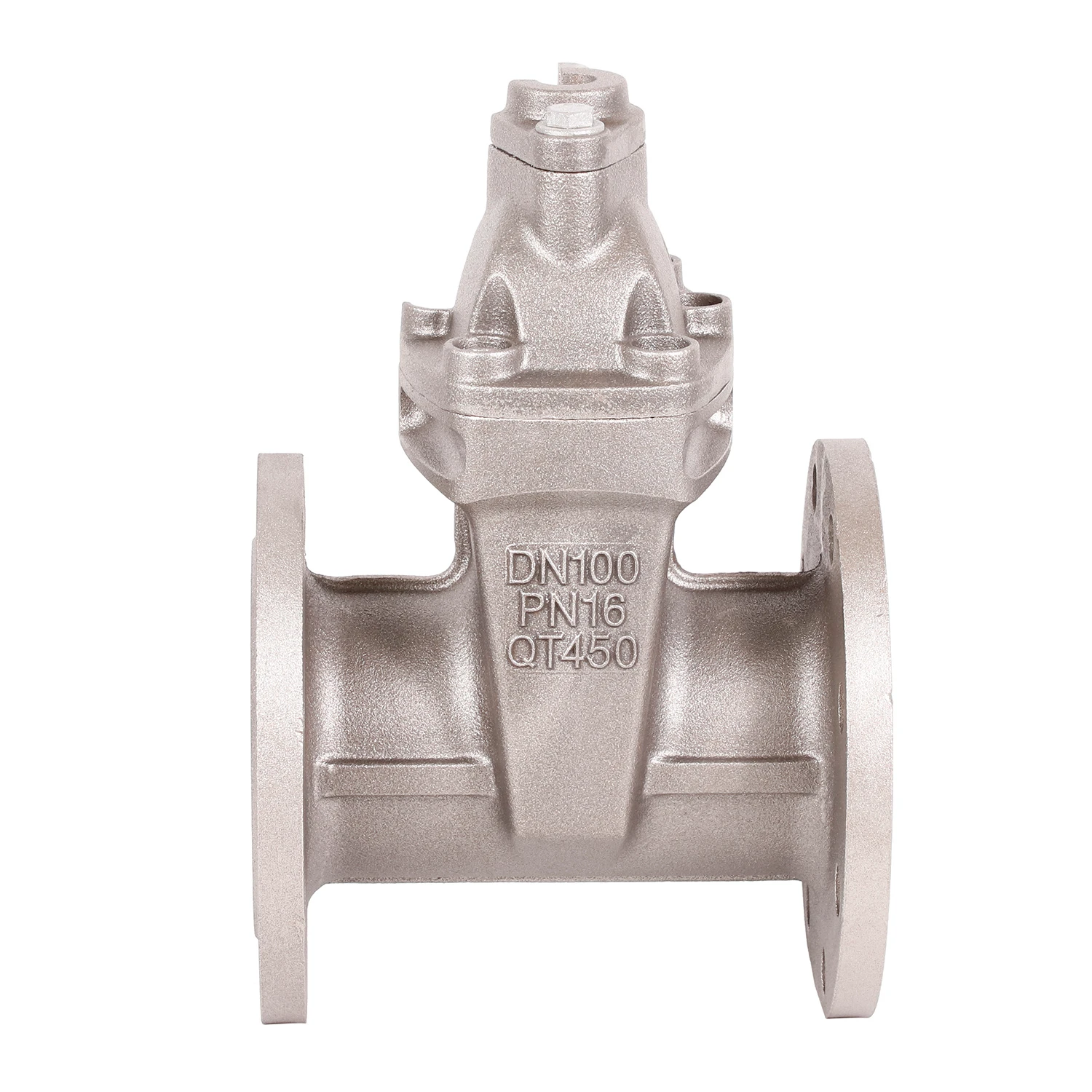
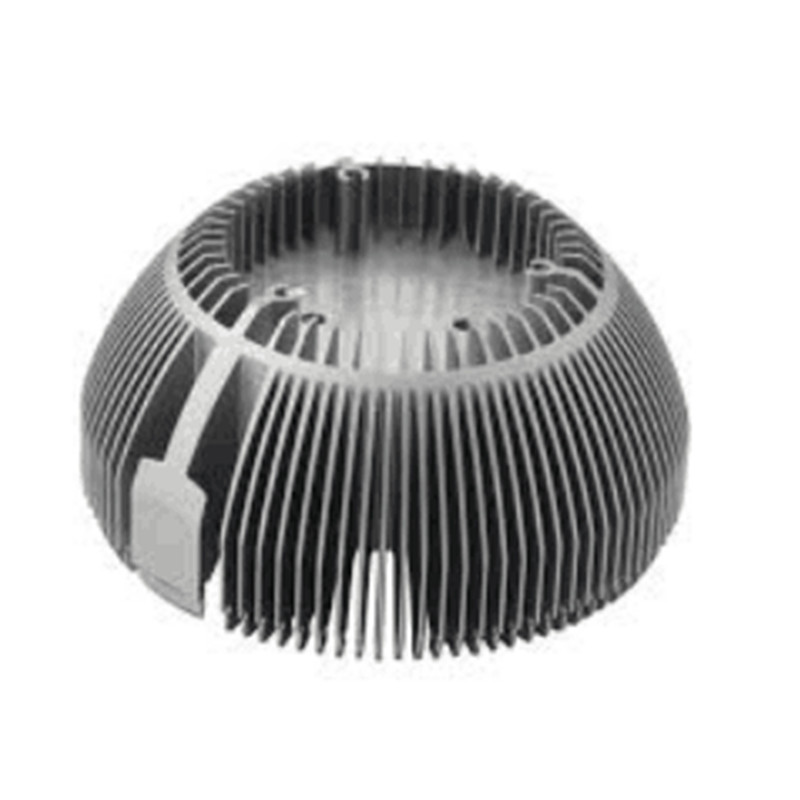
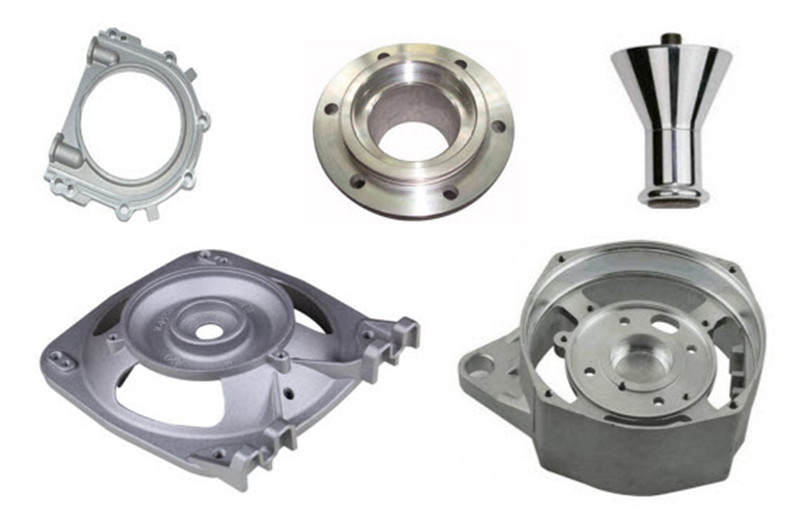
In terms of real-world applications, this technology really shines in automotive, aerospace, and electronics industries. The demand for lightweight yet strong components isn’t just a buzzword — it’s essential for improving fuel efficiency or reducing power consumption. Mingda Metals’ products, for instance, are used in engine blocks, transmission cases, heat sinks, and electronic enclosures where precise tolerances matter.
What I find quite exciting is the competitive edge: superior dimensional accuracy reduces costly machining post-processes, and the short cycle times help manage large-volume orders efficiently. Plus, aluminium's natural corrosion resistance means end products last longer without significant maintenance. To sum up, it addresses quality, cost, and sustainability concerns — a trio B2B decision-makers often juggle.
Looking at the bigger picture of total cost of ownership, China Aluminium Pressure Die Casting impresses with its long-term ROI. When you first factor in the upfront die costs and tooling setup, it can seem substantial. But frankly, when amortized over large production runs, these costs become marginal — especially when you consider the reduced scrap rates and fewer secondary operations.
Customers frequently highlight the durability and reliability of Mingda’s castings in harsh environments. One client in the automotive sector emphasized how switching from traditional sand casting to pressure die casting allowed for higher throughput and less downtime. Also, the lightweight parts lowered fuel consumption — a win not just economically but also from an environmental standpoint.
| Feature | Mingda Metals | Competitor A | Competitor B |
|---|---|---|---|
| Lead Time | 4-6 weeks | 6-8 weeks | 5-7 weeks |
| Minimum Order Qty | 500 pcs | 1000 pcs | 800 pcs |
| Customization | High (CAD & Prototype Support) | Medium | Medium |
| Quality Certification | ISO9001, IATF16949 | ISO9001 | ISO14001 |
Sustainability is no longer just a corporate buzzword — it’s a driving force shaping how materials like aluminium are sourced and processed. Aluminium’s natural recyclability makes China Aluminium Pressure Die Casting an environmentally savvy choice. Recycled aluminium requires up to 95% less energy to produce than primary aluminium, significantly reducing carbon footprints.
Industry regulations are tightening, and manufacturers are responding by prioritizing materials and processes that comply with evolving standards, such as REACH and RoHS. From what I gather, Mingda Metals is actively investing in cleaner technologies and process optimizations — an encouraging sign that they’re not just chasing volume but responsible growth.
In summary, China Aluminium Pressure Die Casting remains a cornerstone for industries demanding precision, strength, and efficiency. Whether your business focuses on automotive parts or electronic housings, the blend of technology, scalability, and sustainability here is truly compelling.
Ultimately, staying updated on production technologies like pressure die casting is crucial for B2B leaders — it often means the difference between costly delays and smooth project delivery.
References:
1. Mingda Metals Technical Datasheets
2. Industry Reports on Aluminium Casting Trends, 2023
3. Client Testimonials from Automotive Sector