Phone:
+86 18631189888

Email:
liyanhui@bestcastings.cn
Having spent quite a few years wandering the floors of industrial manufacturing plants and consulting on various equipment sourcing projects, I’ve gathered some thoughts on one niche topic that doesn’t get enough air time: china hydrant castings.
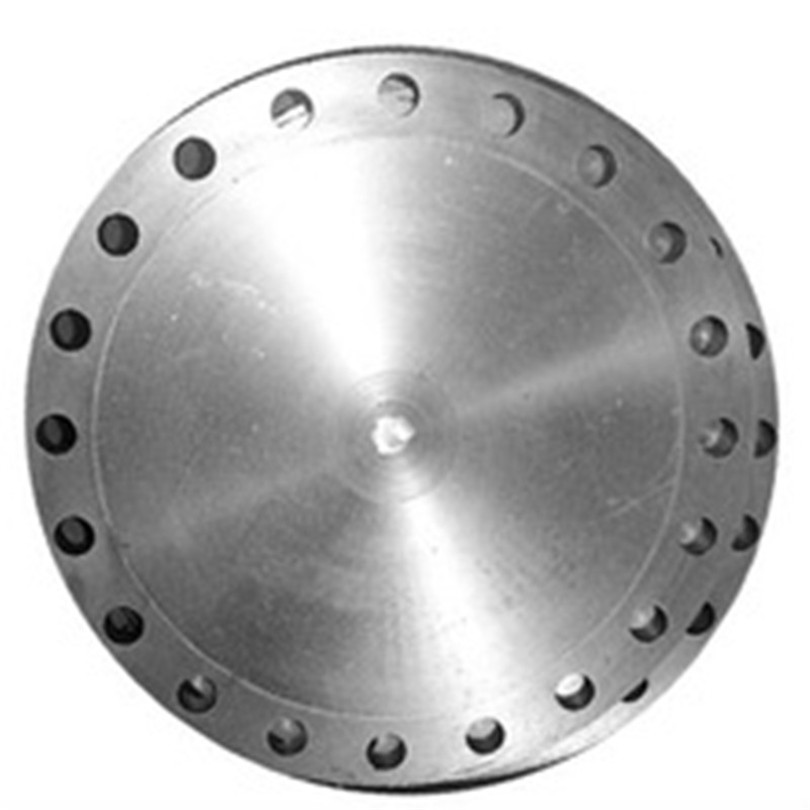
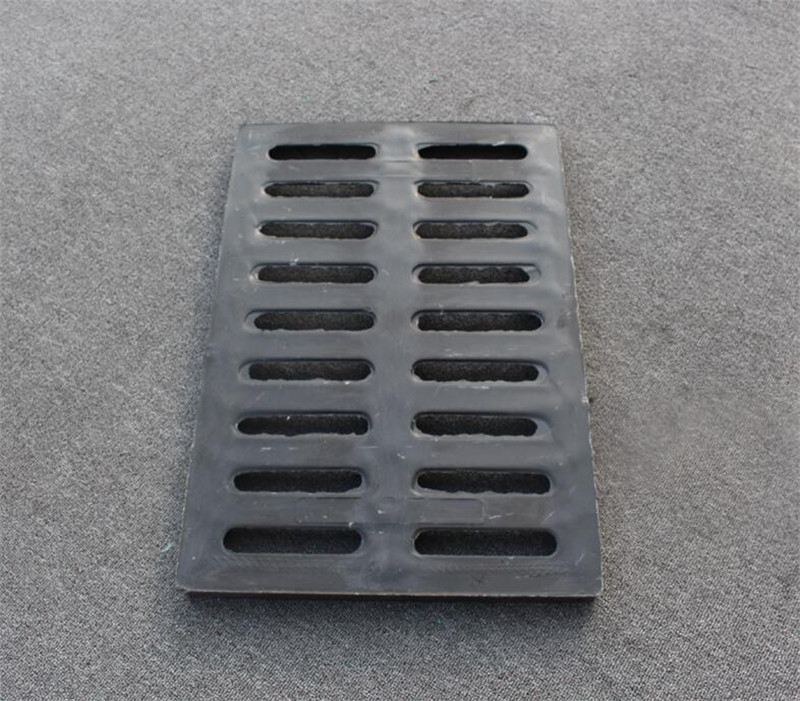
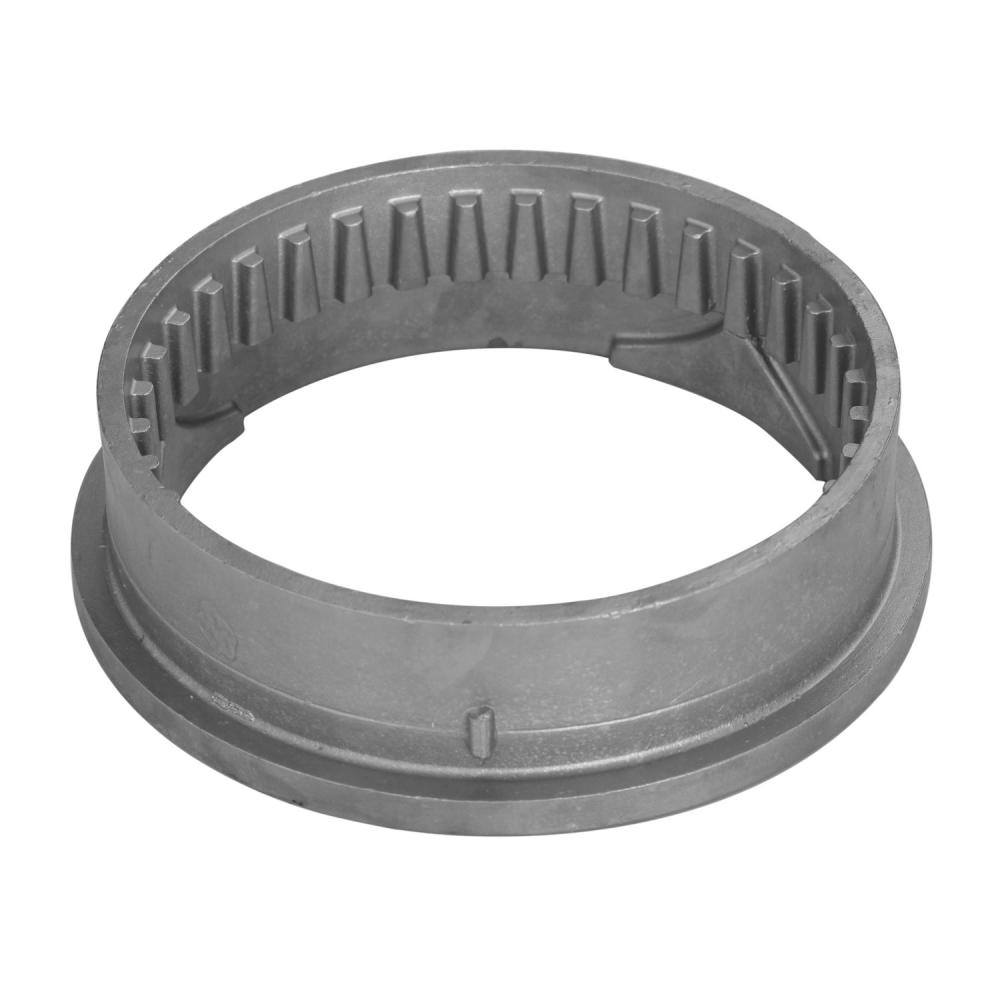
Hydrant castings themselves are, frankly, a foundational part of fire safety infrastructure. If you’ve ever paused to look at a fire hydrant, that bulky, iron-clad body is often a product of rugged casting processes designed to withstand considerable mechanical stress and harsh environmental conditions. China has become a dominant player in this market sector — and for good reasons.
First off, the types of materials typically used: ductile iron, often treated with anti-corrosive coatings to resist rust (because who wants a hydrant that crumbles after a few seasons?). The casting process for these components, usually sand casting — sometimes shell molding — helps achieve structural integrity and precise dimensions. I’ve noticed that many Chinese manufacturers have stepped up their game with advanced melting and pouring control, plus increasingly tight quality tests.
Speaking of testing, this is where things get interesting and sometimes a bit tricky. Vendors in China often provide test certificates in compliance with standards like EN 545 or AWWA C502. But, in real terms, it's always smart to request samples and—if possible—perform in-house verification, especially if these castings are destined for critical infrastructure. I recall one small local municipality that opted for cheaper hydrant castings without thorough testing. A year later, corrosion issues popped up — bad scene.
That said, the customization options China hydrant casting suppliers offer are impressive. You can request different flange configurations, thread sizes, or even special coatings depending on your project’s environment (coastal humidity, industrial pollution, you name it). Oddly enough, while there’s a stereotype about “bulk orders only,” I’ve seen smaller batches forged with decent turnaround times if you cultivate the right contacts — a tip for anyone venturing into this market.
| Specification | Typical Values |
|---|---|
| Material | Ductile Iron (QT800-2 or 65-45-12) |
| Casting Method | Sand Casting or Shell Molding |
| Compliance Standards | EN 545, AWWA C502, ISO 9001 certified processes |
| Coating | Epoxy, Bituminous, or Zinc Primer options |
| Typical Weight Range | 20–60 kg depending on model |
| Customization | Available on flanges, threading, paint, and packaging |
| Vendor | Certifications | Lead Time | MOQ | Customization |
|---|---|---|---|---|
| Mingda Metals | ISO 9001, EN 545 | 4-6 weeks | 500 pcs | Flanges, Coatings, Threading |
| Zhejiang Hydraulics | ISO 9001 | 6-8 weeks | 1000 pcs | Limited |
| Shanghai Ironworks | EN 545 | 5-7 weeks | 700 pcs | Standard only |
All in all, when sourcing china hydrant castings, it's essential to weigh your priorities: cost, compliance, and customization. I’ve found Mingda Metals consistently provides a sweet spot between competitive pricing and trustworthy certifications. For those on the ground who need a reliable partner, it feels like a safe bet.
One more anecdote before I close — a colleague once told me about a factory that decided to bypass international standards to save costs. The resulting hydrants reportedly failed pressure tests shortly after installation. Avoiding headaches like that starts with asking the right questions and verifying those certifications, I suppose.
In my experience, while China dominates in volume, anyone dealing with hydrant castings should approach vendor relationships with scrutiny and a touch of patience. The devil's in the details, as always.
Hope this little rundown helps if you're navigating the waters of fire safety equipment procurement. Cheers to safer cities and smarter buying!
---
References:
1. EN 545: Ductile iron pipes, fittings, accessories and their joints for water pipelines – Requirements and test methods.
2. AWWA C502-19: Dry Barrel Fire Hydrants Standard.
3. Mingda Metals official product and testing documentation (https://www.mingdametals.com).