Phone:
+86 18631189888

Email:
liyanhui@bestcastings.cn
If you’ve ever glanced at the complex web of pipelines, machinery, or massive industrial systems, you might not have realized the silent role played by a simple yet crucial component: the cast flange. It’s easy to overlook, but this part holds together the fabric of infrastructure worldwide — from oil refineries in the Middle East to drinking water systems in urban Asia. Understanding cast flanges is more than a metalhead’s obsession; it’s a global story of reliability, safety, and engineering precision.
Globally, the infrastructure sector is expanding rapidly. According to the International Organization for Standardization (ISO), adherence to quality components like cast flanges can reduce system failures by up to 30%. This matters for economies, safety standards, and the environment alike.
Infrastructure projects are booming worldwide, with billions poured into energy, transportation, and water management. The World Bank reports that global infrastructure investment must reach $94 trillion by 2040 to keep up with demand. Flanges might be just a piece of these massive systems, but their quality and durability can ripple through the entire project’s success or failure.
Yet, there are challenges: material shortages, increasing demand for eco-friendly products, and the push for automation. Cast flanges strike a balance by offering durability and adaptability in the face of such pressures. Without robust connections, pipelines risk leaks, machinery suffers from downtime, and that’s costly — sometimes dangerously so.
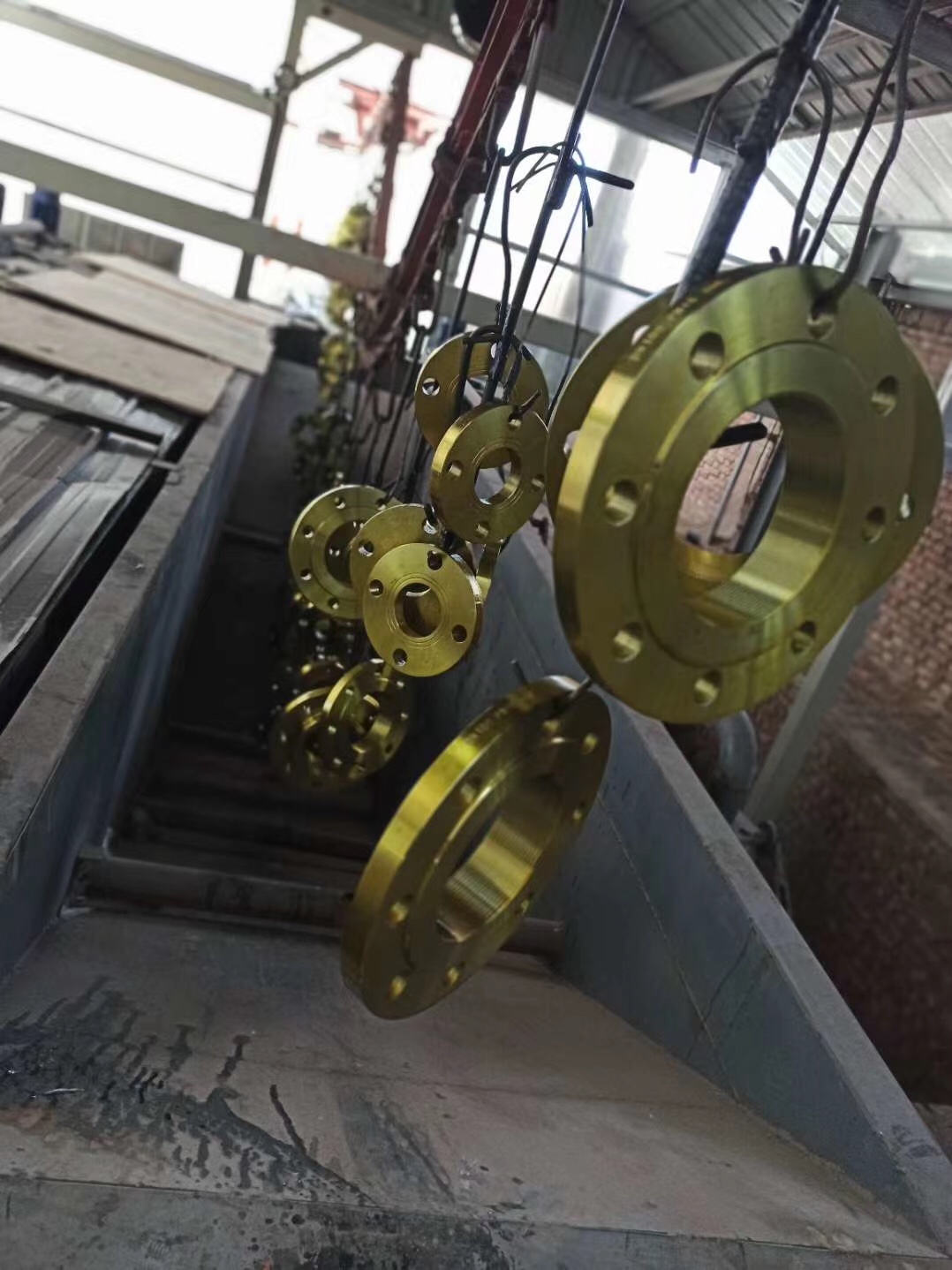
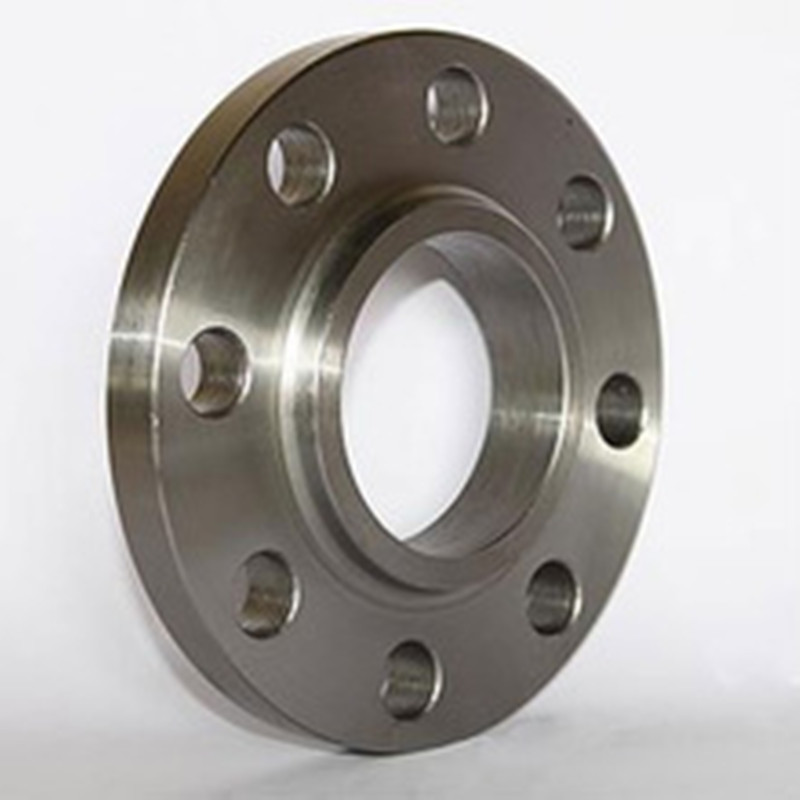
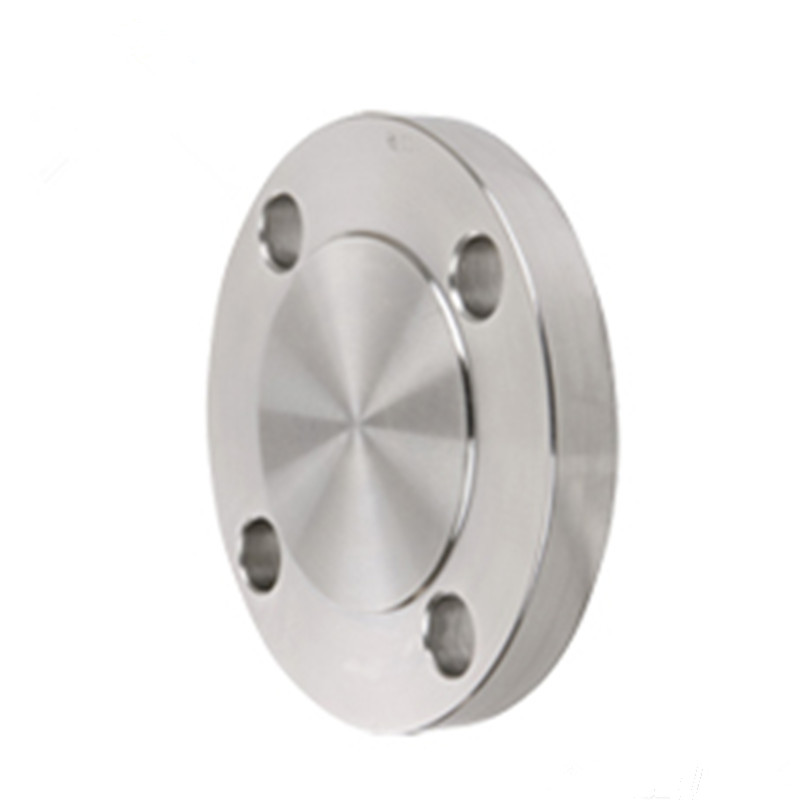
Simply put, a cast flange is a metal ring or collar made by pouring molten metal into a mold (casting), designed to connect pipes, valves, pumps, and other equipment in a piping system. Think of it like the “bolt-together” joint of your plumbing but on an industrial scale.
Nowadays, these castings cater to diverse industries — such as power generation, chemical processing, and water supply — anchoring their operations with reliable joints that can hold up against extreme pressure, corrosion, or temperature changes. On a humanitarian side, durable piping connections help maintain clean water distribution in disaster zones or remote areas, underscoring the humanitarian importance of quality cast flanges.
Cast flanges are known for their robust mechanical strength. The casting process allows the flange to have a uniform grain structure, which often makes it more resistant to corrosion and wear than some forged alternatives. In industries like oil & gas, where environmental conditions are harsh, durability isn’t just a feature — it’s an absolute necessity.
From carbon steel and stainless steel to special alloys, cast flanges come in a variety of material grades, suiting everything from ambient temperature water lines to high-temperature steam lines. This versatility means they fit seamlessly into a range of project specs without the need for constant customization.
While the initial tooling for casting can be pricey, the mass-production of cast flanges tends to keep unit costs down, especially for high volumes. Compared to machining a flange from solid metal, casting offers a cost-effective way to produce precise and consistent parts.
Because molds can be reused and adapted, manufacturers can scale production quickly, meeting large project demands. This scalability proves essential in speeding up project timelines, especially in regions racing to build vital infrastructure.
Many cast flanges are manufactured to meet international standards like ASME B16.5 or DIN 2631. Compliance ensures compatibility across borders, facilitating global trade and installation.
Mini takeaway: What makes cast flanges truly remarkable is their blend of strength, adaptability, and affordability — perfect for industries seeking reliable, long-lasting pipeline connections.
Cast flanges underpin industries everywhere, but some regions and sectors highlight their importance more clearly:
Oddly enough, cast flanges aren’t always front-and-center in the headlines, but their reliability is the silent backbone of critical systems worldwide.
Emotionally, it's reassuring to know that such fundamental components carry the trust of entire industries — their failure is not an option.
The industry is not standing still. Here’s what’s on the horizon:
In real terms, these innovations could cut costs while boosting reliability even further…
Despite their many benefits, cast flanges face hurdles:
Many engineers I’ve spoken with stress that ongoing R&D and supplier audits are critical. It feels like a constant balancing act...
| Specification | Details |
|---|---|
| Material | Carbon Steel ASTM A216 WCB |
| Pressure Rating | Class 150 to 2500 |
| Diameter Range | ½” to 48” (DN15 to DN1200) |
| Standards Compliance | ASME B16.5, EN1092-1, DIN 2631 |
| Finish | Machined Face; Optional Raised Face/Flat Face |
| Typical Applications | Oil & Gas, Water Supply, Power Plants |
| Vendor | Material Expertise | Global Reach | Custom Solutions | Certifications | Lead Time |
|---|---|---|---|---|---|
| CastMetal Corp | Carbon & Stainless Steel | Asia, Middle East, Europe | Yes | ISO 9001, API 6A | 4–6 weeks |
| Global Flange Solutions | Alloys & Exotic Metals | North America, Europe | Limited | ASME, CE | 6–8 weeks |
| Mingda Metals | Carbon Steel, Stainless, Ductile Iron | Worldwide | Extensive | ISO 9001, API 6D, EN 10204 | 3–5 weeks |
So, to circle back, cast flanges might seem like a niche technical topic, but in reality, they’re pivotal to global infrastructure resilience. Their blend of strength, variety, and cost-effectiveness means they’ll keep holding pipelines and equipment together for decades to come — no small feat in a rapidly changing world.
If you want to explore trusted cast flange solutions with a global presence and strong certification, check out Mingda Metals. Whether you’re upgrading water plants or launching a pipeline project in a tough environment, good flanges mean peace of mind.
Here’s to sturdy connections — both in metal and in conversations like this.