Phone:
+86 18631189888

Email:
liyanhui@bestcastings.cn

There’s something quietly impressive about the way industrial parts click together, creating seamless functionality where you least expect it. One such part, the flange cast, might just be the unsung hero in this story. Globally, flange casts serve as the vital connectors in pipelines, machinery, and structural frames, ensuring everything fits tight, resists pressure, and holds up through stressful use. Understanding flange cast components isn’t just industrial jargon — it’s a key to unlocking smoother operations across sectors and countries. Whether you work in maritime engineering, oil & gas, or heavy manufacturing, grasping what flange cast means for your project can dramatically improve durability and efficiency.
The global piping and heavy machinery market was valued at around $50 billion in recent years, with flanges accounting for a large chunk of the demand. According to data from the International Organization for Standardization (ISO), standardized flanges, including cast types, help harmonize manufacturing and maintenance worldwide, cutting downtime and operational risks.
But here’s a twist many don’t consider: flange cast addresses a major industrial pain point — joining metal parts that operate under high pressure or harsh conditions — without compromising strength or safety. In pipelines transporting water, oil, or gas, flange failures cause billions in losses and environmental damage every year. So the humble flange cast carries the double weight of structural support and safety assurance.
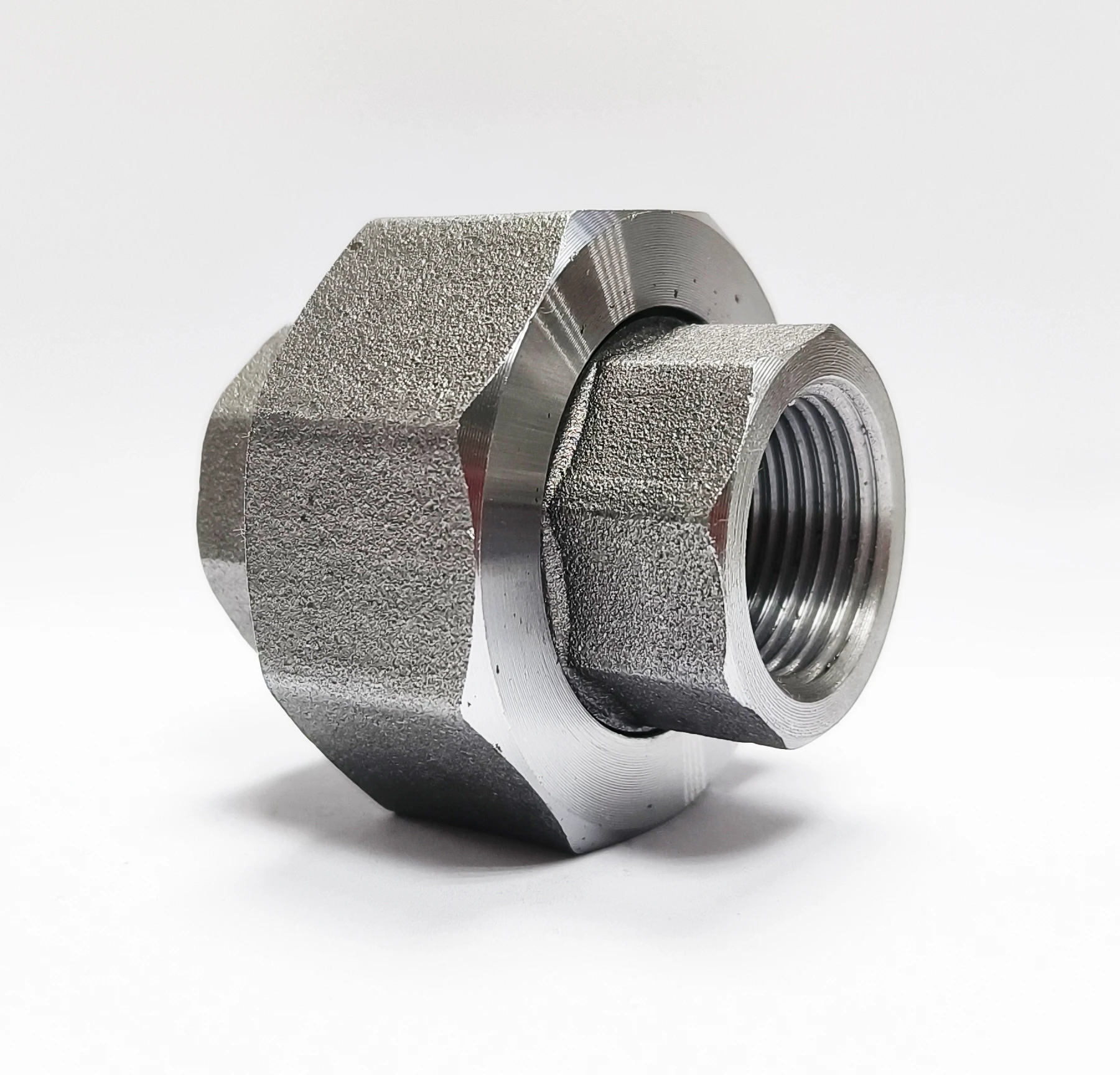
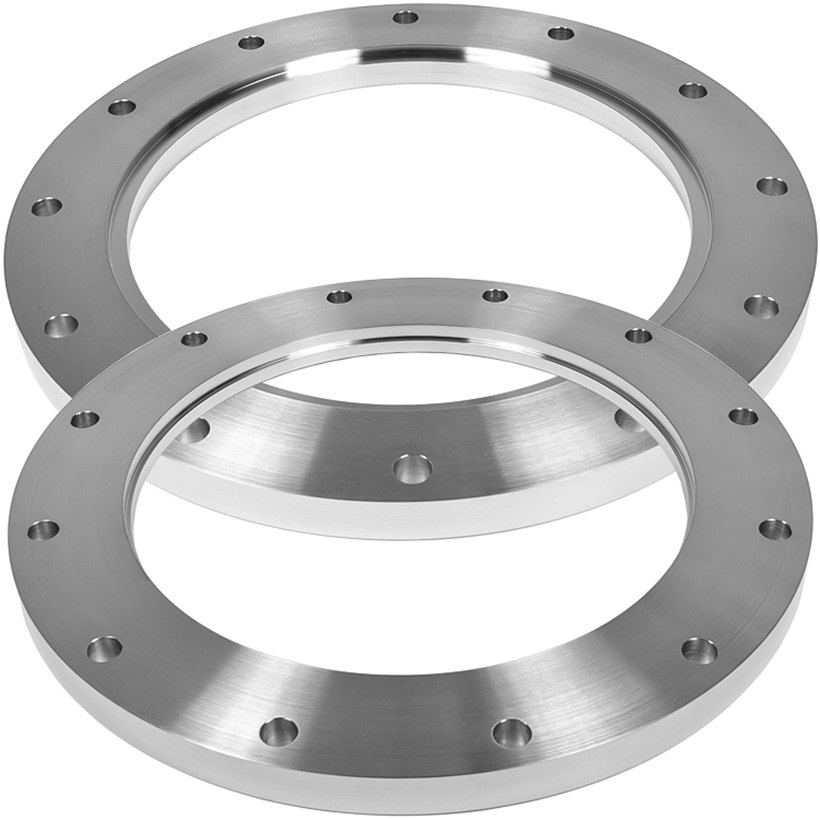
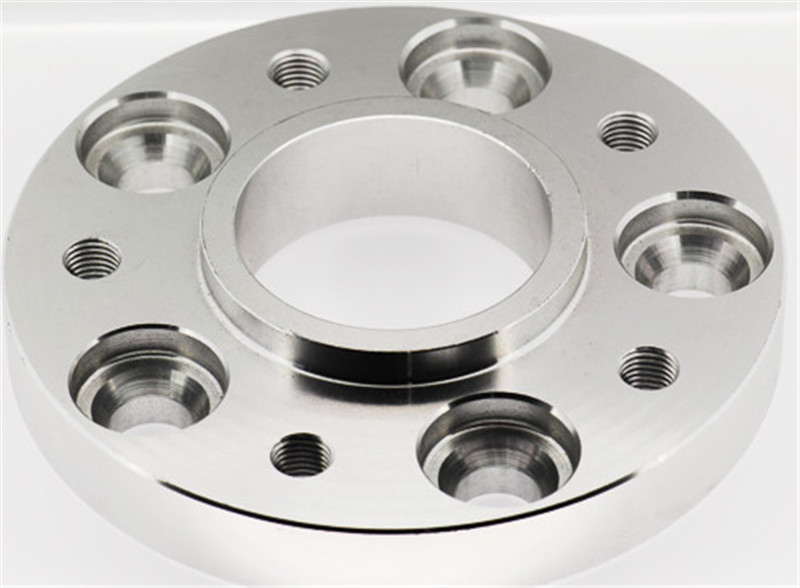
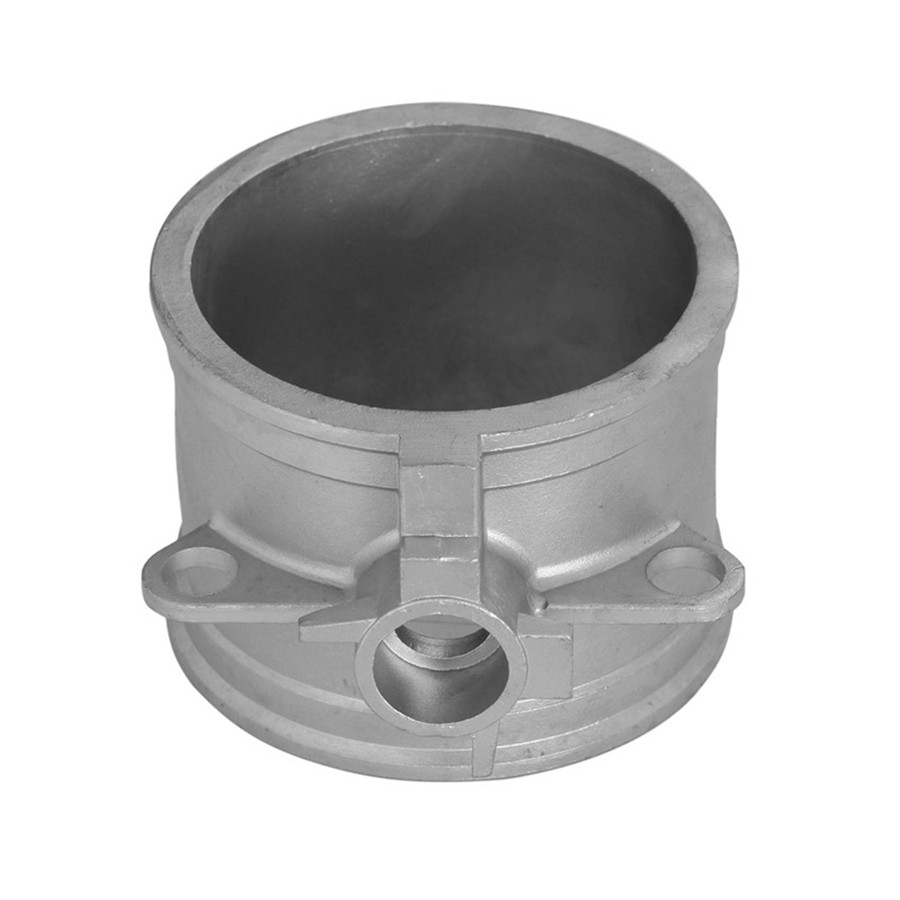
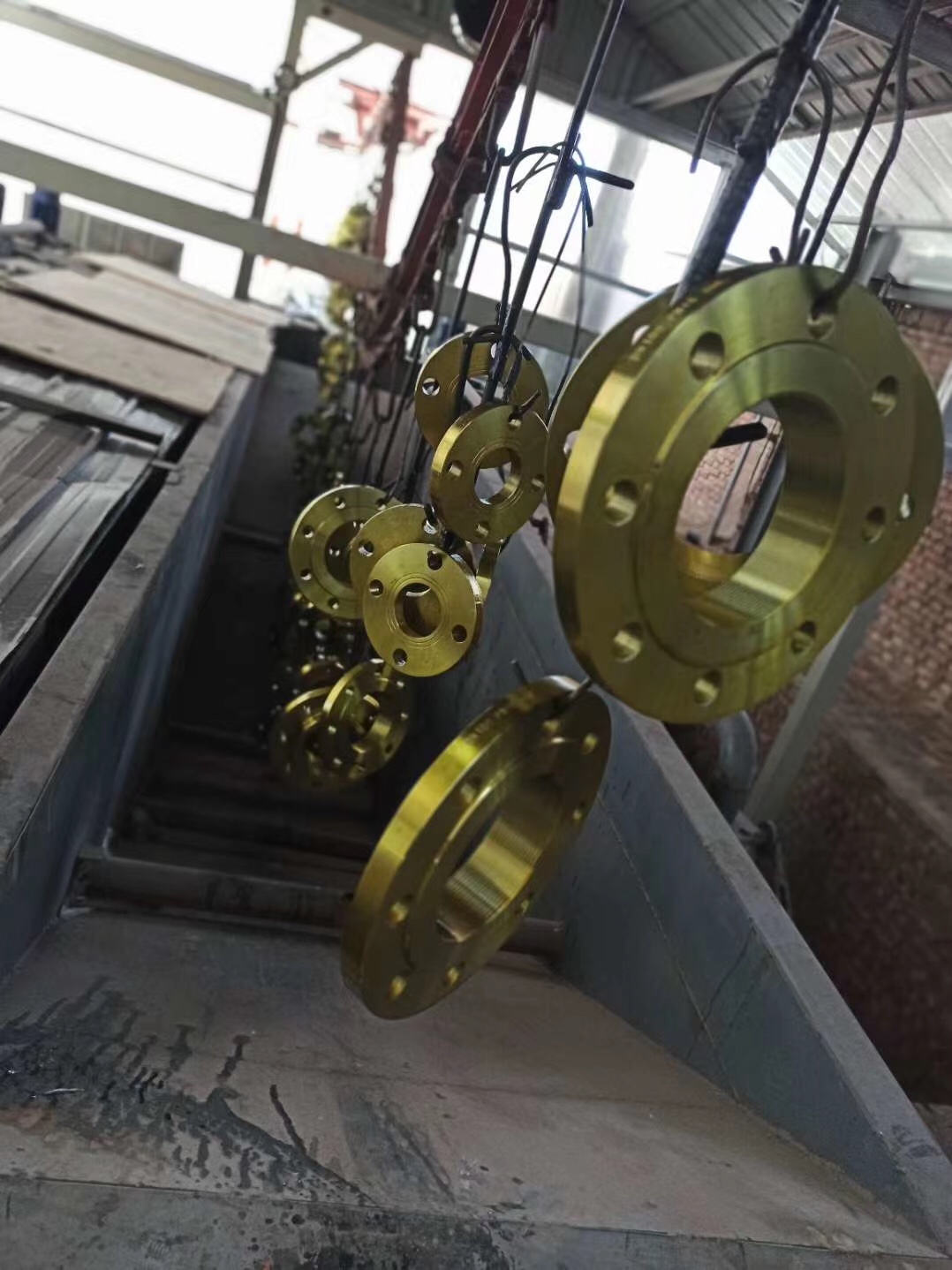
At its core, a flange cast is a metal connector typically produced by pouring molten metal into a mold—a casting process—to form circular discs with holes for bolts. These flanges attach pipes, valves, pumps, and other equipment, distributing pressure evenly and preventing leaks.
Why casting? It’s a method that allows complex shapes and robust performance, even when using high-strength alloys. Compared to forged or machined flanges, casting lets manufacturers tailor flange designs for tough-to-make parts or large diameters, especially useful for industries where precision and endurance matter.
More than just mechanical bits, flange casts contribute to everything from urban water supply systems to humanitarian aid infrastructure in disaster zones. An earthquake-damaged water pipe fixed with a reliable flange cast can restore safe drinking water swiftly — a practical humanitarian ripple effect.
Flange casts need to withstand internal pressures that can easily reach hundreds of PSI (pounds per square inch). Their superior resistance to pressure and deformation protects pipelines and machinery from sudden failures.
Depending on the alloy used, flange casts often resist rust, saltwater, and chemicals, critical for maritime and chemical-processing plants that play by their own harsh rules.
Manufacturers can cast flanges in a variety of sizes, thicknesses, and standards (think ANSI, DIN, JIS), accommodating anything from small indoor plumbing to sprawling industrial complexes.
Though casting involves upfront mold creation, it’s ideal for medium-to-large production runs where tooling costs amortize effectively. It’s often more affordable than fabricating flanges from scratch or forging larger components.
Gas plants and power stations run at high temperatures, and flange casts made of high-grade metals absorb thermal expansion without cracking — a huge tick for operational reliability.
For instance, a Southeast Asian water utility company managed to reduce downtime by 30% using flange cast components standardized on ANSI specs, enabling easy sourcing and faster replacements.
Choosing flange cast units might feel mundane upfront, but the benefits multiply over time. Here’s why:
| Feature | Specification | Details |
|---|---|---|
| Material | Carbon steel / Stainless steel | Grades ASTM A105, A182 |
| Standards | ANSI B16.5, DIN EN 1092 | Pressure ratings up to 3000 psi |
| Diameter Range | 1 inch to 60 inches | Custom sizes available |
| Connection Type | Weld Neck, Slip-On, Blind | Varies by application |
| Surface Finish | Machined or RF (Raised Face) | Ensures tight seal with gaskets |
| Vendor | Quality Certification | Lead Time | Price Range | Customization |
|---|---|---|---|---|
| Mingda Metals | ISO 9001, API 6A | 2–4 weeks | Competitive | Full custom molds & alloys |
| GlobalFlange Co. | ISO 9001, PED | 4–6 weeks | Mid-range | Limited custom sizes |
| Ace Flanges Ltd. | ISO 14001, ASME | 3 weeks | Premium | Standard lines only |
Oddly enough, the industrial flange cast is evolving alongside big trends like digital twin simulations and additive manufacturing. Engineers now create 3D models that test flange stresses before they’re cast, saving time and scrap. On the material side, advanced alloys with better corrosion resistance are coming out, paving the way for longer-lasting infrastructure with less environmental impact.
Additionally, the rise of smart sensors embedded near flange connections is a game-changer. Real-time monitoring can detect leaks or weakening bolts before failures occur — an innovation improving safety and reducing emergency repair costs. Sustainability remains a focus, with manufacturers exploring recycled metals and cleaner foundry processes.
Of course, no tech is perfect. One challenge is balancing cost with quality. Cheaper flange castings may face porosity or micro-fractures, compromising strength. Expert vendors employ non-destructive testing like X-rays or ultrasonic scans to catch defects early.
Another issue is standard compliance across different countries. I noticed that projects spanning multiple regions sometimes suffer delays because a flange cast meeting one norm doesn’t fit another — a logistical headache all too familiar.
To solve these, many buyers opt for global suppliers offering cross-certified products and strict batch traceability, reducing hassle during installation.
A: Flange castings are generally more cost-effective for complex shapes and larger sizes because the casting process accommodates detailed designs more easily. Forged flanges offer superior mechanical strength but at higher costs and size limitations. For many industrial applications, flange castings strike the right balance of durability and affordability.
A: Always verify that the flange cast complies with recognized standards such as ANSI B16.5 or DIN EN 1092 and request quality test reports, including pressure tests and material certifications. Choose suppliers experienced with industrial pressures similar to your operational demands.
A: Definitely. Casting allows for extensive customization in diameter, thickness, material grade, and bolt hole patterns to fit unique industrial needs, whether that’s maritime, chemical plants, or power generation.
A: Yes, with the right material selection and corrosion resistance, flange casts are perfectly suited to green technologies and environmentally sensitive industry sectors like wastewater treatment and renewable energy.
A: Partnering with established vendors like flange cast suppliers that provide export documentation and comply with international standards eases the import process. Verify logistics support and warranty terms beforehand.
Flange cast components might not be the flashiest part of industrial engineering, but their role is undeniably critical. These castings secure the joints that hold infrastructures together, cutting losses, boosting safety, and improving sustainability in industries that keep our world running. By choosing the right flange cast—and the right supplier—you’re investing in reliability that pays off for decades.
Want to explore high-quality flange cast options tailored for your needs? Visit https://www.mingdametals.com and discover why thousands of engineers worldwide trust trusted suppliers who blend precision with durability.