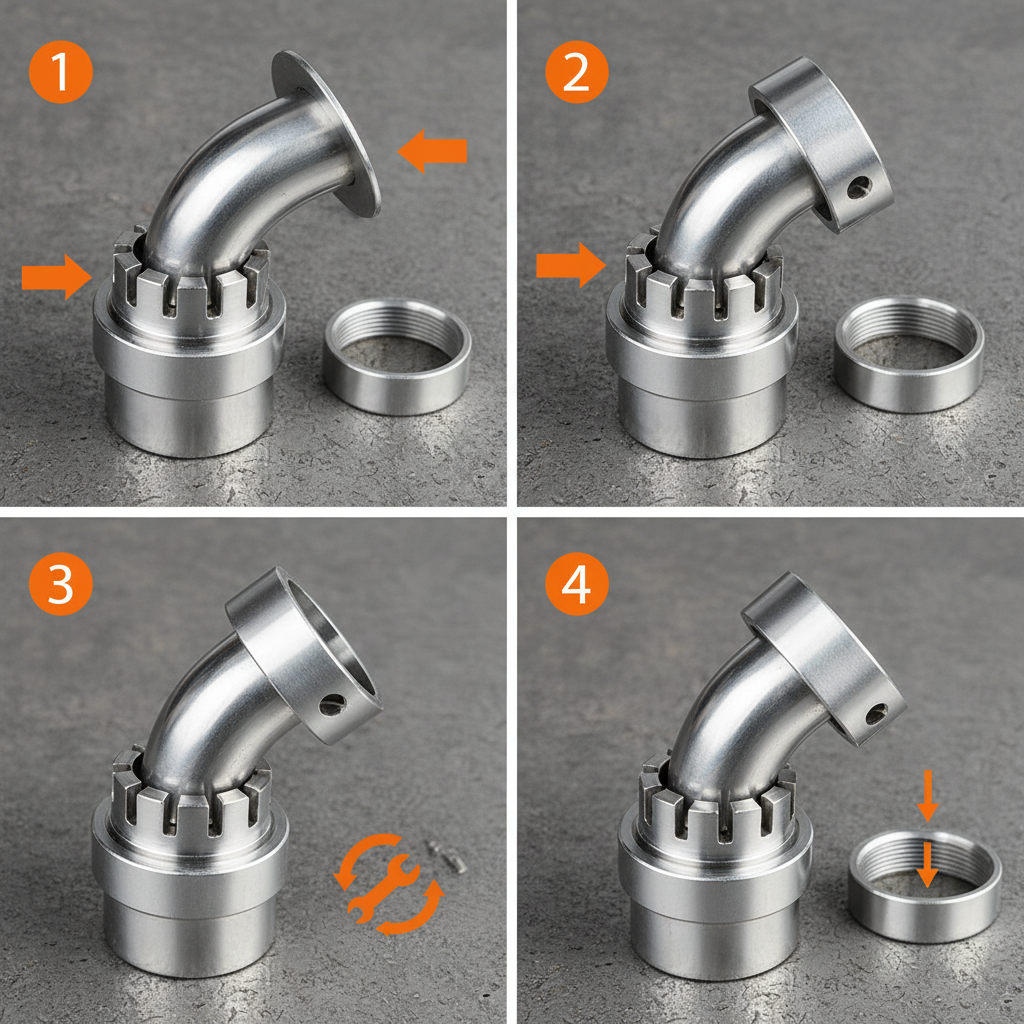
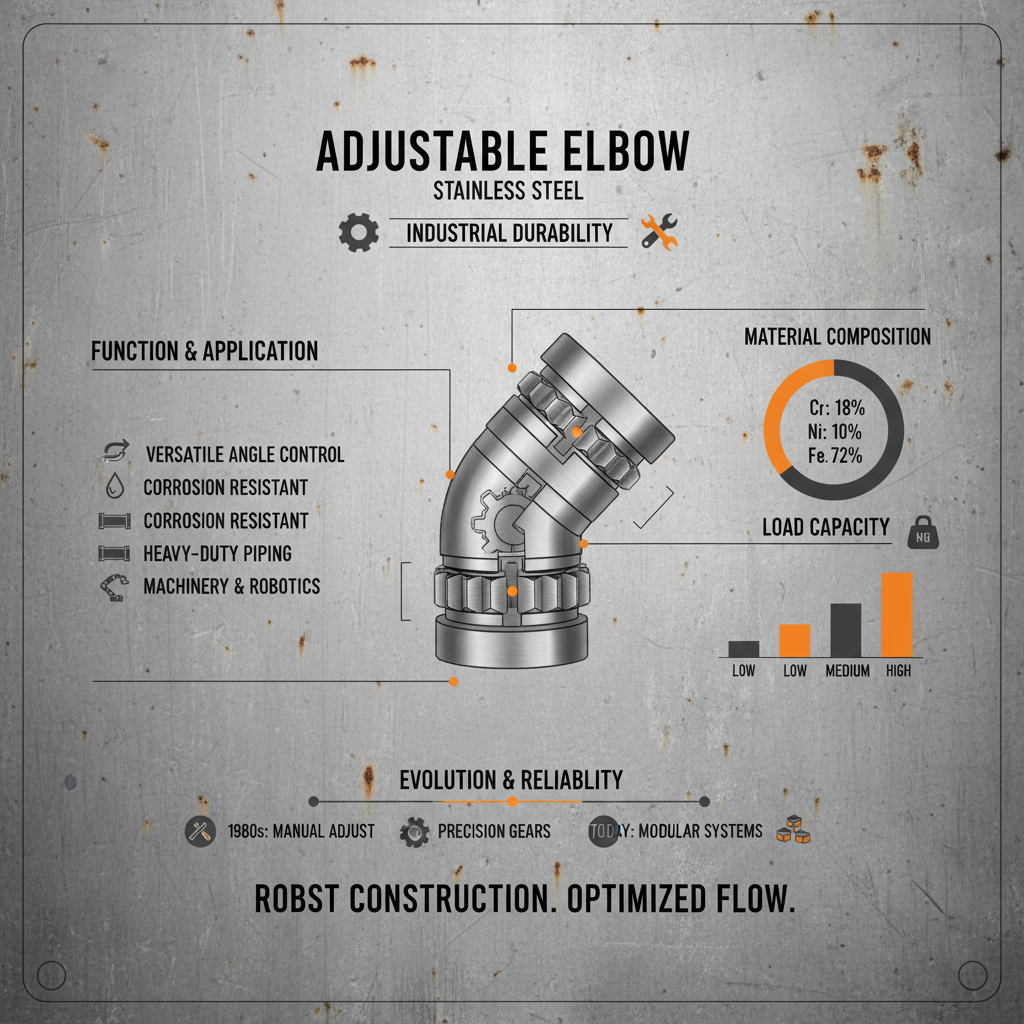
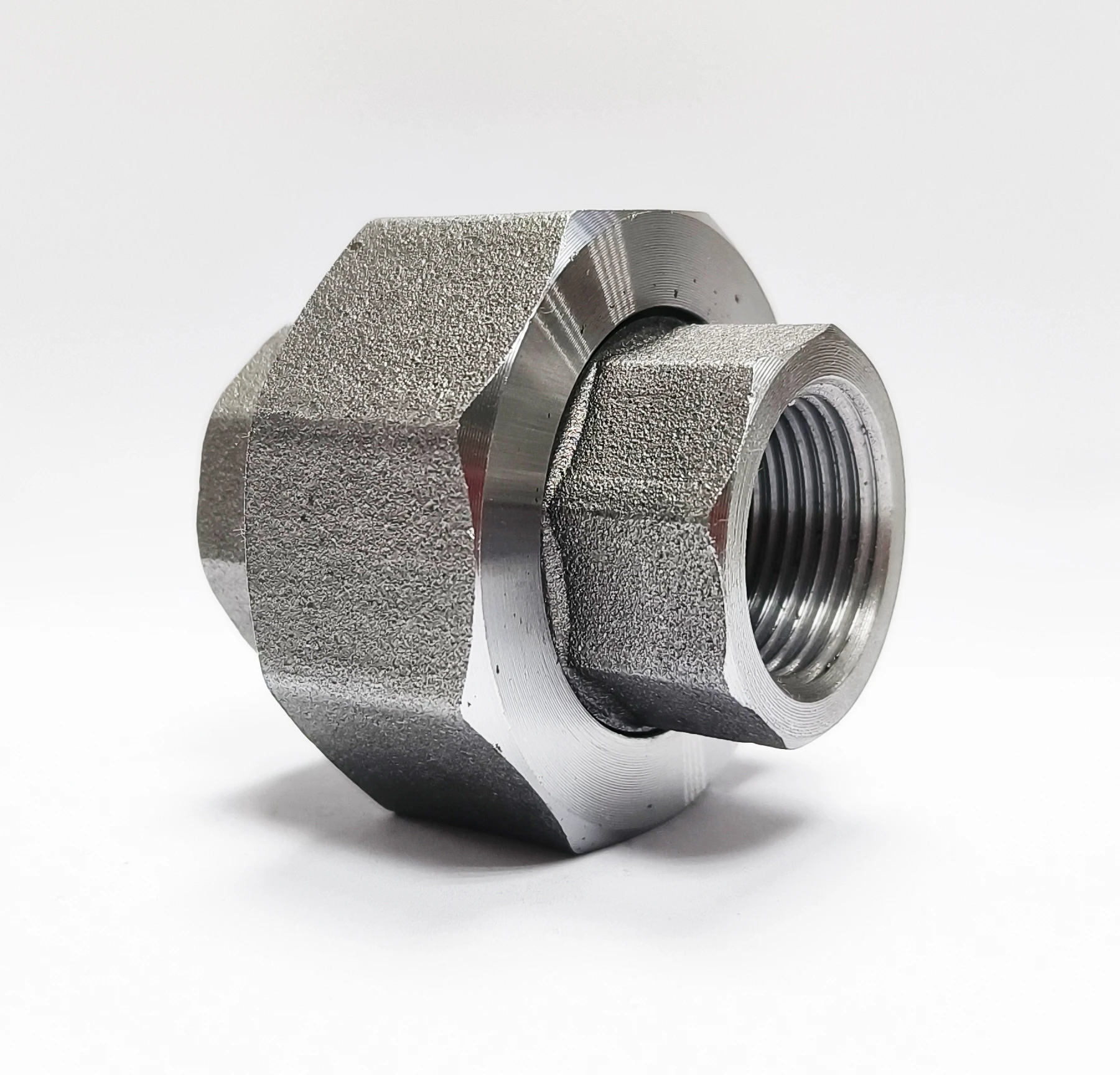
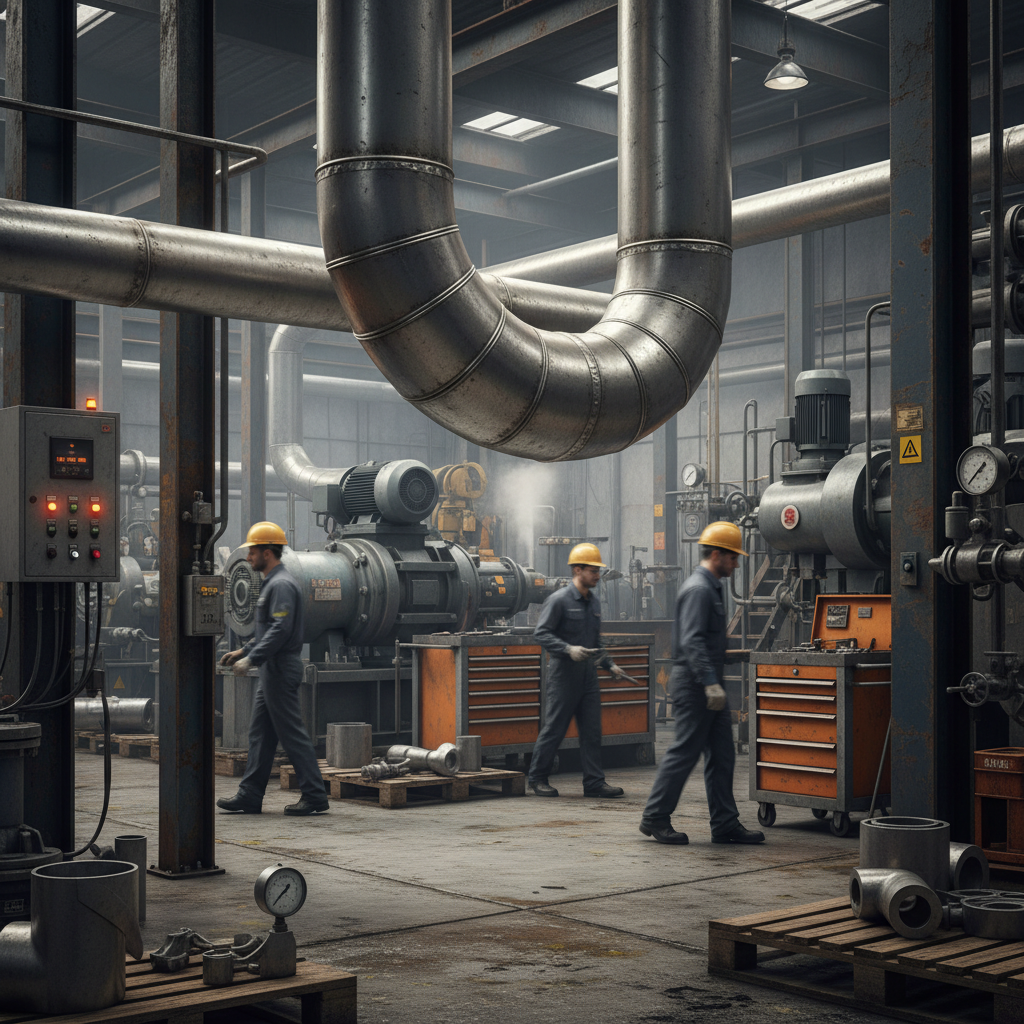
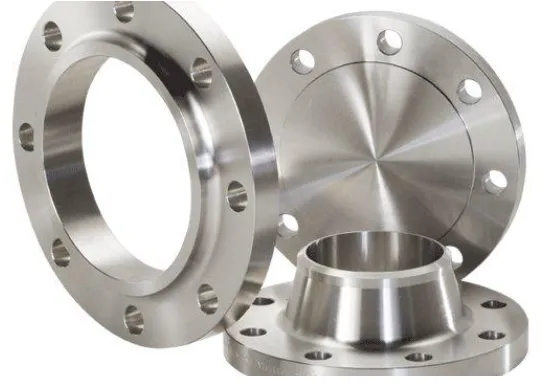
In the complex world of industrial piping and fluid dynamics, the stainless steel adjustable elbow stands as a critical component for ensuring precise alignment and system flexibility. Unlike fixed elbows, these adjustable fittings allow engineers to modify the angle of a pipe run during installation, significantly reducing the need for multiple specific elbow angles and minimizing waste.
Across global manufacturing sectors, from chemical processing to pharmaceutical production, the demand for high-grade stainless steel components is driven by the need for corrosion resistance and structural integrity. A stainless steel adjustable elbow provides the versatility required to navigate complex architectural constraints while maintaining the hygiene and safety standards mandated by international regulators.
Understanding the technical nuances of these fittings—ranging from material grades like 304 and 316L to their specific machining tolerances—is essential for optimizing operational efficiency. By integrating an adjustable solution, facilities can lower their installation costs, simplify their inventory, and ensure a more resilient piping network capable of withstanding extreme pressures and temperatures.
Global Relevance of Stainless Steel Adjustable Elbow
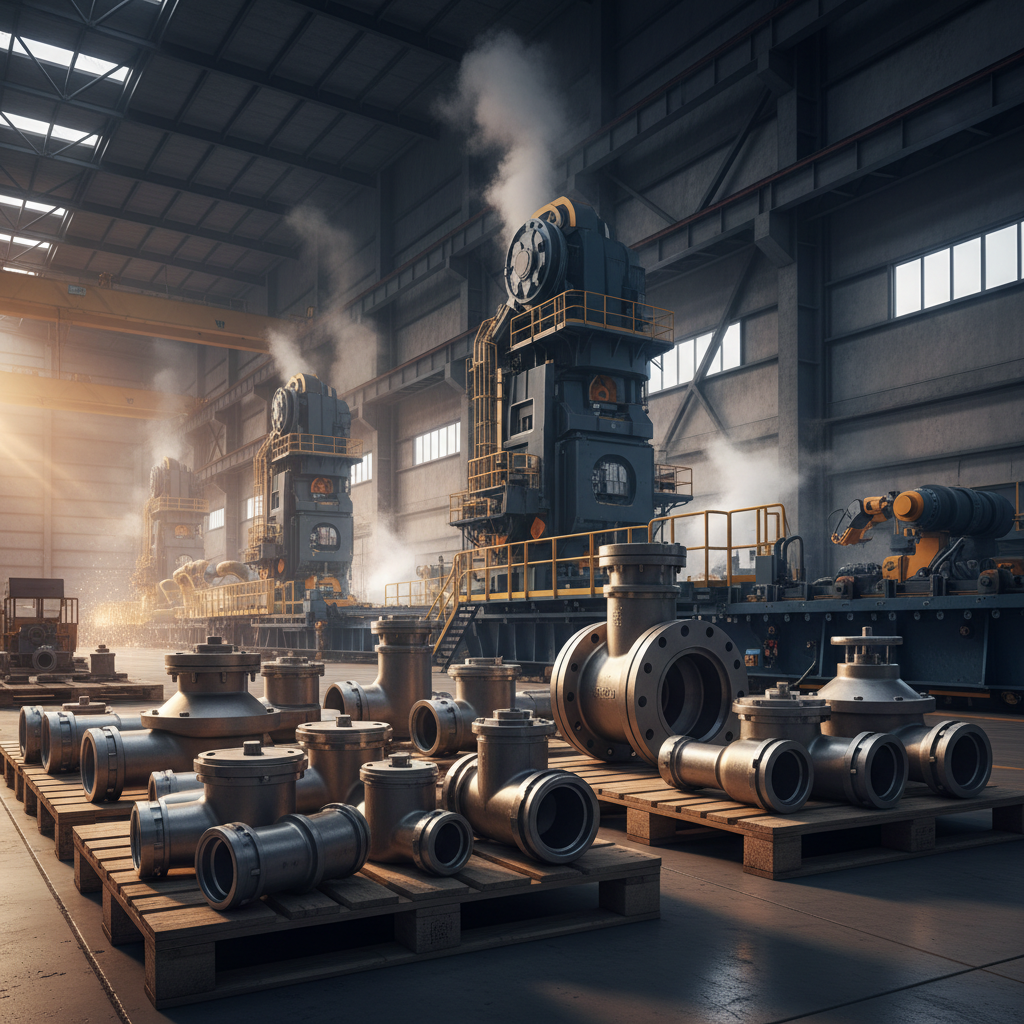
On a global scale, the industrial infrastructure relies heavily on the precision of fluid transport systems. The stainless steel adjustable elbow has become a staple in international engineering projects due to its ability to adapt to unforeseen site conditions. With ISO standards guiding the quality of alloys, these components ensure that piping systems in diverse climates—from the humid tropics to arctic industrial zones—remain leak-proof and stable.
The shift toward modular construction in the energy and water treatment sectors has amplified the need for adjustable fittings. By reducing the reliance on "perfect" pre-calculated measurements, the stainless steel adjustable elbow allows for real-time adjustments, which significantly cuts down on material waste and labor hours, aligning with global sustainability goals to reduce the industrial carbon footprint.
Defining the Stainless Steel Adjustable Elbow
At its core, a stainless steel adjustable elbow is a specialized pipe fitting designed to change the direction of a pipeline by a variable angle. Unlike a standard 45 or 90-degree elbow, the adjustable version can be cut or manipulated to a specific degree, providing an "on-site" custom fit. This functionality is critical in environments where piping must weave around existing equipment or through tight architectural gaps.
From a material perspective, these elbows are typically forged or cast from high-chromium stainless steel, ensuring they resist oxidation and chemical attack. This makes them indispensable for humanitarian needs, such as building clean water distribution networks in developing regions or constructing sterile environments for medical facilities where any form of corrosion could lead to systemic contamination.
In modern industry, the "adjustable" nature of the fitting represents a transition from rigid engineering to agile installation. By utilizing a stainless steel adjustable elbow, technicians can correct minor misalignments in the pipeline without having to replace entire sections of the pipe, thereby ensuring the structural integrity of the entire network remains intact.
Core Factors Influencing Performance
Durability is the primary metric for any stainless steel adjustable elbow. The selection of the alloy, such as 316L for marine environments or 304 for general industrial use, determines how the fitting handles stress and corrosive agents over decades of service.
Precision and Scalability are equally vital. A high-quality stainless steel adjustable elbow must maintain a consistent wall thickness even after adjustment to prevent "thin spots" that could become failure points under high pressure.
Cost efficiency is realized through reduced inventory. Instead of stocking ten different fixed-angle elbows, a facility can utilize the stainless steel adjustable elbow to cover a wide range of angles, reducing capital tied up in spare parts.
Practical Applications and Industry Use Cases
The application of the stainless steel adjustable elbow spans across several critical sectors. In the food and beverage industry, these fittings are used in CIP (Clean-in-Place) systems where smooth internal surfaces are required to prevent bacterial growth, and adjustable angles ensure that fluids flow without stagnant "dead legs."
In remote industrial zones, such as offshore oil rigs or mining sites, the ability to adjust piping on the fly is a lifesaver. For instance, during the installation of complex cooling loops, a stainless steel adjustable elbow allows engineers to compensate for the natural shifting of the ground or the slight movement of heavy machinery.
Performance Comparison of Stainless Steel Adjustable Elbow Variations
Long-Term Advantages and Value Proposition
The primary tangible benefit of implementing a stainless steel adjustable elbow is the drastic reduction in installation time. By eliminating the need for repeated measurements and the shipping of multiple replacement parts, project managers can hit their deadlines more consistently, which is vital for high-stakes industrial commissions.
Beyond the logic of cost, there is an emotional value rooted in reliability and trust. When a system is built with high-grade stainless steel adjustable elbow fittings, operators gain peace of mind knowing that the joints are not forced or stressed, which significantly lowers the risk of catastrophic failure and enhances workplace safety.
Future Innovations in Piping Technology
The future of the stainless steel adjustable elbow is being shaped by the digital transformation of the industry. We are seeing the rise of "Smart Piping," where sensors are integrated into the elbow fitting to monitor flow turbulence and stress levels in real-time, allowing for predictive maintenance before a leak even occurs.
Furthermore, the movement toward green energy is driving the development of new, ultra-low carbon stainless steel alloys. These next-generation materials will allow the stainless steel adjustable elbow to be produced with a smaller ecological footprint while offering even higher resistance to the aggressive chemicals used in hydrogen fuel cells.
Automation is also playing a role, with robotic welding and CNC machining allowing for tighter tolerances in the production of these elbows. This means that while the fitting remains "adjustable," the initial precision is so high that the amount of manual correction needed on-site is further reduced, combining the best of both worlds.
Overcoming Implementation Challenges
One common challenge when using a stainless steel adjustable elbow is the risk of improper cutting or welding during the adjustment process, which can lead to weld decay or stress corrosion cracking. To overcome this, experts recommend the use of orbital welding and precise plasma cutting tools to ensure the edges remain clean and the metallurgy is preserved.
Another limitation is the potential for increased pressure drop if the elbow is adjusted to an extreme or inefficient angle. The solution lies in advanced fluid simulation software, which can guide installers to the optimal angle that balances physical constraints with the need for maximum flow efficiency.
Finally, ensuring the correct grade of stainless steel for the specific environment is a recurring hurdle. By implementing a rigorous material verification process—using X-ray fluorescence (XRF) analyzers—companies can ensure that every stainless steel adjustable elbow installed meets the exact specifications required for the chemical load and temperature of the system.
Analysis of Stainless Steel Adjustable Elbow Specifications and Performance
| Material Grade |
Corrosion Resistance |
Max Pressure Rating |
Adjustment Flexibility |
| SS 304 |
Moderate |
High |
Excellent |
| SS 316L |
Very High |
High |
Excellent |
| SS 310S |
High Heat |
Moderate |
Good |
| Duplex 2205 |
Extreme |
Very High |
Moderate |
| SS 430 |
Low |
Moderate |
Excellent |
| Custom Alloy |
Specialized |
Variable |
High |
FAQS
The primary advantage is versatility. A stainless steel adjustable elbow allows for on-site modification of the pipe angle, meaning you don't need to order multiple specific angles (like 22.5, 45, or 90 degrees). This reduces the risk of installation errors and minimizes the amount of scrap metal produced during the fitting process.
Grade 316L is highly recommended for marine or coastal environments. Due to its molybdenum content, it provides superior resistance to chlorides and pitting corrosion compared to 304. This ensures the adjustable elbow maintains its structural integrity despite constant exposure to salt spray.
Yes, provided that the adjustment is made correctly. If the elbow is cut and welded according to professional standards and the wall thickness remains consistent, a stainless steel adjustable elbow can handle the same pressure ratings as its fixed counterparts. Quality control and weld inspection are key here.
To prevent "weld decay," it is essential to use low-carbon versions of the steel (like 316L) and employ proper shielding gases during the welding process. Post-weld cleaning and pickling/passivation are also recommended to restore the protective chromium oxide layer on the surface.
Absolutely. When polished to a high sanitary finish (e.g., Ra
The most reliable method is to request a Material Test Report (MTR) from the manufacturer, which details the chemical composition and mechanical properties. Additionally, using a handheld XRF spectrometer can instantly verify the alloy grade to ensure it matches your project specifications.
Conclusion
In summary, the stainless steel adjustable elbow is more than just a piping component; it is a strategic tool for industrial efficiency. By combining the inherent strengths of stainless steel—corrosion resistance, durability, and hygiene—with the operational flexibility of an adjustable design, it addresses the most common challenges in fluid system installation. From reducing material waste to ensuring precise fitment in complex environments, the value it provides is both economic and structural.
Looking ahead, the integration of smarter materials and digital monitoring will only enhance the role of these fittings in the global supply chain. For companies seeking to optimize their infrastructure, investing in high-quality, certified adjustable fittings is a step toward greater resilience and sustainability. We encourage you to explore precision-engineered solutions to ensure your piping systems are built for the future. Visit our website: www.mingdametals.com