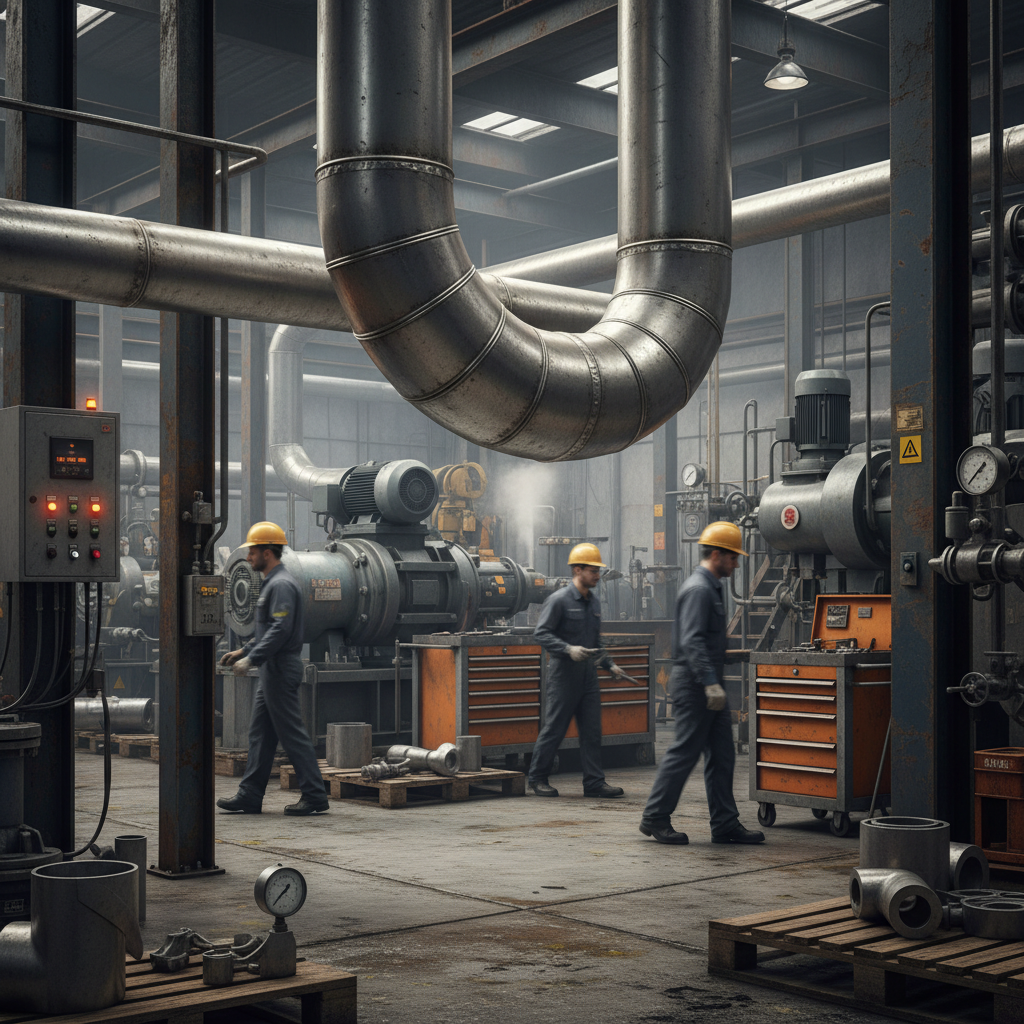
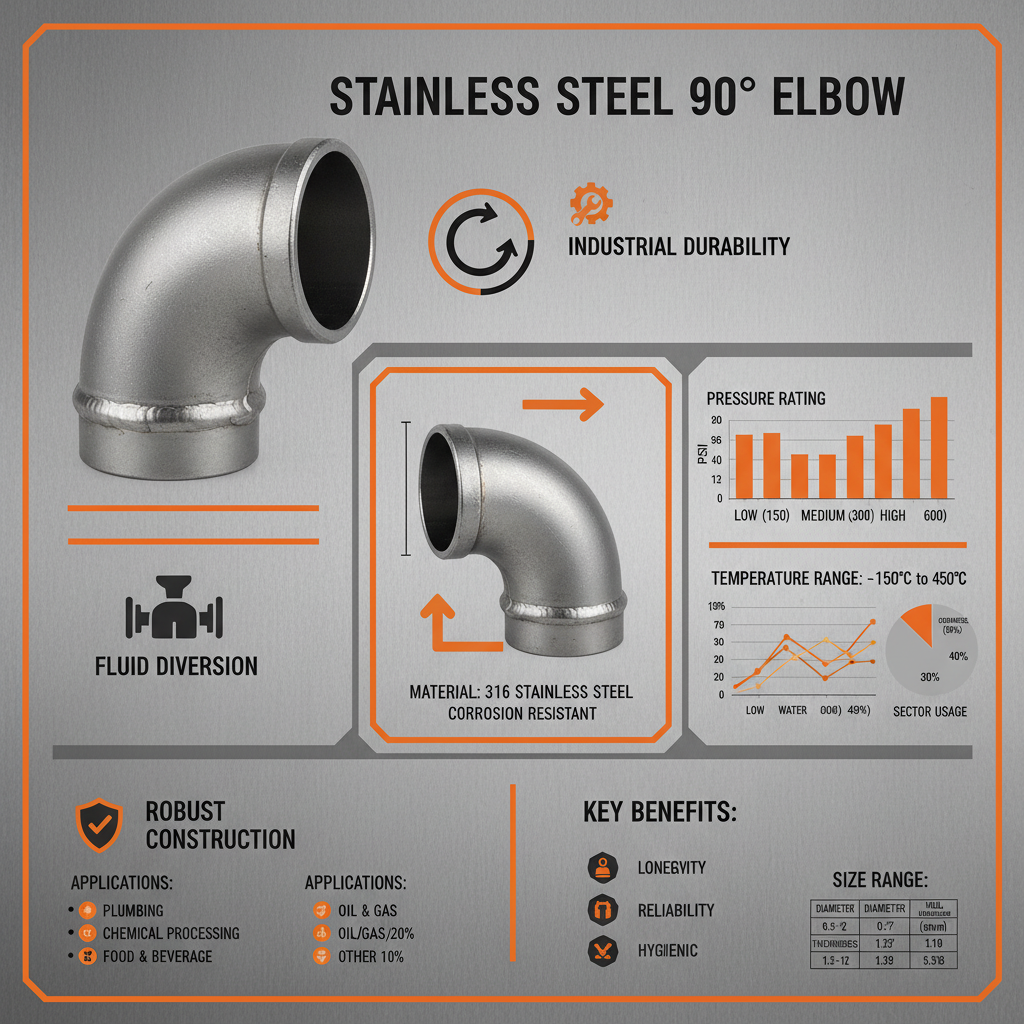
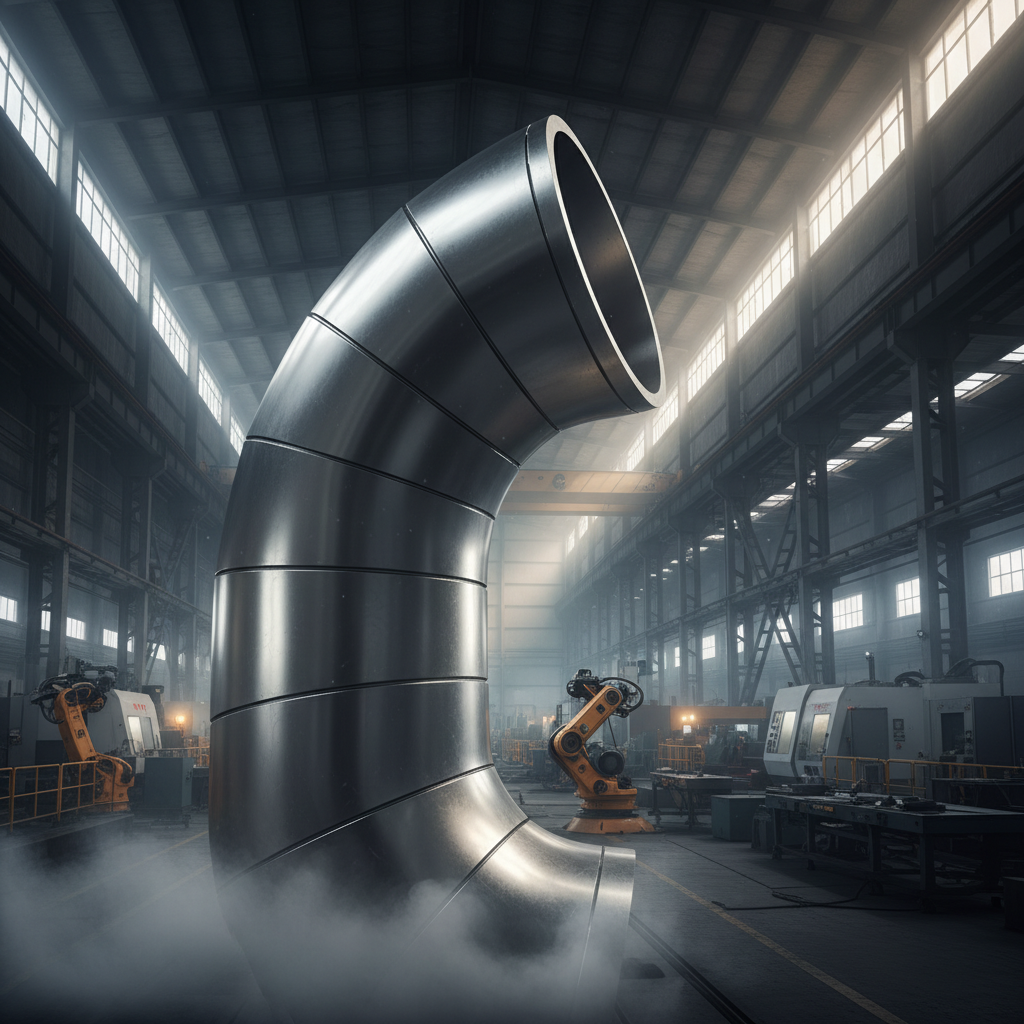
The stainless steel 90 elbow serves as a critical nexus in modern fluid transport systems, allowing for a precise right-angle change in piping direction without compromising structural integrity. In the complex landscape of industrial fabrication, the ability to navigate tight architectural spaces while maintaining flow efficiency makes this specific fitting indispensable for engineers and contractors worldwide.
Beyond its simple geometric function, the choice of stainless steel ensures that the fitting can withstand extreme pressures and corrosive environments that would quickly degrade carbon steel or plastic alternatives. This makes the stainless steel 90 elbow a cornerstone of safety and longevity in infrastructure, reducing the frequency of costly maintenance cycles and preventing hazardous leaks in high-stakes environments.
Understanding the nuances of material grades, wall thickness, and manufacturing standards is essential for optimizing any piping network. By integrating high-quality elbows into a system, industries can achieve a seamless balance between hydraulic performance and mechanical durability, ensuring that liquid or gas transport remains stable under the most demanding operational conditions.
Global Industry Context of Stainless Steel 90 Elbow
On a global scale, the demand for precision-engineered piping components has surged alongside the expansion of the petrochemical, pharmaceutical, and desalination industries. According to ISO standards and international trade data, the shift toward sustainable infrastructure has led to an increased reliance on corrosion-resistant materials. The stainless steel 90 elbow has become a standard requirement in these sectors to ensure that pipelines can be routed through dense urban or industrial layouts without sacrificing pressure ratings.
The primary challenge facing the global industry is the tension between cost-efficiency and the strict safety requirements mandated by organizations like the ASME. Using inferior materials in critical junctions often leads to catastrophic failures, highlighting why the precision of a high-grade stainless steel 90 elbow is not just a technical preference but a safety imperative for protecting workers and the environment.
Defining the Stainless Steel 90 Elbow and Its Role
In simple technical terms, a stainless steel 90 elbow is a prefabricated piping fitting designed to change the direction of a pipeline by exactly 90 degrees. These components are typically categorized as "long radius" or "short radius," depending on the curvature of the bend, which directly affects the flow velocity and pressure drop within the system.
Beyond the geometry, these fittings are integral to modern humanitarian and industrial needs. For instance, in the construction of clean water distribution networks in developing regions, the use of stainless steel prevents the leaching of toxins and resists the corrosive nature of varied soil types, ensuring that potable water reaches populations safely and reliably.
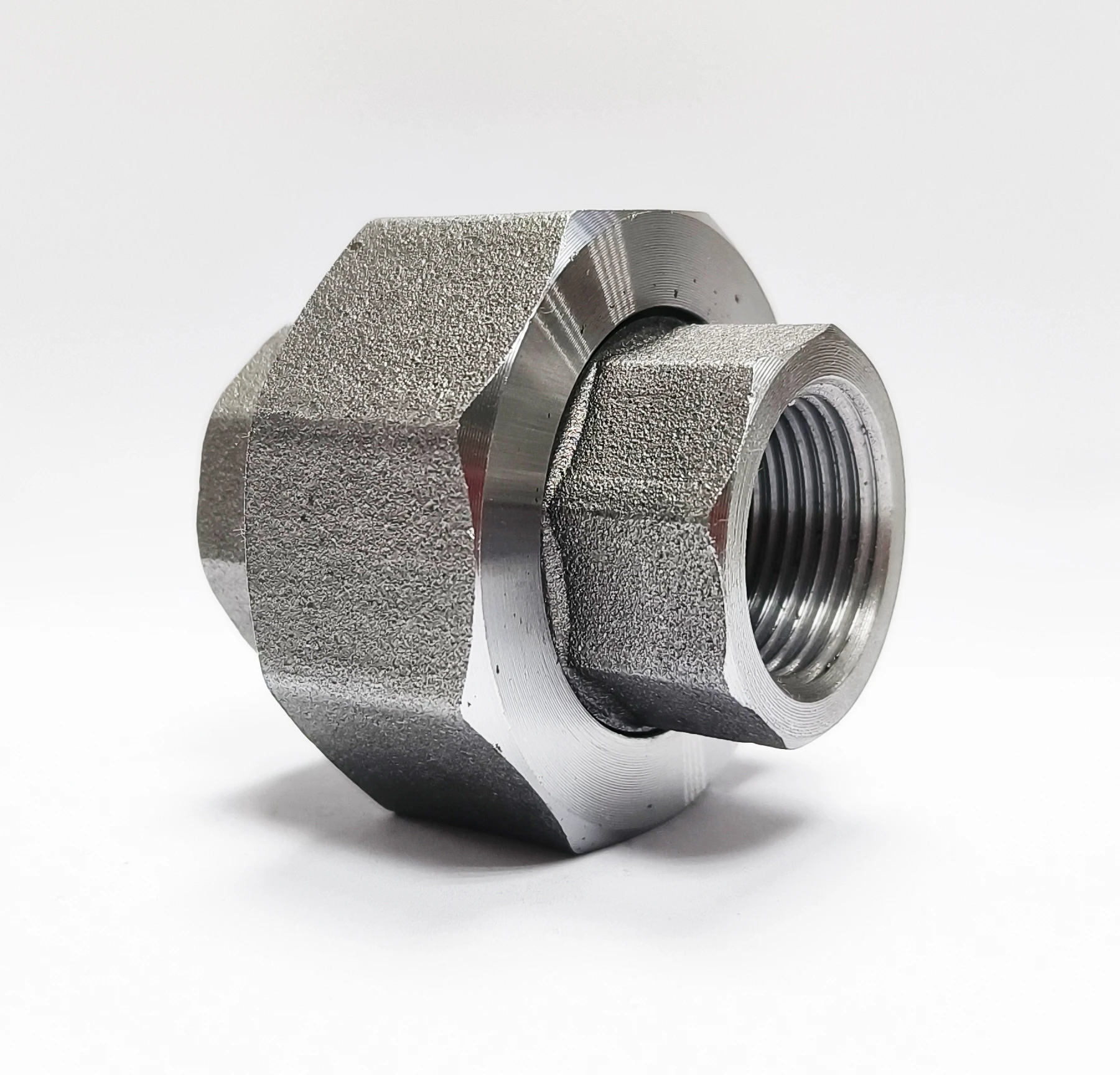
The connection to modern industry is further solidified by the variety of termination methods available, including butt-weld, socket-weld, and threaded ends. This versatility allows the stainless steel 90 elbow to be seamlessly integrated into everything from small-scale laboratory equipment to massive oil refineries.
Key Factors Influencing Elbow Performance
Material composition is the foremost factor in determining the lifespan of a stainless steel 90 elbow. Whether using Grade 304 for general corrosion resistance or Grade 316 for marine-grade chloride resistance, the chemistry of the steel dictates how the fitting will react to aggressive chemicals and extreme temperature fluctuations.
Wall thickness, often referred to as the "Schedule" (e.g., SCH 10, SCH 40, SCH 80), is critical for pressure containment. A stainless steel 90 elbow with a thicker wall can handle significantly higher internal pressures, which is vital for high-pressure steam lines or hydraulic systems where a breach could be fatal.
Finally, surface finish and precision tolerances ensure leak-proof seals and reduced turbulence. In hygienic industries like food and beverage processing, a polished interior for the stainless steel 90 elbow prevents the buildup of bacteria and ensures that the cleaning-in-place (CIP) processes are effective.
Global Applications and Use Cases
The real-world application of the stainless steel 90 elbow spans across diverse continents and climates. In the Middle East, these fittings are heavily utilized in desalination plants where they must resist the extreme salinity of seawater. Similarly, in the North American pharmaceutical sector, they are used in ultra-pure water systems where zero contamination is the only acceptable standard.
In remote industrial zones or post-disaster relief operations, modular piping systems utilizing these elbows allow for the rapid deployment of temporary water and fuel lines. Because they are durable and standardized, they can be transported globally and installed by technicians with minimal specialized equipment, providing a reliable lifeline in crisis-hit areas.
Performance Comparison of Stainless Steel 90 Elbow Variants
Long-Term Value and Strategic Advantages
Investing in a high-quality stainless steel 90 elbow provides a tangible return on investment through the drastic reduction of downtime. While the initial procurement cost may be higher than carbon steel, the lack of corrosion means that the system does not require frequent replacement or expensive chemical coatings, leading to lower total cost of ownership over a 20-year lifecycle.
Beyond the logic of cost, there is an emotional angle of trust and safety. Plant managers and engineers sleep better knowing that their critical junctions are secured by materials that meet stringent international quality codes. This reliability fosters innovation, as companies can push the boundaries of their production capacity without fearing a structural failure at a pipe bend.
Future Trends in Piping Innovations
The evolution of the stainless steel 90 elbow is increasingly tied to the "Green Energy" transition. As the world shifts toward hydrogen fuel, new alloys are being developed for these fittings to prevent hydrogen embrittlement, ensuring that the transition to clean energy is supported by a robust and leak-proof infrastructure.
Digital transformation is also making its mark through the integration of "Smart Piping." We are seeing the emergence of elbows embedded with ultrasonic sensors that can monitor flow turbulence and wall thinning in real-time. This allows for predictive maintenance, where a stainless steel 90 elbow can signal its own need for replacement before a leak occurs.
Furthermore, additive manufacturing (3D printing) is beginning to allow for the creation of custom-optimized internal geometries. By redesigning the internal curve of the elbow, engineers can further reduce pressure drops, increasing the overall energy efficiency of pumping stations and reducing the carbon footprint of industrial operations.
Common Challenges and Engineering Solutions
One of the most frequent challenges encountered is "Stress Corrosion Cracking" (SCC) in highly chlorinated environments. To solve this, engineers often specify duplex stainless steel for the stainless steel 90 elbow, which combines the best properties of austenitic and ferritic steels to provide superior strength and resistance to cracking.
Another common issue is the misalignment during installation, which can introduce parasitic stresses into the fitting. The solution lies in the use of precision jigs and laser-alignment tools during the welding process, ensuring that the stainless steel 90 elbow is seated perfectly to avoid fatigue failure over time.
Finally, the challenge of "Flow-Accelerated Corrosion" (FAC) at the bend can be mitigated by optimizing the radius of the elbow. By switching from a short radius to a long radius stainless steel 90 elbow, the velocity profile is smoothed, reducing the erosive force of the fluid on the inner wall of the fitting.
Analysis of Stainless Steel 90 Elbow Material and Application Performance
| Material Grade |
Corrosion Resistance |
Pressure Tolerance |
Typical Use Case |
| SS 304 |
Moderate (7/10) |
High (8/10) |
Food Processing |
| SS 316L |
High (9/10) |
High (8/10) |
Marine/Chemical |
| Duplex 2205 |
Extreme (10/10) |
Extreme (10/10) |
Oil & Gas Offshore |
| SS 321 |
Moderate (7/10) |
Very High (9/10) |
High-Temp Exhaust |
| SS 310S |
High (8/10) |
Moderate (7/10) |
Heat Treatment |
| SS 430 |
Low (5/10) |
Moderate (6/10) |
Decorative/Light Ind. |
FAQS
A long radius (LR) elbow has a bend radius of 1.5 times the nominal pipe size, which reduces pressure drop and turbulence, making it ideal for high-flow systems. A short radius (SR) elbow has a radius equal to the nominal pipe size, allowing for more compact installations in tight spaces, though it may result in slightly higher friction loss.
Grade 316L is the minimum recommendation due to its molybdenum content, which resists pitting from chlorides. For extreme offshore environments, Duplex stainless steel is preferred as it provides significantly higher strength and superior resistance to stress corrosion cracking compared to standard austenitic grades.
The key is proper "purging" of the weld area. By filling the inside of the elbow with an inert gas like argon during welding, you prevent oxidation (sugarization) on the inner bead. Additionally, using a certified TIG welder and ensuring precise gap tolerances will produce a high-strength, leak-proof joint.
Yes, provided the "Schedule" (wall thickness) is correctly matched to the system pressure. Schedule 80 or Schedule 160 elbows are typically used for high-pressure steam. It is also important to select a grade like SS 321 if the steam temperatures are exceptionally high to prevent intergranular corrosion.
Most high-quality elbows are manufactured to ASME B16.9 or DIN standards. While they are generally compatible, it is crucial to verify the wall thickness (Schedule) and the outer diameter (OD) of your piping to ensure a seamless fit, as metric and imperial standards differ slightly.
The most reliable method is using a Positive Material Identification (PMI) gun, which uses X-ray fluorescence to determine the exact chemical composition. For a quicker field test, a magnet can be used; most austenitic stainless steels (like 304/316) are non-magnetic, although some cold-working can introduce slight magnetism.
Conclusion
The stainless steel 90 elbow is far more than a simple piece of bent metal; it is a precision-engineered component that ensures the stability, safety, and efficiency of global industrial fluid systems. By balancing material science—such as selecting between 304 and 316L—with mechanical requirements like wall thickness and bend radius, industries can build infrastructure that lasts for decades with minimal maintenance.
Looking forward, the integration of smart sensors and sustainable alloys will continue to elevate the role of these fittings in a greener, more automated world. For those seeking to optimize their piping networks, investing in high-specification elbows is the most effective way to mitigate risk and enhance operational longevity. Visit our website: www.mingdametals.com