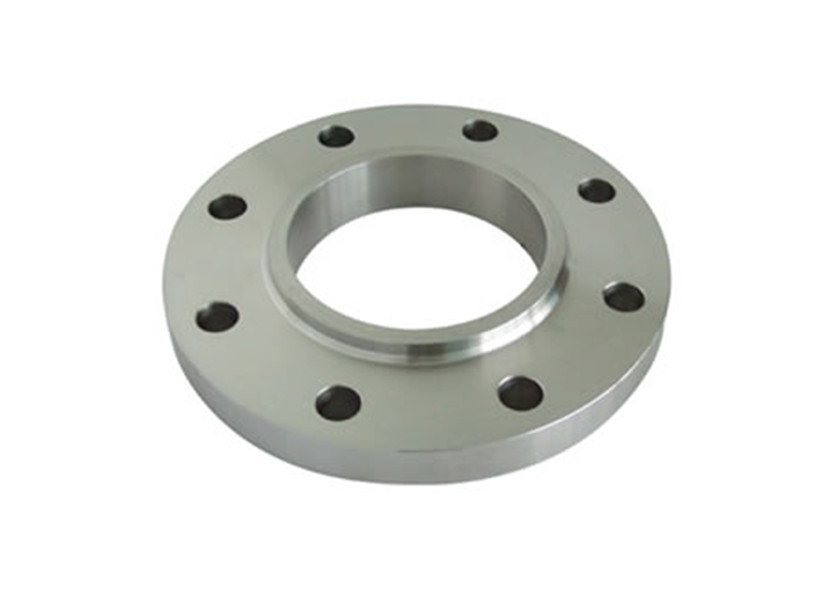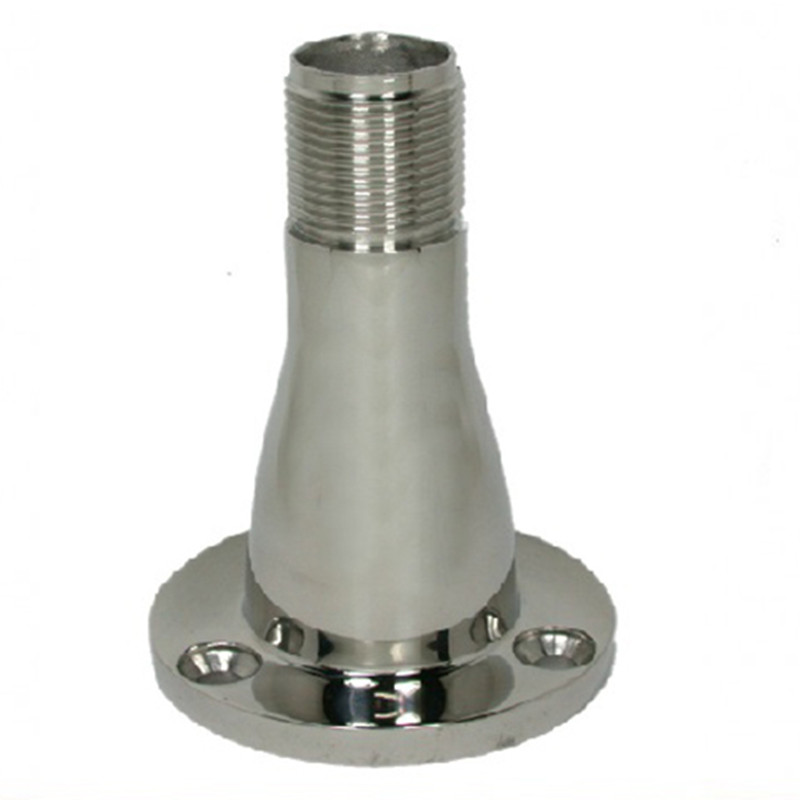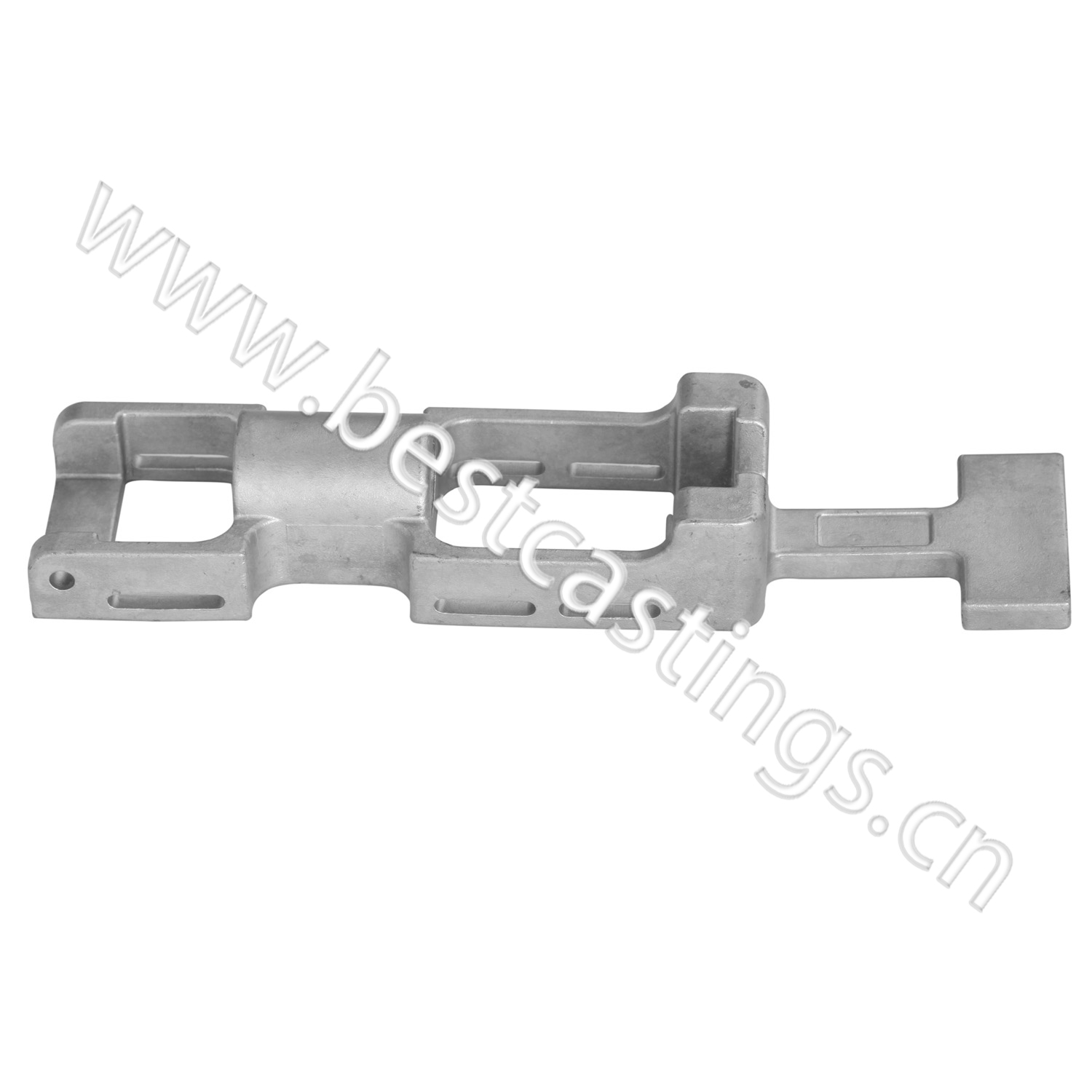
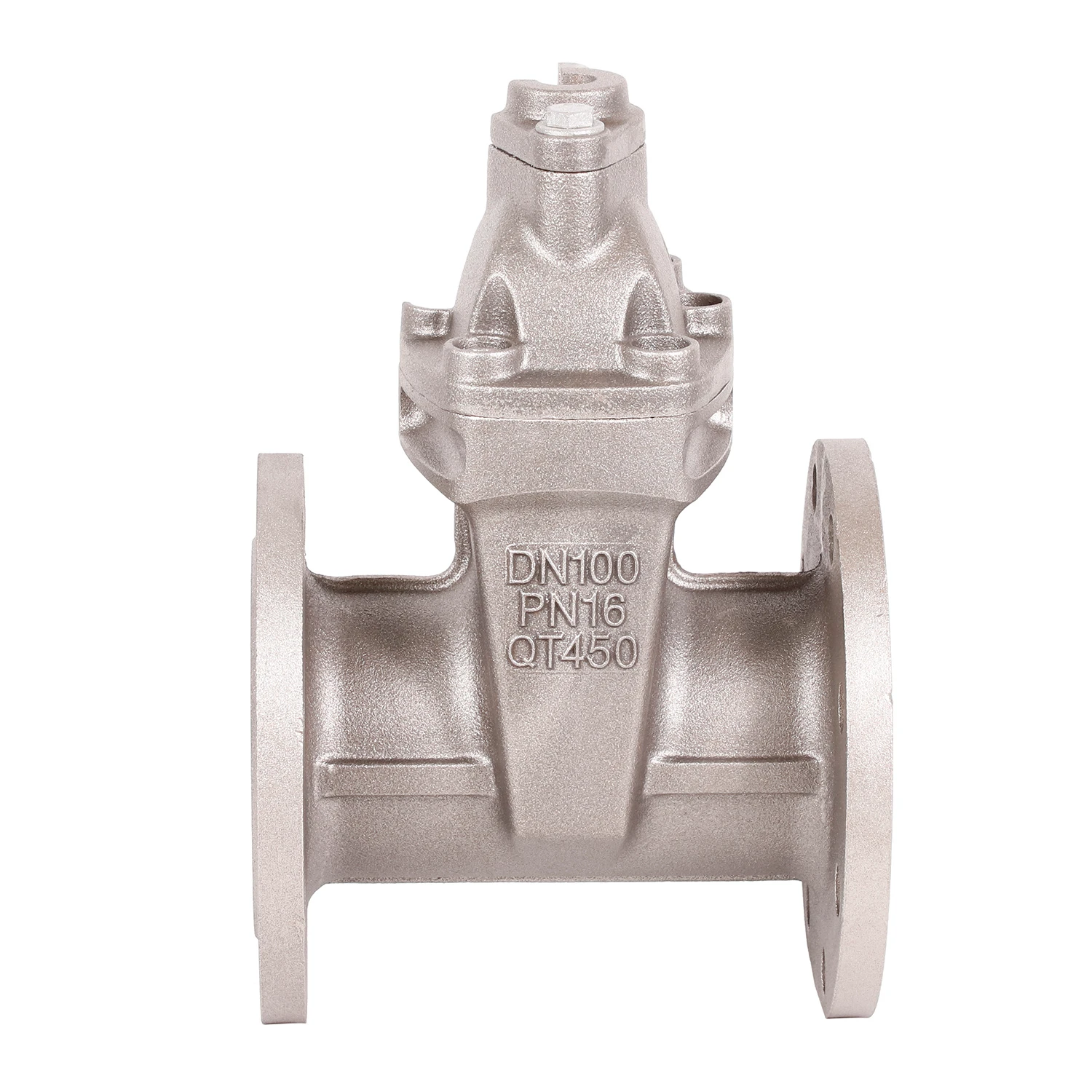
Precision Metal Parts from Expert steel forging companies
Precision engineering in the metal components sector requires a strategic balance between material integrity and geometric accuracy. When sourcing specialized machinery parts, the choice of casting and forging methods directly impacts the operational lifespan of the final assembly. For industries utilizing copper alloys, the demand for high tensile strength and corrosion resistance is paramount, particularly in environments exposed to fresh water or oxidative atmospheres. By integrating advanced thermal gravity and lost-wax casting techniques, manufacturers can achieve complex dimensional geometries that would be impossible through traditional machining alone.
For procurement managers and engineers, identifying a partner capable of delivering tight tolerances (up to +/-0.01mm) while maintaining international AISI standards is critical. Whether the application involves aero engines or marine fittings, the reliability of the component depends on the rigorous quality control of the production craft. This guide explores the technical nuances of brass and copper alloy castings and how strategic sourcing from experienced trading and manufacturing networks in China can optimize both cost and delivery timelines.

Technical Analysis of Lost-Wax and Thermal Gravity Casting Processes
The production of high-precision brass castings relies heavily on the Lost-Wax Casting (investment casting) method. This process allows for exceptional design freedom, enabling the creation of intricate internal channels and complex external surfaces. By utilizing a wax pattern that is subsequently encased in a ceramic shell, the resulting metal part mirrors the original design with extreme fidelity. When combined with thermal gravity casting, the molten copper alloy fills the mold under the influence of gravity, ensuring a dense structure with minimized porosity.
To meet the stringent requirements of machinery parts, specific molding techniques such as pressure casting are often employed to refine the surface finish. The resulting surface roughness, typically rated at Ra6.3, provides an ideal base for subsequent polishing or machining. This synergy of processes ensures that the final product maintains high durability and dimensional stability, even when subjected to high-stress environments in industrial applications.
- Geometric Complexity: Lost-wax allows for undercuts and thin walls.
- Material Density: Gravity casting reduces air entrapment in copper alloys.
- Surface Integrity: Polishing and precision machining ensure a Ra6.3 finish.

Material Performance: The Advantages of Copper Alloys in Stress Environments
Brass and other copper alloys are selected for critical machinery parts due to their unique metallurgical properties. One of the primary drivers is their exceptional resistance to corrosion in both air and fresh water, making them indispensable for marine products and ship fittings. Unlike standard ferrous metals, these alloys maintain their structural integrity in humid or saline conditions without requiring heavy protective coatings.
From a mechanical perspective, the high tensile strength of these materials ensures that components like gear worm wheels and bearings can withstand significant operational loads. The inherent lubricity of copper alloys also reduces friction in moving parts, which extends the maintenance cycle of the machinery. When these materials are processed through professional steel forging companies or specialized foundries, the resulting grain structure is optimized for maximum impact resistance and fatigue strength.
Strategic Application Scenarios for Precision Castings and Forgings
The versatility of precision brass castings allows them to be integrated into a wide array of high-performance systems. In the aerospace and energy sectors, they are frequently used in aero engines and electrical generators, where thermal conductivity and precision fit are non-negotiable. In these scenarios, the ability to maintain a machining tolerance of +/-0.01mm is what prevents premature wear and system failure.
Beyond high-tech engines, these components are vital for heavy industrial equipment:
- Rolling Mills: High-strength bushes and bearings that resist deformation.
- Fluid Management: Pump bodies and valve components that prevent leakage under pressure.
- Marine Engineering: Ship fittings and rudder components that resist saltwater oxidation.
- Power Transmission: Durable worm wheels and gear components for torque transfer.
The choice between a raw casting and a machined forged part usually depends on the specific stress profile of the application. While castings offer design freedom, forged parts are often preferred for components requiring maximum structural rigidity.
Technical Specifications and Material Comparison
| Feature Parameter | Brass Casting | Stainless Steel Casting | Forged Steel Parts | Application Priority |
|---|---|---|---|---|
| Corrosion Resistance | Excellent (Freshwater) | Superior (Chemical) | Moderate (Coated) | Marine/Chemical |
| Dimensional Tolerance | +/- 0.01mm (Machined) | +/- 0.02mm | +/- 0.05mm | Precision Fit |
| Production Method | Lost Wax / Gravity | Precision Casting | Hot Forging | Design Complexity |
| Surface Finish | Ra6.3 (Polished) | Smooth/Satin | Rough/Machined | Aesthetic/Friction |
| Tensile Strength | High | Very High | Maximum | Load Bearing |
Evaluating Quality Assurance in Global Metal Sourcing
When procuring from international markets, the risk of material inconsistency is a primary concern. A robust quality assurance system must extend beyond the final inspection to include raw material verification and process monitoring. For copper alloys, this means ensuring strict compliance with ISO 9001:2008 and SGS certifications, which guarantee that the alloy composition matches the AISI standards required for the specific application.
Hebei Mingda International Trading Company mitigates these risks by maintaining deep interactions with a network of specialized foundries. This flexibility allows for the selection of the most appropriate production craft—whether it be resin sand, lost-foam, or hot core boxes—based on the customer's technical drawings. By implementing a strict internal quality assurance system, the company reduces the time and cost associated with revisions and ensures that the product meets the buyer's exact specifications upon first delivery.
Procurement Optimization and Lead Time Management
For B2B buyers, the total cost of ownership is influenced not only by the unit price but also by the lead time and shipping costs. In the casting and forging industry, standard lead times typically hover around 30 days. However, the ability to accelerate this to 20 days in special cases is a significant competitive advantage, as it can save buyers from the excessive costs of emergency air freight.
To optimize procurement, buyers should provide comprehensive technical drawings and clear material specifications. This allows the supplier to match the product with the most cost-effective foundry and tooling setup. By leveraging the diverse manufacturing capabilities available in China's industrial hubs, buyers can achieve a balance between "best quality" and "competitive price," ensuring that the components are both durable and economically viable for large-scale production.
Frequently Asked Questions on Precision Metal Castings
What is the difference between lost-wax casting and sand casting for brass parts?
Lost-wax casting provides much higher precision and a smoother surface finish (typically Ra6.3), making it ideal for complex geometries. Sand casting is generally more cost-effective for larger, simpler parts where extreme precision is not the primary requirement.
How do you ensure a machining tolerance of +/-0.01mm?
This level of precision is achieved through a combination of high-accuracy casting and subsequent CNC machining. We use precision tooling and rigorous measurement protocols to ensure the final dimensions align perfectly with the provided technical drawings.
Which copper alloy is best for marine environments?
Brass and bronze alloys are highly recommended for marine applications due to their natural resistance to saltwater corrosion and oxidation. Depending on the specific load requirements, we can suggest the optimal alloy grade for your ship fittings.
Can you produce custom parts based on 3D drawings?
Yes, we specialize in custom-made castings and forgings. Our team evaluates your 3D drawings to determine the most suitable production craft—such as resin sand or lost-wax—to ensure the part is manufacturable and cost-efficient.
What certifications do your products carry?
Our products are manufactured in compliance with international norms, with many of our partner facilities holding ISO 9001:2008 and SGS certifications to ensure consistent quality and material purity.
What is the typical lead time for custom forged machinery parts?
The normal lead time is 30 days. However, for urgent requirements, we can often perform extraordinary delivery within 20 days to help our clients avoid expensive air freight costs.
Technical References and Industry Standards
- ISO 9001:2015 Quality Management Systems
- American Iron and Steel Institute (AISI) Standards
- SGS Certification and Testing Protocols
- ASME Standards for Pressure Vessels and Piping
Whether you are upgrading industrial machinery or developing new aerospace components, the right combination of material and manufacturing process is key. Hebei Mingda provides the technical expertise and supply chain flexibility needed to bring your precision drawings to life with uncompromising quality.
Related Industrial Components