Téléphone:
+86 18631189888

E-mail:
liyanhui@bestcastings.cn


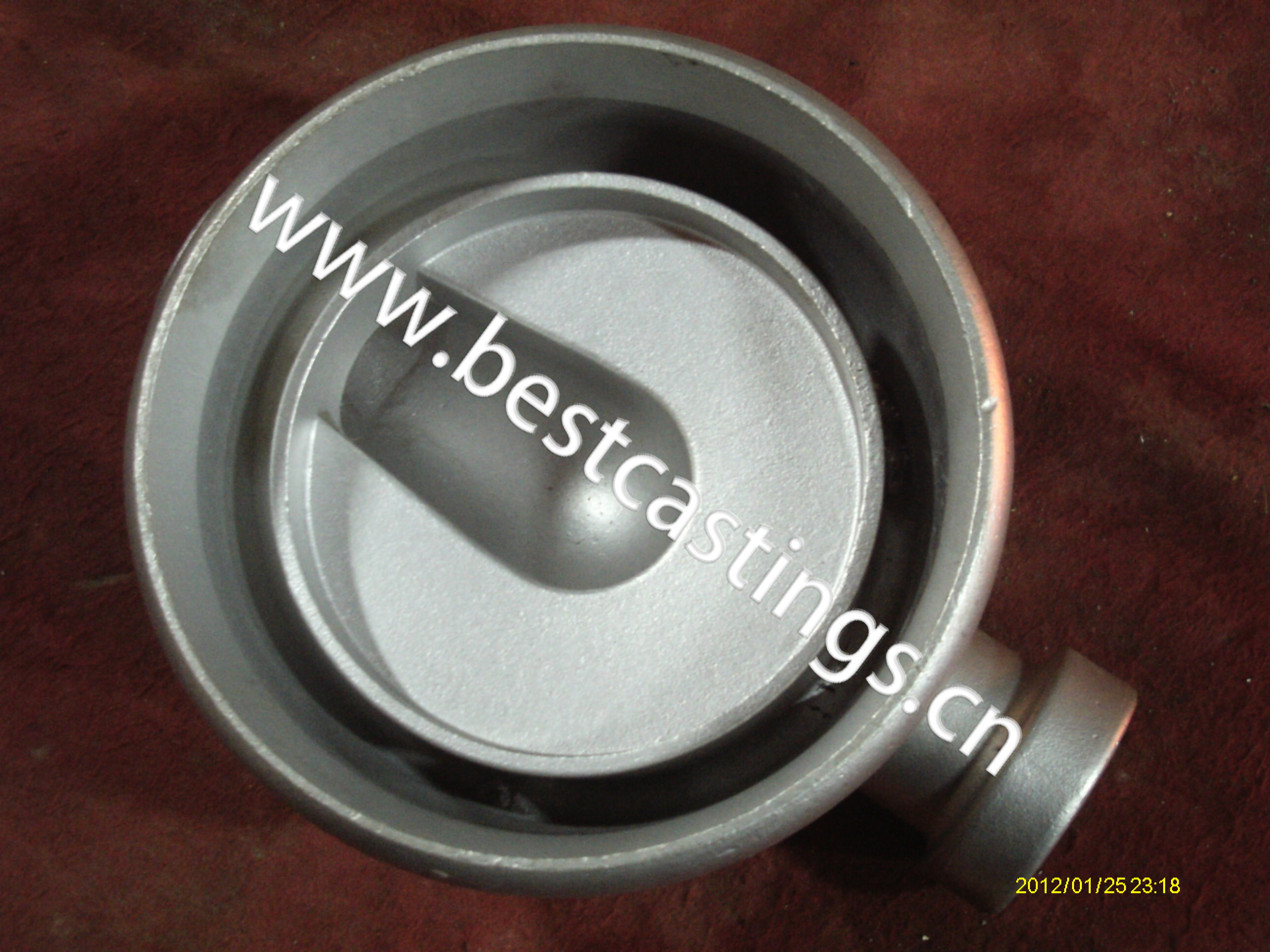
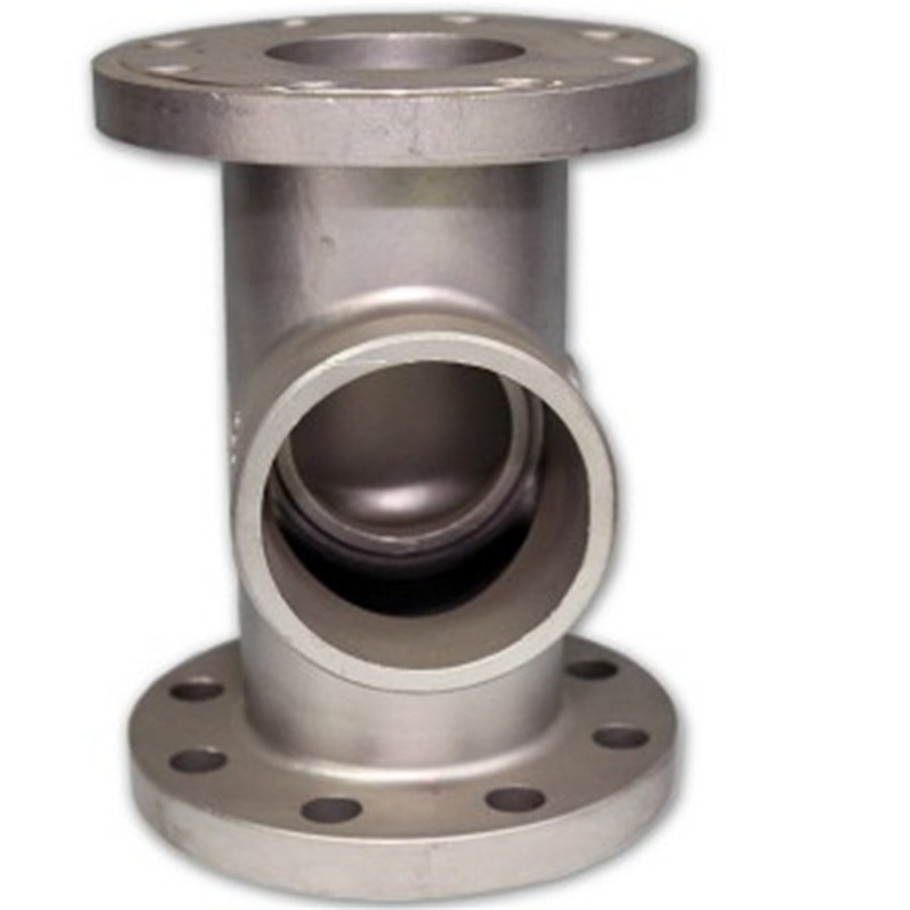
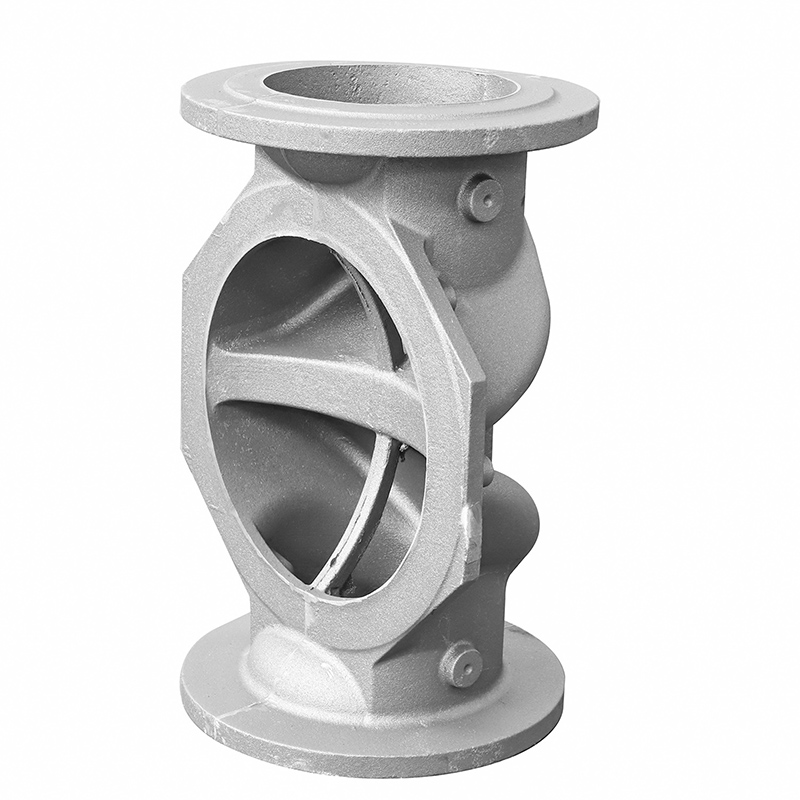
If you’re shopping for reliable components, the phrase cast iron casing,cast iron pump casing,cast iron castings will come up a lot — and for good reason. I’ve seen projects saved by a change from gray iron to ductile castings; the difference in toughness and long-term corrosion resistance is real, not just marketing copy.
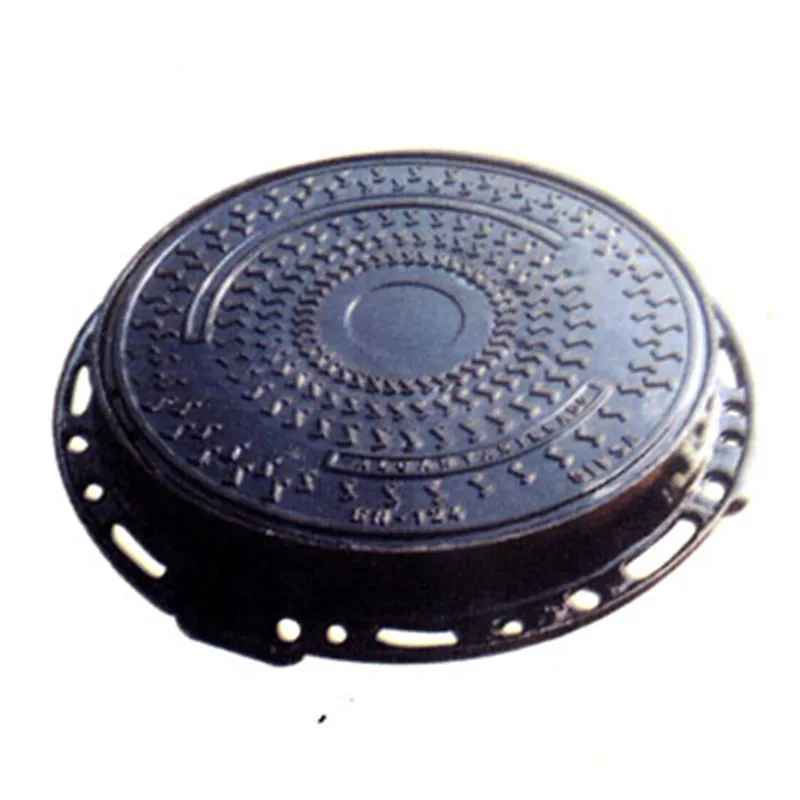
Municipal waterworks, pump manufacturers, railway rolling stock, truck components and valve makers increasingly favor ductile iron castings. Why? Better fatigue resistance, comparable strength to low-carbon steel, and a lower price than cast steel. Many customers say switching to ductile castings reduced downtime and machining costs.
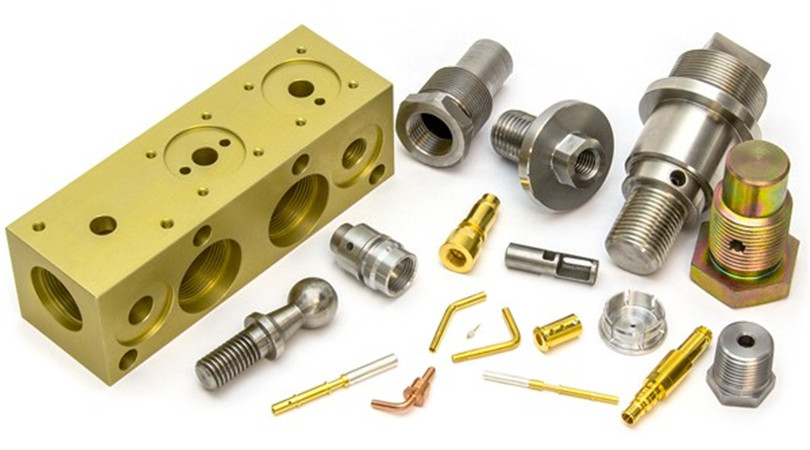
In practice the flow is straightforward but detail-heavy: material selection → moulding/casting → heat treatment → CNC roughing and precision turning → surface grinding and engraving → coating/finish → testing & QC. Mingda uses sand casting, lost-foam and vacuum moulding depending on tolerance and volume, then CNC-machines parts from 1mm–300mm when needed.
Most components are ductile (nodular) iron, cast per industry specs (e.g. ASTM A536 or relevant GB standards). For precision features, CNC turning/milling, surface grinding and secondary assembly are offered; tolerances chosen per drawing — I’ve seen ±0.02mm on bearing seats in real-world jobs.
Typical certified properties (real-world use may vary): tensile strength ≈ 420 MPa, yield ≈ 300 MPa, elongation ≥7%, impact values comparable to medium-carbon steel. Corrosion: in salt-spray tests (ASTM B117) some ductile iron shows only ≈1/40 the corrosion mass loss of steel over 90 days. Expected service life often 2× gray iron and up to 5× ordinary steel in municipal environments.
|
Product specification — Cast iron manhole covers (typical) |
|
|
Parameter |
Typical value / range |
|
Matériel |
Ductile iron (ASTM A536) / Grey iron options |
|
Tensile strength |
≥ 420 MPa (≈) |
|
Yield strength |
≥ 300 MPa |
|
Elongation |
≥ 7% |
|
Typical finishes |
Black paint, epoxy coating, galvanizing (upon request) |
|
Feature |
Mingda (example) |
Typical small foundry |
|
Experience |
>10 years, OEM & export |
5–10 years |
|
Casting methods |
Sand, lost-foam, vacuum |
Mostly sand casting |
|
CNC services |
Full CNC turning/milling, finishing |
Limited |
|
Certifications & testing |
ISO & ASTM testing, salt-spray |
Varies; often local standards |
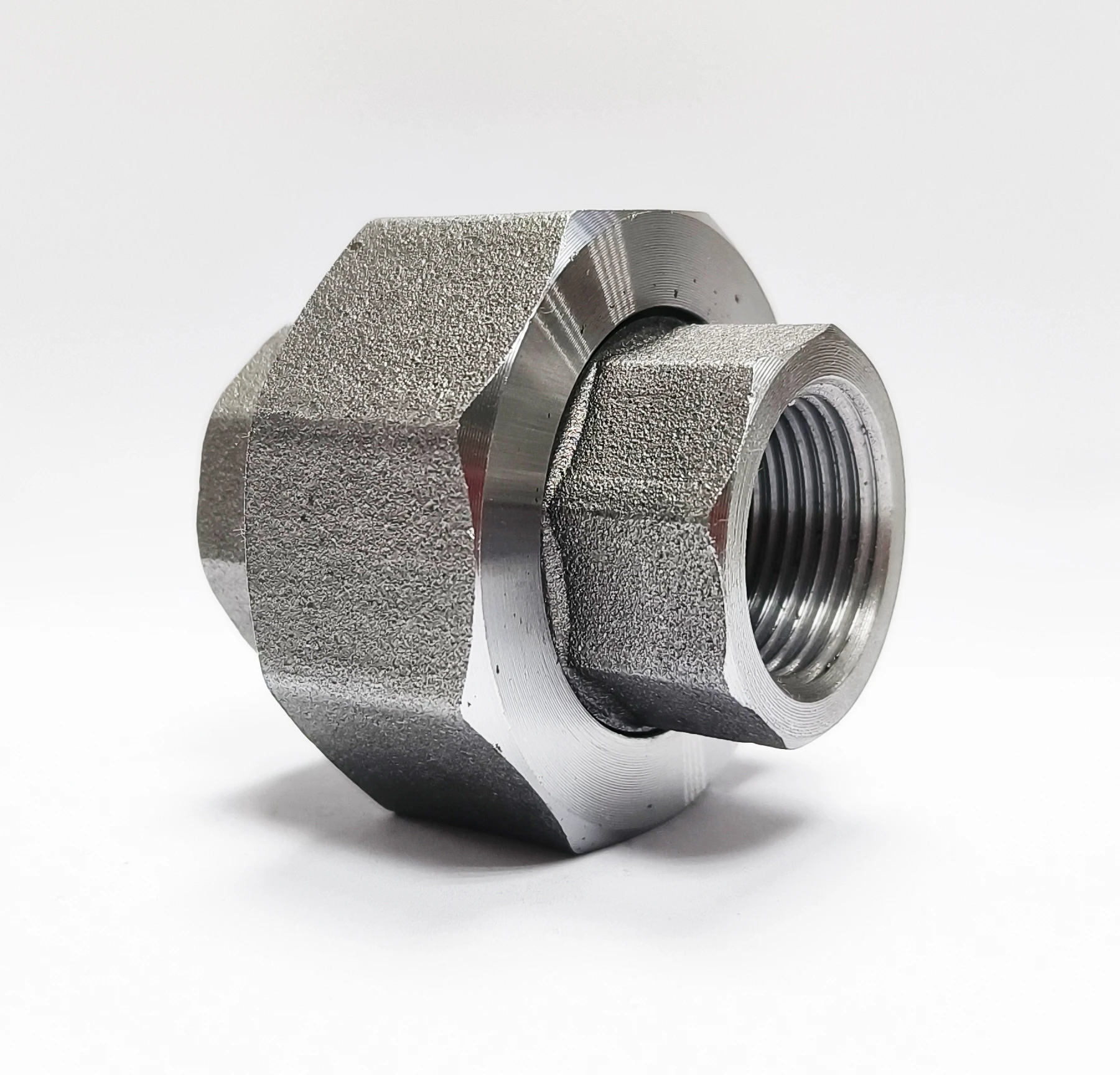
Mingda’s product line (Cast iron manhole covers) illustrates the mix of casting and precision machining most buyers want. They can produce parts from 1–300mm in a range of alloys, and offer secondary processing and sub-assembly — handy when you need turnkey components. A recent pump OEM I talked to reported fewer field failures after switching housings to ductile castings; surprised them, actually.
To sum up: if durability, machinability and cost-effectiveness matter, cast iron casing,cast iron pump casing,cast iron castings (especially ductile iron) deserve serious attention.