Phone:
+86 18631189888

Email:
liyanhui@bestcastings.cn


For procurement managers and engineers in the automotive, aerospace, and industrial sectors, understanding the costs associated with precision manufacturing is critical. Navigating a pressure casting pricelist can be challenging, as pricing is rarely a flat rate and instead depends on a complex interplay of material choices, geometry, and production volume. Whether you are looking for aluminum die casting or high-pressure zinc components, knowing the cost drivers allows you to optimize your design for both performance and budget. In this guide, we will break down the variables that influence pricing and provide actionable insights to help you secure the best value for your project.
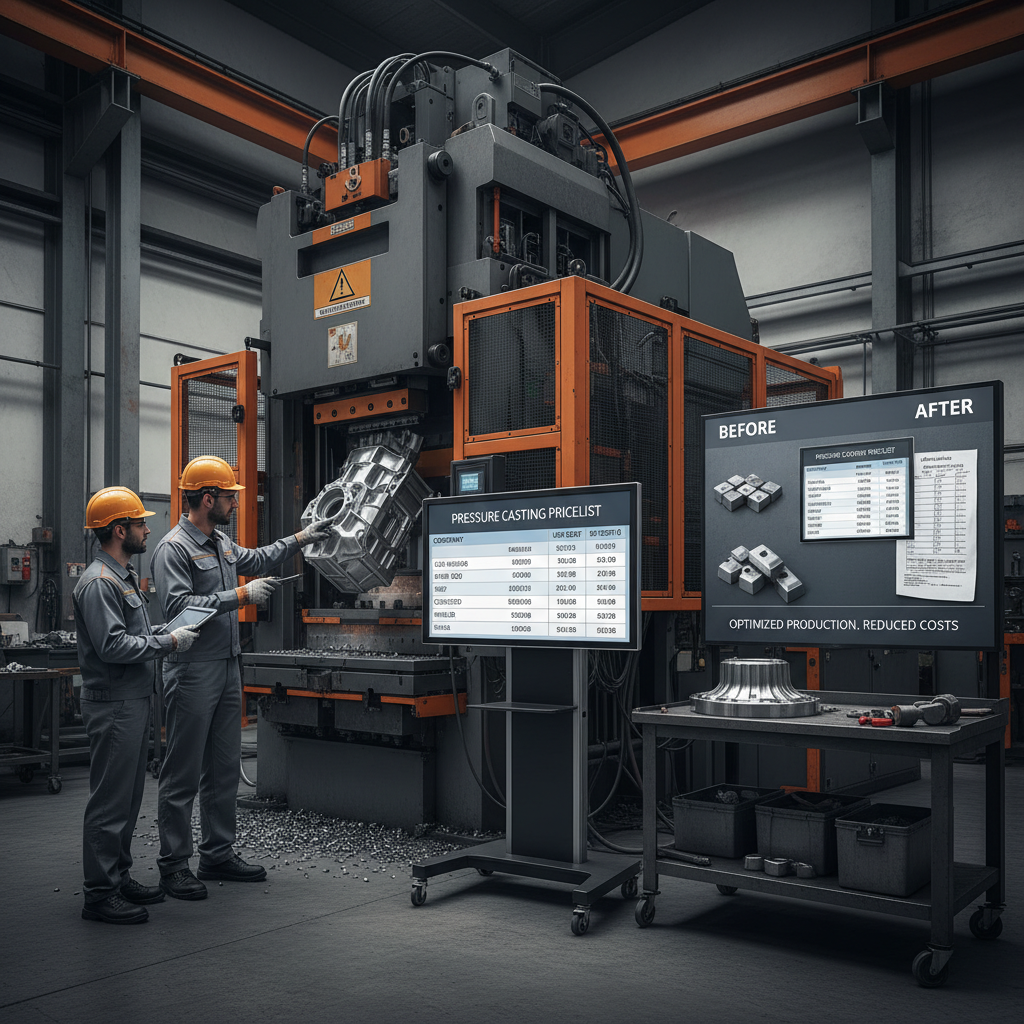
The final quote you receive from a manufacturer is the sum of several distinct cost centers. First is the tooling cost; the creation of high-strength steel dies is a significant upfront investment. Second is the material cost, which fluctuates based on global market prices for alloys like A380 aluminum or Zamak zinc. Third is the cycle time; the more complex the part, the longer it takes to cool and eject, increasing the labor and energy cost per unit. By analyzing a pressure casting pricelist, you will notice that high-volume orders drastically reduce the per-piece cost as the initial tooling expense is amortized over thousands of units.
Pro Tip: Reducing the wall thickness of your part (where structurally permissible) can lower material costs and decrease cycle times, leading to a lower unit price on your quote.
The choice of alloy is perhaps the most direct variable in any pressure casting pricelist. Aluminum is favored for its strength-to-weight ratio and corrosion resistance, making it ideal for automotive housings. Zinc, while denser, offers exceptional fluidity and the ability to cast extremely thin walls with high precision, often reducing the need for secondary machining. Magnesium is the premium choice for extreme lightweighting but comes with higher handling costs due to its reactivity. The table below illustrates how these materials generally compare in terms of cost and application.
One of the most confusing aspects of a pressure casting pricelist is the distinction between Non-Recurring Engineering (NRE) costs and unit costs. Tooling is a one-time fee that covers the design and machining of the die. For simple parts, this may be a few thousand dollars, but for complex multi-cavity molds, it can reach tens of thousands. However, the unit cost—what you pay for each single part—drops significantly as the volume increases. This "economy of scale" is why pressure casting is the preferred method for mass production compared to CNC machining or 3D printing.
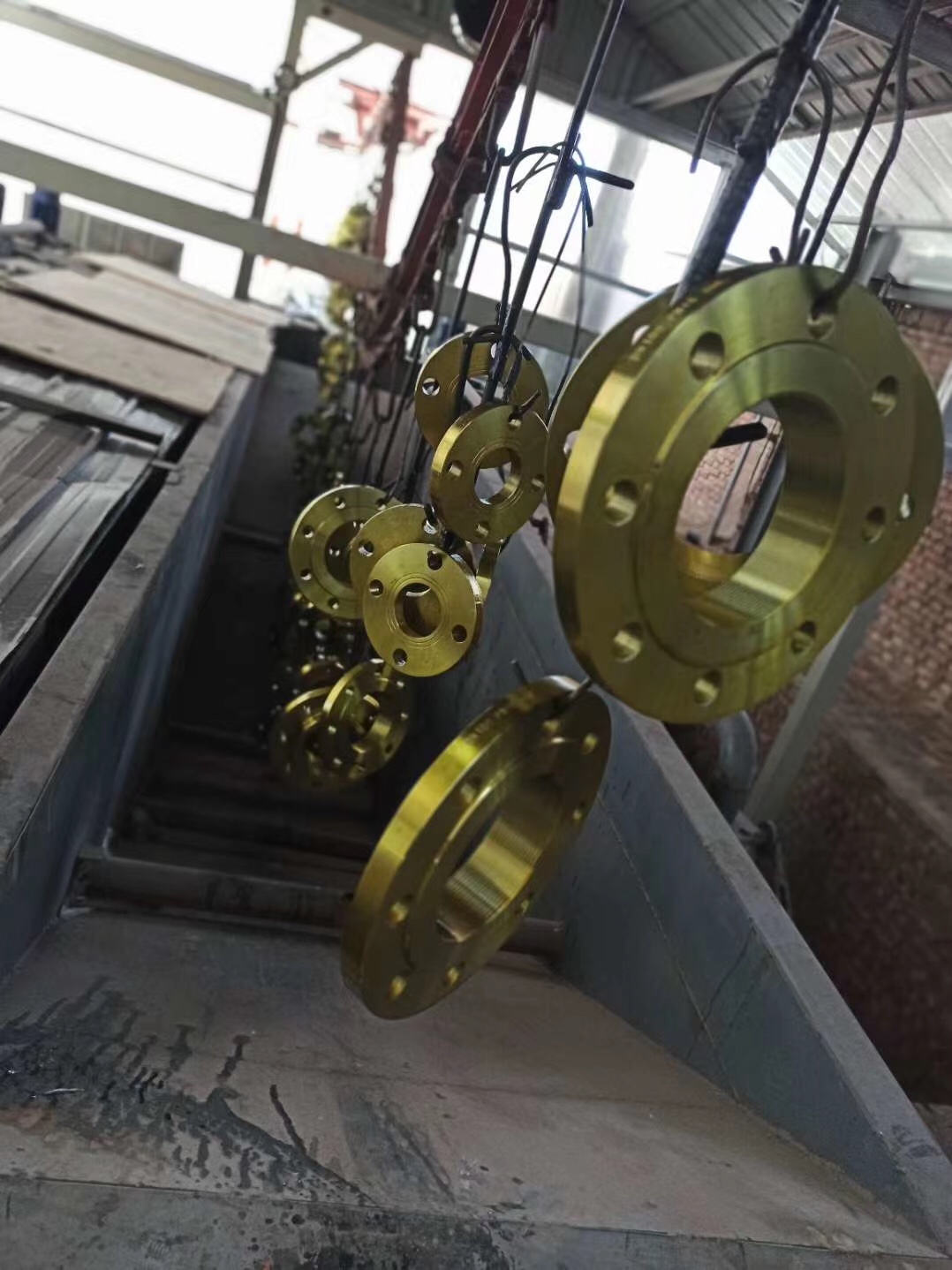
A raw casting is rarely the finished product. When reviewing a pressure casting pricelist, it is vital to check if "post-processing" is included. Common secondary operations include CNC machining for tight tolerances, deburring to remove sharp edges, and surface finishing such as powder coating, anodizing, or plating. These steps can sometimes double the unit cost. For example, a highly polished automotive trim piece will cost significantly more than a raw industrial housing, despite using the same amount of material.
To get the most competitive pricing from a pressure casting pricelist, engineers should design for manufacturability (DFM). This involves optimizing draft angles to ensure parts release easily from the mold and maintaining uniform wall thickness to prevent porosity and shrinkage. When these technical specifications are met, the scrap rate decreases, which directly lowers the price for the customer. Below are the typical specifications that influence the final quotation.
Ultimately, the lowest number on a pressure casting pricelist does not always equate to the best value. Quality assurance, certification (such as ISO standards), and the ability to provide technical DFM support can save thousands of dollars in the long run by preventing design failures and reducing lead times. A professional partner will not just give you a price but will help you analyze your blueprints to find the most cost-effective way to produce your part without compromising its structural integrity.
Understanding the nuances of a pressure casting pricelist is the first step toward efficient product development. By balancing material choice, tooling investment, and design optimization, companies can achieve high-precision results while maintaining a healthy bottom line. Whether you are in the prototyping phase or scaling for mass production, focusing on the total cost of ownership—including post-processing and quality control—ensures a successful project. Partner with a manufacturer who offers transparency and technical expertise to turn your vision into a high-performance reality.
The high upfront cost is primarily due to the creation of the die, or the mold. These molds are machined from high-grade tool steel to withstand the extreme pressures and temperatures of molten metal being injected at high speeds. Because this process requires precision CNC machining and heat treatment of the steel, the initial tooling cost is significant. However, this investment is what allows for the rapid production of thousands of identical, high-quality parts with very low unit costs over time.
In pressure casting, the relationship between volume and price is inverse. As order quantities increase, the "cost per part" decreases. This is because the fixed costs—such as mold design, tooling fabrication, and machine setup—are spread across a larger number of units. Additionally, high-volume production allows the manufacturer to optimize the casting cycle and purchase raw materials in bulk, further reducing the cost. This is why pressure casting is rarely economical for very small batches but becomes the most cost-effective method for large-scale manufacturing.
Yes, cost reduction is often possible through Design for Manufacturability (DFM). By working with your supplier to optimize the part's geometry—such as using a constant wall thickness to prevent "sink marks" and implementing generous draft angles—you can reduce the scrap rate and shorten the cooling cycle. Additionally, evaluating whether you truly need expensive secondary finishes (like mirror polishing) or if a standard matte finish suffices can lead to significant savings without affecting the functional performance of the part.
While raw material costs fluctuate, zinc generally has a lower melting point than aluminum, which means the dies last longer and the energy consumption per cycle is lower. However, zinc is heavier. Aluminum is more expensive to cast in terms of energy and tool wear but offers a superior strength-to-weight ratio. The choice depends on your application; if you need a lightweight structural part, aluminum is the go-to. If you need extreme precision and high-volume small parts with complex details, zinc may be the more economical choice on your pressure casting pricelist.