Phone:
+86 18631189888

Email:
liyanhui@bestcastings.cn


In the realm of pipeline infrastructure and industrial applications, the China raised face blind flange stands as a crucial component. These flanges, manufactured in China, are sought after globally for their reliability, durability, and cost-effectiveness. This article will delve into the specifications, applications, quality control, and trade considerations surrounding these vital industrial parts, providing valuable insights for importers and engineers alike. Choosing the right flange is paramount for ensuring system integrity and longevity. We’ll explore the benefits of sourcing from reputable Chinese manufacturers like Mingda Metals.
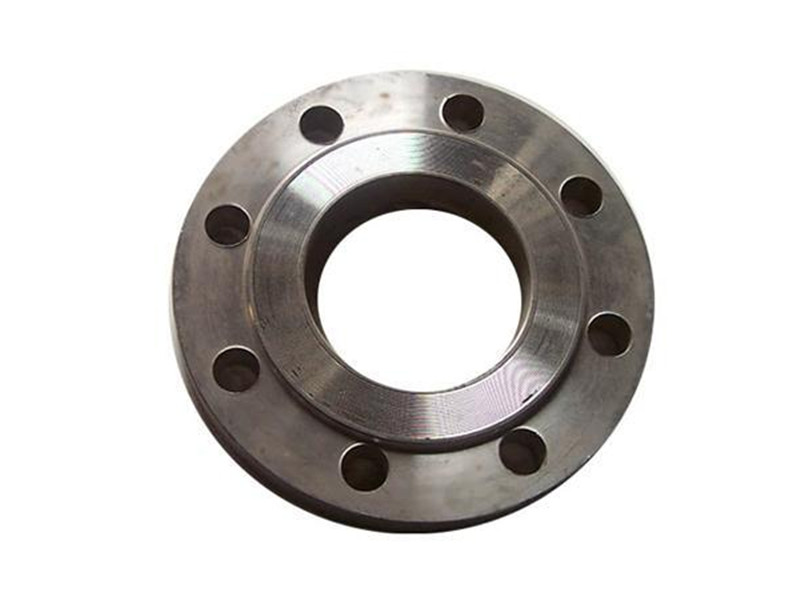
A raised face blind flange is a circular plate with a raised rim (the "face") used to seal the end of a pipeline or to connect it to another piece of equipment. ‘Blind’ indicates it does not have a through-bore, acting as a dead end for the system. Manufactured in China, these flanges are renowned for their adherence to international standards like ANSI, ASME, DIN, and JIS. The "raised face" design creates a tighter seal compared to flat-face flanges, minimizing leakage and ensuring system integrity. They are commonly constructed from carbon steel, stainless steel (304, 316), and alloy steel, selected based on the application's temperature, pressure, and corrosive environment. Mingda Metals specializes in providing customized solutions to meet these varied requirements.
Key Features: High strength, corrosion resistance (depending on material), precise dimensions, adherence to international standards, cost-effective manufacturing.
The versatility of China raised face blind flanges allows for applications across numerous industries. Key sectors include oil & gas, petrochemicals, water treatment, power generation, shipbuilding, and pharmaceuticals. They are used for: terminating pipelines during maintenance, testing pipeline integrity, providing access for inspection, and isolating sections of a system for repairs. The raised face design is particularly suitable for high-pressure applications where a secure seal is critical. Furthermore, their availability in various materials makes them adaptable to corrosive environments.
Common Applications:
• Pipeline termination and isolation
• Equipment testing and maintenance
• Process system modifications
• High-pressure pipeline connections
Choosing the correct material is crucial for a raised face blind flange. Here's a comparison of commonly used materials:
Sourcing China raised face blind flanges requires diligent quality control. Look for manufacturers with ISO 9001 certification, ensuring adherence to international quality management systems. Key inspection points include dimensional accuracy, material composition verification (through chemical analysis and mechanical testing), surface finish, and non-destructive testing (NDT) like radiography and ultrasonic testing. Mingda Metals prioritizes quality and provides comprehensive documentation, including material test reports (MTRs) and inspection certificates.
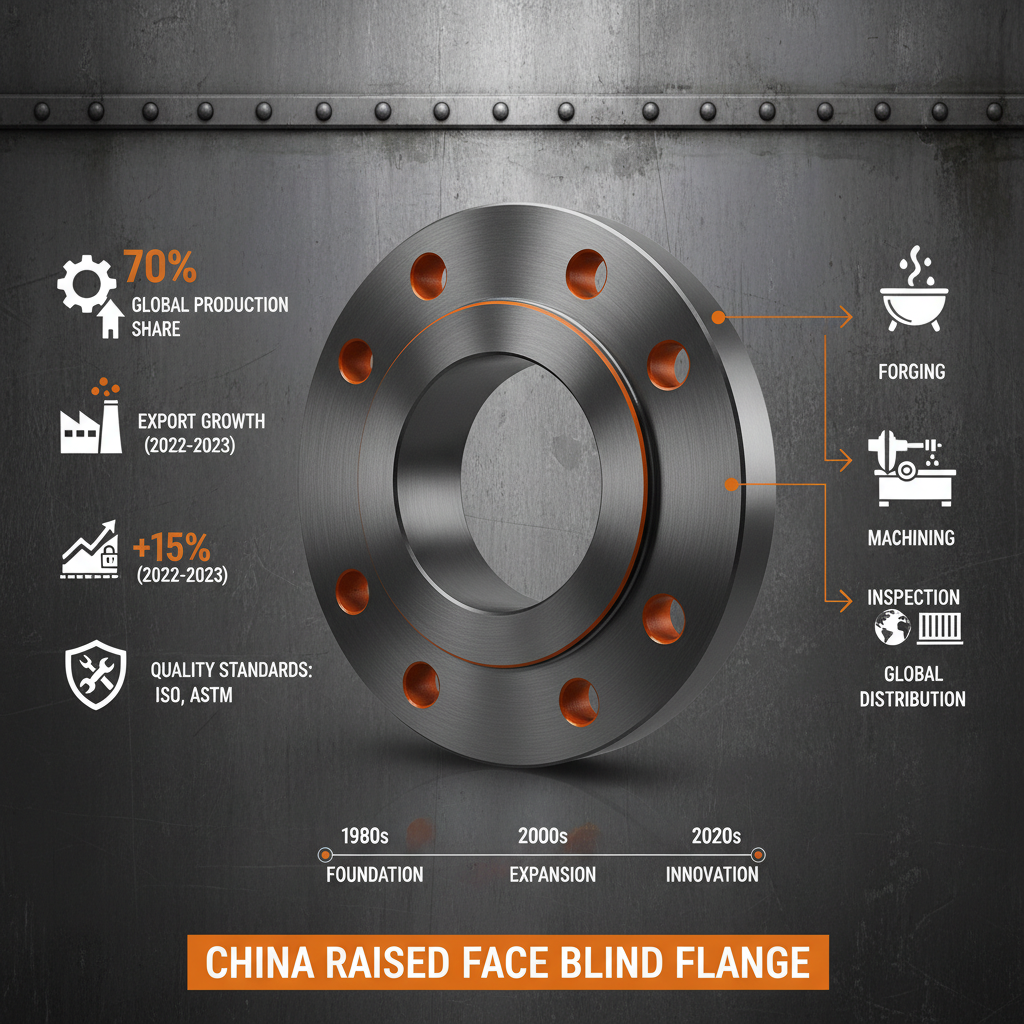
When importing from China, be mindful of Incoterms (International Commercial Terms) like FOB, CIF, and DDP. Understanding these terms clarifies responsibilities for shipping, insurance, and customs duties. Also, familiarize yourself with Chinese export regulations and import requirements in your country. Thorough documentation, including commercial invoices, packing lists, and certificates of origin, is essential for smooth customs clearance. Working with a reputable sourcing agent or directly with established manufacturers like Mingda Metals can simplify the process and mitigate risks.
Sourcing China raised face blind flanges offers a compelling combination of quality, cost-effectiveness, and customization options. However, meticulous quality control and a clear understanding of import procedures are crucial for success. By partnering with reputable manufacturers and prioritizing due diligence, businesses can secure reliable flanges that meet their specific requirements and contribute to the longevity of their pipeline systems.
Lead times can vary depending on the quantity, material, and complexity of the order. Generally, standard sizes and materials in stock can be shipped within 2-4 weeks. Custom-made flanges or those requiring specialized materials may have lead times of 6-8 weeks or longer. It's essential to confirm lead times with the manufacturer at the time of placing the order. Factors such as current production capacity and shipping schedules can also affect delivery times. Mingda Metals provides realistic lead time estimates and keeps clients informed throughout the production process.
Key certifications to look for include ISO 9001 (quality management system), ISO 14001 (environmental management system), and OHSAS 18001 (occupational health and safety assessment series). Additionally, ask for material test reports (MTRs) conforming to EN 10204 3.1 for each batch of flanges. These certifications demonstrate the supplier's commitment to quality, environmental responsibility, and worker safety. Mingda Metals is fully certified and provides all necessary documentation with its products.
Common shipping methods include sea freight (FCL - Full Container Load, or LCL - Less than Container Load), air freight, and express delivery. Sea freight is the most cost-effective option for large volumes, but it has longer transit times. Air freight is faster but more expensive. Express delivery is suitable for small, urgent orders. The choice of shipping method depends on the urgency, volume, and budget. It’s important to factor in customs clearance procedures and potential delays when estimating delivery times. Mingda Metals can assist with logistics and shipping arrangements.