Phone:
+86 18631189888

Email:
liyanhui@bestcastings.cn


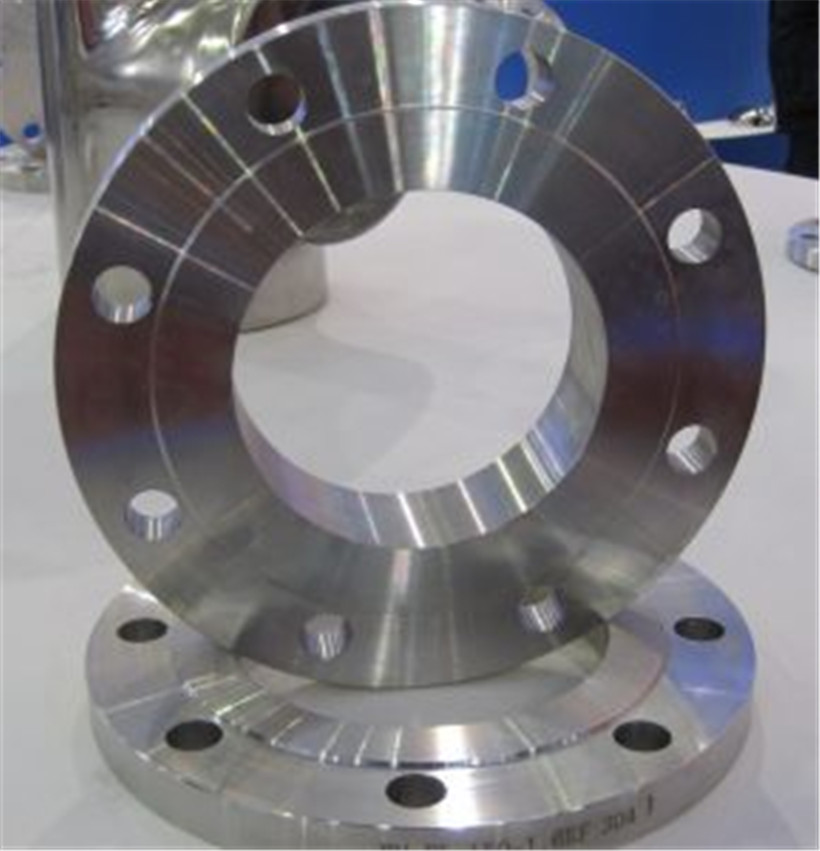
Stainless steel industrial flanges are essential connection components in pipeline systems, industrial machinery and fluid transportation equipment. They are designed to connect pipes, valves, pumps and other equipment, providing secure connection points for installation, maintenance and system assembly. Depending on the application, stainless steel flanges are available in different structures, dimensions, pressure ratings and material grades.
For industrial buyers, selecting the right stainless steel industrial flange requires careful consideration of material properties, connection standards, operating pressure and environmental conditions. Whether purchasing standard flange products or developing customized components, understanding these factors helps ensure compatibility with the intended equipment and pipeline system.
Hebei Mingda International Trading Company specializes in castings, forgings and machinery parts. Through close business relationships with manufacturers in major cities across China, the company provides flexible sourcing and production coordination for customers with different industrial component requirements.

An industrial flange is a mechanical component used to connect pipes, valves, pumps and other equipment. Flanged connections typically use bolts and gaskets to join two corresponding flange faces, allowing components to be assembled and disassembled when necessary.
Stainless steel is widely used in industrial flange manufacturing because different stainless steel grades offer combinations of corrosion resistance, strength and durability.
Common material grades include:
The appropriate material should be selected according to the working environment, transported medium and applicable technical standards.
Different industrial systems require different flange structures. The selection depends on pipeline design, installation conditions, pressure requirements and connection methods.
Weld Neck Flanges
Weld neck flanges feature a tapered hub that is connected to the pipe through butt welding. They are commonly considered for applications requiring a strong connection and suitable stress distribution.
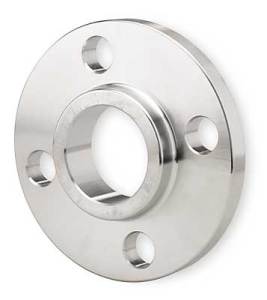
Slip-On Flanges
Slip-on flanges are designed to slide over the pipe before welding. Their installation structure is relatively straightforward, making them a common option for various industrial pipeline systems.
Blind Flanges
Blind flanges are used to close the end of a pipe, valve or equipment opening. They provide a removable closure when access to the pipeline may be required in the future.
Threaded Flanges
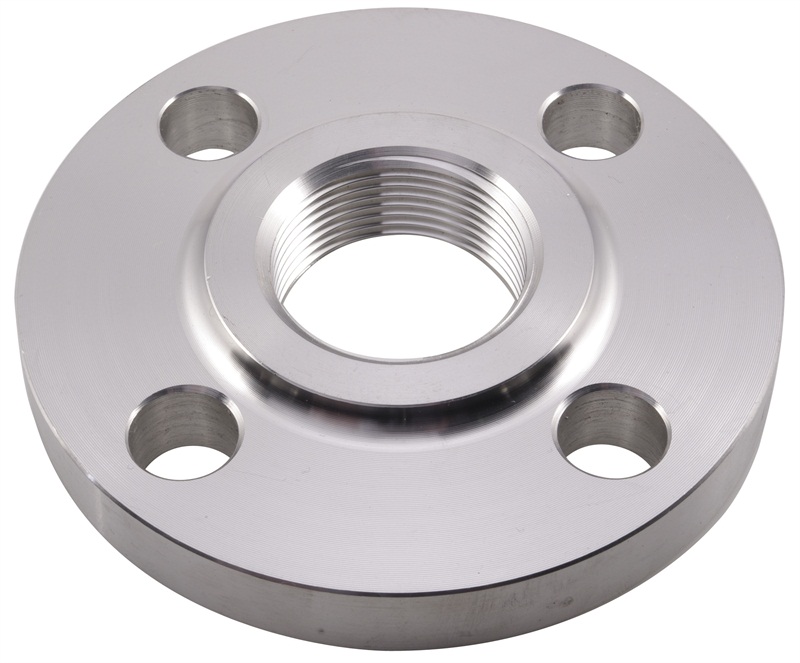
Threaded flanges use internal threads to connect with compatible pipes. They may be considered for certain applications where welding is not preferred or practical.
Socket Weld Flanges
Socket weld flanges are designed for smaller-diameter pipeline connections. The pipe is inserted into the flange socket and joined through welding.
Each type has different installation and application requirements. Buyers should select the appropriate structure according to the pipeline design and applicable standards.
Material selection directly influences the performance and service life of industrial flanges. Stainless steel offers several characteristics that make it suitable for different industrial environments.
Corrosion Resistance
Stainless steel contains chromium, which forms a protective passive layer on the material surface. This helps many stainless steel grades resist corrosion in suitable environments. Grades such as 316 and 316L may be preferred when additional resistance to certain corrosive substances is required.
Mechanical Strength
Different stainless steel grades offer different mechanical properties. Selecting the appropriate grade helps ensure that the flange can meet the required structural and operating conditions.
Temperature Performance
Stainless steel grades can be used in various temperature environments. However, their suitability depends on the specific alloy, temperature range and operating conditions.
Durability and Maintenance
Stainless steel components can provide long service life when properly selected, installed and maintained. Their surface characteristics and corrosion resistance make them useful in many industrial applications.
Material selection should always be based on actual operating requirements rather than assuming that all stainless steel grades perform equally.
Before purchasing stainless steel industrial flanges, buyers should confirm several technical specifications to ensure compatibility with the pipeline or equipment.
These details should be confirmed before production or purchasing. Flanges with similar nominal sizes may still differ in dimensions, pressure classes, facing types and bolt patterns.
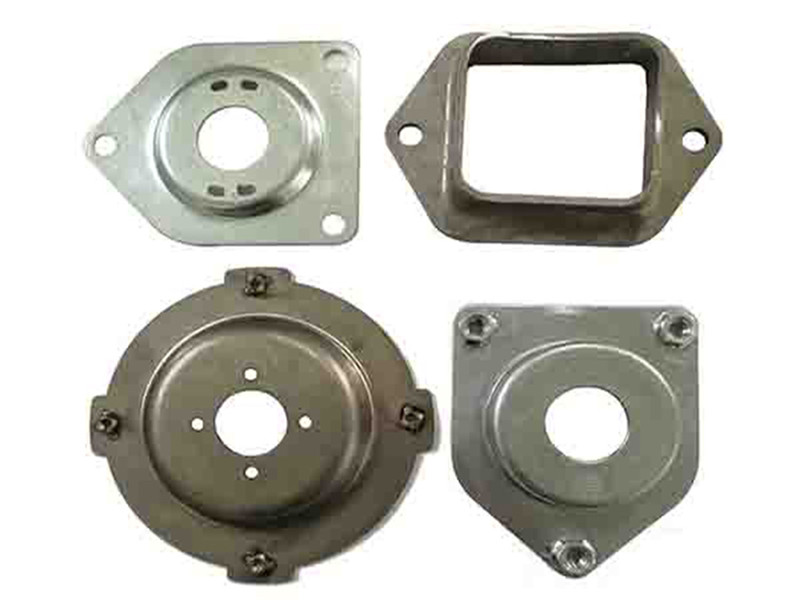
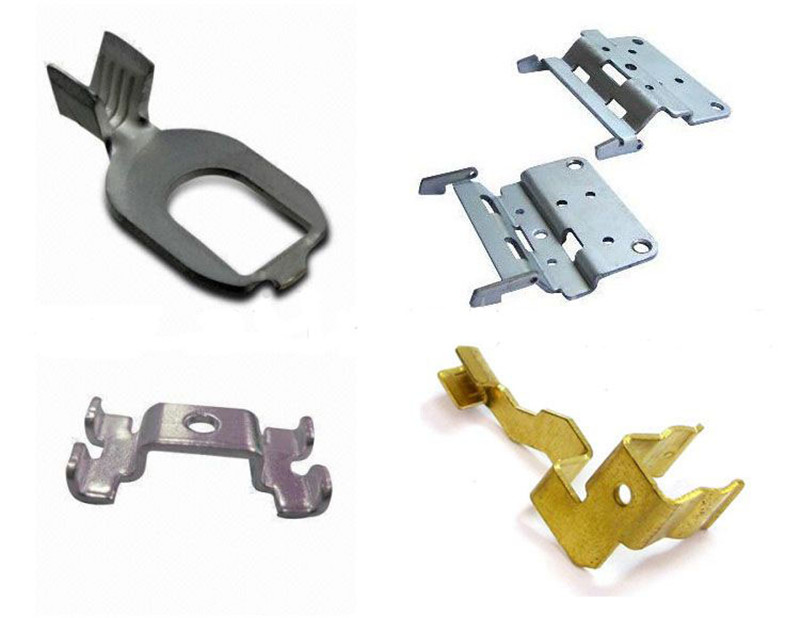
Industrial projects often require flange products with specific dimensions, materials and structural configurations. Customized manufacturing can help meet requirements that standard products may not fully satisfy.
The manufacturing method may involve forging, casting, machining or a combination of processes, depending on the flange design, material and applicable requirements.
Step 1: Technical Drawing Review
Customers can provide product drawings, 3D models or detailed specifications. Important information, including flange dimensions, bolt hole arrangements, material grades and pressure requirements, should be reviewed.
Step 2: Material Confirmation
The required stainless steel grade should be confirmed according to the intended application. Material standards and any required material documentation should also be clarified.
Step 3: Manufacturing Process Evaluation
Different flange structures may require different manufacturing approaches. The suitable process should be evaluated according to product dimensions, mechanical requirements, order quantity and applicable standards.
Step 4: Machining and Surface Finishing
Machining may be required to achieve precise dimensions, bolt hole positions and sealing surface requirements. Additional surface treatments should be specified according to the customer's requirements.
Step 5: Quality Inspection
Inspection requirements should be established before production. Depending on the project, they may include dimensional inspection, visual examination, material verification and other specified testing procedures.
Step 6: Packaging and Delivery
Finished flange products should be checked against the order specifications before packaging. Quantities, packaging methods and delivery arrangements should be coordinated according to customer requirements.
Stainless steel industrial flanges are used in various industries where reliable mechanical connections are required.
Oil and Gas Industry
Pipeline systems in the oil and gas sector require flange connections that meet specific pressure, temperature and material requirements. Stainless steel grades may be selected according to the transported medium and operating environment.
Chemical Processing
Chemical processing equipment may involve exposure to different chemicals and corrosive substances. Selecting an appropriate stainless steel grade is essential for maintaining component suitability.
Water Treatment Systems
Stainless steel flanges may be used in selected water treatment pipelines, filtration equipment and fluid transportation systems. Material selection should consider water composition and operating conditions.
Food and Beverage Processing
Certain stainless steel grades are used in food and beverage processing equipment because of their corrosion resistance and cleanability. Applicable hygienic requirements should be considered when selecting flange products.
Industrial Machinery and Manufacturing
Flanges are also used to connect equipment, pumps, valves and pipeline assemblies in general manufacturing facilities.
Choosing a suitable supplier involves more than comparing product prices. Buyers should evaluate the supplier's ability to understand technical specifications and coordinate manufacturing requirements.
Material Specification Knowledge
A suitable supplier should be able to communicate material grades and understand the importance of selecting materials according to the working environment.
Manufacturing Resource Coordination
Different flange types may require different manufacturing processes. Buyers should consider whether the supplier can coordinate suitable production resources for the required product.
Dimensional and Quality Requirements
Product dimensions, tolerances, inspection methods and acceptance criteria should be clearly communicated before production begins.
Order Flexibility
Industrial projects may involve different order quantities and customized product requirements. Flexible production coordination can help address different purchasing needs.
Delivery Management
Production schedules, packaging requirements and shipping arrangements should be confirmed to support the buyer's project timeline.
Clear communication throughout the sourcing process helps reduce misunderstandings and supports more efficient order management.
Hebei Mingda International Trading Company is a specialized trading company focusing on castings, forgings and machinery parts. The company has established close business relationships with manufacturers in major cities across China, providing access to different manufacturing resources.
This business network allows Hebei Mingda to coordinate various metal component products according to customer requirements.
Specialized Focus on Industrial Metal Products
The company works in the fields of castings, forgings and machinery parts. Its specialized business scope supports customers sourcing different types of industrial components.
Flexible Manufacturing Resource Coordination
Different stainless steel flange projects may involve different materials, dimensions and manufacturing requirements. Through its business relationships with manufacturers across China, Hebei Mingda can coordinate suitable production resources according to individual project needs.
Attention to Customer Specifications
Customized orders often involve detailed drawings, material grades, dimensional tolerances and technical standards. The company works to communicate these requirements with manufacturing partners to support customer expectations.
Quality and Delivery Coordination
Product quality and delivery time are important considerations for international buyers. Hebei Mingda coordinates with manufacturing partners to support customers' quality requirements and delivery schedules.
For buyers looking for stainless steel industrial flanges, customized metal components or other machinery parts, Hebei Mingda International Trading Company offers a flexible sourcing approach backed by its manufacturing connections across China.
Common grades include 304, 316 and 316L stainless steel. The appropriate grade depends on the application, corrosion exposure, temperature and mechanical requirements.
Common types include weld neck, slip-on, blind, threaded and socket weld flanges. Each type has different structural and installation characteristics.
Yes. Customized flange projects can be evaluated based on customer drawings, 3D models or technical specifications. Material grades, dimensions and applicable standards should be confirmed before production.
Common specifications include ASME B16.5 and EN 1092-1. The applicable standard depends on the pipeline system, market and project requirements.
Buyers should provide the required material grade, nominal pipe size, pressure class, flange type, dimensions, applicable standard, order quantity and expected delivery schedule.
Stainless steel industrial flanges play an important role in connecting pipelines, valves, pumps and industrial equipment. Selecting suitable products requires careful consideration of material grades, flange structures, pressure ratings, dimensions and applicable standards.
Hebei Mingda International Trading Company specializes in castings, forgings and machinery parts. Through established business relationships with manufacturers in major cities across China, the company provides flexible sourcing and production coordination for different industrial component requirements.
If you are looking for stainless steel industrial flanges or customized metal components, contact Hebei Mingda International Trading Company to discuss your drawings, material specifications and project requirements.