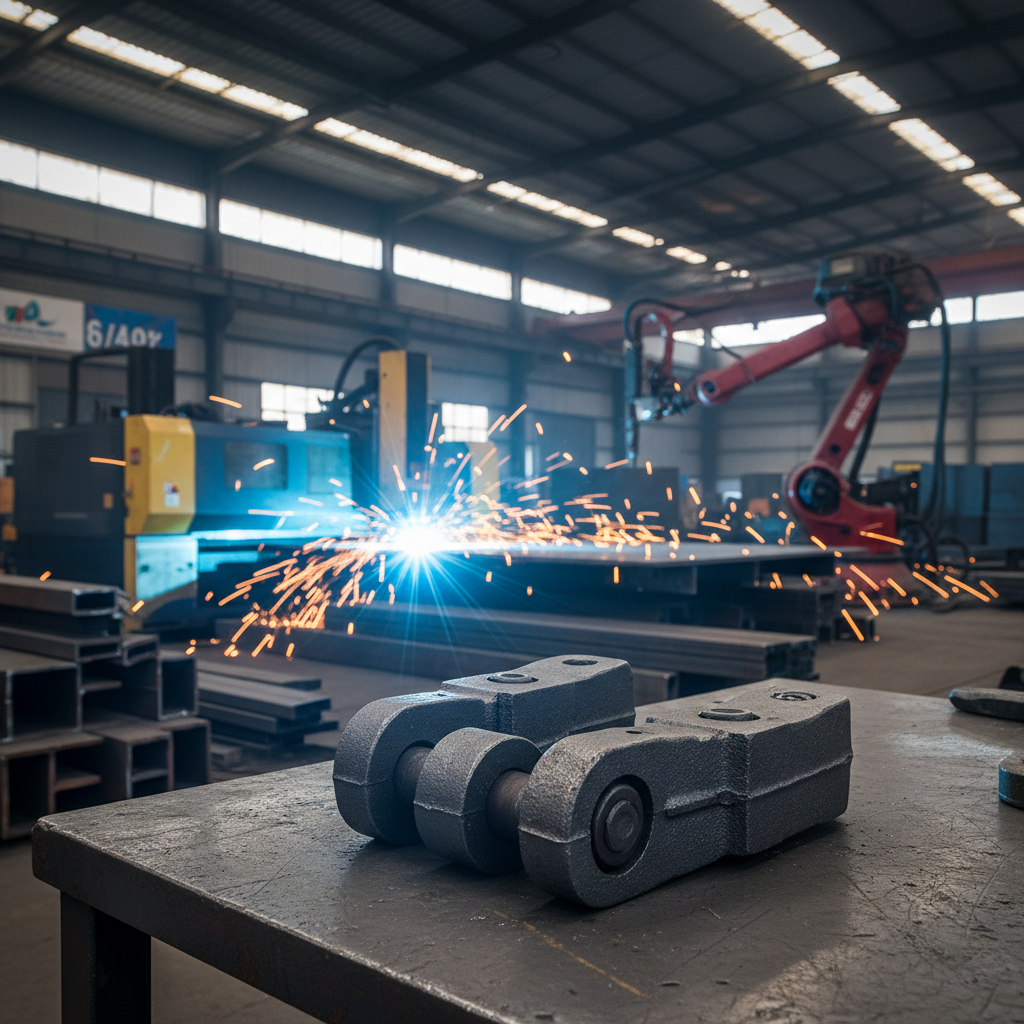
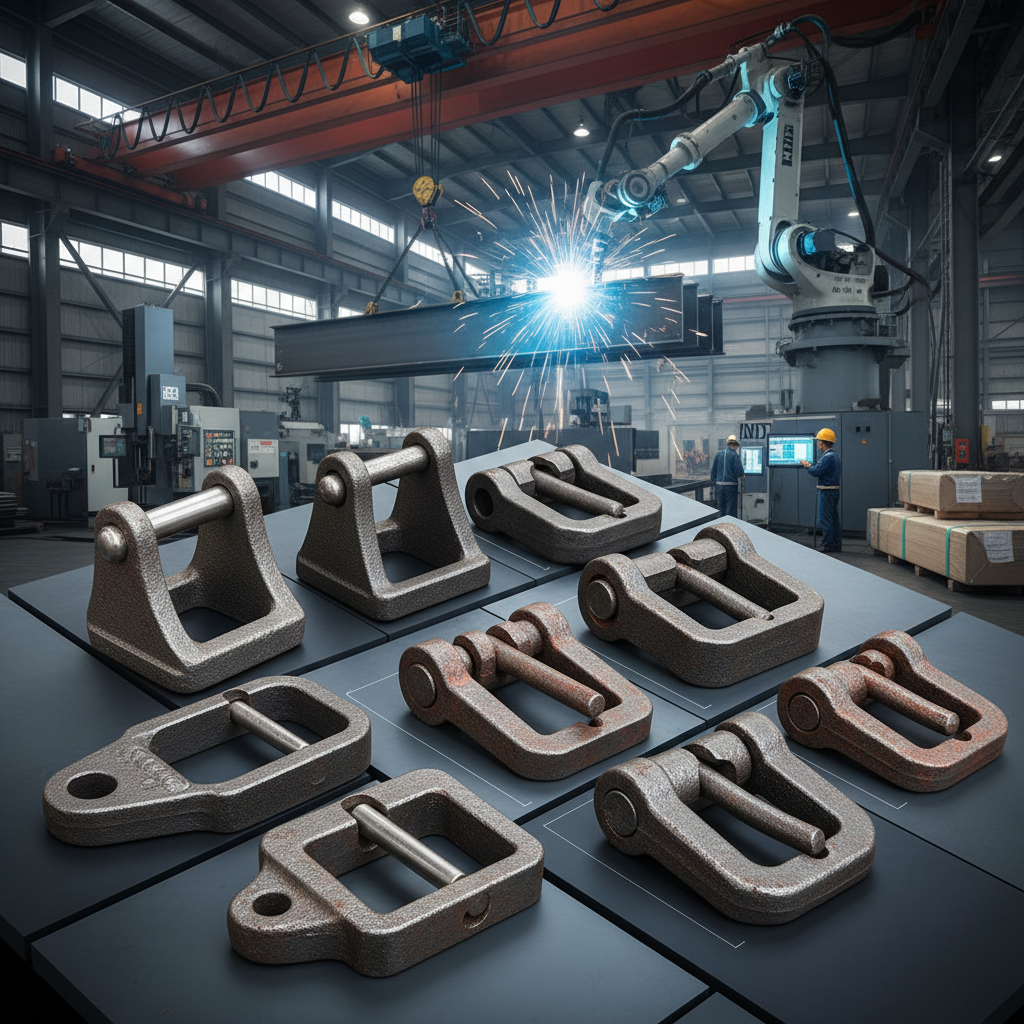
In the demanding landscape of heavy industrial manufacturing, the integrity of fastening systems often determines the overall safety and longevity of a project. The use of buckle cast iron provides a robust solution for securing heavy-duty components, blending the compressive strength of cast iron with a specialized buckling mechanism designed for rapid deployment and extreme stability.
Globally, the demand for high-performance metal fasteners has surged as infrastructure projects move toward more modular and durable designs. Understanding the nuances of buckle cast iron is essential for engineers and procurement specialists who seek to minimize mechanical failure while optimizing the cost-to-weight ratio in challenging environments.
By leveraging advanced metallurgy and precision casting, buckle cast iron components offer a unique combination of vibration resistance and structural rigidity. This guide explores the technical specifications, global applications, and future innovations that make these components indispensable in modern industrial assembly.
Global Industrial Context of Buckle Cast Iron
The global reliance on heavy-duty fasteners has evolved significantly with the rise of smart cities and massive industrial expansion across Asia and Africa. According to industry standards aligned with ISO guidelines, the stability of structural joints is paramount; this is where buckle cast iron enters as a critical component. It addresses the persistent challenge of "joint creep" and vibration-induced loosening in high-stress environments.
As the World Bank highlights the necessity for resilient infrastructure in developing regions, the adoption of cost-effective yet durable materials like cast iron has seen a resurgence. The ability to mass-produce complex buckle geometries ensures that critical infrastructure can be assembled quickly without sacrificing the safety margins required by international building codes.
Definition and Technical Meaning
In technical terms, buckle cast iron refers to a specialized casting of iron—typically ductile or grey iron—formed into a fastening mechanism that utilizes a "buckling" or snapping action to lock components securely. Unlike traditional threaded bolts, which can loosen over time due to thermal expansion or vibration, a buckle system provides a mechanical lock that is often more intuitive to engage and disengage.
This material choice is not accidental. Cast iron is selected for its exceptional compressive strength and its natural damping capacity, which allows the buckle to absorb shocks and vibrations that would otherwise cause fatigue in high-carbon steel. This makes it an ideal choice for heavy machinery bases, manhole covers, and industrial clamps.
In the context of modern humanitarian and industrial needs, these components enable the rapid deployment of temporary bridges, emergency housing frameworks, and modular piping systems. The simplicity of the buckle mechanism ensures that installation can be performed by technicians with minimal specialized tooling, reducing downtime in critical failure scenarios.
Core Components of Material Integrity
The durability of buckle cast iron starts with the carbon-to-silicon ratio during the smelting process. High-quality castings must balance fluidity during the pour with the hardness required for the locking lip of the buckle, ensuring that the mechanism does not deform under extreme loads.
Furthermore, the surface treatment of buckle cast iron is a core component of its longevity. Through processes like powder coating or galvanization, the natural susceptibility of iron to oxidation is mitigated, allowing these buckles to operate in saline coastal environments or chemically aggressive industrial zones without compromising their mechanical lock.
Finally, the scalability of the design allows for a wide range of load-bearing capacities. From small-scale industrial clamps to massive structural anchors, the geometry of the buckle is engineered to distribute stress evenly across the casting, preventing the localized stress concentrations that typically lead to brittle fractures.
Global Applications and Use Cases
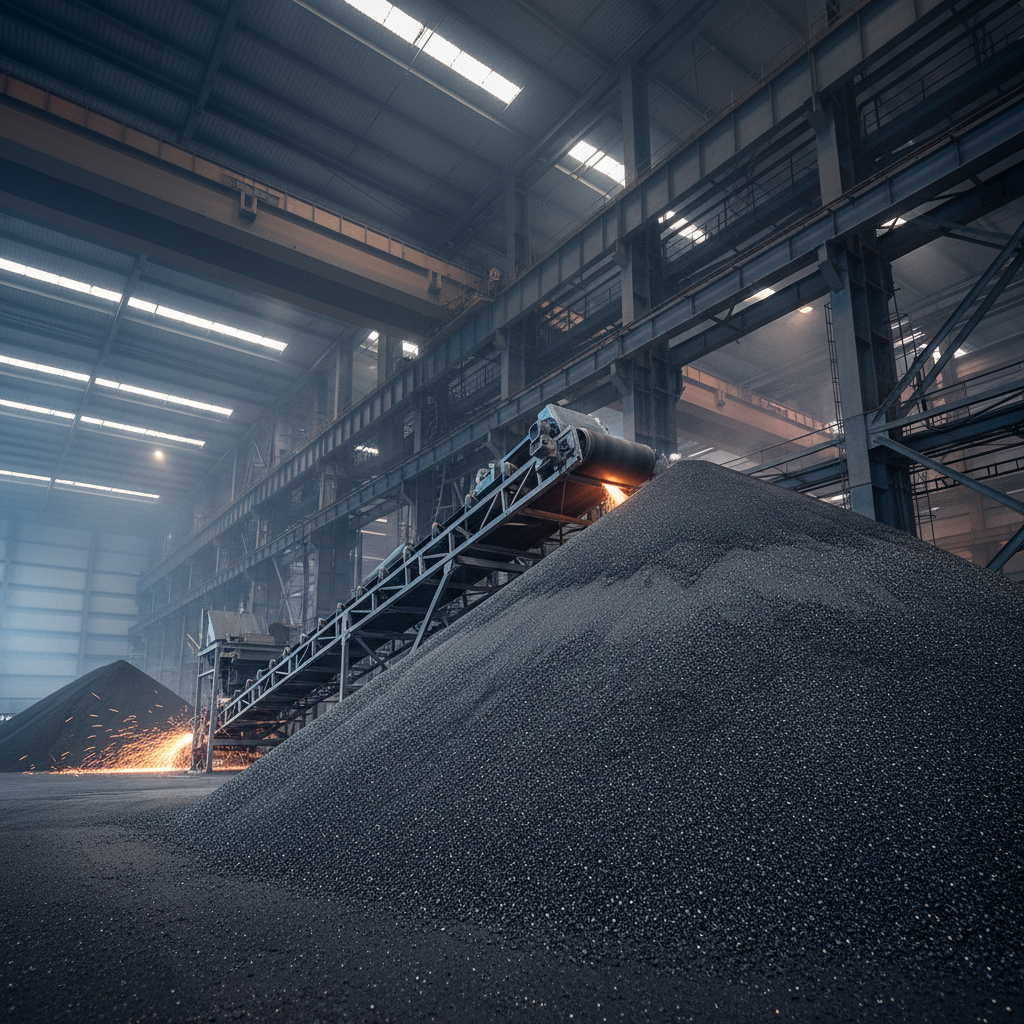
Across the globe, buckle cast iron is employed in diverse sectors. In the mining industry of Australia and Canada, these fasteners are used in heavy conveyor systems where the constant vibration of ore transport would strip traditional threads. The buckle mechanism ensures a locked state that persists despite continuous seismic-like movement.
In urban infrastructure, particularly in Europe and Asia, buckle-style cast iron covers and frames are the gold standard for drainage and utility access. These designs provide a secure, flush fit that prevents rattling and minimizes noise pollution in residential areas, while still allowing rapid access for maintenance crews during emergencies.
Performance Comparison of Buckle Cast Iron Methods
Advantages and Long-Term Value
One of the most tangible benefits of buckle cast iron is the reduction in long-term maintenance costs. Because the buckle system is designed for high-cycle durability, the frequency of replacement is significantly lower than that of traditional fasteners. This reliability translates into higher safety ratings for industrial plants and a reduction in unplanned downtime.
Beyond the logical cost-savings, there is a psychological value in the "positive lock" feel of a buckle system. For operators in high-risk zones, the audible and tactile confirmation that a buckle is securely engaged provides peace of mind and ensures that safety protocols are strictly followed, reducing the likelihood of human error in assembly.
Future Trends in Casting Innovation
The future of buckle cast iron is being shaped by the integration of additive manufacturing (3D printing) in the prototyping phase. By simulating the stress points of a buckle design digitally, manufacturers can now optimize the wall thickness of the cast, reducing material waste and decreasing the overall weight of the component without sacrificing strength.
Sustainability is also driving innovation. New "green casting" methods are emerging that utilize recycled scrap iron and bio-based binders in the sand-casting process. This reduces the carbon footprint of every buckle produced, aligning the metal industry with global net-zero goals.
Additionally, we are seeing the rise of "Smart Buckles"—cast iron fasteners embedded with small RFID tags or sensor points. These allow facility managers to track the installation date and maintenance history of every buckle in a large-scale plant via a digital twin, moving from reactive to predictive maintenance.
Common Challenges and Expert Solutions
Despite its strengths, buckle cast iron faces challenges, primarily regarding brittleness in extreme cold. In Arctic environments, standard grey iron can become susceptible to cracking. The expert solution involves transitioning to ductile iron, where the graphite exists as nodules rather than flakes, significantly increasing the impact resistance.
Another common issue is the accumulation of debris within the buckle mechanism, which can prevent a full lock. To overcome this, engineers are implementing "self-cleaning" geometries—beveled edges and recessed channels that naturally push debris away from the critical locking interface during the closing action.
Lastly, precision tolerances in casting can sometimes lead to "loose" fits. By implementing CNC machining on the final locking surfaces of the buckle, manufacturers can achieve micron-level precision, ensuring a tight, rattle-free connection that maintains its integrity over decades of use.
Technical Analysis and Comparison of Buckle Cast Iron Solutions
|
Material Grade
|
Tensile Strength
|
Corrosion Resistance
|
Application Suitability
|
| Grey Cast Iron |
Moderate |
Fair |
Static Heavy Bases |
| Ductile Iron |
High |
Good |
Dynamic Load-Bearing |
| Alloyed Cast Iron |
Very High |
Excellent |
Chemical Environments |
| Galvanized Iron |
Moderate |
Very High |
Coastal Infrastructure |
| Precision Machined |
High |
Good |
Aerospace/High-Tech |
| Recycled Green Iron |
Moderate |
Fair |
Eco-Friendly Projects |
FAQS
Threaded bolts rely on friction to stay tight, which can be overcome by constant vibration, leading to loosening. Buckle cast iron uses a mechanical snap-lock geometry that physically prevents the fastener from backing out, regardless of the vibration frequency. This eliminates the need for frequent re-tightening and prevents catastrophic joint failure in machinery.
When untreated, cast iron can rust, but when paired with modern protective coatings like hot-dip galvanizing or epoxy powder coating, buckle cast iron can easily last 25 to 50 years. Its inherent thickness and density mean that even if surface corrosion occurs, the structural core remains intact for a significantly longer period than thinner steel alternatives.
While the initial tooling for casting molds can be an investment, the per-unit cost drops drastically as volume increases. For small custom projects, we recommend precision CNC machining of cast blanks, which allows for the benefits of buckle cast iron strength without the high cost of creating a unique mold for a single piece.
Standard grey cast iron can become brittle in extreme cold. However, by using ductile iron (spheroidal graphite iron), the material maintains its toughness and impact resistance at sub-zero temperatures. We recommend specifying ductile iron for any applications in Arctic or high-altitude regions to prevent stress-induced cracking.
Most high-quality buckle cast iron systems are designed with a "positive feedback" mechanism. This is usually a distinct audible "click" or a tactile snap that notifies the operator the lock is secure. For mission-critical applications, we also provide visual indicators (such as a locking pin) that clearly show the engaged status.
Yes, cast iron is one of the most recyclable materials in the world. Nearly 100% of cast iron scrap can be remelted and reused without loss of property. By utilizing recycled scrap and adopting energy-efficient induction melting, the production of buckle cast iron has a significantly lower lifecycle environmental impact than virgin specialty alloys.
Conclusion
In summary, buckle cast iron represents a perfect synergy of traditional metallurgical strength and modern mechanical design. By overcoming the limitations of threaded fasteners through a secure locking mechanism and leveraging the damping properties of cast iron, these components provide unmatched stability, durability, and ease of installation across the global industrial spectrum.
As we move toward a future of smarter and more sustainable infrastructure, the continued evolution of casting technologies—from 3D-optimized geometries to green smelting—will ensure that buckle cast iron remains a cornerstone of industrial safety. For those seeking to enhance the reliability of their mechanical assemblies, investing in high-grade cast iron solutions is a strategic move toward operational excellence. Visit our website: www.mingdametals.com