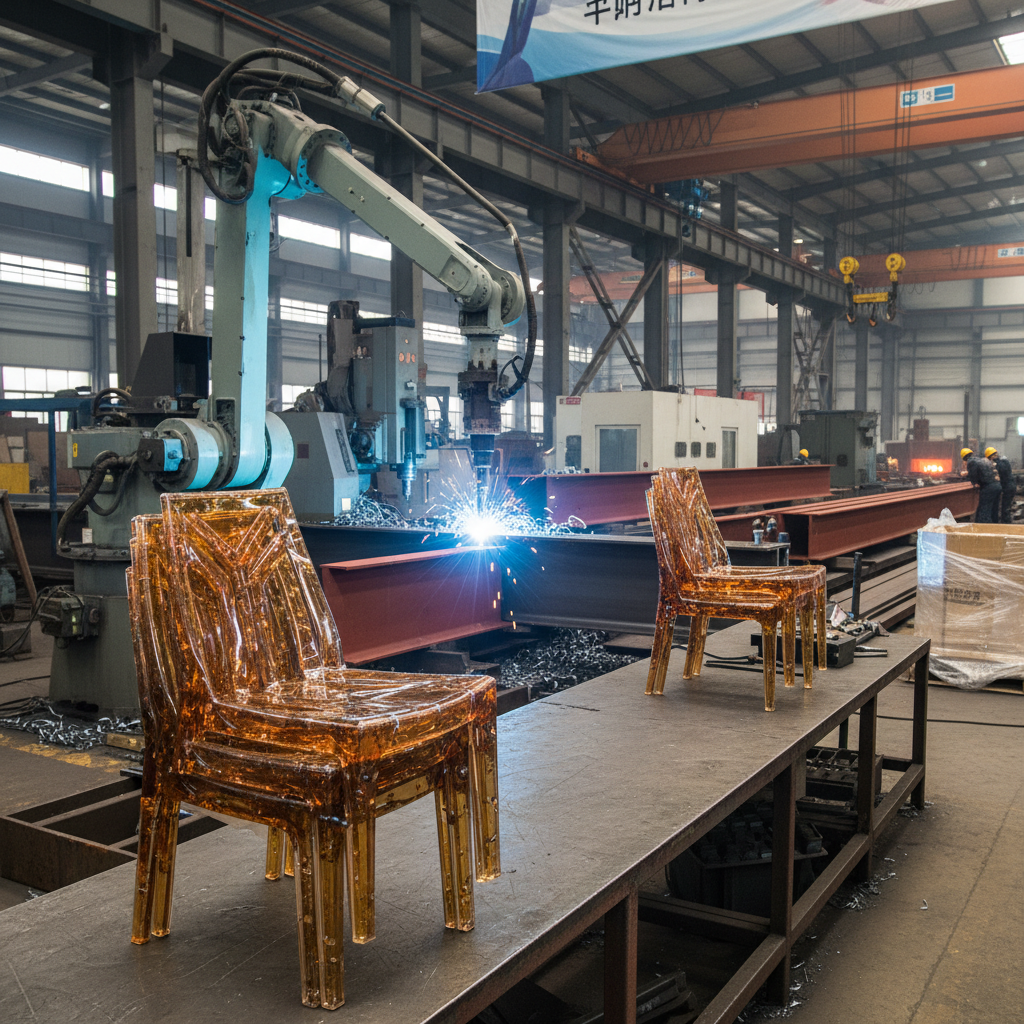
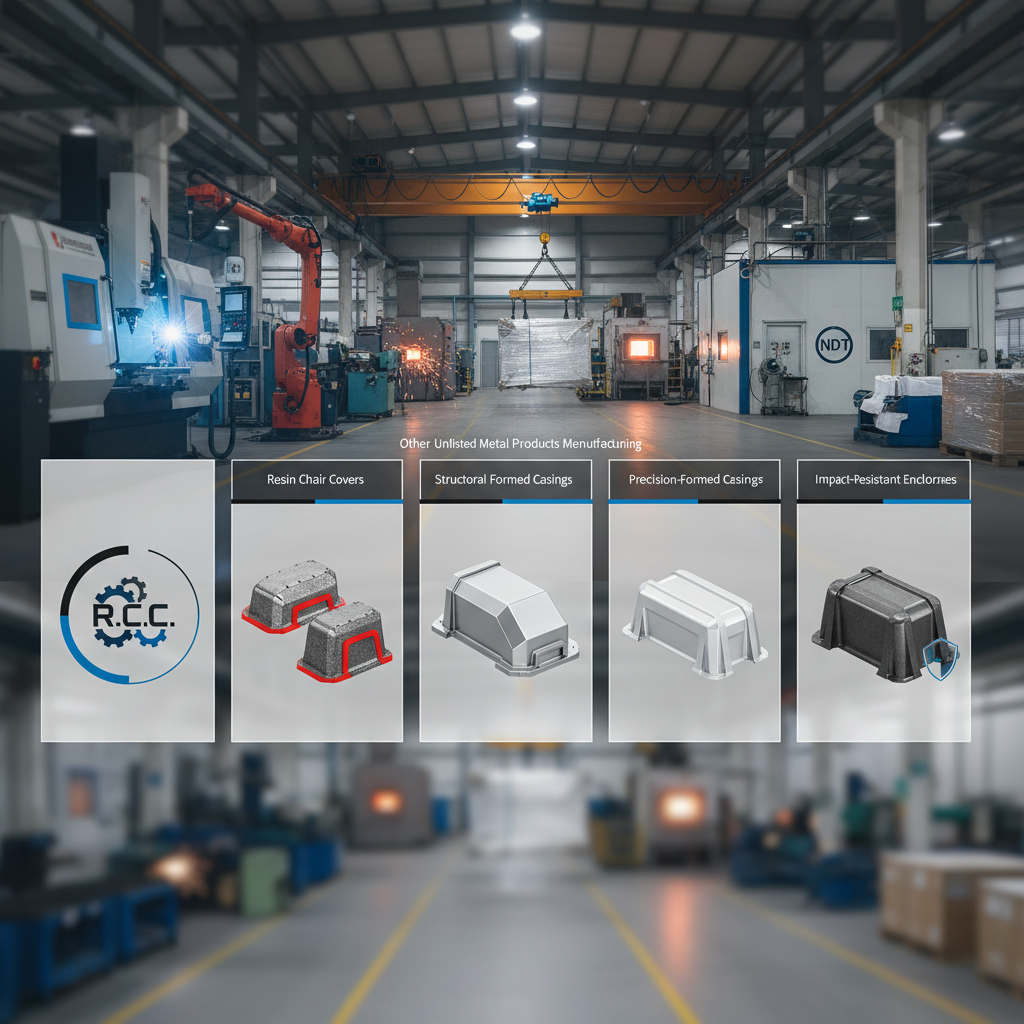
In the modern era of event management and high-traffic hospitality, the demand for durable and aesthetically pleasing furniture protection has led to the rise of resin chair covers. These specialized covers provide a synthesis of industrial-grade resilience and commercial elegance, ensuring that high-value seating assets are shielded from the wear and tear of daily use. By integrating advanced polymer science with textile engineering, these covers offer a sustainable alternative to frequent furniture replacement.
Across the globe, the hospitality and corporate sectors are increasingly prioritizing materials that reduce maintenance overhead while maintaining a premium visual appeal. The adoption of resin chair covers represents a shift toward "smart protection," where the goal is not just to hide imperfections but to actively prevent degradation through moisture-resistant and stain-repellent barriers. This is particularly critical in regions with high humidity or in venues that host large-scale international gatherings.
Understanding the technical composition and application of these covers allows business owners to optimize their operational costs. Whether used in luxury hotels, corporate conference halls, or outdoor event spaces, the strategic implementation of resin chair covers ensures a consistent professional image while extending the lifecycle of the underlying furniture, aligning with global trends of sustainability and resource efficiency.
The Industrial Composition of Resin Chair Covers
The technical foundation of resin chair covers lies in the sophisticated blending of thermoplastic polymers and reinforced fibers. Unlike traditional fabric covers, resin-infused materials create a non-porous shield that prevents liquids and oils from penetrating the furniture surface. This chemical composition is engineered to withstand tension and abrasion, making them ideal for environments where furniture is frequently moved or subjected to heavy usage.
From a manufacturing perspective, the process involves precise heat-setting and molding to ensure the covers fit various chair geometries perfectly. This industrial approach ensures that the resin chair covers maintain their structural integrity over thousands of cycles of installation and removal, effectively bridging the gap between temporary event décor and permanent industrial protection.
Global Market Demand and Industrial Context
The global shift toward "circular economy" principles has significantly increased the demand for resin chair covers. According to industry trends aligned with ISO sustainability standards, the goal is to reduce the volume of furniture ending up in landfills. By utilizing high-durability covers, enterprises can prolong the usability of their assets by up to 40%, reducing the carbon footprint associated with the production and transport of new furniture.
In the current economic landscape, cost volatility in raw materials like steel and high-grade plastics has forced venue managers to seek protective solutions. The implementation of resin chair covers addresses the challenge of maintaining a "luxury feel" while operating on a tighter maintenance budget. This creates a symbiotic relationship between cost-saving operational strategies and high-end customer experience.
Furthermore, the rise of international tourism and global summits has standardized the need for rapid-deployment protection. Whether it is a convention center in Singapore or a hotel in Dubai, the ability to quickly outfit thousands of chairs with professional, protective resin chair covers has become a benchmark for operational efficiency in the global hospitality industry.
Technical Specifications and Material Benefits
The primary technical advantage of resin chair covers is their hydrophobic nature. This means that spills, which would typically stain traditional fabric or damage wooden frames, simply bead up on the surface and can be wiped away with minimal effort, ensuring hygiene and visual consistency.
Beyond water resistance, these resin chair covers are engineered with UV-stabilizers. This is a critical specification for outdoor or semi-outdoor venues, as it prevents the polymer from yellowing or becoming brittle when exposed to direct sunlight, maintaining the aesthetic integrity of the furniture for years.
Additionally, the tensile strength of the resin blend ensures that the covers do not sag or lose their shape over time. This structural memory allows resin chair covers to provide a taut, tailored look that enhances the professionalism of any corporate or social setting.
Performance Metrics in High-Traffic Environments
Evaluating the performance of resin chair covers requires a look at durability metrics, specifically abrasion resistance and cleaning efficiency. In environments such as airport lounges or university lecture halls, the frequency of contact is immense. Resin-based solutions outperform standard polyester covers by providing a harder surface that resists pilling and tearing.
The following data reflects the comparative effectiveness of different resin-based protection methods across key performance indicators, highlighting why specific polymer blends are preferred for different use cases.
Comparative Performance Ratings of Resin Chair Cover Variants
Practical Applications Across Diverse Sectors
In the corporate sector, resin chair covers are widely used in conference centers to provide a uniform look while protecting expensive ergonomic seating from spills during catering events. Their ease of installation allows facility managers to transition a room from a professional boardroom to a banquet hall in a matter of minutes.
Outside of corporate settings, these covers are invaluable in the medical and healthcare industry. Anti-microbial resin chair covers allow for rigorous chemical disinfection without degrading the material, ensuring that waiting areas remain sterile and safe for patients while maintaining a welcoming appearance.
Long-term Value and Sustainability Impact
The long-term value of investing in resin chair covers is primarily measured in the reduction of Total Cost of Ownership (TCO). By preventing permanent stains and structural wear, the need for reupholstering or total furniture replacement is pushed back by several years, resulting in significant capital expenditure savings.
From a sustainability perspective, the durability of resin materials reduces the waste stream. Because resin chair covers are designed for longevity, they replace the need for disposable plastic covers or short-lived fabric alternatives that require frequent replacement and high-water-consumption laundering.
Ultimately, the adoption of these covers fosters a culture of stewardship over physical assets. When a company utilizes resin chair covers, it signals a commitment to quality and longevity, reflecting a professional image of reliability and innovation to clients and partners.
Future Innovations in Polymer Cover Technology
Looking ahead, the evolution of resin chair covers is moving toward the integration of bio-based polymers. Researchers are developing resins derived from plant-based sources that offer the same durability and water-resistance as petroleum-based plastics but are fully biodegradable at the end of their lifecycle.
Another emerging trend is the use of "smart fabrics" within resin covers. Imagine resin chair covers that can change color slightly to indicate when a surface needs cleaning or covers that incorporate heat-regulating properties to improve the comfort of the user during long events.
The integration of automation in the manufacturing of these covers is also increasing, allowing for 3D-scanned custom fits for unique furniture designs. This precision ensures that the resin chair covers of the future will be indistinguishable from the original furniture design while providing unmatched industrial protection.
Technical Analysis and Selection Guide for Resin Chair Covers
| Material Variant |
Durability Score (1-10) |
Primary Use Case |
Maintenance Level |
| Standard Polymer |
7 |
Indoor Office Events |
Low |
| UV-Stabilized Resin |
9 |
Outdoor Terraces |
Very Low |
| Anti-Microbial Resin |
8 |
Healthcare Facilities |
Medium |
| Industrial Heavy-Duty |
10 |
Convention Centers |
Low |
| Eco-Bio Resin |
6 |
Green-Certified Hotels |
Medium |
| Reinforced Hybrid |
9 |
High-Traffic Lounges |
Low |
FAQS
Resin chair covers are engineered from polymer-infused materials that provide a non-porous barrier, unlike fabric covers which absorb liquids. This makes them significantly more durable, water-resistant, and easier to sanitize, reducing the need for frequent laundering and extending the life of the underlying furniture.
Yes, provided you choose UV-stabilized variants. These specific resin covers are designed to resist degradation from sunlight and temperature fluctuations, preventing the material from cracking or fading, which is a common failure point for standard covers in outdoor environments.
Absolutely. Modern manufacturing uses precision molding and 3D mapping to create resin chair covers that fit specific geometries. This ensures a professional, tight fit that doesn't slip or bunch, maintaining the aesthetic appeal of the venue.
Maintenance is remarkably simple. Most resin covers only require a damp cloth and mild detergent. Because the material is hydrophobic, most stains can be wiped away immediately without the need for harsh chemicals or professional steam cleaning.
They are eco-friendly in terms of asset preservation; by extending the life of furniture, they reduce landfill waste. Furthermore, the industry is moving toward bio-resins and recyclable polymers to further decrease the environmental impact of production.
Depending on the traffic volume and material grade, industrial-grade resin chair covers can last between 5 to 10 years. This is significantly longer than fabric alternatives, which often require replacement every 12 to 24 months in high-use settings.
Conclusion
In summary, resin chair covers represent a critical intersection of material science and operational efficiency. By providing a durable, water-resistant, and aesthetically versatile shield, they allow businesses to maintain high standards of luxury and hygiene while drastically reducing the costs associated with furniture maintenance and replacement. From the technical advantages of UV stability and hydrophobic properties to the long-term benefits of sustainability and asset preservation, these covers are an essential tool for any high-traffic hospitality or corporate environment.
As we move toward a more sustainable future, the adoption of high-performance protective materials will only increase. We recommend that facility managers conduct a lifecycle cost analysis to see the immediate impact of switching to resin-based solutions. Investing in quality protection today ensures a professional image and operational resilience for years to come. For more information on premium industrial protection solutions, visit our website: www.mingdametals.com.