Phone:
+86 18631189888

Email:
liyanhui@bestcastings.cn

If you’ve ever dealt with plumbing or come across construction material specs, there’s a good chance you’ve heard the term brass plumbing fittings. But what exactly are they? And why should anyone beyond plumbers care? Well, brass fittings shape a surprisingly large part of modern water systems, industrial piping, and even emergency humanitarian infrastructure. Their importance stretches far beyond just “joining pipes.” Globally, as populations boom and clean water access becomes critical, the reliability and efficiency offered by brass plumbing fittings become crucial. They enhance durability, reduce leaks, and make plumbing systems safer and more sustainable. Understanding their role can help industries, NGOs, and consumers make smarter choices—without getting lost in tech jargon.
Mini takeaway: Brass plumbing fittings are essential connectors that support global water and gas infrastructure, impacting public health and economic development in countless ways.
To appreciate brass fittings’ role, consider some global context. According to the United Nations, nearly 2 billion people lack safely managed drinking water services as of recent estimates — a staggering number that highlights the urgency of reliable plumbing infrastructure. At the same time, industrial sectors rely heavily on robust piping that withstands pressure, corrosion, and temperature changes. Brass fittings meet these needs effectively and economically.
ISO standards (ISO 9001 and ISO 228-1) regulate manufacturing quality for plumbing fittings, ensuring global consistency and safety. The World Bank estimates that water infrastructure investments in developing countries require durable solutions to reduce costly leaks and failures. That’s exactly where brass's mix of strength and machinability comes in — offering a cost-effective fix to a pervasive challenge.
In essence, brass plumbing fittings are not just “small parts” — they’re a linchpin to public health, industrial efficiency, and sustainable development worldwide.
Mini takeaway: Brass fittings help solve critical plumbing and infrastructure challenges globally by meeting stringent safety and quality standards.
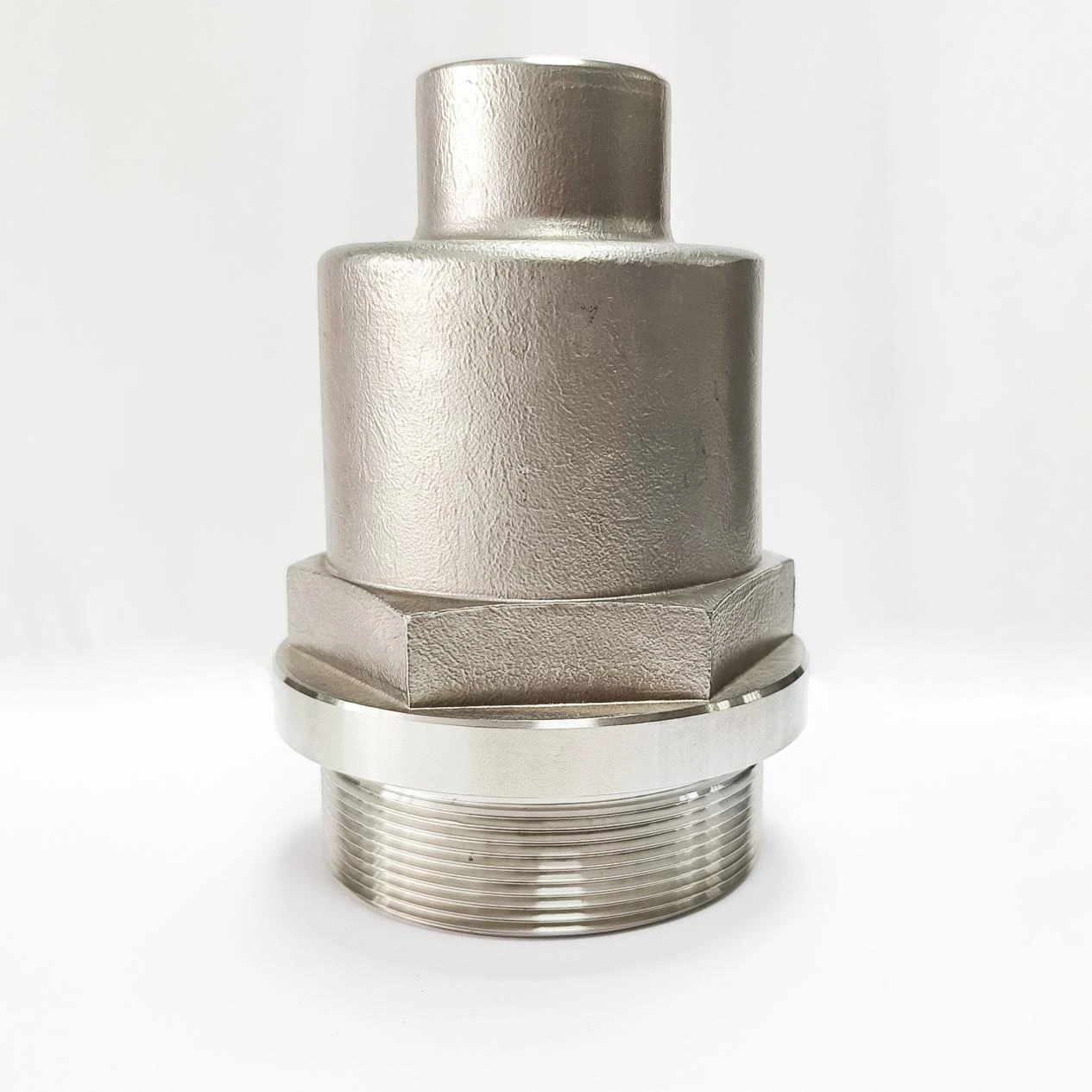
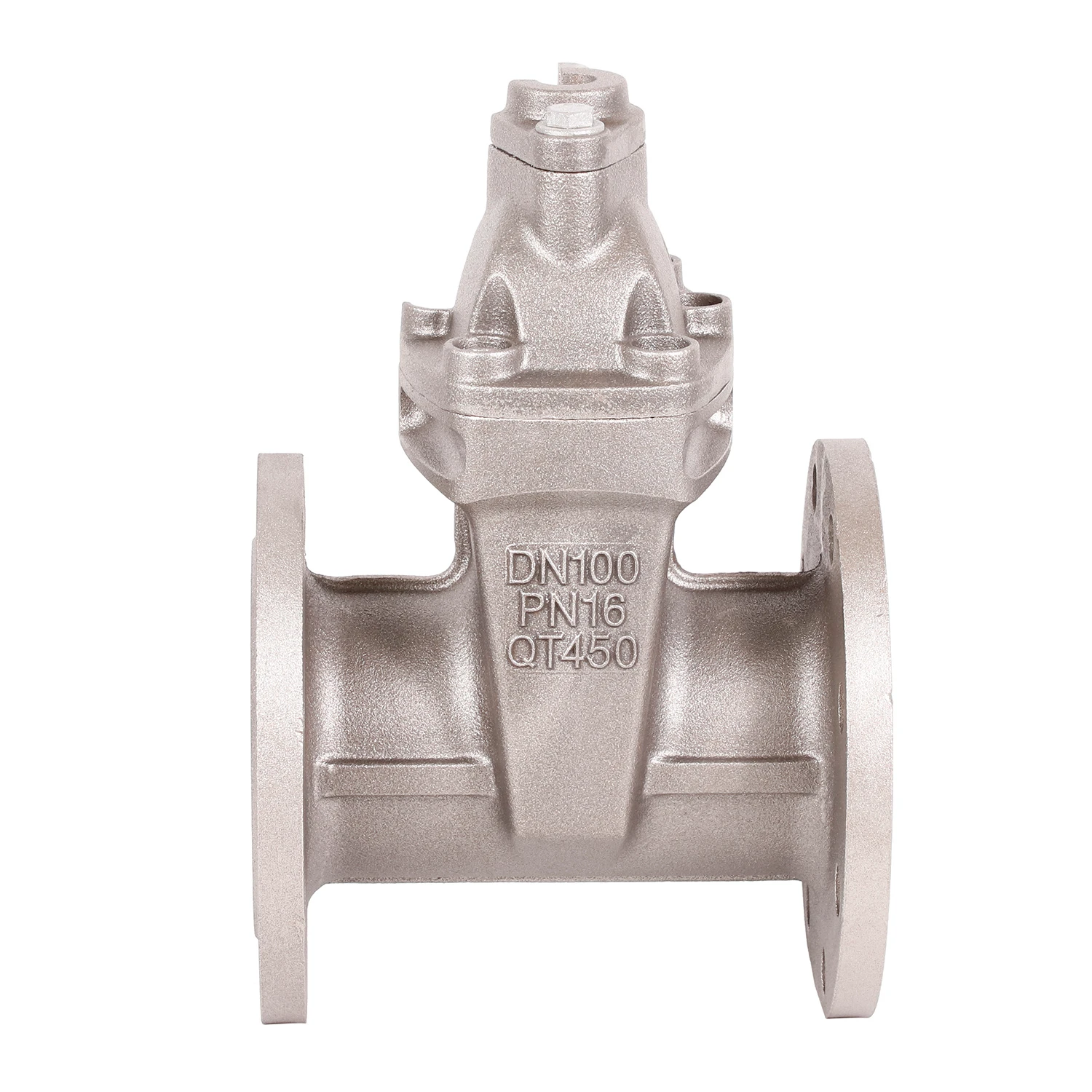
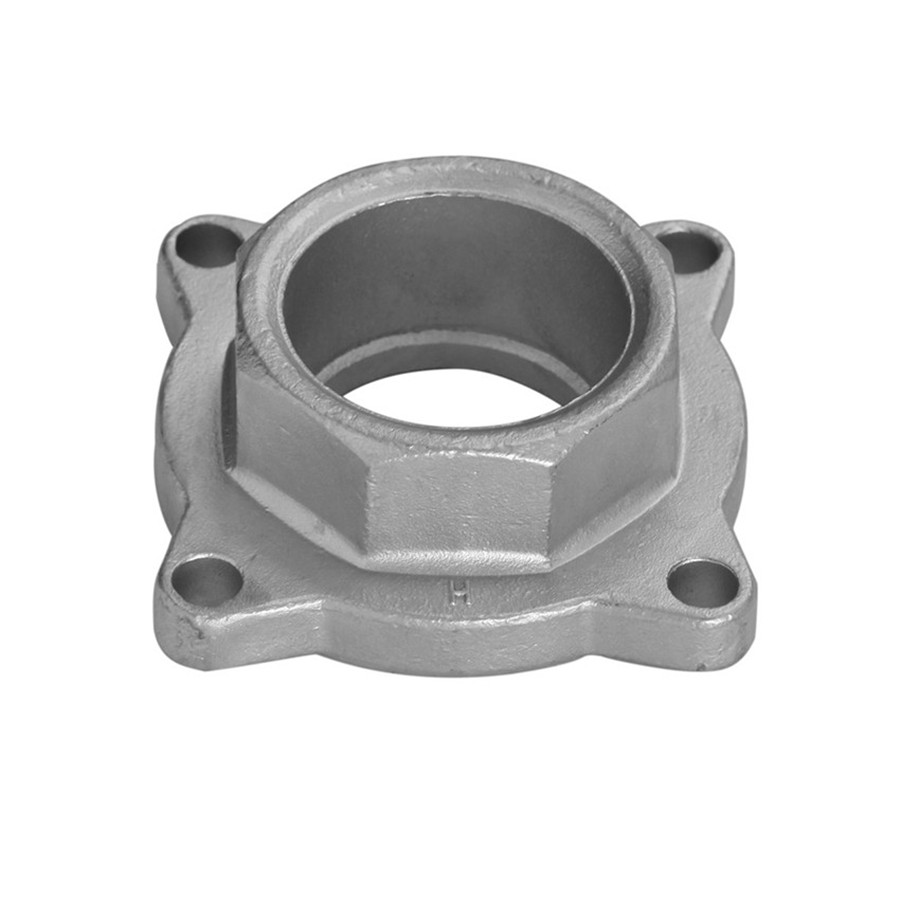
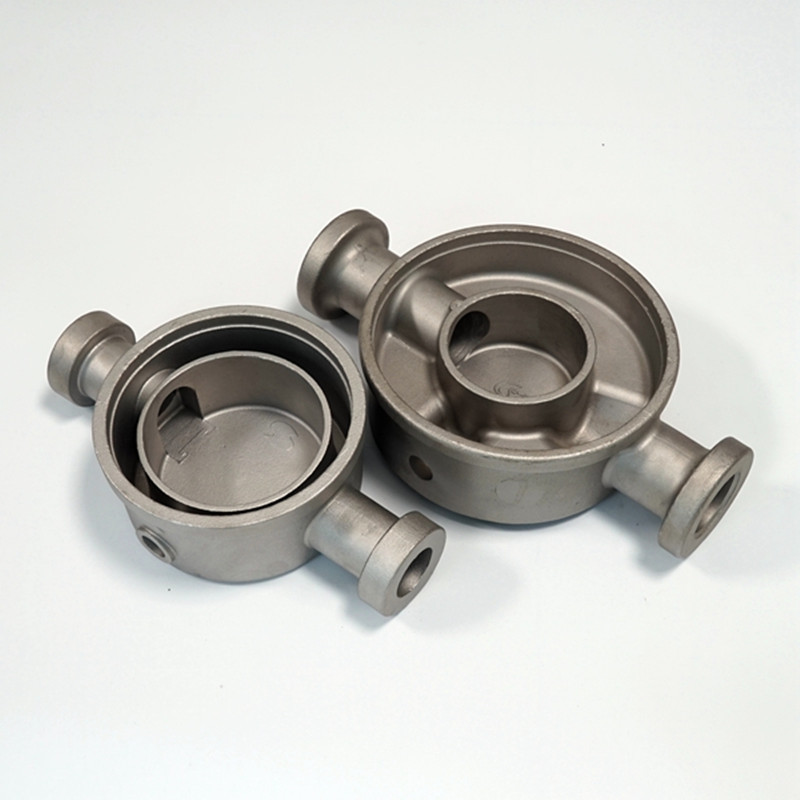
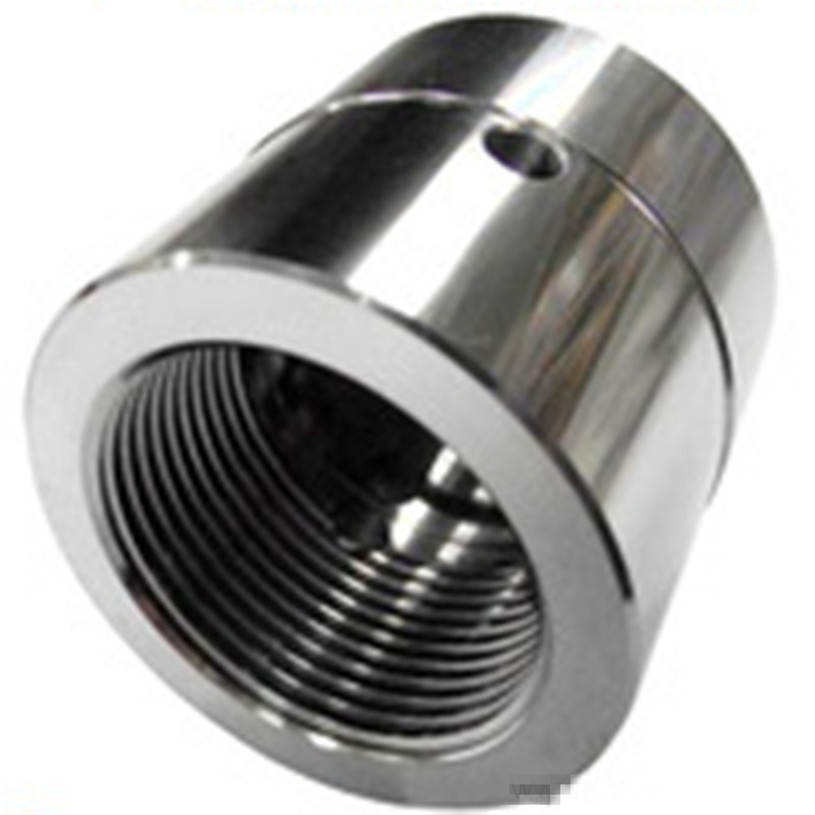
At their core, brass plumbing fittings are components used to connect, terminate, control, or change the direction of piping in plumbing systems. Made primarily of an alloy of copper and zinc, brass provides an ideal balance between strength, corrosion resistance, and ease of manufacture. You see these fittings as elbows, tees, couplings, valves, and adapters throughout household water lines, industrial processing plants, and even medical gas delivery systems.
Why brass? Unlike plastics or some steels, brass doesn’t rust and is less likely to contaminate water. Its antimicrobial properties even inhibit bacterial growth in pipes — a subtle but valuable benefit that ties into modern humanitarian and industrial needs. Ultimately, brass plumbing fittings bridge the technical with the practical, helping maintain clean, safe, and reliable fluid delivery.
Mini takeaway: Brass plumbing fittings are metal components that securely link pipes and valves, combining durability with hygienic benefits.
Brass resists corrosion from water and various chemicals. This means fittings last decades, especially in harsh environments where other metals might corrode or weaken. Durability reduces maintenance and replacement costs — a very practical advantage.
Thanks to brass’s malleability, manufacturers create highly precise fittings with complex threading or shapes. This versatility means brass fittings can be used in everything from low-pressure household water lines to high-pressure industrial gas lines.
Brass fittings are less prone to leaching harmful substances compared to some plastics, and they reduce bacterial growth by nature. This makes them excellent for potable water systems and hospitals.
While brass fittings generally cost more upfront than plastic alternatives, their longevity and fewer failures translate to greater savings over time. Plus, brass is recyclable, supporting circular economy efforts.
These fittings perform well in a wide range of temperatures and pressures, which is essential in industrial settings or extreme climates.
Mini takeaway: Brass fittings excel because they blend strength, safety, precision, longevity, and economic value into one package.
From city water mains to rural development projects, the reach of brass plumbing components is vast. In urban infrastructure across Europe and North America, brass fittings form a backbone to reliable water and gas distribution. In developing regions of Africa and Asia, NGOs often rely on readily available brass fittings for emergency water supply installations due to their durability and ease of repair.
Industrial sectors, especially oil and gas, chemical manufacturing, and food processing, depend heavily on brass fittings customized for specific standards and corrosive environments. An interesting example: during the aftermath of natural disasters, temporary shelters often require rapid plumbing setup — here, brass’s reliability and availability come in handy.
Mini takeaway: Brass plumbing fittings are relevant worldwide — facilitating daily water access, industrial production, and humanitarian relief.
| Specification | Typical Value | Notes |
|---|---|---|
| Material Composition | Copper 60–70%, Zinc 30–40% | Standard brass alloy for fittings |
| Operating Temperature Range | -40°C to 120°C | Suitable for most water systems |
| Pressure Tolerance | Up to 16 bar (230 psi) | Dependent on fitting design |
| Connection Types | Threaded, compression, soldered | Varies by application |
| Corrosion Resistance | Excellent in potable water | Better than steel or iron |
| Vendor | Product Range | Quality Certification | Lead Time | Sustainability |
|---|---|---|---|---|
| Mingda Metals | Wide (elbows, tees, valves) | ISO 9001, ISO 45001 | 2–3 weeks | Recycled brass usage |
| Global Brass Co. | Medium | ISO 14001 | 3–4 weeks | Limited |
| UrbanPipe Ltd. | Specialized valves | ISO 9001 | 1 week | None reported |
It’s not just about immediate plumbing fixes. Many engineers say brass fittings bring substantial social and environmental value. The longevity reduces waste and resourcing. The safety margins encourage confidence among end-users, who often don’t think about the pipes but absolutely feel the impact when things go wrong. In hospitals or schools, brass’s antimicrobial properties literally save lives.
There’s an emotional side too. Knowing your water system won’t fail unexpectedly, that your infrastructure supports dignity and community wellbeing, builds trust. Frankly, those are priceless outcomes, especially when you contrast brass fittings against low-cost plastic alternatives that degrade faster and can contaminate water.
Mini takeaway: Investing in brass fittings means more than cost-efficiency—it’s a commitment to resilience, public health, and sustainability.
Oddly enough, even a century-old material like brass is evolving. Digital casting methods allow for customized fittings optimized for weight and strength, lowering material costs. Some vendors now incorporate environmentally friendly brass alloys with reduced lead content to comply with stricter regulations worldwide.
On another front, automation in manufacturing and IoT-enabled smart valves integrated with brass fittings are becoming more common. These systems monitor leaks, pressure changes, and water quality in real-time. Plus, efforts to boost recycled brass usage align with global green energy and circular economy goals.
Mini takeaway: The future of brass plumbing fittings is brighter and smarter, blending tradition with innovation for a sustainable tomorrow.
Of course, no material is perfect. Brass fittings can be more expensive upfront than alternatives, and certain alloys may release trace lead without proper regulation compliance. Also, in extremely acidic or alkaline conditions, brass corrosion can accelerate.
Industry experts advise selecting the right brass grade and manufacturer certification, like ISO standards, to mitigate risks. Coating techniques and regular system maintenance help too. That said, the broad acceptance of brass plumbing fittings and ongoing R&D means challenges are managed more effectively than ever.
To wrap it up, brass plumbing fittings stand as a cornerstone of reliable water infrastructure worldwide. Their blend of durability, safety, and versatility makes them well worth the investment — not only in cost terms but in public health and environmental impact. Whether for urban buildings, industrial plants, or emergency relief setups, brass fittings solve real problems with practical elegance.
Looking to upgrade or source reliable brass plumbing fittings? Visit Mingda Metals today to find quality solutions tailored to your needs.
References: