Phone:
+86 18631189888

Email:
liyanhui@bestcastings.cn


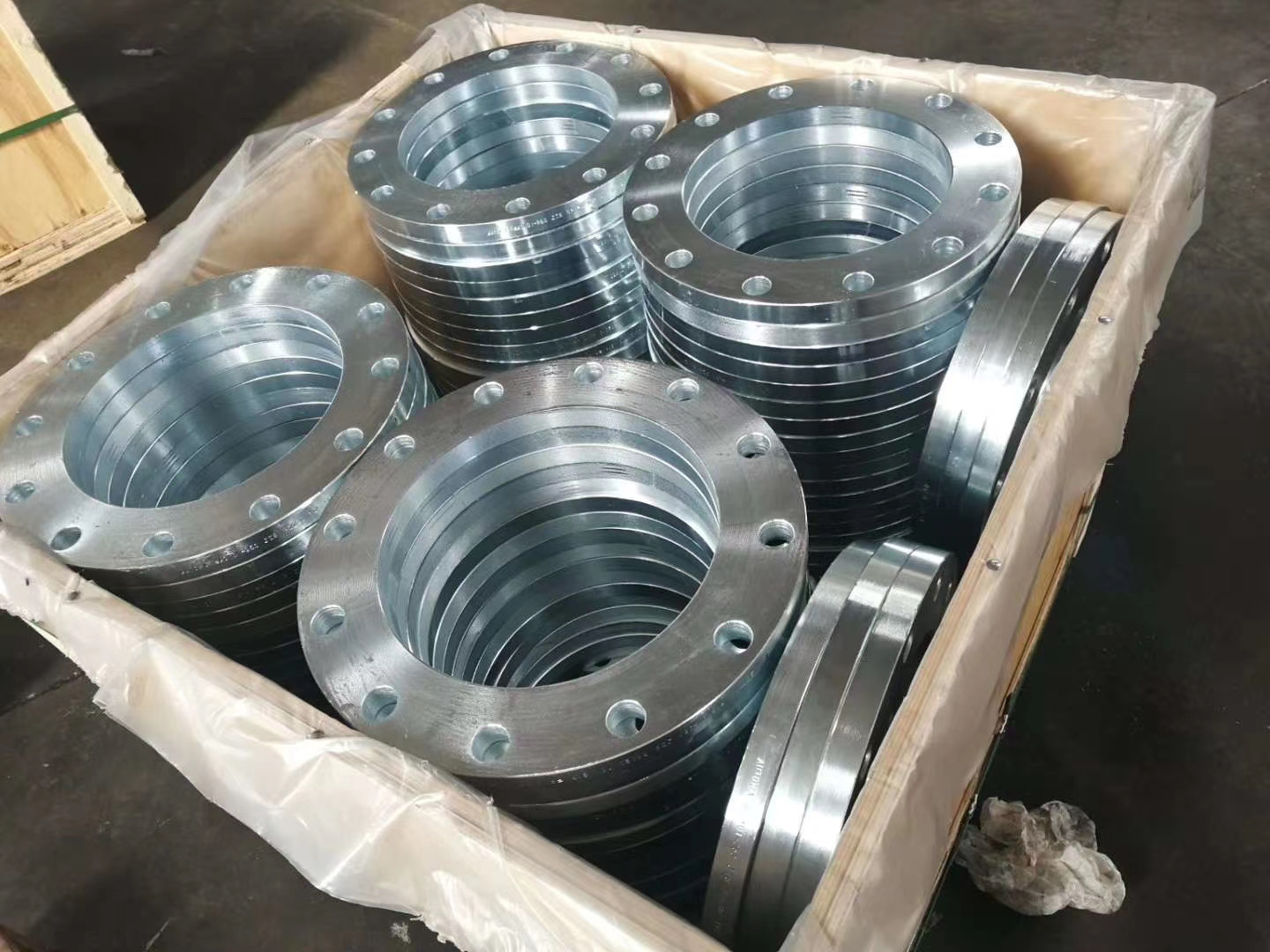
So, what exactly is a tapped blind flange, and why should anyone outside the pipefitting industry care? At its core, a tapped blind flange is a specialized type of flange used primarily to seal off the end of a pipe system, with a threaded hole (“tapped”) that allows attachments like pressure gauges or other fittings. While that might sound niche, this small component plays a massive role in industries around the world — from oil and gas pipelines in the Middle East to water infrastructure projects in Europe and Asia.
Understanding tapped blind flanges means understanding how complex networks stay safe, reliable, and maintainable. After all, worldwide energy consumption is rising steadily — the International Energy Agency reported global oil infrastructure, for instance, has expanded by roughly 2% annually over the past decade. Leak prevention, measurement, and easy maintenance are critical and tapped blind flanges help solve these problems.
Mini takeaway: Though often overlooked, tapped blind flanges are linchpins that keep pipelines safe and functional globally — saving downtime, preventing leaks, and reducing costs.
Industries today face increasing pressure from regulations, safety protocols, and environmental concerns. Whether it’s complying with ISO standards or addressing UN Sustainable Development Goals related to clean water and energy access, tapped blind flanges have a surprisingly global significance.
According to ISO 9001 standards on quality management, components like tapped blind flanges must meet strict durability and compatibility specs. Meanwhile, countries with newer pipeline infrastructure—like India and sub-Saharan Africa—are pushing for cost-effective materials that still offer longevity.
Here’s a practical challenge: pipelines often run in remote, harsh environments — deserts, mountains, even offshore rigs — where repair times are costly and downtime critical. A tapped blind flange allows easy monitoring and plugging of pipelines without complete disassembly. In other words, it’s a smart investment in operational continuity.
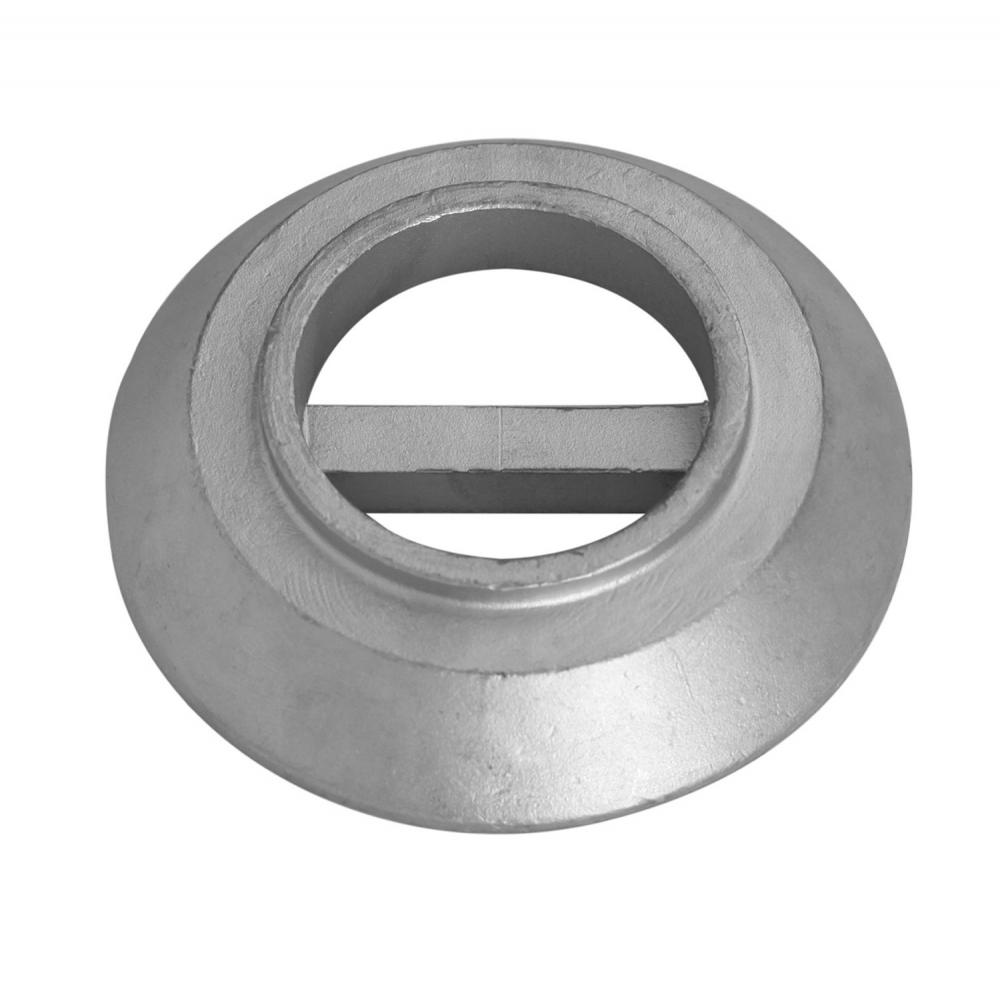
In straightforward terms, a tapped blind flange is a circular plate used to seal off the end of a pipe: the “blind” part means no flow passes through it. The twist? This flange has a threaded opening ("tapped") so you can screw in pressure gauges, thermometers, or sensors without cutting into the pipe line elsewhere.
This combination of sealing and accessibility is highly valued in industries that need constant monitoring — think refinery systems where pressure management is life or death. Beyond that, even humanitarian efforts like water distribution networks in disaster zones can benefit: you get easy points to measure flow or pressure and stop contamination.
Mini takeaway: The beauty of a tapped blind flange lies in its simplicity — it seals, it connects, and it keeps systems both safe and adaptable.
Wondering where these are used? Industries are diverse:
Take post-disaster relief: in recent flood-affected regions, engineers installed quick-fit tapped blind flanges to seal off damaged pipe sections, restoring clean water flow within days. Not glamorous, but vital.
Putting it plainly — these flanges save time and money. The main benefits include:
Emotionally, there’s a strong element of trust. Operators can be confident their system’s integrity isn’t compromised by adding measurement points — which is priceless when lives and environment are at stake.
| Specification | Typical Value | Notes |
|---|---|---|
| Material | Stainless Steel 316L | Corrosion resistant |
| Pressure Rating | PN16 (16 bar) | Suitable for medium pressure |
| Thread Size | 1/2" BSP (tapped) | Common connection size |
| Diameter | 150 mm | Standard flange size |
| Surface Finish | Ra | For reliable sealing |
| Vendor | Material Options | Lead Time | Price Range | Customization |
|---|---|---|---|---|
| Mingda Metals | Stainless Steel, Carbon Steel | 2-3 weeks | $$ - Competitive | Thread size, finish, custom materials |
| Global Flanges Co. | Carbon Steel Only | 1 week | $ - Budget friendly | Limited options |
| Industrial Pipe Solutions | Alloys, Stainless Steel | 3-5 weeks | $$$ - Premium | Highly customizable with certification |
As industries march toward digital and green revolutions, tapped blind flanges aren’t immune: many manufacturers experiment with advanced alloys and composite coatings for longer lifespan and better corrosion resistance. Integration with smart sensors is becoming popular, allowing real-time pipeline analytics directly through tapped connections.
Oddly enough, blockchain is even entering the supply chain for such components to enhance traceability and certification. On the sustainability front, reusability and recycling come into sharper focus, helping companies hit their environmental targets.
Honestly, the simplicity of tapped blind flanges belies some challenges:
Solutions often involve stricter quality control, staff training, and sourcing from reputable suppliers — such as tapped blind flange specialists who offer custom testing and certifications.
In real terms, tapped blind flanges are humble heroes in complex piping networks around the world. They merge simplicity with practicality—offering durability, flexibility, and safety in one package. As industries evolve, this component will continue adapting, whether through smarter materials or digital integration.
So if you’re looking for reliable piping solutions, it’s worth checking out trusted tapped blind flange vendors to upgrade your system's integrity and monitoring capabilities.
Explore more and stay ahead of the curve — your next project’s success might hinge on flipping open a simple flange.