Brass Machining Parts Factory

Durable & Versatile Stainless Steel Fittings Pipe for Global Industries | Mingda Metals

Durable & Versatile Stainless Steel Fittings Pipe for Global Industries | Mingda Metals


Why Stainless Steel Fittings Pipe Matter in Today's World

Ever paused to think about what makes our modern water, gas, and chemical systems so rock-solid? Or how infrastructure in post-disaster zones gets rebuilt quickly and safely? The unsung hero often comes down to something like the stainless steel fittings pipe — a deceptively simple but vital part of countless industries worldwide. These fittings aren’t just “pipe connectors”; they’re a backbone to global infrastructure that demands durability, efficiency, and safety. With the world keeping pace with rapid urbanization and climate challenges, understanding the role of stainless steel fittings is more pressing than ever.

The Global Landscape of Stainless Steel Fittings Pipe

Globally, the market for stainless steel fittings has surged, propelled by industries such as oil & gas, water treatment, food processing, and pharmaceuticals. According to the International Organization for Standardization (ISO), stainless steel production climbed steadily by over 4% annually in recent years — a clear nod to increased industrial reliance. And the World Bank reports that nearly 30% of global infrastructure projects now specify stainless steel components due to their superior lifespan and corrosion resistance. However, challenges remain. Corrosion, cost concerns, and supply chain chokepoints often threaten these projects. That’s where stainless steel fittings pipe come into focus — designed to combine strength with adaptability, addressing the difficulties faced in harsh environments or complex installations. Mini Takeaway: Stainless steel fittings pipe have become globally indispensable, offering solutions to infrastructure durability challenges while supporting sustainable development goals.

What Exactly Are Stainless Steel Fittings Pipes?

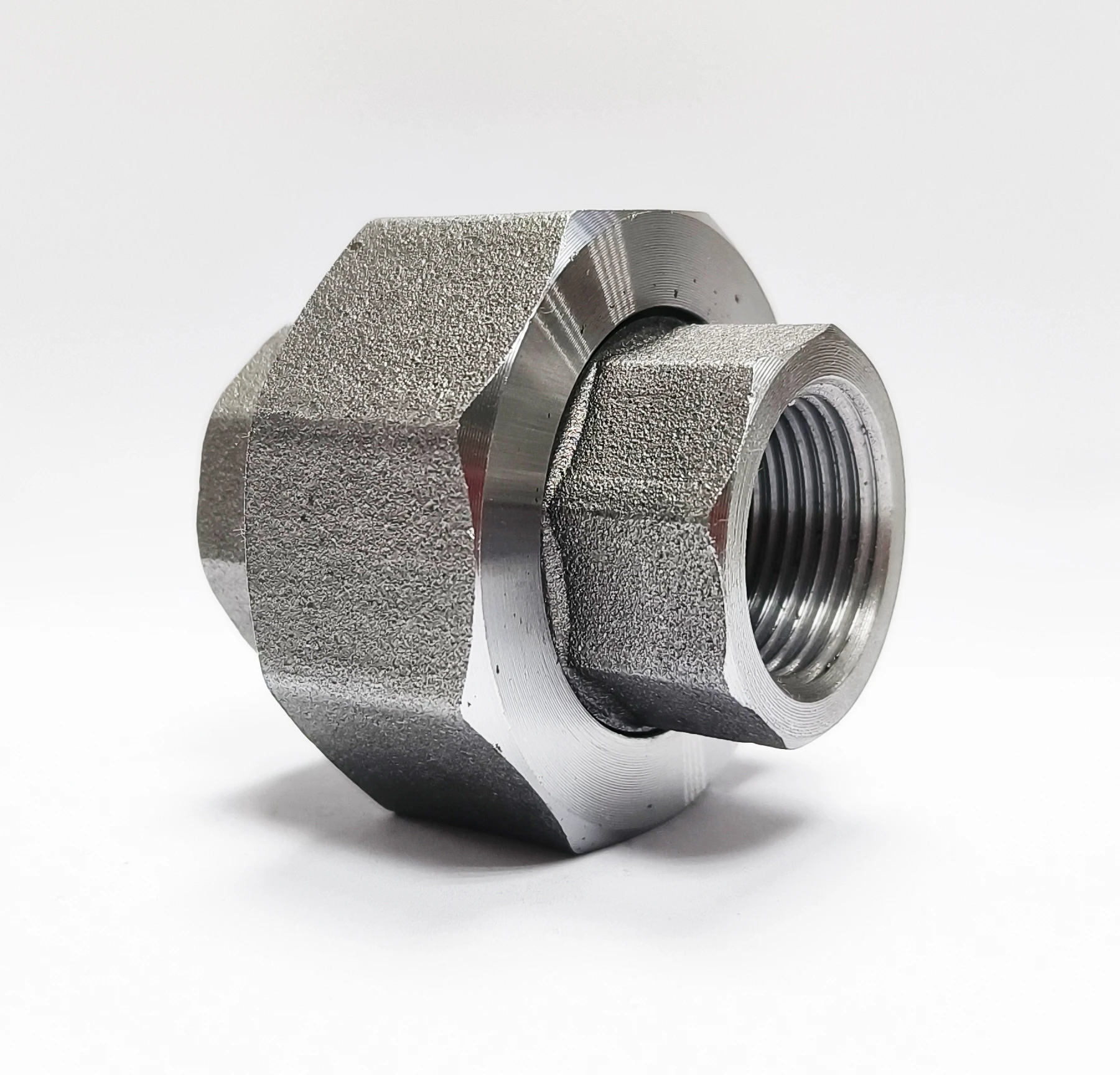
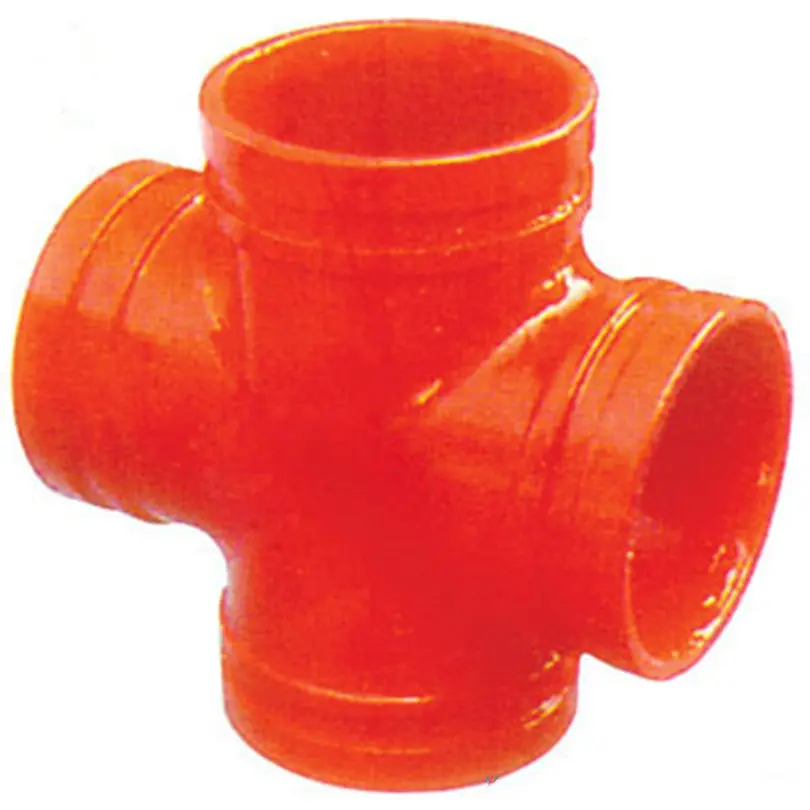
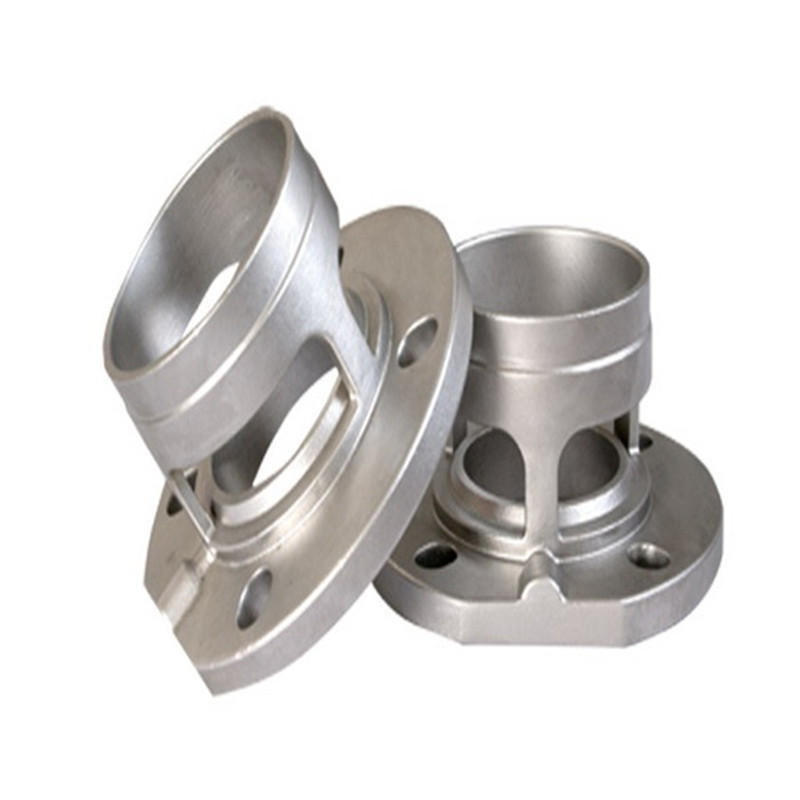
Put simply, a stainless steel fittings pipe refers to the pipe adapters, elbows, reducers, tees, couplings—basically, the connectors made of stainless steel that join different sections of piping systems. These parts are crucial for creating leak-proof, flexible networks that can withstand extreme pressures, high temperatures, and corrosive agents. The “stainless” aspect is its ace card—it resists rust and degradation, greatly extending system longevity. Their significance stretches beyond industry. Think humanitarian efforts like water purification and distribution in disaster zones—the durability and hygiene offered by stainless steel make these fittings a natural choice to maintain safe drinking water supplies under tough conditions.

Key Factors That Define Stainless Steel Fittings Pipe

Strength & Durability

Stainless steel’s chromium content creates a passive layer that fights corrosion fiercely. In practical terms, this means fittings don't crack, leak, or rot for decades, even when exposed to harsh chemicals or saltwater. For engineers working on oil platforms or coastal infrastructure, this reliability reduces costly downtimes.

Versatility & Scalability

Whether you're connecting a small residential water line or a vast chemical processing plant, stainless steel fittings are adaptable. They come in countless sizes and designs, which means systems can scale up or down quickly. This flexibility is a huge win for manufacturers and installers alike.

Cost Efficiency Over Time

Sure, stainless steel fittings pipe might come with a heftier upfront price compared to cheaper metals or plastics. But their longevity, reduced need for maintenance, and resistance to leaks translate into savings that financial folks actually like to hear about.

Eco-friendly & Sustainable

Stainless steel is 100% recyclable without quality loss. In a world where industries are under pressure to shrink carbon footprints, using recyclable fittings helps improve sustainability metrics and often meets stringent green building codes.

Compliance & Safety

Many stainless steel fittings pipe comply with international standards like ASTM and ISO, ensuring that industrial systems meet safety and quality regulations required by governments and customers. This regulatory alignment is key when operations span borders. Mini Takeaway: In the end, stainless steel fittings are a blend of science, economics, and environmental sense—quite a powerful combination.

Real-World Applications of Stainless Steel Fittings Pipe

Across continents and industries, stainless steel fittings pipe have proven their worth time and again. For example: - In petrochemical complexes in the Middle East, where temperatures reach extremes and chemical exposure is routine, fittings need to perform flawlessly. - In Europe’s food production lines, hygiene standards demand corrosion-resistant, easy-to-clean pipe connectors. - In disaster relief programs across Southeast Asia, NGOs rely on stainless steel piping systems to set up temporary but safe water supply networks. - Remote mining operations in South America benefit from these fittings’ reliability, as equipment failure there is both dangerous and expensive. Further, urban infrastructure renewal projects in North America increasingly specify stainless steel fittings for longevity and maintenance reduction, affecting water and gas utilities directly.

A Snapshot of Specifications

Specification Typical Range / Value Remarks
Material Grades 304, 316, 321 Common stainless steel types
Pressure Rating Up to 150 bar (approx.) Varies by fitting type/size
Temperature Range -196°C to +870°C Good for cryogenic & high heat use
Surface Finish 2B, BA, Polished Depends on application need
Connection Types Butt weld, threaded, socket weld For different installation methods

Comparing Leading Vendors of Stainless Steel Fittings Pipe

Feature Mingda Metals Global Steel Co. PipeTech Industries
Product Range Wide, includes custom fittings Broad, standard sizes Moderate, focuses on standard specs
Material Grades 304, 316L, 321 304, 316 304 only
Lead Time 2-4 weeks 3-6 weeks 4-8 weeks
Certifications ISO 9001, ISO 14001 ISO 9001 None Specific
Customization Available Limited None

What Makes Stainless Steel Fittings Pipe So Valuable?

Beyond the nuts and bolts, these fittings offer peace of mind. They reduce leakages that can wreck machinery or cause environmental damage. For companies, they’re a long-term bet to lower operational costs. For communities, especially those relying on clean water access, stainless steel fittings symbolize safety and trust. The feeling that your water, gas, or chemical systems—and by extension, your health and economy—are protected, is no small thing. In the long haul, embracing these fittings is also an ethical choice supporting sustainability. It’s heartening to think that the materials we select today play a role in a stable, cleaner tomorrow.

What’s Next? Innovations in Stainless Steel Fittings Pipe

The future holds promises: smart fittings with embedded sensors that detect leaks early, new alloy blends improving strength at lower costs, and automation in manufacturing speeding up custom orders. Green initiatives are pushing companies toward recyclable packaging and carbon-neutral production. On the regulatory front, tighter rules on waste piping are set to increase the demand for top-grade stainless steel solutions. Also, digital tools are making selection and design more intuitive, letting engineers create optimal pipe networks online before any physical part is made—a kind of “pipe fitting 2.0” that feels a little like sci-fi.

Common Challenges and How Experts Tackle Them

Of course, no product is without its hiccups. Stainless steel fittings pipe can be pricey up front—sometimes putting off budget-conscious buyers. Also, improper installation or using the wrong grade can cause failures. But experts recommend thorough project consultation and training installers on best practices, ensuring these risks stay minimal. Additionally, supply chain delays during global disruptions remind us to plan inventories carefully. Some vendors—including Mingda Metals—offer fast-track production and stock solutions to mitigate this.

FAQ: Stainless Steel Fittings Pipe Answers

What are the main types of stainless steel fittings pipes available?
Common types include elbows, tees, reducers, couplings, and flanges. Materials usually range among 304, 316, and 321 stainless steel grades, chosen based on application requirements.
How do stainless steel fittings compare to plastic or carbon steel options?
Stainless steel offers superior corrosion resistance, strength, and longevity, making it preferable for harsh or sanitary environments despite higher upfront costs.
Can stainless steel fittings pipe be used in food and pharmaceutical industries?
Absolutely. Their smooth finish and corrosion resistance make them ideal for hygienic systems, complying with industry standards and ensuring no contamination.
How long do stainless steel fittings pipes typically last in outdoor applications?
With proper installation and grade selection, these fittings can last 30 years or more, even in tough outdoor or marine environments.
What should buyers consider when choosing a stainless steel fittings supplier?
Look for vendors with certifications (ISO, ASTM), customization capabilities, lead time reliability, and customer support. Testing and quality assurance are also crucial.

Wrapping Up: A Call to Action

To put it simply, stainless steel fittings pipe are quietly powering industrial progress and safe infrastructure on a global scale. Their strength, versatility, and sustainability champion tomorrow’s challenges today. If you’re ready to elevate your pipe systems with trusted quality, explore the diverse range at Mingda Metals. You’ll not only gain a product but a partner committed to long-term value and innovation. --- ### Mini Summary 1. Stainless steel fittings are essential for durable, safe piping in multiple industries worldwide. 2. They provide unmatched resistance to corrosion and flexibility for scaling. 3. Advances in materials and technology promise smarter, greener solutions ahead. ---

References

  1. International Organization for Standardization (ISO)
  2. The World Bank Data
  3. Wikipedia: Stainless Steel

If you are interested in our products, you can choose to leave your information here, and we will be in touch with you shortly.