Phone:
+86 18631189888

Email:
liyanhui@bestcastings.cn

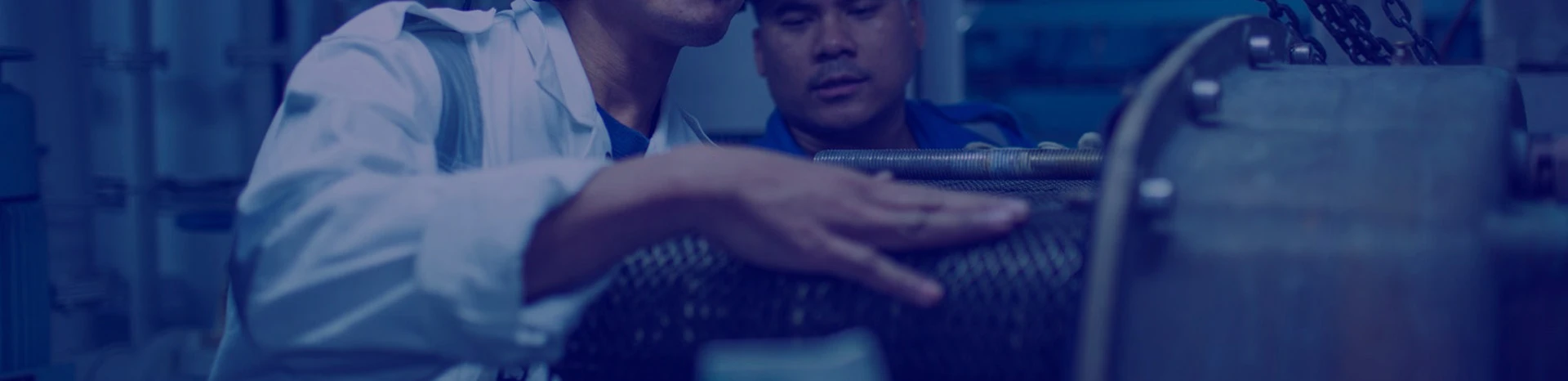
Steel forging companies might not be the spotlight stars of headlines, but their footprint covers vast ground in global manufacturing, infrastructure, and even humanitarian ventures. In simple terms, these companies transform raw steel into sturdy, precise components that serve as the backbone of everything from skyscrapers and automobiles to emergency response equipment. Understanding what they do and why it matters opens a window into how modern economies and societies stay resilient — and often, how they rebuild after crises.
Steel forging is here because of demand for strength, reliability, and efficiency. And frankly, without these companies, many of the conveniences and protections we've grown accustomed to would be precariously fragile.
Glancing at the numbers, the global steel forged products market was valued at several tens of billions of dollars recently, growing steadily as industrialization spreads to new corners of the world. According to data from the International Organization for Standardization (ISO) and trade reports from the World Bank, the demand for forged steel parts is closely tied to sectors like aerospace, automotive, energy, and construction.
But here’s the challenge: as industries push for lighter, stronger, and more sustainable materials, steel forging companies must adapt technically and environmentally. Many operate in intensely competitive markets where quality, lead times, and environmental footprint can make or break contracts. Turns out, forging ahead with innovation is not just a tagline, but a survival strategy.
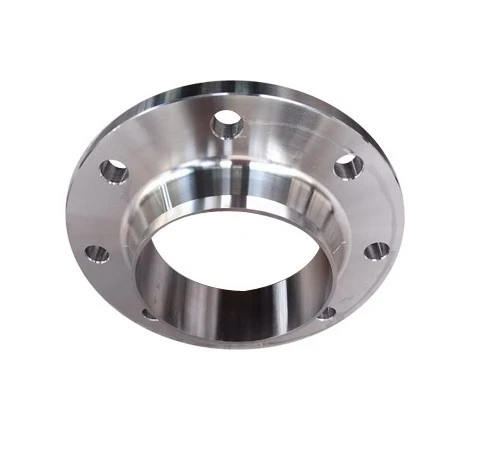
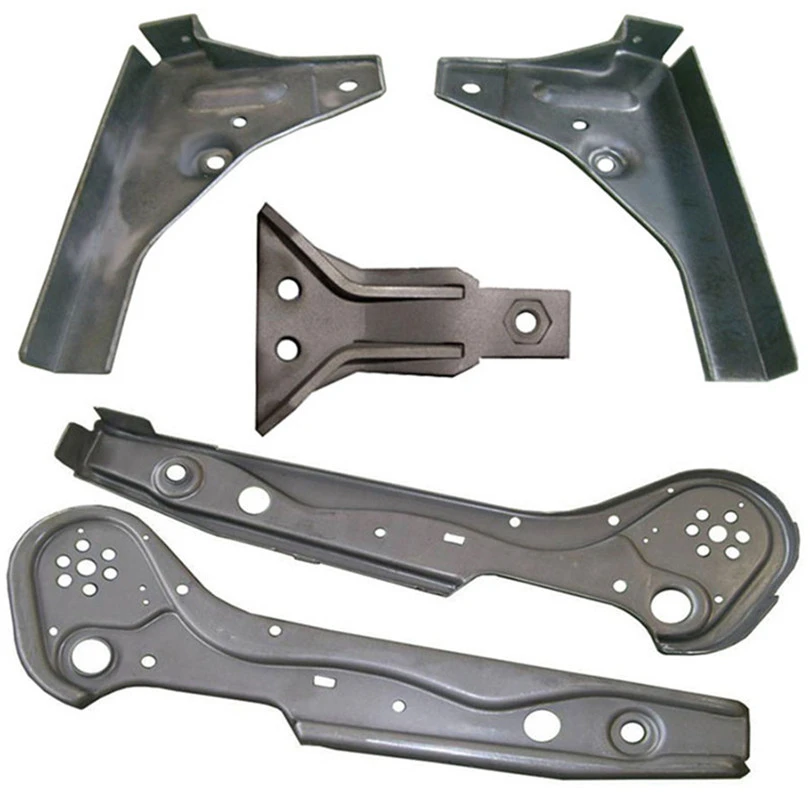
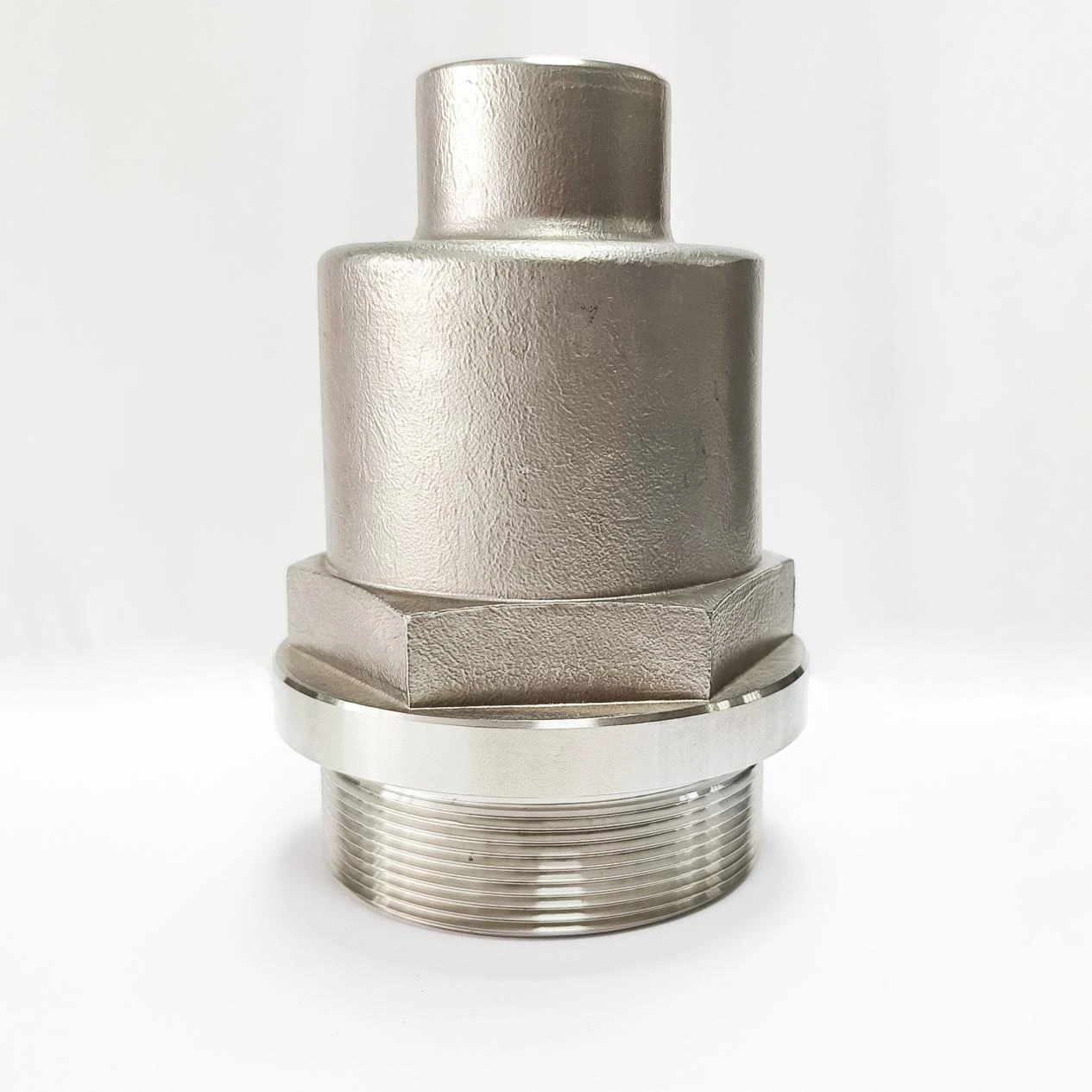
Simply put: steel forging companies are manufacturers who specialize in shaping steel through compressive forces — think hammering, pressing, or rolling — to produce parts that are tougher and more durable than those made by casting or machining.
This process improves the grain structure of steel and can increase its strength, fatigue resistance, and structural integrity. From a humanitarian angle, these companies supply essential components that keep critical equipment operational, especially in disaster response and infrastructure rebuilding.
Steel forging companies are unsung heroes delivering the sturdy, reliable parts that modern industry — and often humanitarian efforts — depend upon.
Forged steel parts excel in toughness. Due to controlled deformation, the internal grain flow follows the shape of the part, enhancing strength and reducing weaknesses. This is why you see forging in car crankshafts, aircraft landing gear, and even maritime components — places where failure is not an option.
Whether it’s a batch of hundreds or a unique prototype, these companies balance high-volume production with custom engineering. The capacity to scale without losing quality is critical for sectors like defense and heavy machinery.
Initially, forging may cost more than other methods, but the long-term durability pays off with lower maintenance, fewer replacements, and less downtime. Many engineers I spoke with emphasized the “cost of ownership” over purchase price — an important distinction.
Modern forging companies increasingly adopt green practices — reducing emissions from furnaces, recycling scrap, and complying with ISO 14001 environmental management standards. In tough industries, safety compliance isn’t optional; it’s paramount.
Advanced forging firms are turning to AI-driven quality control, robotics, and simulation software to improve precision and reduce waste. It’s sort of the future knocking on their heavy steel doors.
Durability, customization, cost-effectiveness, environmental stewardship, and tech-savviness form the pillars of top-tier steel forging companies.
From the industrial heartlands of Germany to emerging manufacturing hubs in Southeast Asia, steel forging companies are everywhere. They serve vital roles:
Oddly enough, many NGOs and governments silently rely on these companies without realizing their critical role in ensuring humanitarian infrastructure stands firm.
| Product | Material Type | Max Dimensions (mm) | Typical Applications | Lead Time |
|---|---|---|---|---|
| Crankshafts | Carbon Steel | Up to 3000 x 600 | Automotive, Marine | 6–8 weeks |
| Landing Gear Components | Alloy Steel, Titanium | Up to 1500 x 400 | Aerospace | 12–16 weeks |
| Industrial Gears | Alloy Steel | Various (custom) | Manufacturing, Mining | 4–10 weeks |
| Company | Specialties | Geographic Reach | Lead Times | Sustainability Practices |
|---|---|---|---|---|
| Mingda Metals | Automotive & Aerospace Parts | Global | 4–10 weeks | ISO 14001 Certified, Recycling Programs |
| ForgeTech Industries | Heavy Machinery Components | North America, Europe | 6–12 weeks | Energy-Efficient Furnaces |
| SteelForge Global | Custom Alloy Forging | Asia-Pacific | 8–16 weeks | Waste Heat Recovery Systems |
Choosing forged steel parts doesn’t just make short-term sense — it’s an investment in longevity, safety, and sustainability. Historically, many infrastructure failures traced to cast or machined parts show the value of forged alternatives in maintaining integrity under stress.
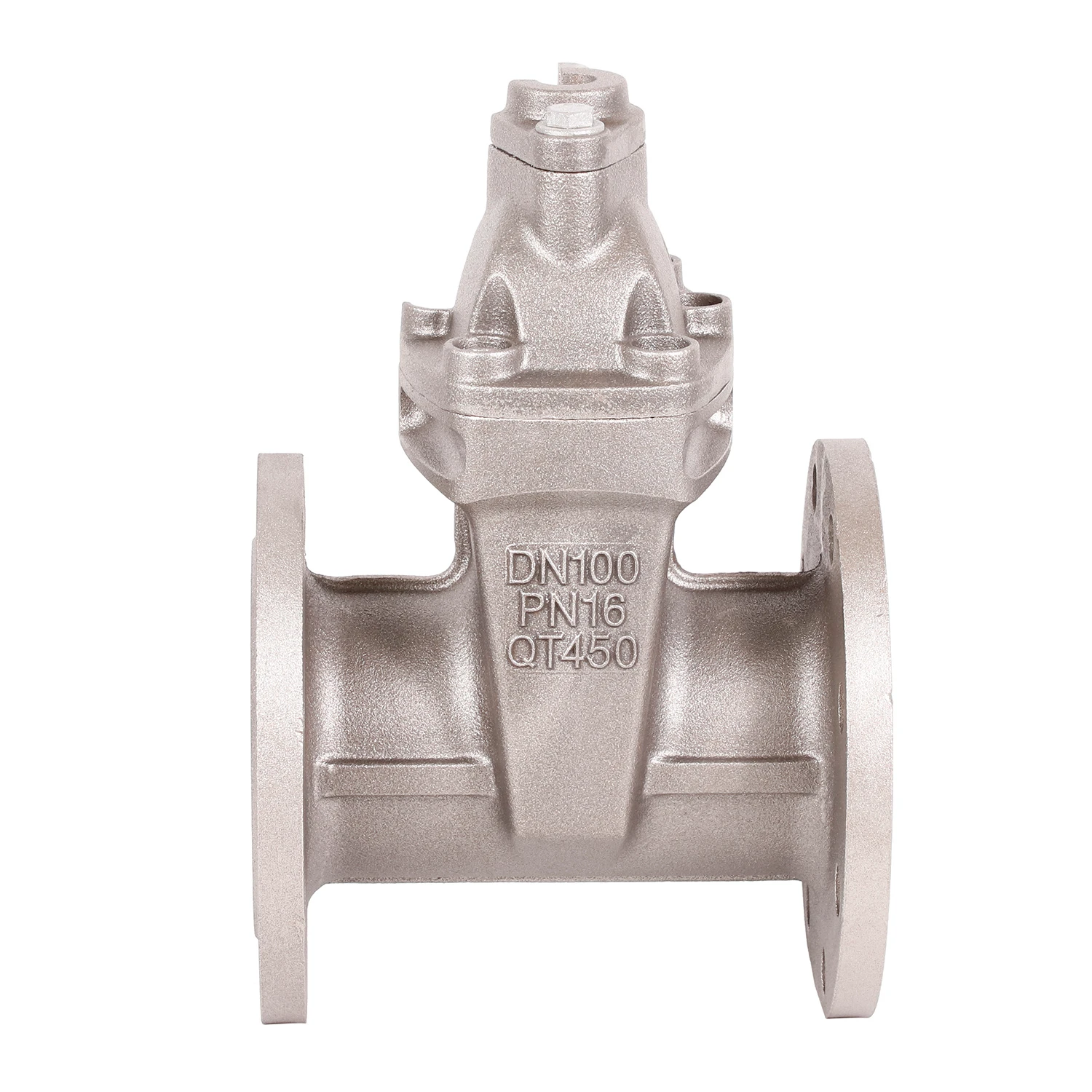
The emotional angle? Suppliers and end-users feel a confidence that comes from parts tested to endure — saving lives, enabling trust in machines, and maintaining dignity where infrastructure becomes lifelines. In humanitarian contexts, a forged steel connection can keep water flowing, shelter standing, or vehicles safe on treacherous terrain.
Technology is reshaping forging more than ever. We’re talking AI-powered inspection to catch microscopic flaws, simulations that model metal behavior before the first hammer falls, and automation that reduces human error and enhances repeatability.
The environmental push is another big driver — from using green hydrogen in furnaces to recycling scrap steel more efficiently, the industry is continually closing the gap between heavy manufacturing and clean production.
Additionally, additive manufacturing is quietly influencing how forging companies might operate, not as direct competitors but as complementary technologies for complex, customized steel parts.
It’s a curious thing — steel forging companies quietly underpin so much of our modern world. From the cars we drive to the buildings that protect us, their craftsmanship holds everything together.
If you’re involved in manufacturing, infrastructure, or humanitarian logistics, knowing your steel forging companies means knowing where your foundation lies. And for anyone seeking durability, sustainability, and innovation, these firms are moving fast — not just in hammers and heat, but in digital and green transformations.
To explore robust forging solutions that keep your projects moving forward, don’t hesitate to visit Mingda Metals.
In the end, forging steel is more than manufacturing — it’s shaping the backbone of tomorrow’s industry and infrastructure.