Phone:
+86 18631189888

Email:
liyanhui@bestcastings.cn


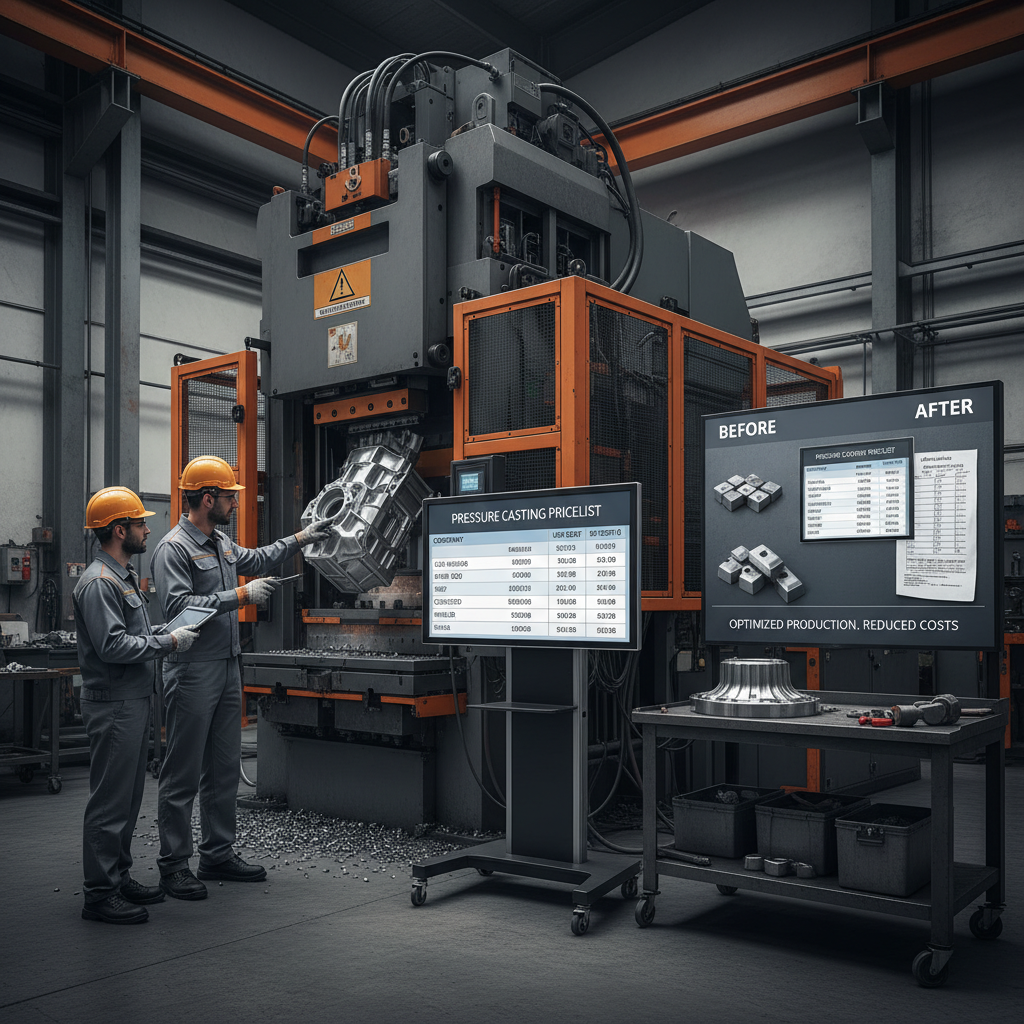
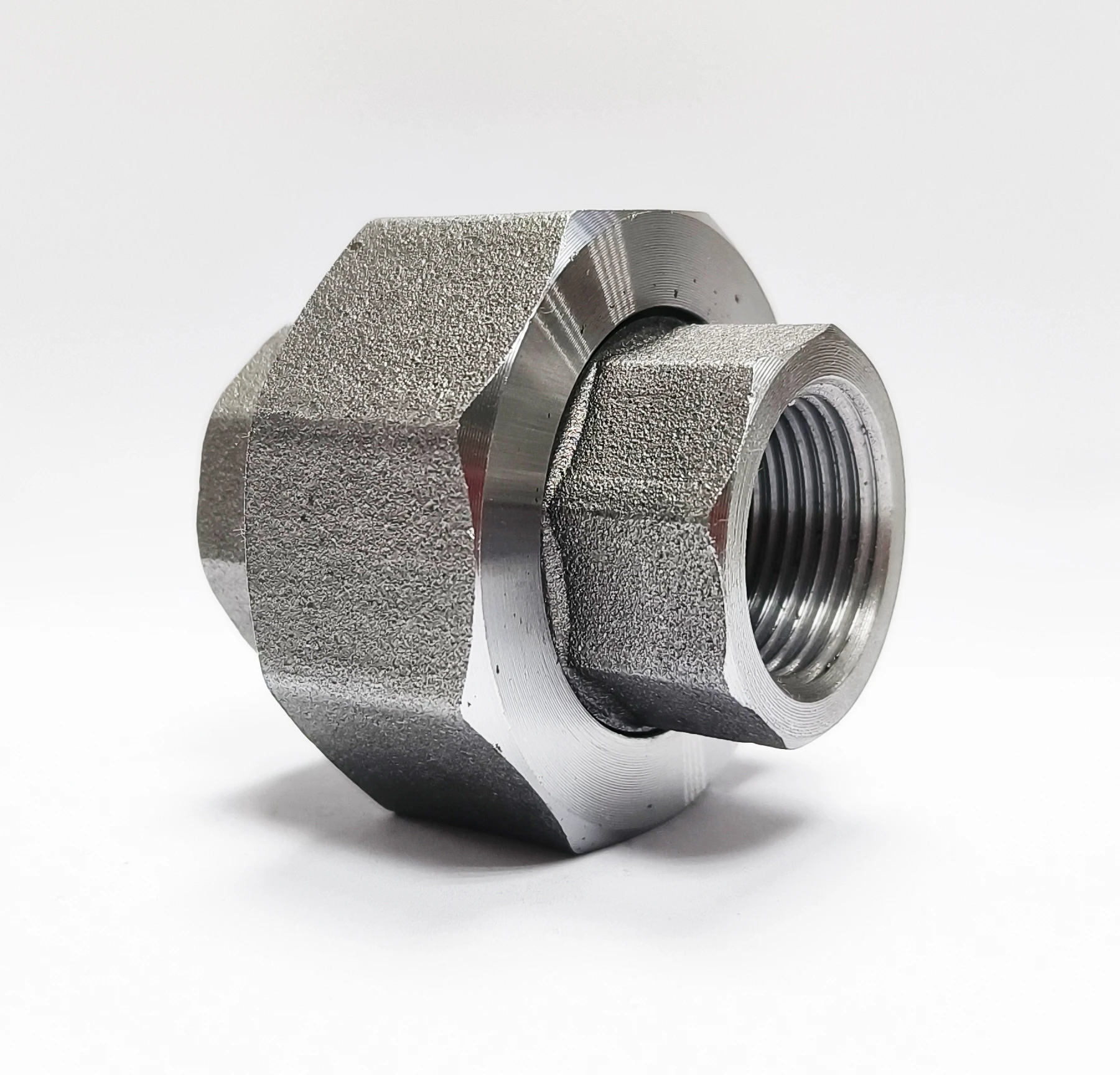
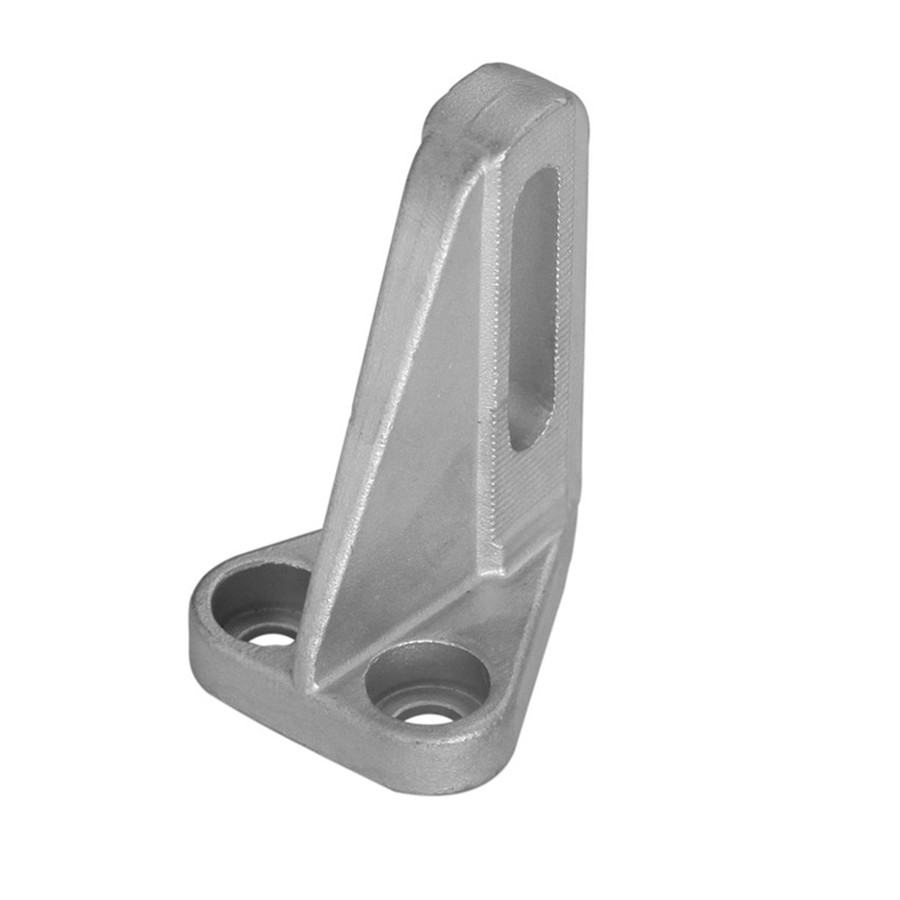
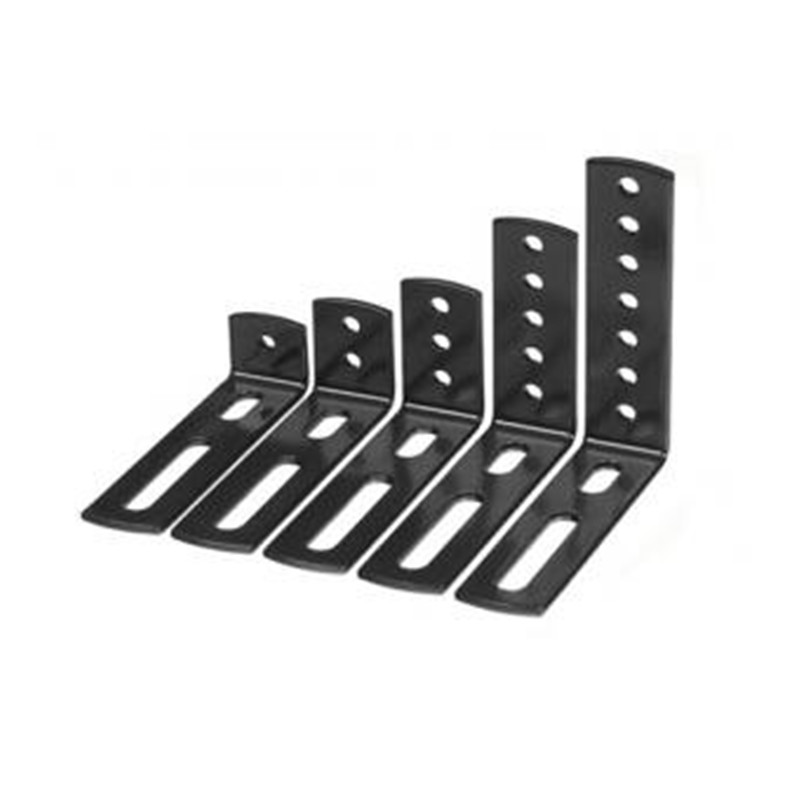
If you're shopping for sheet-metal or cast components these days, one phrase you'll bump into is stainless steel stamped parts,stainless steel precision casting. To be honest, the lines between stamping and precision casting blur for many applications — and that's where real design decisions happen.
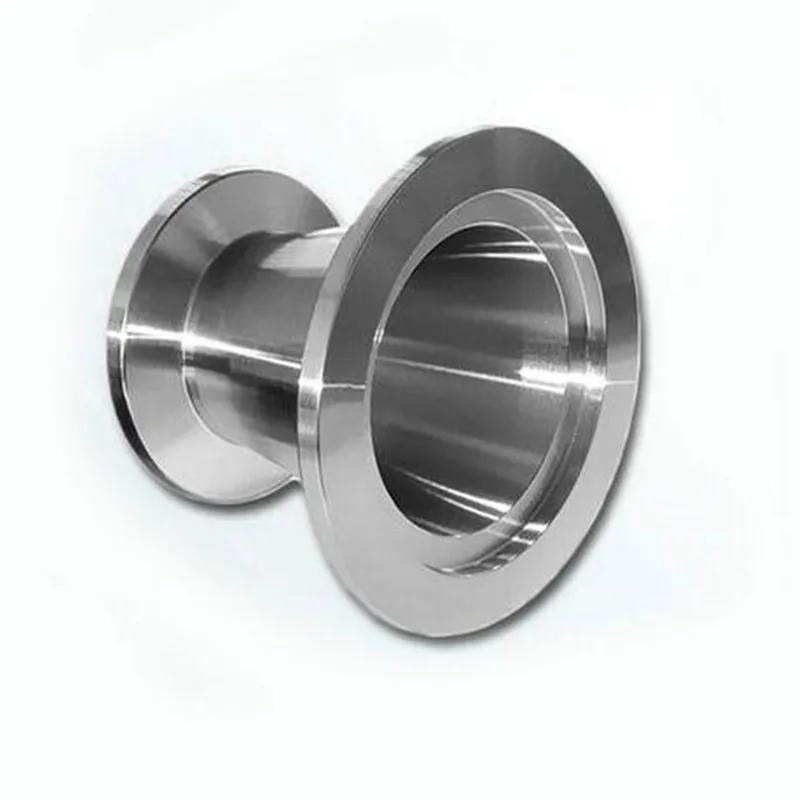
In fact, demand for corrosion-resistant components in automotive, agriculture and medical is pushing both stamping and precision casting into higher-precision territories. Suppliers now advertise tolerances ≈ ±0.05 mm for stamped parts and ±0.02 mm for investment casting — real-world use may vary. Many customers say traceability and certifications (ISO 9001, RoHS, sometimes AMS/ASTM specs) are as important as price.
I like to think in steps:
|
Spec |
Value / Notes |
|
Product |
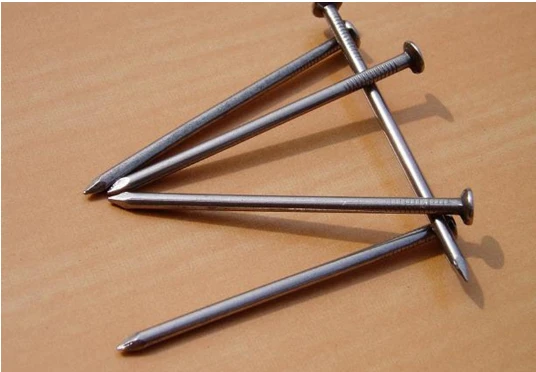
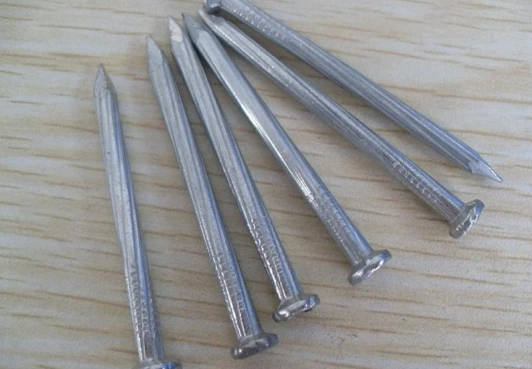
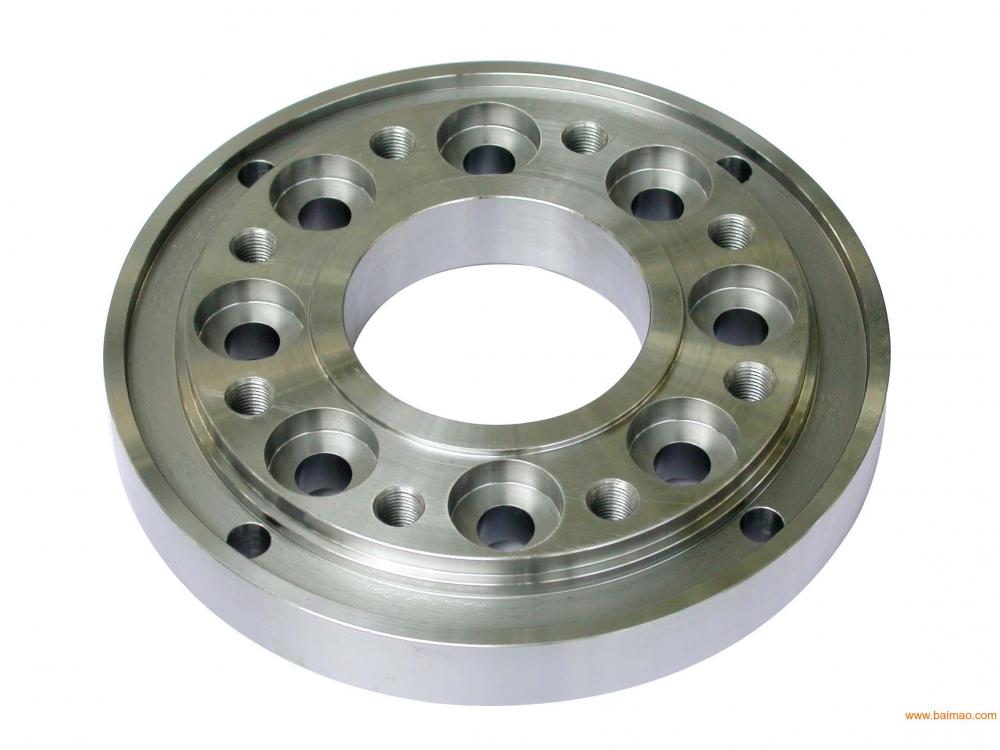
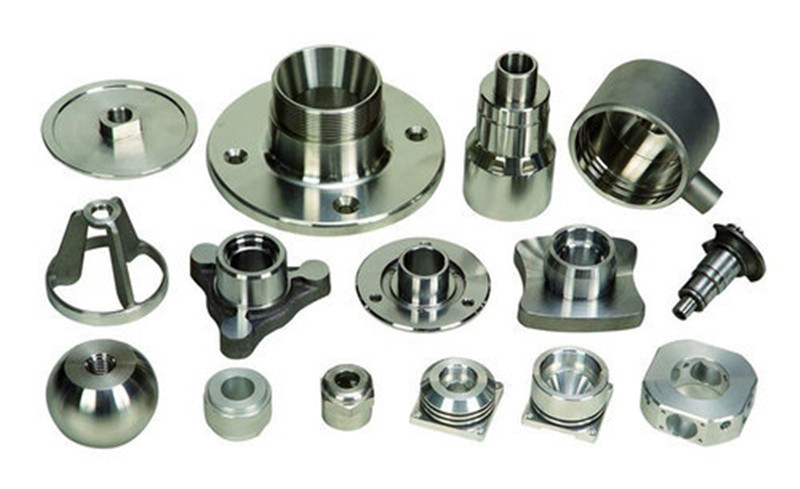
OEM Custom CNC Turning For Agricultural Machinery Parts |
|
Material |
C35 (carbon steel) — stainless options available on request |
|
Processing |
Turning / CNC finishing; stamping and precision casting described above |
|
Surface finish |
Plain; options: passivation, electro-polish, coating |
|
Feature |
Mingda Metals |
Local Job Shop |
Western OEM |
|
Lead time |
≈ 2–6 weeks |
1–3 weeks (small runs) |
4–12 weeks |
|
MOQ |
Low–medium |
Very low |
High |
|
Certifications |
ISO 9001, RoHS (often) |
Varies |
Extensive (industry-specific) |
|
Customization & tooling |
Strong (in-house tooling) |
Good for prototypes |
Best for complex specs |
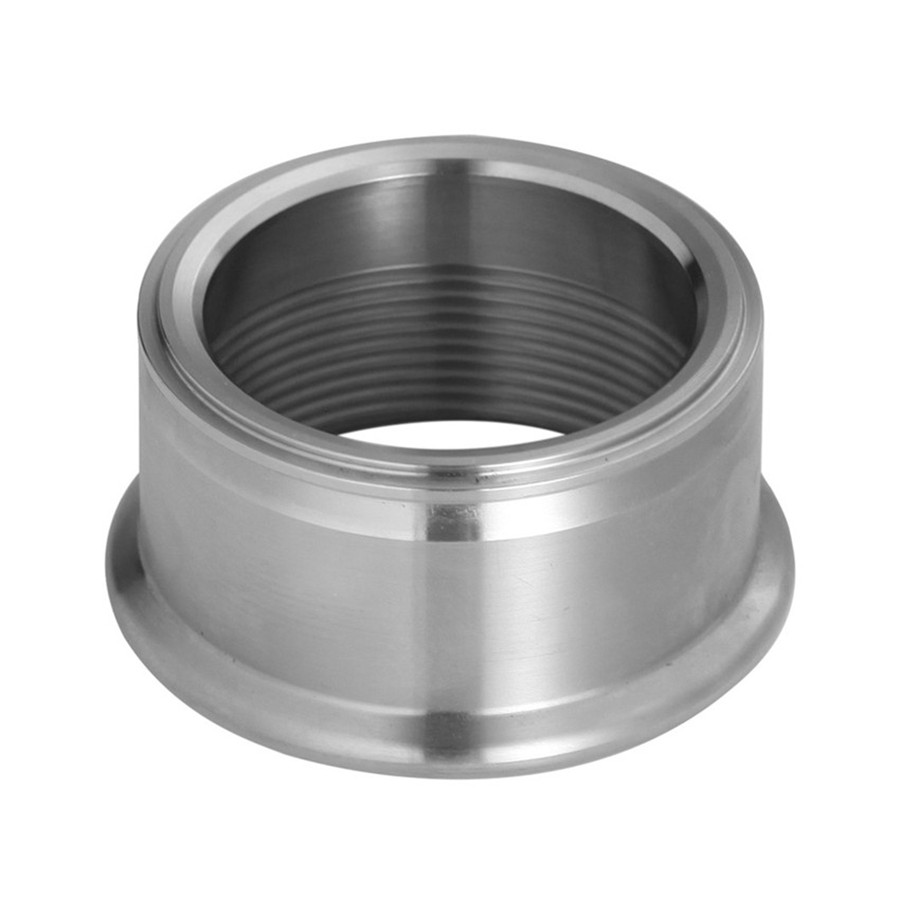
We recently tested a batch of hydraulic piston parts produced by CNC turning for an agricultural client — think OEM Custom CNC Turning For Agricultural Machinery Parts — and the result was promising: dimensional variance within ±0.03 mm, salt-spray resistance improved after passivation, and service life extended ≈ 20% compared with untreated parts. Customers said machining finish reduced assembly time. It seems that small investments in tooling and QA pay off quickly.
Remember: whether you choose stamping or precision casting, the key is specification up front — tolerances, surface roughness (Ra 0.4–1.6 µm typical), and test standards (ASTM A240, ASTM B117, ISO 9001). Also consider post-processes like heat treatment, shot peening, or CNC finish where needed.
To wrap up — and I’ll be blunt — there's no one-size-fits-all. For thin, high-volume parts stamping wins. For complex, near-net shapes with internal geometry, go with precision casting. And when you need tight geometry plus agricultural-grade strength, CNC finishing (like the OEM Custom CNC Turning For Agricultural Machinery Parts product) ties it all together.
If you want, I can audit a drawing and recommend whether stamping, casting or CNC finishing is best — I do this for suppliers and buyers all the time.