Phone:
+86 18631189888

Email:
liyanhui@bestcastings.cn


When you pause and think about the intricate systems that keep industries running smoothly worldwide, you might not immediately consider the humble slip on raised face flange. But honestly, this piece of metal is everywhere — quietly enabling pipelines, refineries, and power stations to function safely and reliably. In a world increasingly reliant on complex infrastructure, understanding these flanges helps us appreciate not just the nuts and bolts of engineering, but also the global networks that support energy, water, and manufacturing supplies.
Slip on flanges bridge pipes without fuss, offering cost-effective, reliable connections that are easier to install and inspect than many alternatives. So whether it's oil flowing across continents or water distributed in remote communities, these components matter more than you might guess.
The global piping flange market was estimated to be worth several billion dollars as of 2023, with slip on flanges commanding a big slice of that pie. With industrialization surging in Asia and infrastructure overhauls patching up aging systems in Europe and North America, these flanges solve a universal problem: joining pipes quickly without sacrificing strength or tight seals.
According to ISO standards, raised face flanges form the predominant seating surface type, promoting a better seal for pressure-sensitive pipeline systems. This is crucial in the oil and gas sector, where leaks can cascade into disastrous environmental and economic effects. Frankly, without reliable flange systems like these, industries would face downtime and risks that ripple far beyond factory floors.
Yet, challenges persist: corrosive environments, fluctuating pressure, and the push for greener, more sustainable materials. This puts slip on raised face flanges in the spotlight, as both a legacy tech and a platform for innovation in plumbing and piping engineering.
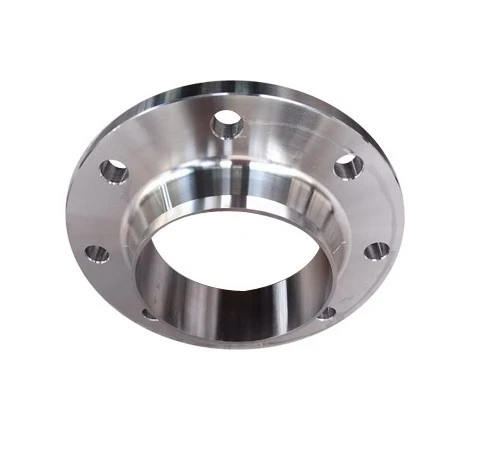
Simply put, a slip on raised face flange is a type of pipe flange that slips over the pipe and then is welded both inside and outside to provide strength and prevent leakage. The ‘raised face’ refers to a slightly elevated surface around the bore where the gasket sits, concentrating more pressure on a smaller gasket area, which improves the seal.
This design dates back decades but remains popular because it balances ease of installation with reliable performance, especially in moderate-pressure systems. Its relevance stretches beyond heavy industry — think water treatment plants, food processing units, and even humanitarian setups that need fast, trustworthy pipe connections.
Typically crafted from carbon steel, stainless steel, or alloy materials — depending on the operating environment — these flanges resist corrosion and stress. Many engineers say choosing the right material grade can be the difference between a five-year or twenty-year lifespan.
Slip on flanges slip on (obviously) the pipe and weld quickly. This greatly shortens installation times versus threaded or socket-weld types. Maintenance teams appreciate their straightforward inspection access and replacement ease, critical for minimizing downtime.
Their design lets them fit with a wide range of pipe schedules and sizes, making them versatile across industries — from petrochemical plants in the Middle East to water projects in Sub-Saharan Africa.
The raised face design, per ISO 7005 standards, has proven to improve gasket sealing efficiency under various pressures and temperatures, crucial for safety in handling gases or hazardous fluids.
Unlike more intricate flange types, these flanges deliver solid performance without inflating project budgets, which is vital in large-scale infrastructure programs and developing regions.
Oddly enough, industries as diverse as municipal waterworks, oil & gas pipelines, and even food and beverage processing rely on these unassuming parts. In post-disaster relief efforts, rapid pipe connection solutions are key — and slip on raised face flanges make makeshift water or fuel pipelines possible with minimal tools and expertise.
In industrial zones like the Gulf or Eastern Europe, companies routinely specify these flanges for refineries and power plants due to their proven seal reliability under fluctuating pressures. Manufacturing plants in Southeast Asia often balance cost constraints and quality requirements by opting for these flanges crafted from locally sourced stainless steel.
| Parameter | Details |
|---|---|
| Material | Carbon steel, Stainless steel, Alloy steel |
| Standard Sizes | 1/2" to 48" (NB) |
| Pressure Rating | 150# to 2500# (ANSI) |
| Face Type | Raised Face (RF) |
| Welding | Slip-on, fillet weld (internal & external) |
| Temperature Range | -29°C to 425°C (-20°F to 800°F) |
Mini takeaway: These flanges strike a practical balance between budget, durability, and ease — pretty much ticking the boxes most projects demand.
| Supplier | Range (Sizes & Materials) | Price Competitiveness | Lead Time (Weeks) | Quality Certifications | Global Reach |
|---|---|---|---|---|---|
| Ming Da Metals | Wide (Carbon & Stainless Steel) | Moderate | 3-5 | ISO 9001, API 6A | Strong (Asia, Europe, Americas) |
| Global Flanges Inc. | Standard (Carbon Steel) | Low | 2-4 | ISO 14001 | Moderate |
| PipeLink Solutions | Custom (High Alloy) | High | 4-6 | API 6D, PED | Strong (Europe, MENA) |
To me, what stands out is how this component manages to feel both old-school and yet adaptable for new challenges. It’s sort of the unsung hero of industrial design.
Looking ahead, manufacturers are exploring advanced alloys that resist extreme corrosion in offshore wind farms or deep-sea pipelines. Digital tagging and sensor integration for condition monitoring are also taking root — imagine flanges that alert you to pressure drops or micro leaks before they get serious.
Environmental demands are pushing the industry to improve lifecycle analyses and recyclability. The combination of sustainability policies (like ISO 14001 adoption) and technical innovation means slip on raised face flanges will likely keep evolving in smarter, greener ways.
Slip on raised face flanges are not without their quirks. Their double welding means somewhat more fabrication time and the risk of weld defects is higher compared to weld neck flanges. Also, for ultra-high pressure or critical pipelines, engineers often recommend alternatives.
That said, ongoing training, quality weld inspections, and supplier audits can mitigate most problems. Smart welding techniques, such as automated welding or enhanced NDT (non-destructive testing), are increasingly common solutions. So while they’re not a “fit every situation” part, their pros usually outweigh cons when chosen wisely.
As infrastructure demands swell globally, the slip on raised face flange will continue playing a pivotal role — quietly, reliably, and cost-effectively joining the world’s pipes and dreams. From the ambitions of sprawling energy grids to the water supplies of fast-growing cities, this flange offers a dependable answer to complex engineering questions.
If you’d like to explore top-quality slip on raised face flanges for your projects or want trusted advice, visit our website and discover how we can help you connect your pipelines with confidence.
Mini takeaway: It’s often the simplest parts — like slip on raised face flanges — that hold whole industries together. Keeping up with standards, innovations, and supplier options makes all the difference.