Phone:
+86 18631189888

Email:
liyanhui@bestcastings.cn


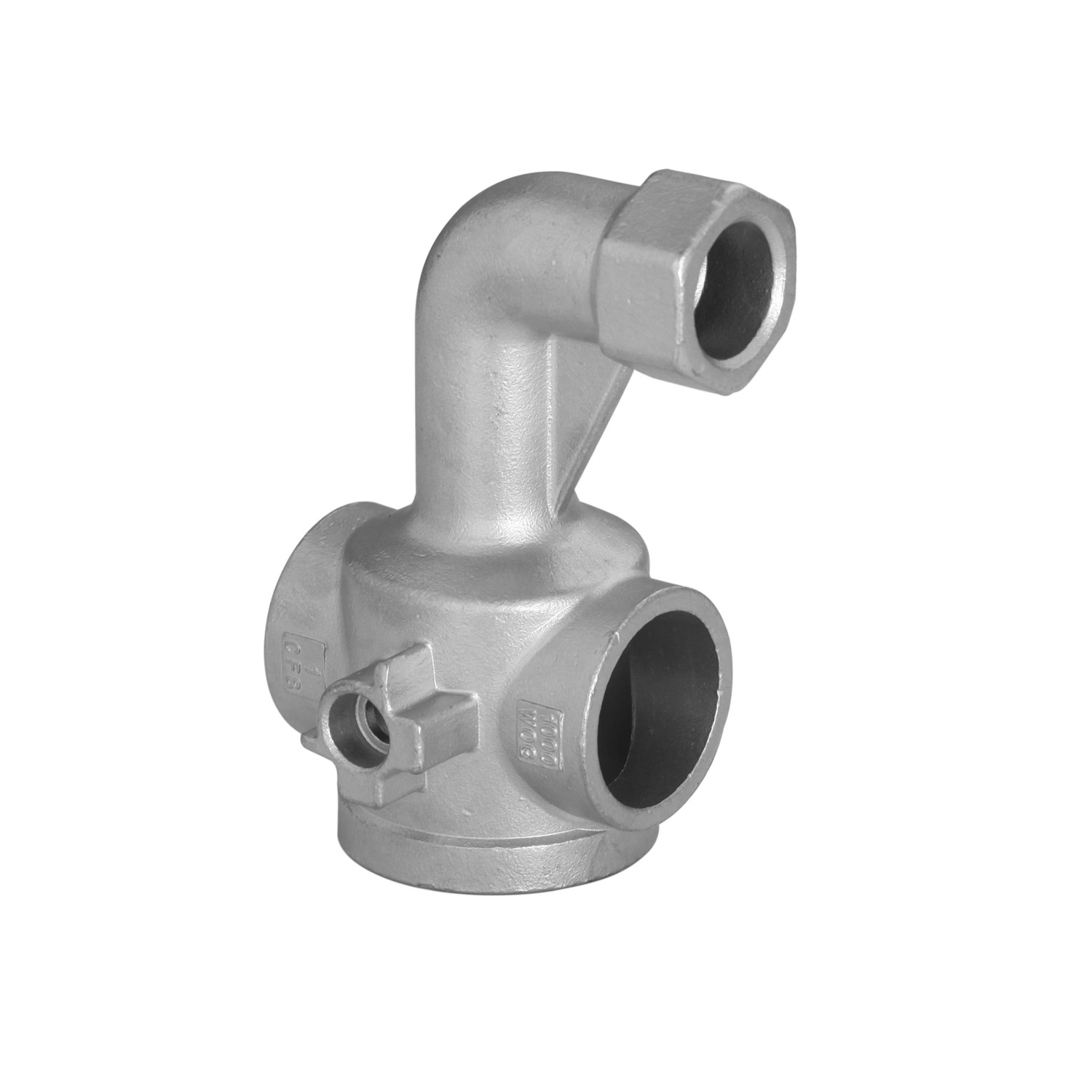
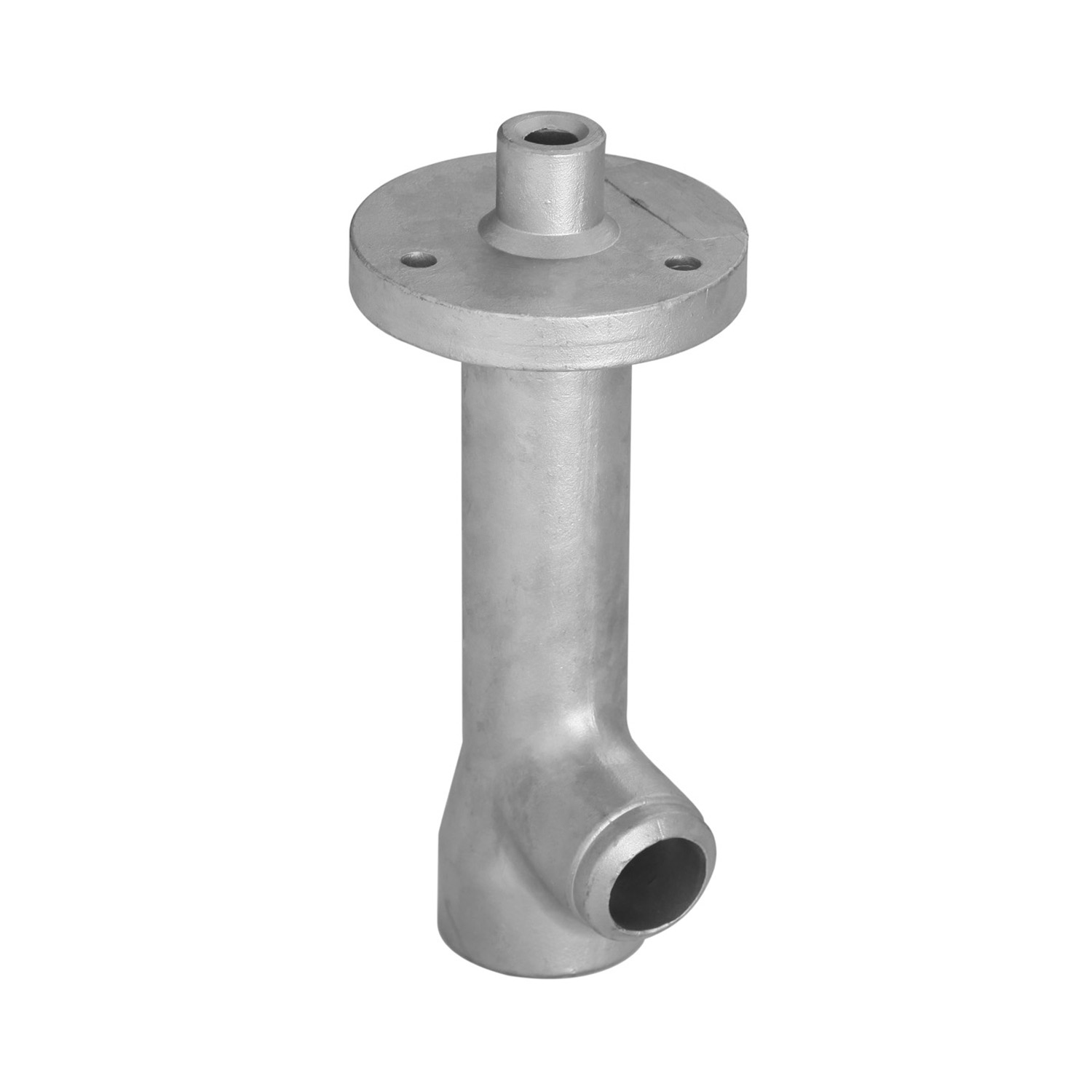
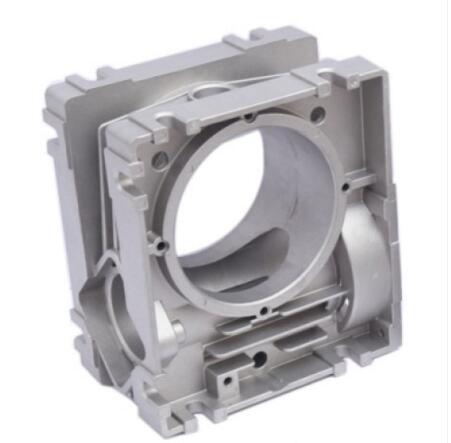
In the demanding landscape of modern industrial applications, the pursuit of materials and manufacturing processes that deliver superior performance, reduced weight, and enhanced efficiency is relentless. This drive has brought components crafted through advanced methods like stainless steel cast thin fabrication to the forefront. These intricate components are crucial across sectors requiring high corrosion resistance, exceptional strength-to-weight ratios, and precise dimensional accuracy. From complex flow dynamics in petrochemical systems to critical structural integrity in aerospace, the ability to produce stainless steel parts with consistently thin walls is a hallmark of sophisticated engineering and manufacturing prowess. The increasing demand for efficiency and sustainability underscores the importance of this specialized casting technique, positioning it as a key trend in material science and industrial design.
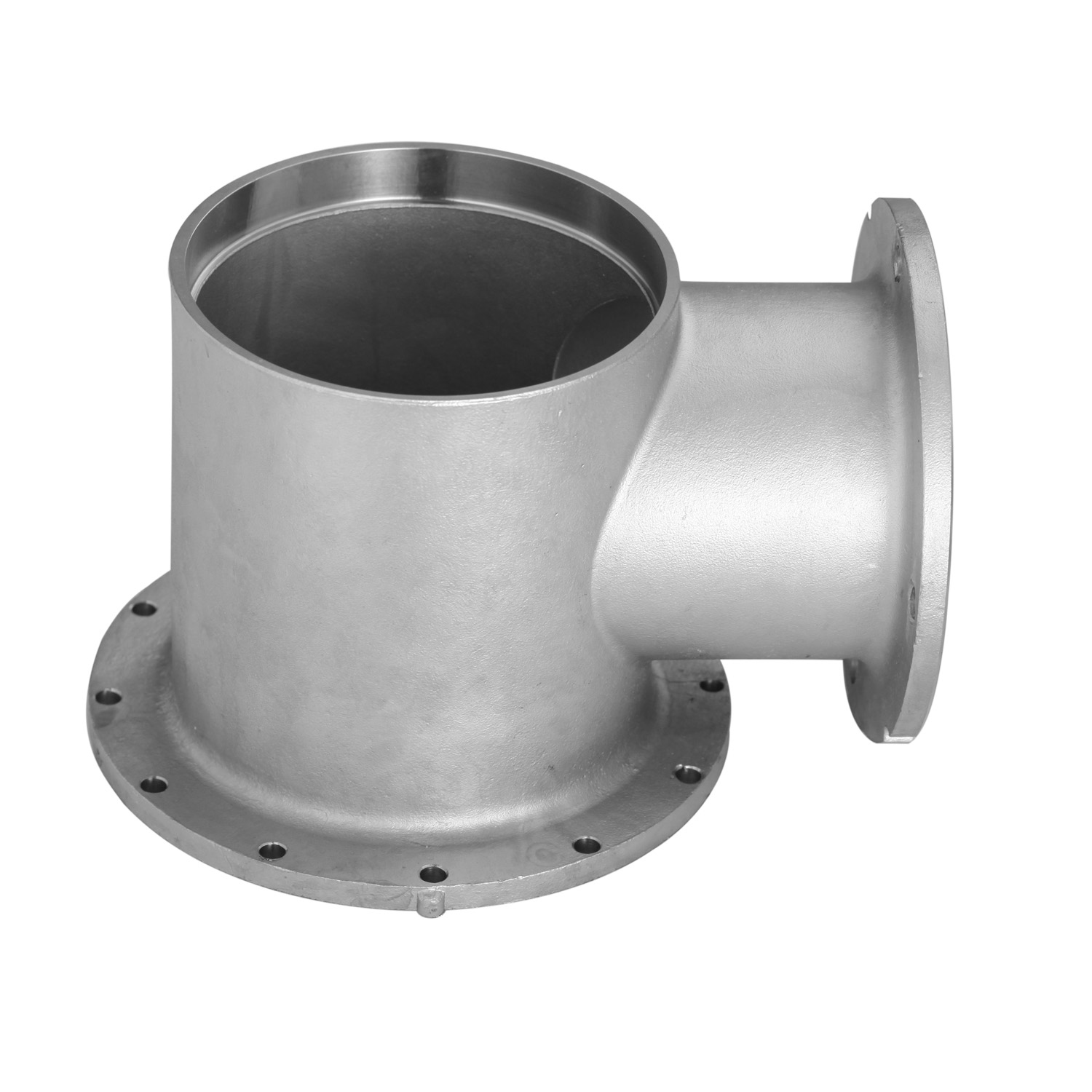
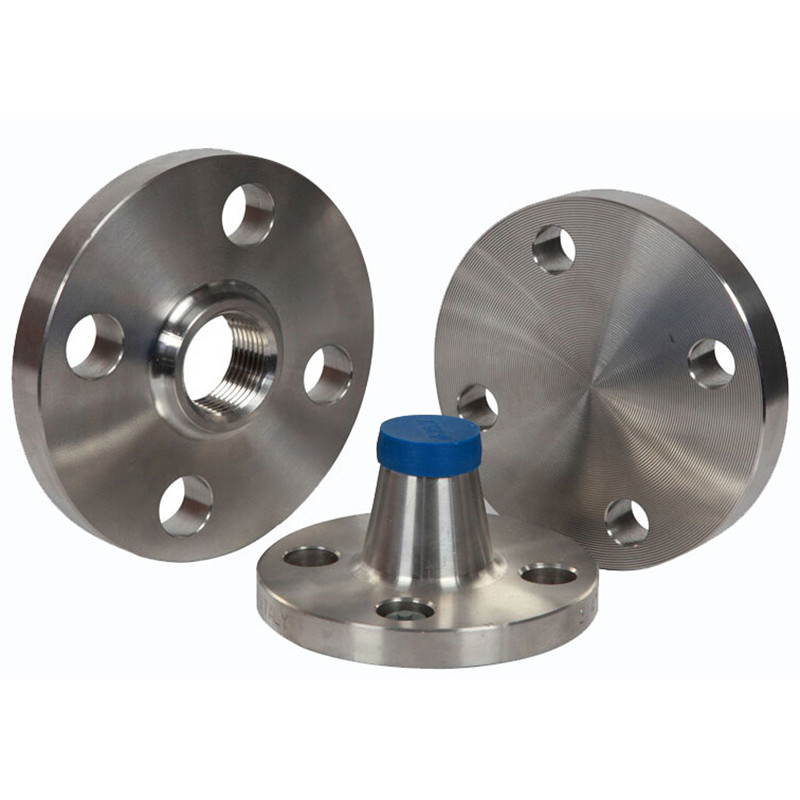
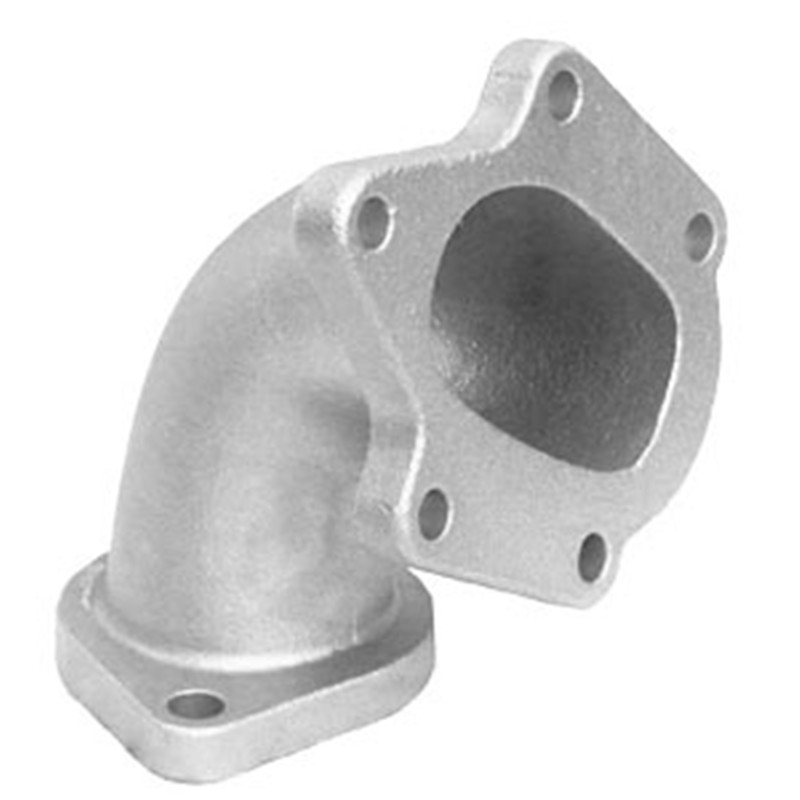
The market is increasingly valuing components that minimize material usage while maximizing performance, making techniques like advanced stainless steel cast thin production indispensable. This trend is also evident in related components such as the robust stainless steel 90 elbow, which benefits from precision casting to ensure seamless flow and durability, and critical structural elements like the tie rod stainless steel and stainless steel tie rod, where consistent material properties and dimensional accuracy are paramount. The broader field of stainless steel casting continues to evolve, pushing boundaries in material fluidity and metallurgical control to achieve previously unattainable geometries and wall thicknesses.
Producing high-quality stainless steel cast thin components demands a meticulous and highly controlled manufacturing process, often leveraging investment casting (also known as lost-wax casting) for its ability to create intricate geometries with exceptional surface finish and dimensional accuracy. The process is a testament to the blend of metallurgical science and advanced engineering.
The typical service life for these components, especially in demanding environments like petrochemical, metallurgy, and water supply & drainage, can exceed 20 years, largely due to their inherent corrosion resistance and robust mechanical properties. This longevity contributes significantly to energy saving and reduced maintenance costs across various industries.
The technical specifications for stainless steel cast thin components are crucial for ensuring their suitability for specific applications. These parameters dictate performance, reliability, and compliance with industry standards. Below is a representative table outlining typical specifications for precision stainless steel casting, focusing on properties critical for thin-wall applications.
| Parameter | Typical Range / Value | Description / Standard Reference |
|---|---|---|
| Material Grades | ASTM A351 CF8 (304), CF8M (316), CF3M (316L), CD4MCU (Duplex), CA6NM, etc. | Common stainless steel alloys used for corrosion resistance and mechanical strength. |
| Minimum Wall Thickness | 0.8 mm to 3 mm (0.03 in to 0.12 in) | Achievable for specific designs and alloys via investment casting. |
| Dimensional Tolerance | ISO 2768-mK / CT5-CT7 per VDG P690 | Precision achievable before secondary machining. |
| Surface Roughness | Ra 3.2 - 6.3 µm (125-250 µinch) as-cast | Improved with polishing or specific finishing processes. |
| Tensile Strength (316L) | Min. 485 MPa (70 ksi) | ASTM A351 / A743 standard mechanical properties. |
| Yield Strength (316L) | Min. 170 MPa (25 ksi) | Measure of stress before permanent deformation. |
| Elongation (316L) | Min. 30% | Indicates ductility and ability to deform without fracture. |
| Heat Treatment | Solution Annealing, Precipitation Hardening (for specific alloys) | Optimizes microstructure, corrosion resistance, and mechanical properties. |
| Testing Standards | ISO, ASTM, ANSI, DIN, JIS, EN | Adherence to international material and performance benchmarks. |
These specifications highlight the capabilities of modern casting technologies to produce components that meet rigorous industry demands. The ability to control wall thickness to such fine tolerances significantly reduces material consumption and component weight, leading to substantial energy savings in operational contexts and reduced logistical costs.
The versatility and high performance of stainless steel cast thin components make them indispensable across a multitude of critical industrial sectors. Their robust properties, coupled with the precision of thin-wall casting, enable solutions for challenging environments where conventional manufacturing methods fall short.
In these diverse applications, the advantages of thin-wall stainless steel casting are evident: complex geometries can be achieved, material waste is minimized, and the resulting components are often lighter yet equally robust as their thicker counterparts. This contributes to better operational efficiency and reduced environmental impact.
The strategic adoption of stainless steel cast thin technology offers a distinct competitive edge, delivering a suite of technical advantages that address critical industrial challenges.
These advantages collectively translate into tangible benefits for B2B clients, including reduced total cost of ownership, increased operational reliability, and improved product performance.
Selecting the right manufacturing partner for stainless steel cast thin components is a strategic decision that profoundly impacts project success. A robust vendor comparison considers not just price, but a holistic assessment of capabilities, quality assurance, and technical partnership.
| Criterion | Importance | Description for Thin-Wall Casting |
|---|---|---|
| Technical Expertise & R&D | Critical | Proven track record in intricate thin-wall designs, advanced metallurgy, simulation software for mold flow analysis. |
| Quality Certifications | Essential | ISO 9001, IATF 16949 (automotive), PED (pressure equipment), material traceability, NDT capabilities. |
| Customization Capabilities | High | Ability to engineer specific alloys, integrate complex features, and offer bespoke solutions based on client drawings. |
| Production Capacity & Lead Time | High | Reliable delivery schedules, ability to scale production, efficient project management. |
| After-Sales Support | Important | Technical assistance, troubleshooting, warranty commitments, and spare parts availability. |
| Cost-Effectiveness | Balanced | Competitive pricing relative to quality and service, total cost of ownership considerations. |
Many industrial applications require more than off-the-shelf components. We specialize in providing customized solutions for stainless steel cast thin parts, collaborating closely with our clients from initial concept to final production. This includes:
Our commitment to innovation and customer-centric solutions ensures that each stainless steel cast thin component is perfectly aligned with the demanding requirements of B2B industrial applications.
The practical benefits of stainless steel cast thin technology are best illustrated through real-world applications where these advanced components have delivered significant improvements.
A major desalination plant operator faced frequent impeller failures due to cavitation erosion and corrosion from highly saline water. Traditional cast impellers were heavy and limited in design complexity. By transitioning to custom-designed stainless steel cast thin impellers (Duplex SS 2205) produced via investment casting, the client achieved:
A medical device manufacturer required a lightweight, sterile-grade housing with complex internal channels for a new diagnostic instrument. The component needed to be biocompatible and withstand repeated sterilization cycles. Our stainless steel cast thin solution (316L SS) provided:
These cases exemplify how precision thin-wall stainless steel casting can provide innovative, high-performance solutions for even the most challenging industrial demands, offering benefits far beyond conventional manufacturing methods.
In the B2B sector, trust, expertise, authority, and experience () are paramount. Our operations are built on these pillars to ensure clients receive not just a product, but a reliable and high-value solution.
With decades of experience in advanced stainless steel casting, particularly in challenging thin-wall geometries, our team comprises metallurgical engineers, casting specialists, and quality assurance experts. We leverage cutting-edge simulation software (e.g., MAGMAsoft) for mold flow analysis and solidification prediction, ensuring optimal design and defect-free production for even the most complex stainless steel cast thin parts. Our portfolio includes successful projects for leading companies in petrochemical, aerospace, and medical sectors, reflecting our deep understanding of industry-specific requirements and challenges.
Our commitment to quality is underpinned by stringent adherence to international standards and certifications:
Warranty Commitments: We provide a comprehensive warranty on all our stainless steel cast thin products, ensuring they are free from defects in material and workmanship. Specific warranty terms are provided with each quotation and typically cover manufacturing faults for 12-24 months from delivery.
Customer Support: Our dedicated customer service and technical support teams are available globally to assist with inquiries, technical challenges, and after-sales support. We offer direct communication with project engineers to ensure seamless collaboration and effective problem-solving throughout the product lifecycle.
The advancement of stainless steel cast thin technology represents a significant leap in industrial manufacturing capabilities. By combining the inherent advantages of stainless steel—corrosion resistance, strength, and durability—with the precision of thin-wall casting, manufacturers can produce components that are lighter, more efficient, and capable of operating in the most demanding environments. This technique not only reduces material consumption and operational costs but also opens new avenues for innovative design, driving progress in sectors ranging from petrochemical to medical. As industries continue to seek high-performance, sustainable, and cost-effective solutions, the role of precision stainless steel casting, especially for thin-walled components, will only grow in importance.