Phone:
+86 18631189888

Email:
liyanhui@bestcastings.cn


Choosing the right supplier is essential when purchasing aluminium machining parts for industrial equipment, machinery, automotive components, valves, housings, and other custom applications. Aluminum offers the advantages of low weight, corrosion resistance, good machinability, and a favorable strength-to-weight ratio, but the final quality of a machined component depends heavily on material selection, manufacturing processes, dimensional control, surface treatment, and supplier capabilities. Reliable aluminium machining parts suppliers should therefore provide more than machining services. They should understand engineering drawings, select suitable production processes, maintain consistent quality, and provide dependable delivery. For buyers sourcing custom components from China, evaluating manufacturing experience and production flexibility is especially important.
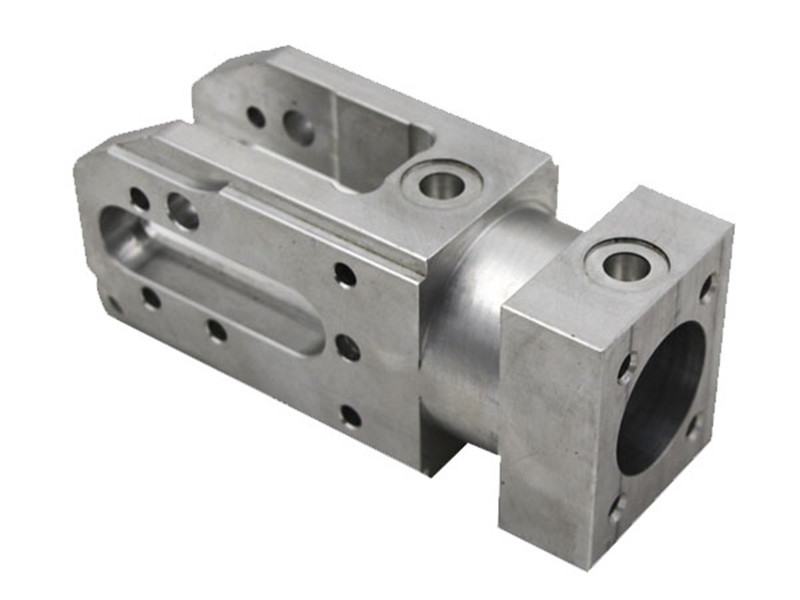
High-quality aluminium machining parts can provide accurate dimensions and stable performance while helping manufacturers reduce component weight. Aluminum is suitable for CNC machining because it can be efficiently cut, drilled, milled, turned, and finished to achieve complex geometries and tight dimensional requirements. This makes aluminium machining parts suitable for machinery housings, brackets, valve components, automotive parts, pump components, industrial equipment, and many other applications.
For custom projects, the material grade should match the actual operating environment and mechanical requirements. Different aluminum alloys provide different combinations of strength, machinability, corrosion resistance, and surface characteristics. A professional supplier should be able to review the customer's drawings and recommend an appropriate production method rather than simply machining every component using the same process.
Another important consideration is consistency. When buyers need repeated batches of aluminium machining parts, dimensional variation between production runs can create assembly problems and increase production costs. A capable supplier should therefore have effective process control and inspection procedures throughout manufacturing.

When comparing aluminium machining parts suppliers, buyers should first examine their experience with customized components. A supplier that understands different casting and machining technologies can provide more flexible solutions for products with different structures and production quantities.
Manufacturing capability is another important factor. Some aluminium machining parts require CNC milling or turning after casting, while others may be produced directly from aluminum bar, plate, or other raw materials. For complex components, combining casting and machining can sometimes provide a more efficient production solution.
Communication is also critical when working from customer drawings. Reliable aluminium machining parts suppliers should be able to understand technical drawings, dimensional tolerances, material specifications, surface requirements, and inspection standards. Clear communication before production can reduce misunderstandings and prevent costly modifications later.
Buyers should also consider quality assurance, production lead time, packaging, and export experience. A supplier with established relationships with multiple manufacturing facilities may have greater flexibility when selecting the most suitable production process for a specific project.
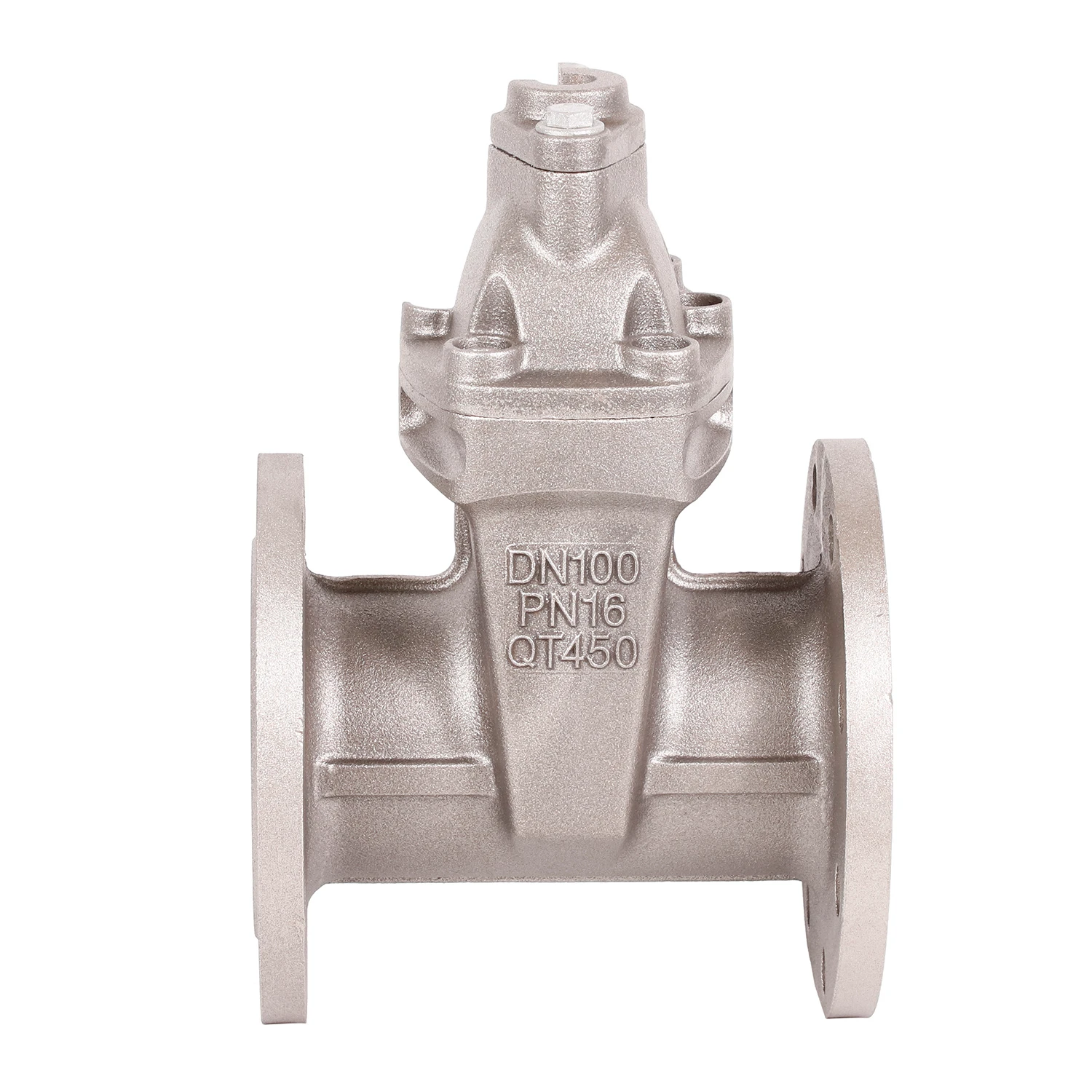
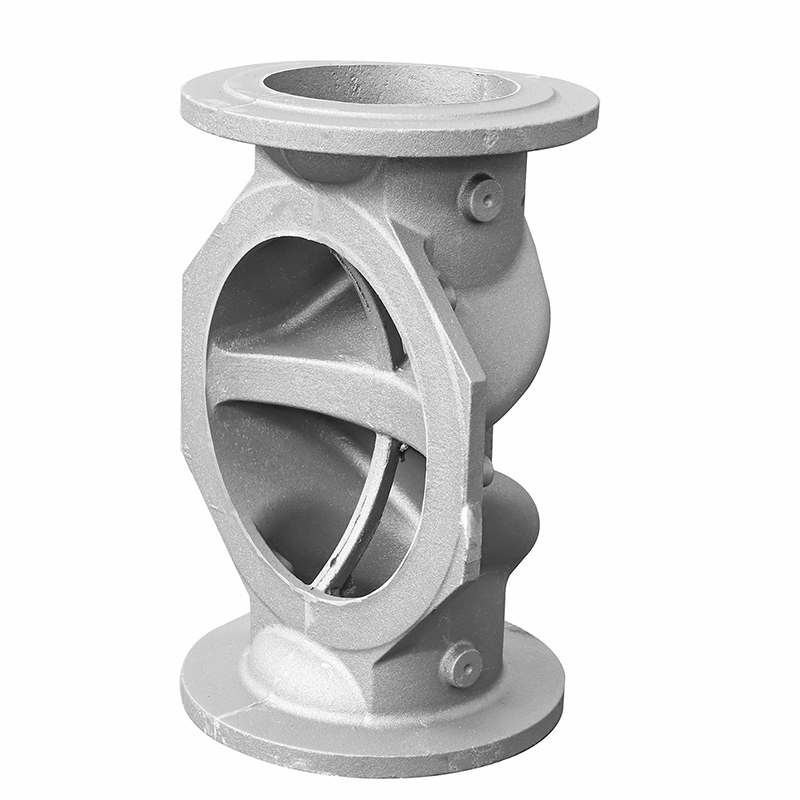
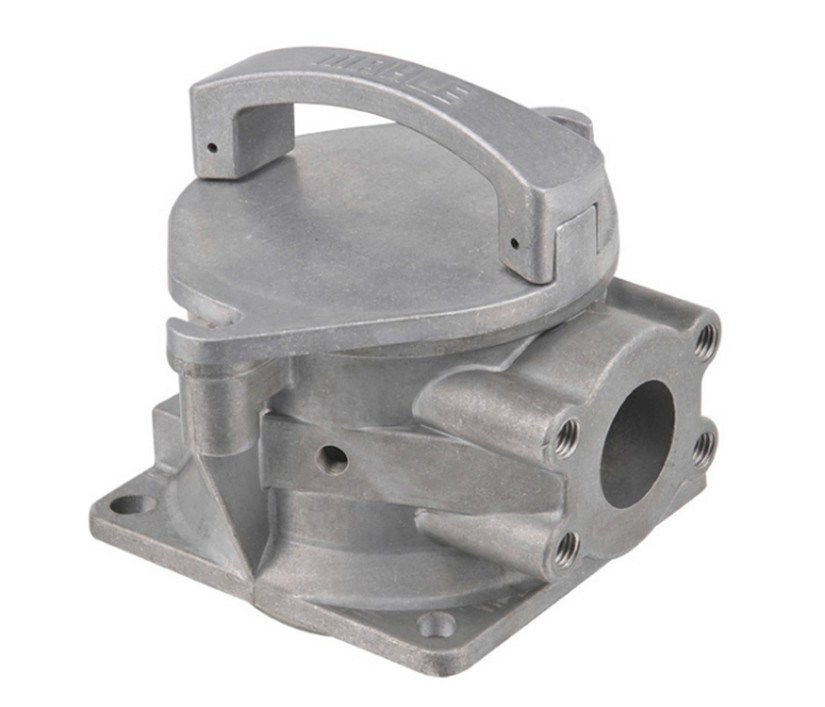
For certain custom components, OEM aluminium gravity die casting can be an effective manufacturing method before machining. Gravity die casting uses reusable metal molds and relies primarily on gravity to fill the mold with molten aluminum alloy. Compared with machining a complete component from a solid block, casting can reduce material waste and make it more practical to produce components with larger or more complicated shapes.
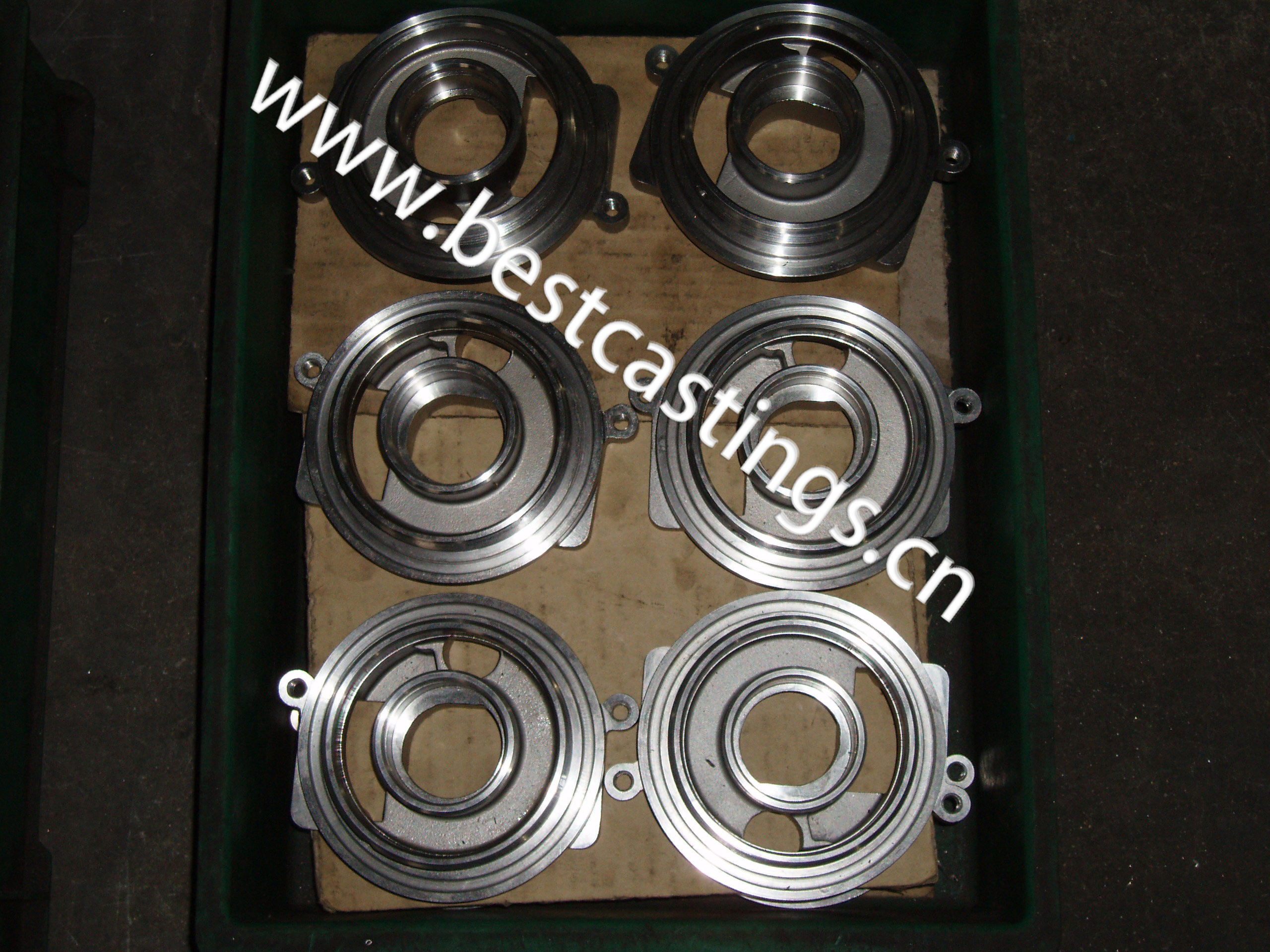
After casting, critical surfaces and dimensional features can be finished through CNC machining. This combination allows manufacturers to produce aluminium machining parts with cast near-net shapes while achieving greater dimensional accuracy on important areas.
The suitability of OEM aluminium gravity die casting depends on factors such as component geometry, production quantity, alloy requirements, wall thickness, dimensional tolerances, and expected mechanical performance. An experienced supplier should evaluate the drawing before recommending whether gravity casting, sand casting, CNC machining, or a combination of processes is more appropriate.
For buyers ordering custom aluminium machining parts, this process flexibility can be valuable because it allows production methods to be selected according to the actual requirements rather than relying on one fixed manufacturing technology.
A reliable China CNC aluminium parts manufacturer should have strong technical communication capabilities, suitable CNC equipment, experienced production personnel, and effective quality control. CNC machining is especially useful for custom aluminium machining parts because computer-controlled equipment can maintain repeatable machining operations according to programmed dimensions.
However, equipment alone does not determine product quality. A capable China CNC aluminium parts manufacturer should also understand tool selection, machining parameters, fixture design, workholding, dimensional inspection, and surface finishing. These factors can directly influence the accuracy and appearance of finished components.
The supplier should also be capable of producing prototypes and repeat production batches according to customer requirements. For industrial buyers, maintaining the same dimensions and performance from one batch to another is often more important than simply achieving a good result on a single sample.
Quality inspection should cover critical dimensions, material requirements, machining surfaces, and other customer-defined specifications. When necessary, inspection records and other quality documentation can provide additional confidence before shipment.
For buyers searching for china cnc machining aluminium parts, customization is usually one of the primary considerations. CNC machining can process aluminum components according to customer-supplied drawings, CAD files, dimensions, tolerances, and technical specifications.
The production process can include CNC milling, CNC turning, drilling, tapping, boring, and other machining operations depending on the structure of the component. This flexibility makes aluminium machining parts suitable for both relatively simple components and precision parts with multiple machined surfaces.
A professional supplier should review the drawing before production and identify potential manufacturing issues. For example, excessively tight tolerances may increase machining time and cost when they are not necessary for the actual function of the component. A supplier with engineering experience can help buyers balance dimensional requirements, production efficiency, and overall cost.
Surface finishing can also be considered according to the application. Depending on the aluminum alloy and end-use requirements, anodizing, polishing, coating, or other finishing processes may be available. Proper finishing can improve appearance and provide additional surface protection.
Before placing an order for aluminium machining parts, buyers should provide complete technical information whenever possible. Drawings should clearly indicate dimensions, tolerances, material requirements, surface treatment, and other important specifications. If the component is manufactured from a casting blank, information about the casting process and machining allowance may also be important.
Production quantity should also be discussed in advance because it can influence the most economical manufacturing method. For small quantities, CNC machining from aluminum stock may be practical, while larger production volumes may benefit from casting followed by machining.
Packaging and delivery requirements should not be overlooked. Aluminum components can be protected against scratches, deformation, moisture, and contamination through suitable packaging methods. A reliable supplier should also communicate the expected production schedule clearly and make reasonable arrangements to meet the customer's delivery requirements.
Hebei Mingda International Trading Company is a trading company specializing in castings, forgings, and machinery parts. With deep business relationships with manufacturers in major cities across China, the company can flexibly match customer requirements with suitable production facilities. This provides buyers with greater options when sourcing customized aluminium machining parts according to drawings, quality standards, production quantities, and delivery requirements.
Its product capabilities cover aluminum castings, machined castings, forged parts, ductile iron, gray iron, brass, stainless steel, and other materials. Different casting technologies, including resin sand, sand molding, hot core boxes, lost-wax, and lost-foam processes, are available through its manufacturing network. This broad production capability makes it possible to evaluate different manufacturing methods for custom components.
Quality control is another important part of the company's service. In addition to customer requirements, strict quality assurance procedures are applied to help ensure that products meet specified standards. The company has accumulated extensive experience in casting and machinery products and exports to markets including Germany, Sweden, the UK, Denmark, France, the USA, and the Middle East.
For buyers comparing aluminium machining parts suppliers, price and delivery flexibility are also important. Hebei Mingda can select suitable factories and production processes according to drawings and quality requirements, helping customers achieve competitive pricing without sacrificing required quality. The normal lead time is around 30 days, while special orders may be completed in approximately 20 days when production conditions allow.
Aluminium machining parts are widely used in machinery, automotive equipment, industrial systems, valves, pumps, housings, brackets, and other applications where lightweight construction, corrosion resistance, and accurate dimensions are required.
When selecting aluminium machining parts suppliers, consider their machining and casting capabilities, quality control system, experience with custom drawings, production flexibility, delivery performance, and export experience. A supplier capable of coordinating different manufacturing processes can often provide a more suitable solution for complex projects.
Yes. OEM aluminium gravity die casting can be used to produce near-net-shape aluminum blanks, which can then undergo CNC machining on critical surfaces. The method can be suitable for certain medium- or high-volume custom components depending on geometry, alloy, tolerances, and production requirements.
A qualified China CNC aluminium parts manufacturer can provide customized machining based on drawings and specifications while offering flexible production options and competitive manufacturing costs. Buyers should evaluate technical capability and quality consistency rather than focusing only on price.
Yes. China CNC machining aluminium parts can generally be produced according to customer drawings, CAD files, dimensions, tolerances, material requirements, and surface finishing specifications. CNC milling, turning, drilling, tapping, and other processes can be combined according to the component design.
Customers can provide drawings, material requirements, quantities, tolerances, surface treatment requirements, and delivery expectations for evaluation. Hebei Mingda can then coordinate with suitable Chinese manufacturing facilities and recommend an appropriate production process. If you are looking for dependable aluminium machining parts for your next industrial project, contact Hebei Mingda International Trading Company with your drawings and requirements and request a quotation. Start your order today to discuss production options, quality standards, competitive pricing, and delivery arrangements.