Phone:
+86 18631189888

Email:
liyanhui@bestcastings.cn

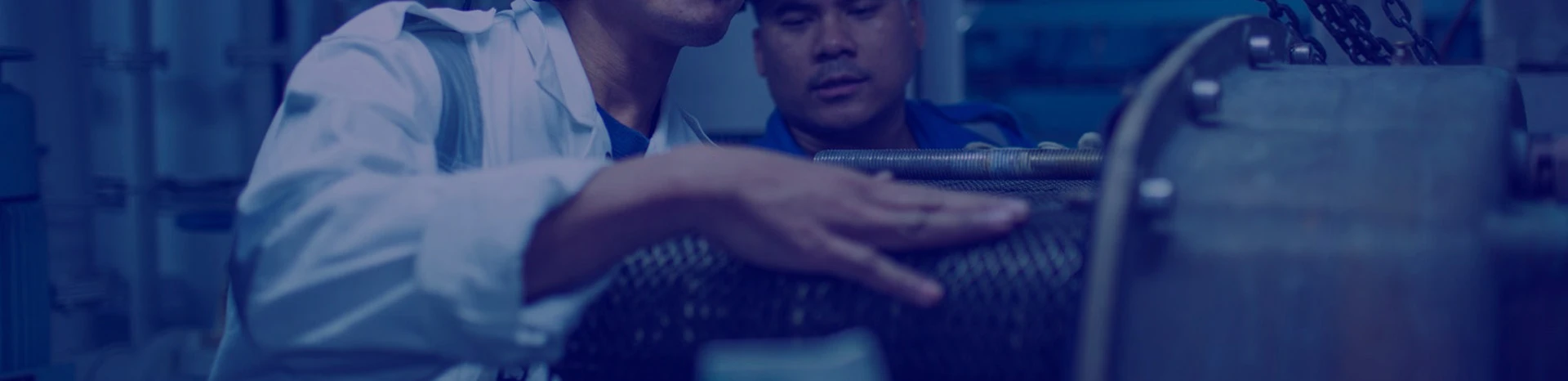
Pipe fittings stainless steel pipe fittings may sound like a mouthful, but these components are essential connectors, often overlooked, that keep the world’s infrastructure running smoothly. Whether you’re sipping water from your tap, seeing steam move in power plants, or dealing with complex chemical plants, these fittings form the backbone of countless systems. Globally, the demand for durable, corrosion-resistant fittings drives innovation and ensures safety in everything from water distribution to oil refineries.
Why does this matter? Because these fittings offer superior strength and longevity, risking far fewer leaks and failures than their cheaper counterparts. As we increasingly prioritize sustainability and resilience (think: climate adaptation and building long-lasting infrastructure), understanding these fittings unlocks a lot of practical benefits for engineers, suppliers, and decision-makers alike.
According to the International Organization for Standardization (ISO), stainless steel is among the most standardized materials worldwide due to its consistent performance. The global stainless steel fittings market is expected to grow by roughly 6% annually over the next five years, fueled by infrastructure expansion in Asia-Pacific and strict environmental controls in Europe and North America (World Bank reports).
However, the challenge is clear: many industries still wrestle with corrosion, pressure failures, or high maintenance costs—issues that pipe fittings stainless steel pipe fittings are uniquely designed to mitigate. For emerging economies developing critical water and energy infrastructure, these fittings provide a reliable solution that supports long-term growth with fewer downtimes.
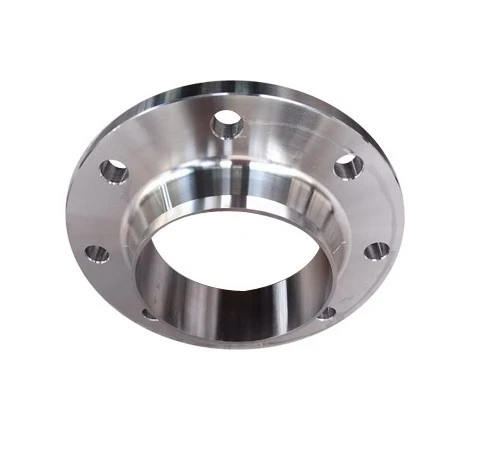
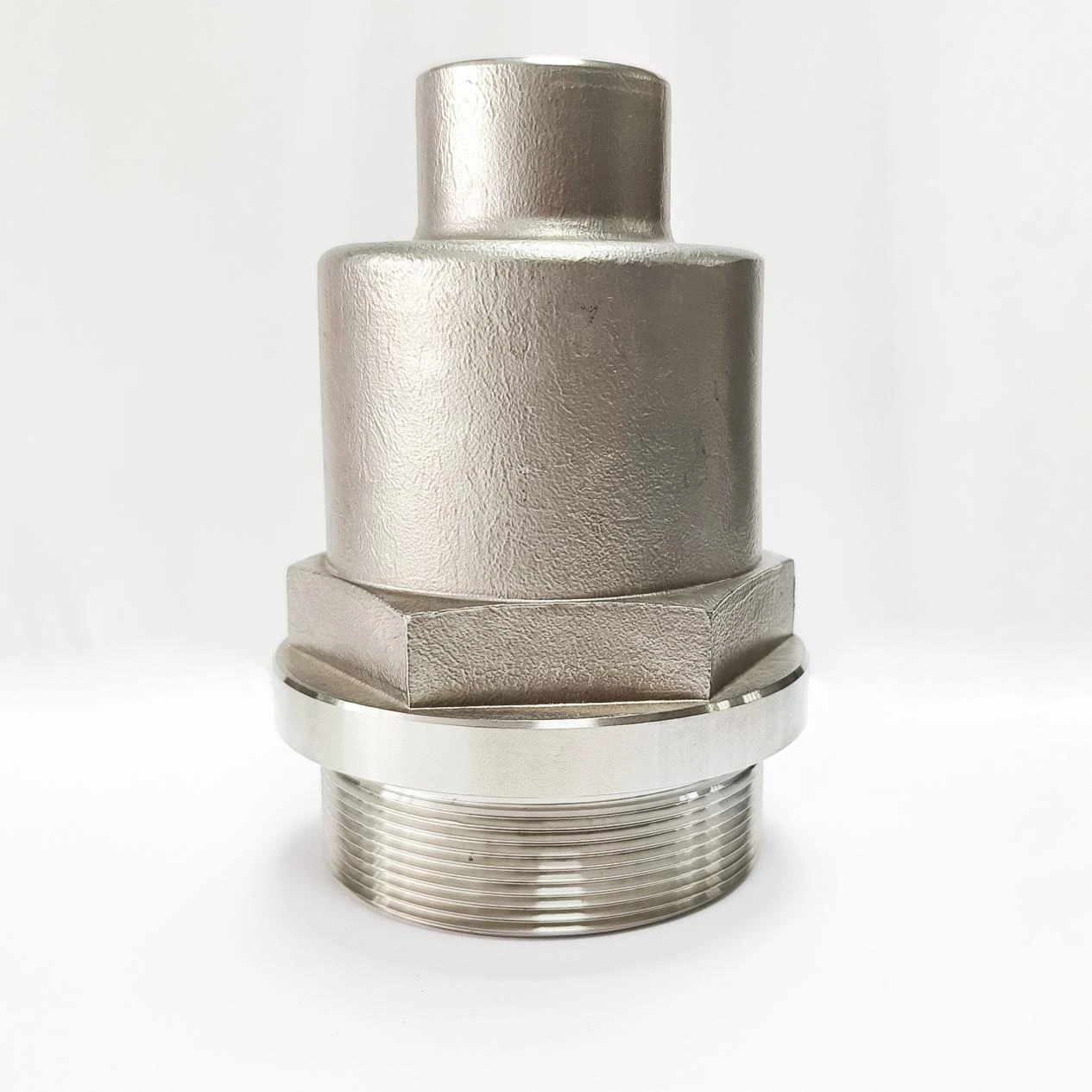
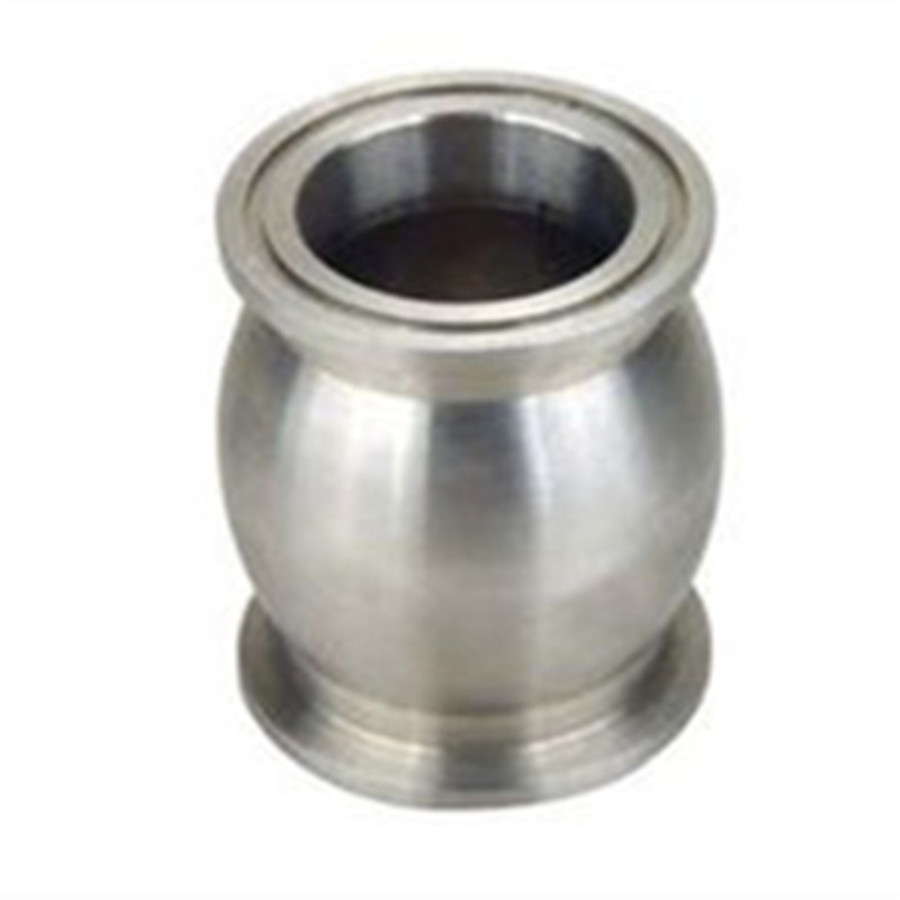
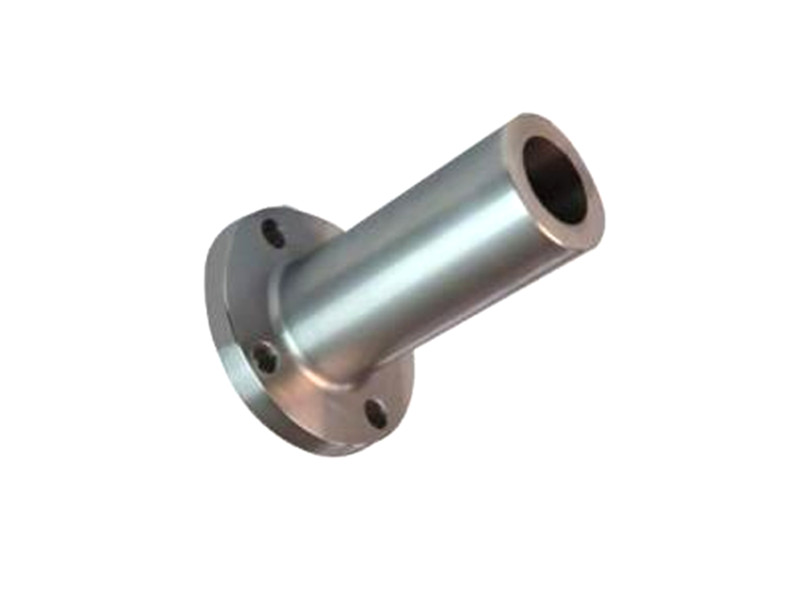
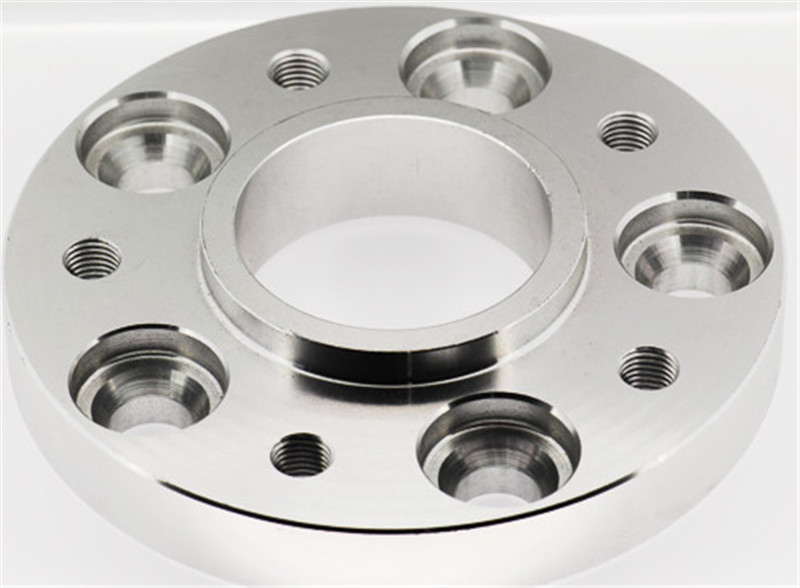
Simply put, pipe fittings stainless steel pipe fittings are the connectors — elbows, tees, reducers, flanges, and couplings — made from stainless steel that join sections of pipe to direct flow, change diameter, or seal off pipes. The “stainless steel” part means they're crafted largely from iron alloys containing at least 10.5% chromium, giving them that unmistakable corrosion resistance.
These fittings are the unsung heroes of modern plumbing, oil & gas, food processing, pharmaceuticals, and even humanitarian aid distribution systems. Their ability to resist harsh chemicals and temperature extremes makes them vital wherever durability and hygiene matter.
Perhaps the defining benefit is their excellent resistance to rust, corrosion, and chemical attack. This advantage is critical in industries from maritime to chemical manufacturing where pipe fittings endure aggressive environments for years.
From ultra-pure water lines in pharmaceuticals to high-pressure oil pipelines, these fittings adapt to many pressure classes and pipe sizes, making them a universal choice.
Although stainless steel fittings often have a higher upfront cost than carbon steel or plastic, their extended service life and reduced need for maintenance typically save money in the long run. Many engineers say it's the “pay now, save later” model.
Today’s fittings come with engineered designs that reduce installation time and complexity. This means less downtime and fewer chances of error.
Industries from all corners of the world rely on these fittings:
Oddly enough, even the smallest slip-up in fitting quality can lead to massive disruptions—think of plant shutdowns or contamination scandals that make headline news. The stakes are simply too high to cut corners.
The benefits extend beyond durability and cost. Socially, using the right stainless fittings can mean safer drinking water, less environmental contamination, and greater community trust. For businesses, it means brand reputation, lower liability, and continuous innovation.
It’s also worth noting the environmental angle—stainless steel is highly recyclable, and long-lasting fittings decrease waste and resource consumption.
Looking ahead, manufacturers are integrating smart technologies such as IoT sensors within fittings to monitor pressure and detect leaks before they become catastrophes. Additionally, newer alloys and surface treatments improve strength and corrosion resistance even further.
There’s a growing push for green certifications and using fittings compliant with environmental regulations embedded in new global policies–a reflection of the broader sustainability wave sweeping industry.
Like any technical product, challenges remain. Sometimes supply chain disruptions delay getting the right fittings on site, or specialty fittings cost more than project budgets assume. Engineers also face compatibility hurdles with older infrastructure.
Innovative solutions include modular systems, pre-fabricated fittings kits, and vendor collaborations to tailor solutions exactly to client needs—reducing waste and improving delivery times.
| Specification | Typical Range | Notes |
|---|---|---|
| Material Grades | 304, 316, 316L | 316/316L preferred for corrosive environments |
| Pressure Rating | Class 150 to Class 3000 | Depends on fitting design and size |
| Temperature Range | -196°C to +870°C | Suits cryogenic to high-temp processes |
| Surface Finish | 2B, Mill, Polished | Affects corrosion resistance and hygiene |
| Connection Type | Butt weld, Threaded, Socket weld | Depends on pipeline design and standards |
| Vendor | Product Range | Certifications | Lead Time | Pricing Level |
|---|---|---|---|---|
| Vendor A | Standard & Custom fittings | ISO 9001, ASME B16 | 4-6 weeks | Mid-range |
| Vendor B | Specialty alloy fittings | ISO 14001, PED | 6-8 weeks | Premium |
| Vendor C | Basic fittings, quick ship | API Q1 Certified | 2-4 weeks | Budget-friendly |
In real terms, investing in high-quality pipe fittings stainless steel pipe fittings means investing in the safety, efficiency, and sustainability of your infrastructure projects. These little components may not get front-page headlines, but they are quietly making the world cleaner, safer, and more connected every day.
Whether you’re an engineer, developer, or procurement officer, do yourself a favor and explore high-grade stainless fittings that fit your needs. The long-term payoff is unmistakable.
Ready to learn more or source premium stainless steel pipe fittings? Visit our website today and discover the range of solutions that can elevate your next project.