Phone:
+86 18631189888

Email:
liyanhui@bestcastings.cn


Brass Tap Fittings Factories is a key solution in the industry, specifically within industrial piping and plumbing sectors. This article explores how https://www.mingdametals.com supports professionals with durable, high-performance products, and explains why this product is an ideal choice for businesses in these sectors.
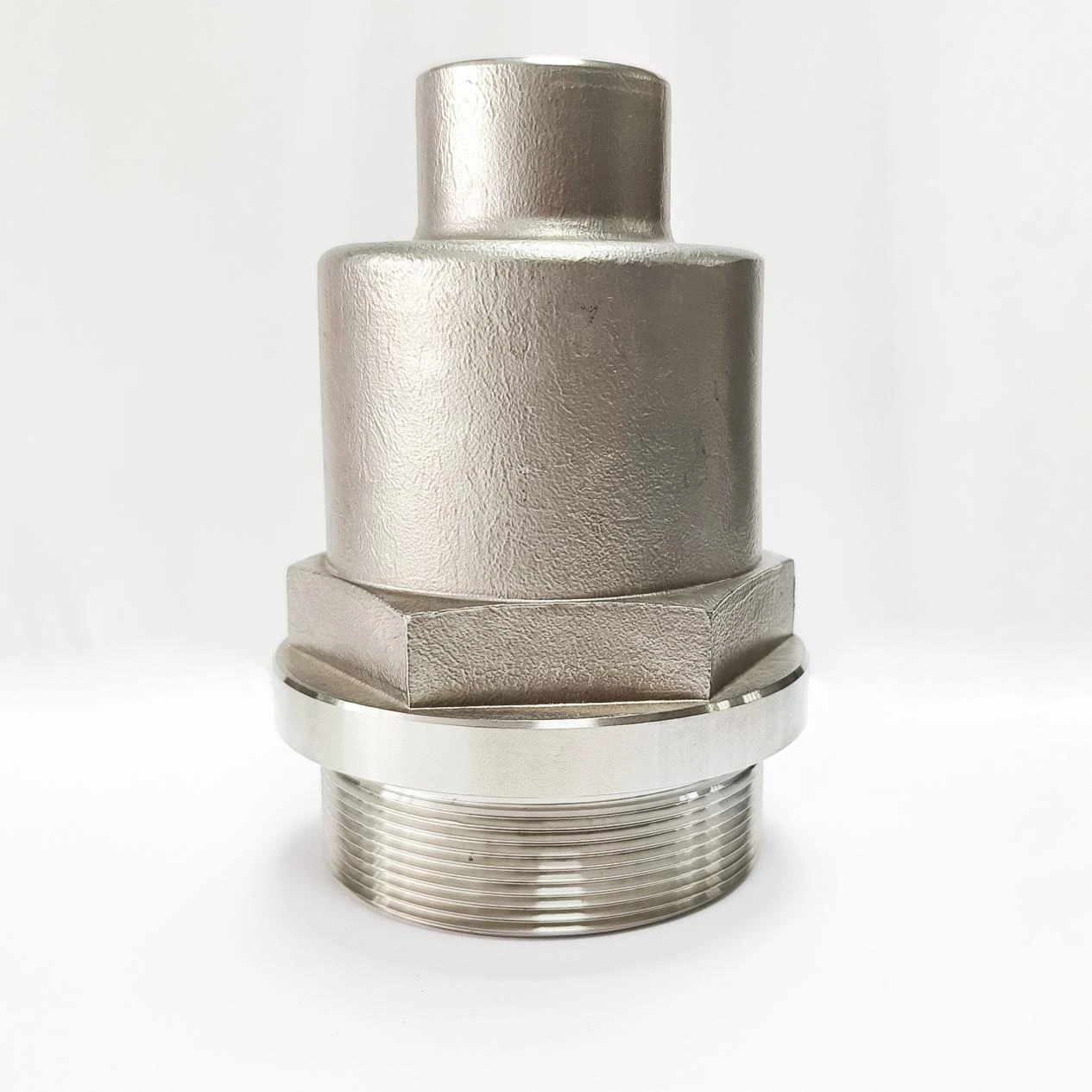
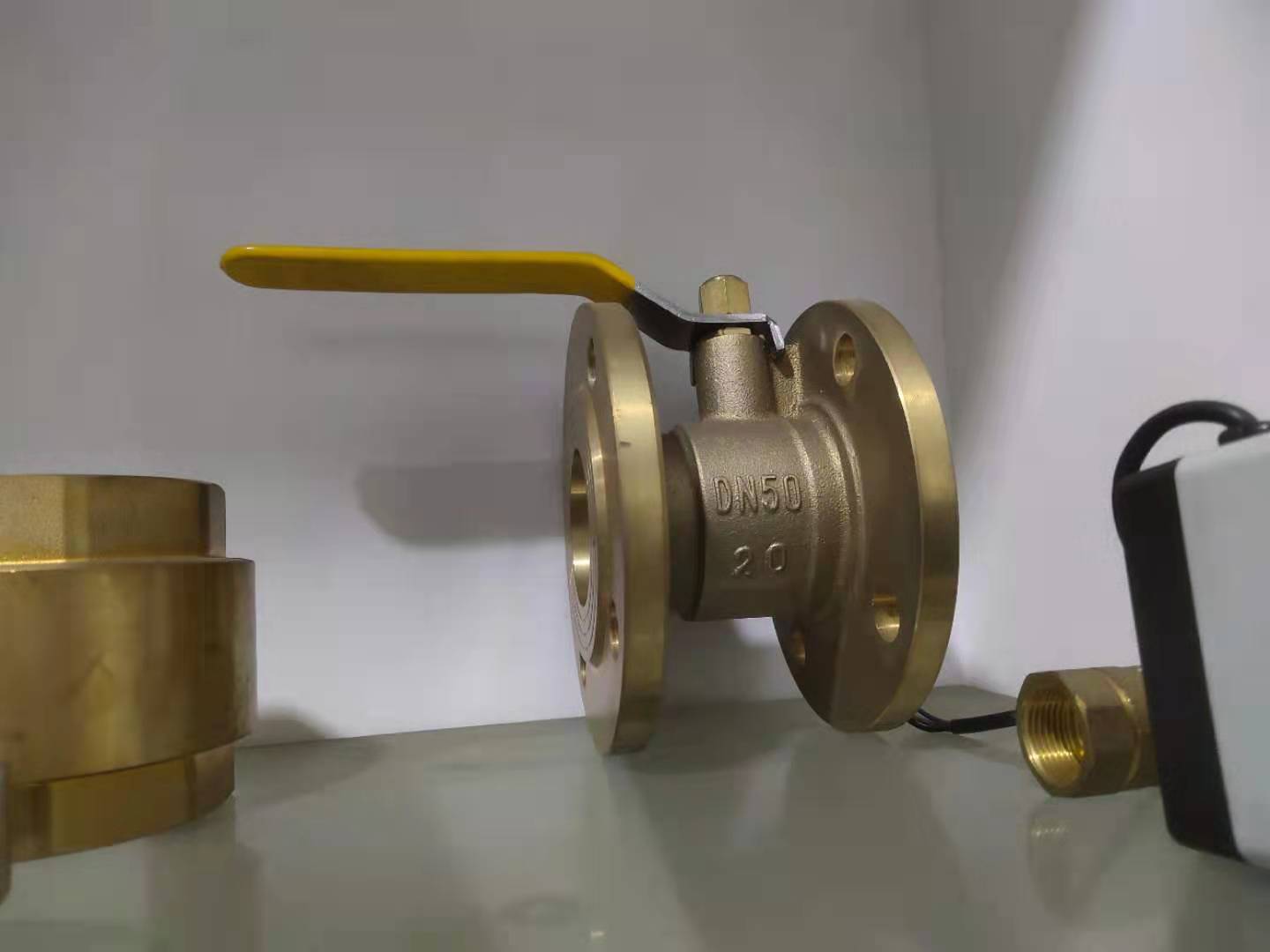
When it comes to plumbing and industrial fluid control, brass tap fittings serve as one of the most trusted components. Essentially, brass tap fittings are connectors and valves made primarily from brass alloys, designed to reliably manage the flow of water, gas, or other fluids within a piping system. The durability of brass combined with precision manufacturing makes these fittings a staple across many industries.
Technically, these fittings incorporate corrosion-resistant brass alloys — often with copper, zinc, and a hint of lead or tin — to ensure strength and longevity. For example, Mingda Metals utilizes advanced casting and machining techniques to achieve strict tolerances, supporting fittings that comply with international standards like ISO and ASTM for pressure and durability. In real terms, this means their products can withstand fluctuating pressures and temperatures in demanding environments without leakage or wear.
| Parameter | Value | Unit |
|---|---|---|
| Material | Brass Alloy C37700 | |
| Operating Pressure | 16 | Bar |
| Operating Temperature | -20 to 120 | °C |
| Thread Standard | ISO 7-1 / BSP | |
| Finish | Polished or Nickel Plated |
The appeal of brass tap fittings isn’t just technical. For many businesses — especially those in commercial plumbing, manufacturing, and infrastructure — the reliability of these fittings can hardly be overstated. They’re widely used in water distribution systems, HVAC setups, and even in oil and gas pipelines.
One competitive edge of brass tap fittings from established factories like Mingda Metals is their precision manufacturing process. This results in reliable threads, tight seals, and fittings that can last years without frequent replacement. Oddly enough, while plastic alternatives might look tempting on price, brass’s long-term resilience in tough environments often means fewer headaches and less downtime.
Moreover, these fittings lend themselves well to customization. In my conversations with industry engineers, many highlight how critical it is to have manufacturers ready to meet bespoke size or pressure demands. Mingda Metals, for instance, offers various finishes and material blends, which make their fittings versatile across applications.
| Feature | Mingda Metals | Competitor A | Competitor B |
|---|---|---|---|
| Material Quality | High-grade Brass Alloys | Standard Brass | Mixed Supply |
| Customization Options | Extensive | Limited | Moderate |
| Certifications | ISO, ASTM | ISO only | None |
| Price Range | Mid - Competitive | Lower | Higher |
| Lead Time | 2-4 weeks | 3-5 weeks | 4-6 weeks |
Talking about cost, it’s tempting to focus on purchase price alone. But frankly, any B2B decision maker will tell you that total cost of ownership (TCO) matters most. Brass tap fittings hold their value because they resist corrosion and mechanical wear, requiring fewer replacements and repairs over time. So, even if initially pricier than some plastic or cast-iron options, their ROI often proves superior.
Maintenance-wise, these fittings need minimal attention if installed correctly — usually just routine checks for leaks. Some companies I worked with reported a 30% reduction in downtime related to pipe fittings after switching to brass because issues like thread stripping or cracking became rare.
User feedback emphasizes the solid feel of these fittings, their reliability under pressure, and — not incidentally — the neat polished finish that helps maintain cleaner installations. It’s one of those details that, oddly enough, engineers seem to appreciate more as time goes on.
Sustainability — it’s no longer just a buzzword but a business imperative, especially in industrial manufacturing. Brass, being a recyclable metal, offers a distinct environmental advantage. At the end of their long life cycle, brass fittings can be melted down and reused almost infinitely without losing integrity. This circularity is a cornerstone of greening supply chains.
Regulations in many markets increasingly set benchmarks for durability and safety, so investing in high-quality brass fittings aligns well with compliance. Moreover, Mingda Metals and peers constantly innovate, exploring lead-free or low-lead alloys to meet stricter environmental rules without sacrificing performance.
Market growth for brass tap fittings looks steady, with rising global infrastructure projects and industrial modernization driving demand. I suppose businesses looking to future-proof their sourcing should consider factories with a solid track record, certifications, and commitment to sustainability — like Mingda Metals.
To sum it up, the value that Brass Tap Fittings Factories bring lies in their robust product quality, consistent manufacturing processes, and adaptability to industry needs. Businesses willing to invest in high-performance components for their piping systems will find that engaging with reputable brass fittings factories like Mingda Metals aligns well with both immediate and long-term goals.
Oddly enough, investing a little more up front often saves you lots of headaches down the line. That’s just how brass tap fittings from a skilled factory feel to me — solid, dependable, and quietly valuable.