Phone:
+86 18631189888

Email:
liyanhui@bestcastings.cn

At first glance, a die cast aluminum radiator might just sound like another technical component. But dig a little deeper and you realize it's pivotal in modern automotive, aerospace, and energy-efficient systems worldwide. Globally, as industries push harder for lightweight, durable, and sustainable materials, the die cast aluminum radiator stands out for its exceptional heat dissipation and corrosion resistance. Understanding its nuances isn’t just for engineers—importers, manufacturers, and environmental planners all have a stake here.
To put it bluntly, overheating engines or inefficient cooling systems have caused countless costly failures in everything from delivery trucks running the world’s supply chains to power stations keeping the lights on. Aluminum, thanks to die casting, offers a sleek, efficient solution that helps tackle this persistent challenge.
Globally, energy consumption and emission regulations are tightening, and manufacturers are racing to reduce weight and improve efficiency. According to the International Energy Agency (IEA), the transport sector alone accounts for almost 24% of global CO2 emissions. Lightweight components like die cast aluminum radiators help slash vehicle weight, improving fuel economy dramatically.
Moreover, with rapid urbanization and increased mechanization in Asia, Africa, and Latin America, there's an escalating demand for robust, long-lasting cooling solutions, even in tough climatic conditions. Think of a commercial truck in sub-Saharan Africa or generators in monsoon-hit South Asia—the die cast aluminum radiator often keeps these machines cool and operational, avoiding expensive downtime.
Yet, challenges persist—such as adapting these radiators for extreme environments or balancing cost against performance in emerging markets.
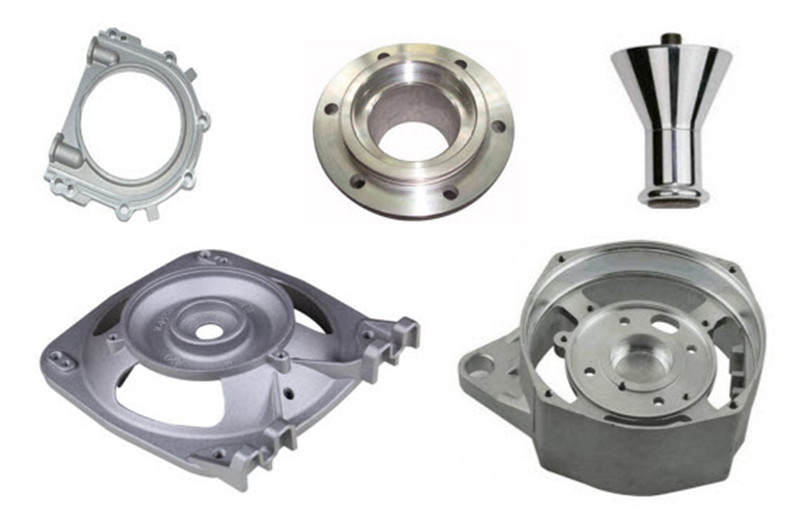
In simple terms, a die cast aluminum radiator is a cooling component formed by injecting molten aluminum into precision steel molds (“dies”), creating complex, thin-walled structures that efficiently disperse heat. The die casting process marks a shift from traditional sand casting or fabricated steel radiators, yielding lighter, stronger parts with smoother finishes.
In modern industry, these radiators not only cool internal combustion engines but also cool electronic systems, renewable energy setups (like solar inverters), and heavy machinery. They’re a quietly crucial piece bridging high performance with sustainability needs.
Die cast aluminum radiators are precision-engineered, lightweight thermal management heroes pivotal to cooling a range of machinery efficiently and sustainably.
Aluminum naturally forms an oxide layer that prevents rust, extending radiator lifespan significantly compared to traditional steel. Many engineers say this corrosion resistance is a game changer, especially where coolant fluids might be harsh or exposed to the elements.
Aluminum’s thermal conductivity of around 237 W/mK means heat transfer is swift, allowing engine temperatures to be maintained in an optimal range more effectively. Die casting also allows for intricate fin structures that magnify surface area, boosting the cooling effect.
A vehicle’s curb weight matters profoundly for emissions and fuel use. Die cast aluminum radiators can reduce radiator weight by over 50% compared to steel alternatives. Lighter vehicles mean greater fuel efficiency, with some reports noting up to a 6% increase in miles per gallon.
The die casting process supports mass production with consistent quality, essential for automotive OEMs pumping out thousands of units. Plus, tooling precision means fewer post-production adjustments — saving money and time.
While initial tooling and setup are costlier, the longevity, lighter weight, and reduced maintenance costs often offset expenses over a radiator's multi-year life cycle.
Almost all aluminum used in die casting is recyclable, and production wastes can be minimized with modern closed-loop systems, making these radiators friendly to sustainability goals.
Where do die cast aluminum radiators really shine? Almost everywhere heat management is mission-critical:
For example, a logistics company in India reported a 20% drop in cooling system failures after switching to die cast aluminum radiators for their fleet, saving tens of thousands annually in repairs.
| Specification | Typical Range/Value |
|---|---|
| Material | A380 or A356 Aluminum Alloy |
| Thermal Conductivity | 230–240 W/m·K |
| Operating Temperature | -40 °C to 150 °C (continuous) |
| Weight | 1.5–3.5 kg (varies by model) |
| Corrosion Resistance | High (Anodized or Painted Variants Available) |
| Production Speed | Up to 90 seconds per piece (batch mode) |
| Vendor | Material Quality | Customization Options | Production Capacity | Warranty & Support |
|---|---|---|---|---|
| Mingda Metals | A380 Alloy with Rigorous QC | Full Design & Tooling Services | High (100k+ units/month) | 5-year product warranty + 24/7 support |
| AluCool Inc. | A356 Alloy, Average QC | Limited Custom Options | Medium (50k units/month) | Standard warranty, business hours only |
| Global Radiators Ltd. | Premium Aluminum Blends | Custom tooling; Pricey | Low (20k units/month) | Extended warranties; good technical support |
It's not just about specs and production. There’s a real emotional and strategic value in picking die cast aluminum radiators:
This sets the stage for innovations in smarter, adaptive cooling technologies that will become mainstream soon.
Industry insiders hint at some exciting directions:
Despite the many upsides, there are a few snags:
Experts suggest modular designs to aid repair, alongside pooled investment in tooling and pushing for local supply chains as ways forward. Innovation will keep chipping away at these issues.
In real terms, adopting die cast aluminum radiator technology is a solid step toward lighter, stronger, and more efficient cooling systems that suit both today's demands and tomorrow’s innovations. Whether you manage fleets, design machinery, or coordinate supply chains, these radiators offer a compelling mix of performance, durability, and sustainability.
So, if you're thinking about upgrading or sourcing quality radiators, it’s worth exploring what leading manufacturers like Mingda Metals offer. With evolving tech on the horizon, it’s a fascinating space to watch—and get involved with.
Visit our website: https://www.mingdametals.com, and discover how you can upgrade your cooling solutions while staying ahead of the curve.