Phone:
+86 18631189888

Email:
liyanhui@bestcastings.cn

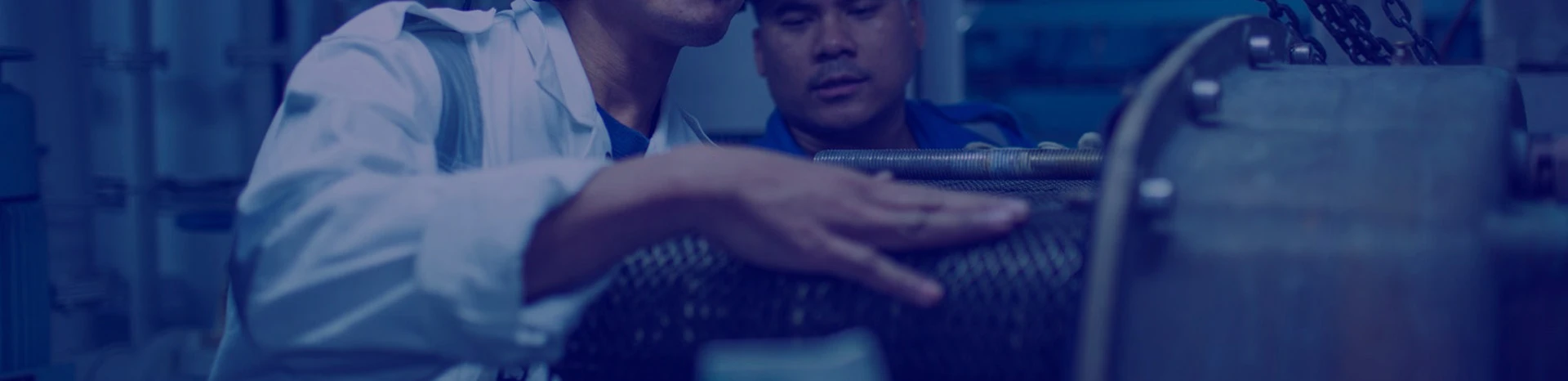
Forged Parts Pricelist is a key solution in the industry, specifically within heavy machinery, automotive, and aerospace manufacturing sectors. This article explores how Mingda Metals supports professionals with durable, high-performance products, and explains why this product is an ideal choice for businesses in these demanding industries.
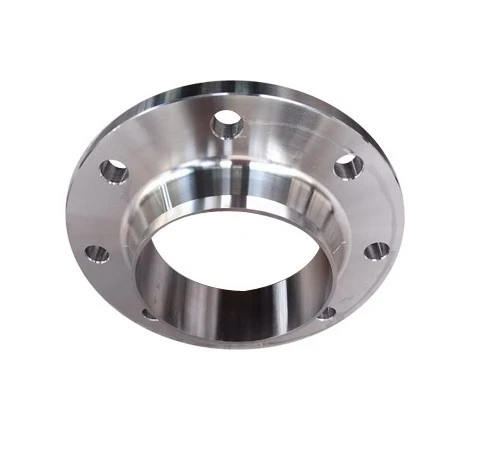
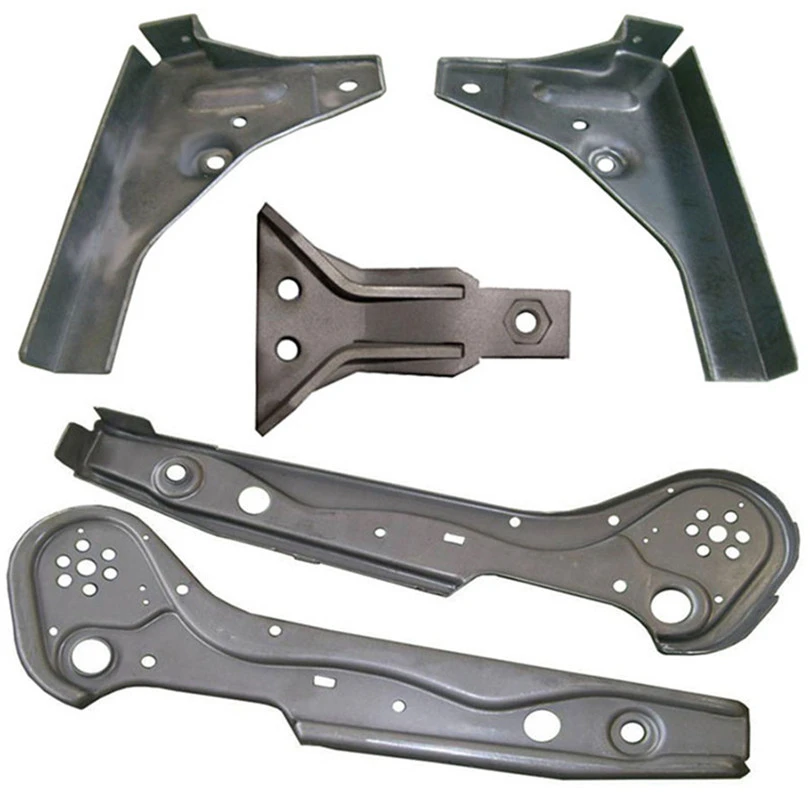
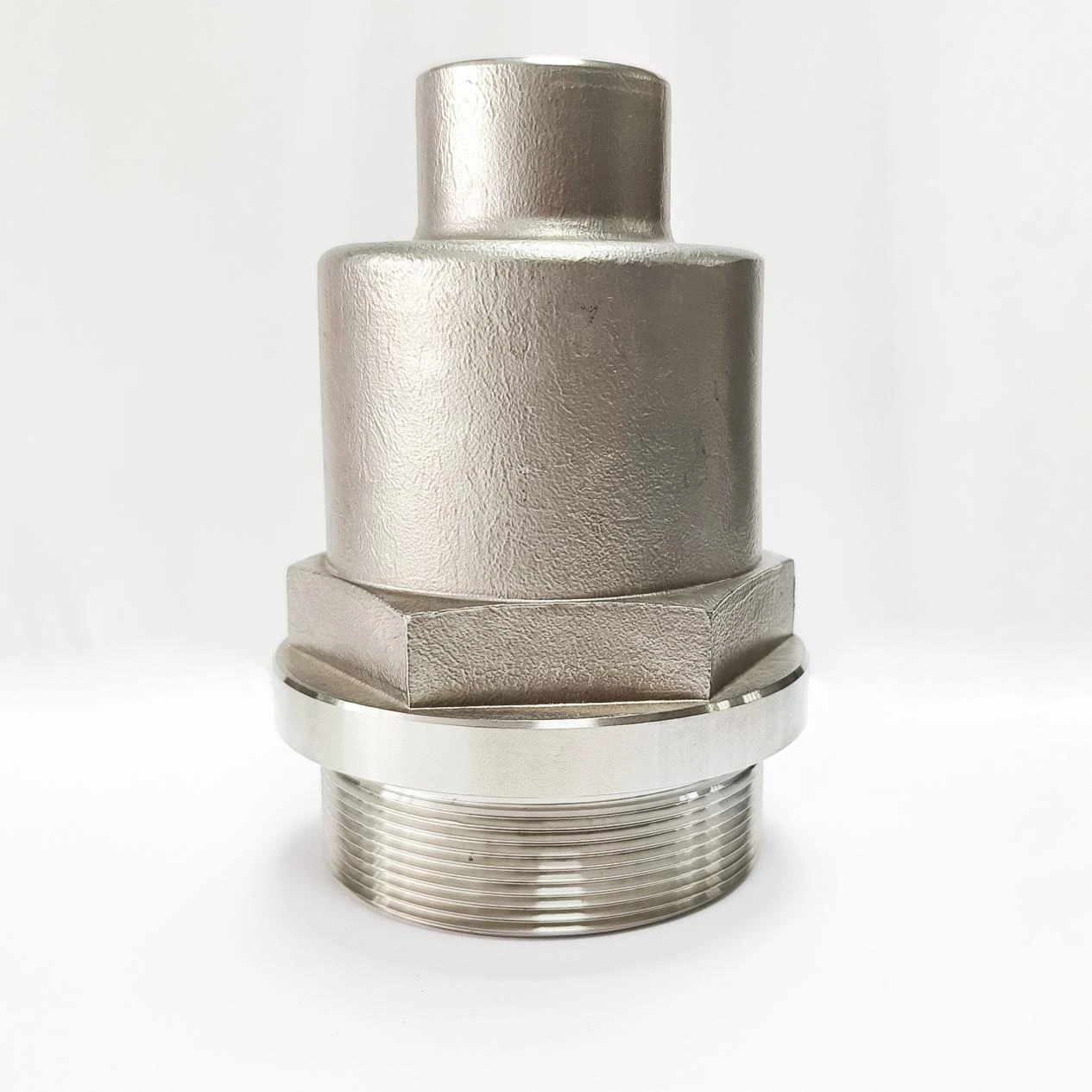
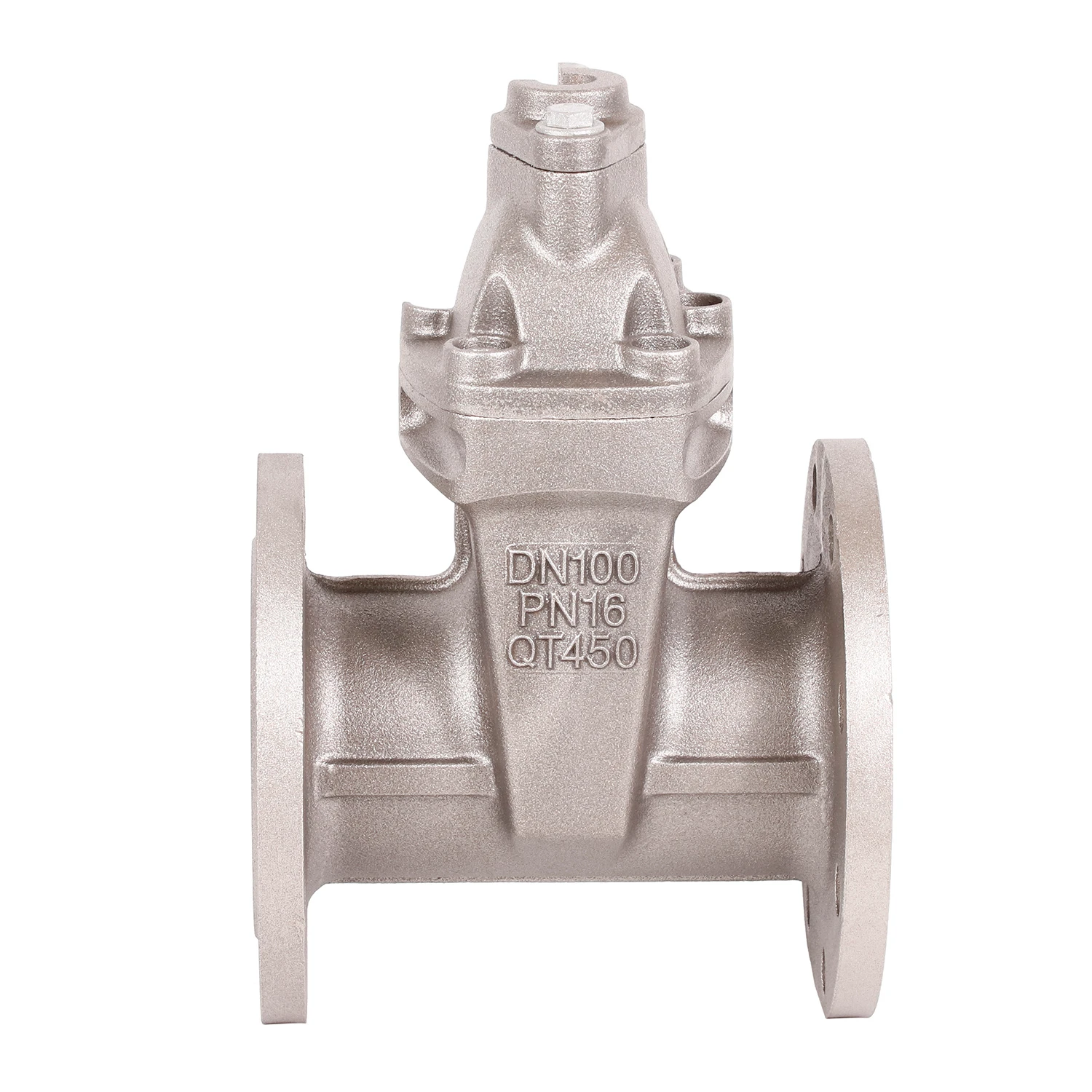
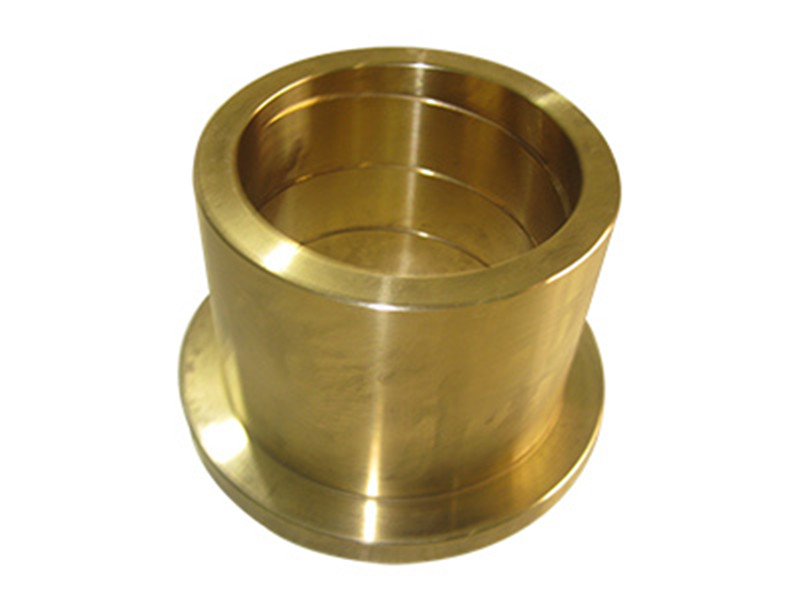
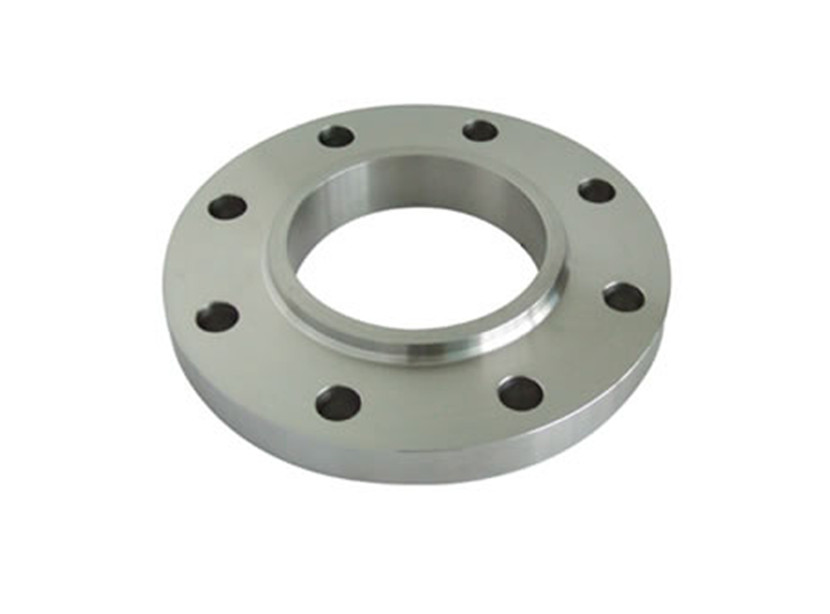
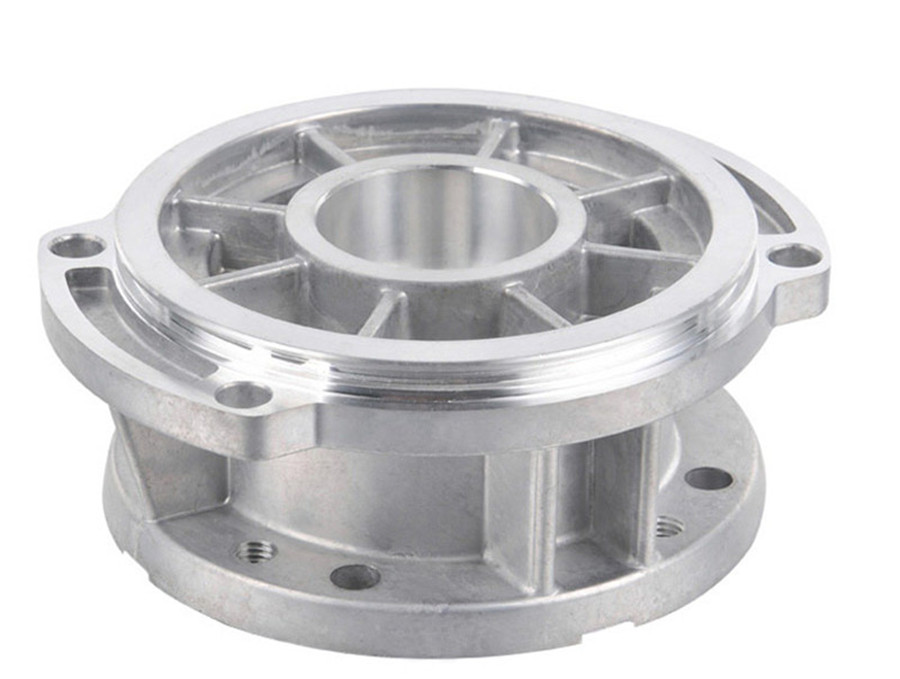
So, what exactly is a Forged Parts Pricelist? Simply put, it’s a detailed pricing guide for a range of forged metal components that are staple essentials across diverse industries. Forging, as a manufacturing process, involves shaping metal under high pressure to boost its strength and fatigue resistance. This pricelist provides transparency and clarity for B2B decision makers who want to accurately budget and plan for durable parts like crankshafts, connecting rods, and gear blanks.
Mingda Metals, a leading manufacturer, supplies forged parts with specifications usually ranging from high tensile steel grades such as 42CrMo and SCM440 to aluminum alloys for lightweight applications. One example I noticed was their case study involving automotive crankshafts—the forged parts demonstrated a 30% improvement in tensile strength compared to cast alternatives, which frankly, is significant for reliability. Specs you’ll often see include size ranges from 50mm to 500mm in diameter and various custom heat treatments to optimize toughness.
| Specification | Details |
|---|---|
| Material Grades | 42CrMo, SCM440, Aluminum Alloys |
| Size Range | 50mm to 500mm diameter |
| Heat Treatment | Quenching, Tempering, Aging |
| Delivery Time | 4-6 weeks (typical) |
Why do industry veterans swear by forged parts? Well, they’re tough, consistent, and crafted to withstand intense mechanical stress. In sectors such as construction equipment manufacturing or the aerospace market, the strength-to-weight ratio and fatigue resistance are crucial. Businesses often refer to the Forged Parts Pricelist when sourcing these components because it helps identify options that balance performance and cost effectively.
I’d say one of the biggest perks with Mingda Metals’ offerings is their expansive catalog, which covers standard parts right through to highly customized solutions—think unconventional gear blanks or specialized hydraulic components. Their competitive advantage lies in the advanced hot forging techniques that enhance metal grain structure, delivering parts that simply won’t crack or deform under pressure. The pricelist also reflects that quality-driven approach, showing transparent price brackets for different quantities and customization levels, making budgeting straightforward.
Let’s talk money – because at the end of the day, ROI is what really matters for most B2B professionals. Forged parts might initially appear pricier compared to cast or machined alternatives, but the total cost of ownership tends to tell a different story. Their durability drastically reduces the frequency of replacements and unscheduled downtimes. Many customers from the heavy equipment sector report savings upwards of 15% annually just from improved maintenance schedules and less frequent part failures.
Customer feedback often highlights the reliability factor. For example, a machine shop I visited noted that switching to Mingda Metals forged components cut their warranty claim rates in half, simply because these parts hold up better under high loads and corrosive environments. Maintenance is straightforward too – the materials and heat treatments used help resist common wear mechanisms like fatigue cracking and deformation, so users find that ongoing upkeep is less intensive.
Oddly enough, sustainability is becoming a bigger topic than you might expect in forged parts manufacturing. There’s a genuine push towards greener production methods, like reducing energy consumption in forging presses and using recycled metal inputs. Also, meeting stricter environmental regulations worldwide means vendors like Mingda Metals have ramped up their quality control and traceability— customers appreciate knowing exactly where their metals come from and how responsibly they were made.
Market-wise, there’s growing demand in renewable energy and electric vehicle sectors, which means forged lightweight aluminum parts from this pricelist are gaining traction. Industry forecasts suggest a steady growth trajectory fueled by these new applications, alongside traditional markets. So, keeping an eye on the Forged Parts Pricelist is sort of like having a pulse on both current needs and future innovations.
| Vendor | Product Range | Lead Time | Sustainability Highlights |
|---|---|---|---|
| Mingda Metals | Wide, customized options | 4-6 weeks | Energy-saving forging; recycled materials |
| Competitor A | Standard parts only | 6-8 weeks | Limited transparency |
| Competitor B | Some custom parts | 5-7 weeks | Uses virgin metals only |
Recapping, the Forged Parts Pricelist represents not just a list of costs, but a gateway to enhanced product reliability, cost efficiency, and sustainable sourcing. For B2B decision makers who want a solid, transparent pricing guide backed by quality manufacturing, Mingda Metals truly stands out as a partner. Their comprehensive catalog perfectly suits businesses aiming for durability without surprises on price.
In the end, staying ahead with forged parts pricing is less about chasing the cheapest price and more about securing long-term value and quality—something Mingda Metals certainly knows well.