Phone:
+86 18631189888

Email:
liyanhui@bestcastings.cn


When it comes to welding, selecting the right welding rod is crucial for achieving strong, durable, and reliable joints. China cast welding rods have gained significant popularity worldwide due to their consistent quality, versatility, and competitive pricing. This article provides a comprehensive overview of these rods, covering their types, applications, advantages, and how to choose the best option for your welding needs. We'll explore why Mingda Metals is a trusted supplier of high-quality welding rods.
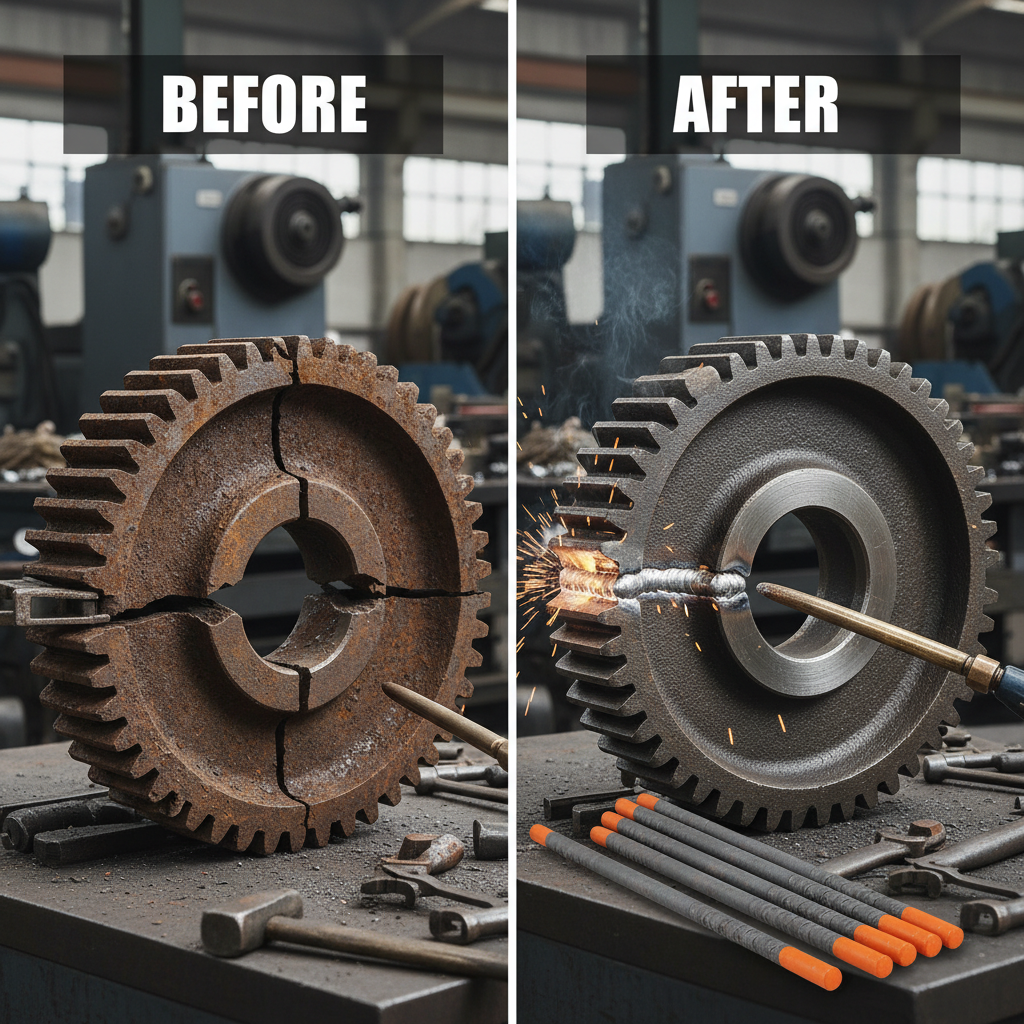
China cast welding rods are available in a wide variety of types, each suited for specific applications and materials. Common types include:
Choosing the right type of rod depends on the base metal, the welding position, and the desired weld characteristics.
These rods are incredibly versatile and find applications in numerous industries:
The consistent quality of Mingda Metals’ welding rods ensures reliable performance in these demanding applications.
Key Benefit: China cast welding rods offer a balance of quality, performance, and cost-effectiveness, making them an ideal choice for a wide range of welding projects.
Selecting the optimal welding rod requires careful consideration of several factors. Here's a comparison of some common types to guide your decision:
Choosing Mingda Metals for your China cast welding rod needs offers several advantages:
We are dedicated to providing our customers with the best possible welding solutions.
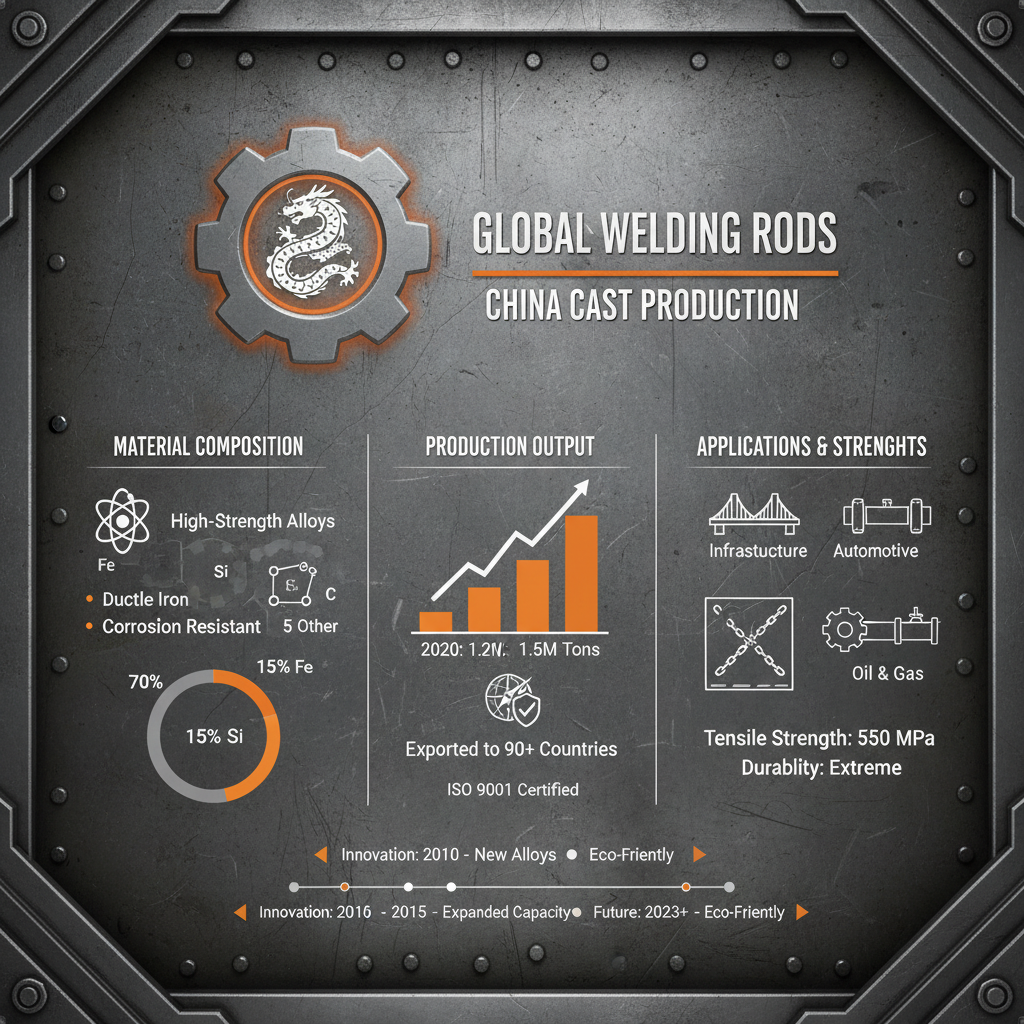
Here’s an example of specifications for a common E7018 welding rod available from Mingda Metals:
Investing in high-quality China cast welding rods from a trusted supplier like Mingda Metals is crucial for ensuring strong, reliable, and long-lasting welds. By understanding the different types of rods and their applications, you can select the optimal solution for your specific welding needs. Contact us today to learn more about our products and services!
Generally, welding rods have a long shelf life if stored properly. However, it’s best to use them within two years of purchase. Exposure to moisture can compromise the flux coating, affecting weld quality. Store rods in a dry, sealed container. If the flux coating is damaged or shows signs of moisture absorption, it's best to discard the rods. Mingda Metals provides packaging designed to minimize moisture absorption and ensure product integrity.
E7018 rods are typically used with DC (Direct Current) welding, specifically DCEN (Direct Current Electrode Negative). They can also be used with AC (Alternating Current) with a high-frequency starting unit. They are suitable for all welding positions, making them highly versatile. Proper technique, including maintaining a consistent arc length and travel speed, is essential for achieving optimal weld quality. Contact our experts for advice on welding techniques.
The correct rod diameter depends on the thickness of the base metal and the desired weld bead profile. Generally, thicker materials require larger diameter rods for faster deposition rates and deeper penetration. For thinner materials, smaller diameter rods are preferred for better control and less heat input. A common guideline is to use a rod diameter approximately equal to one-third of the base metal thickness. Mingda Metals provides guidance on rod selection based on your specific application.