Phone:
+86 18631189888

Email:
liyanhui@bestcastings.cn


If you've ever peeked behind the scenes of large infrastructure projects, you might have noticed something that looks like a circular metal plate bolted onto pipes without a hole in the middle. That's a blind flange — specifically, today, we're digging into the china rf blind flange. Why? Because these unassuming components play a surprisingly big role in the safety, efficiency, and maintainability of piping systems worldwide. Whether in oil refineries, water treatment plants, or power stations, understanding them matters globally.
Globally, the industrial piping market is growing at a steady clip—in fact, the International Energy Agency notes expanding energy needs and aging infrastructure are driving replacement and growth in piping components across Asia, particularly China. This makes the quality and reliability of flanges, like the RF (raised face) blind flange, crucial in meeting both safety regulations and operational uptime. So yeah, getting to know china rf blind flange isn’t just an engineering curiosity; it’s part of ensuring that infrastructure doesn’t unexpectedly fail.
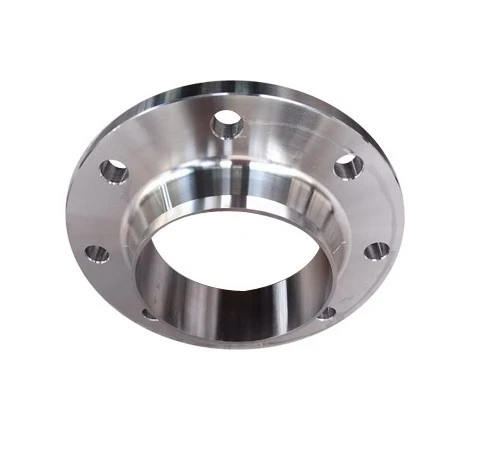
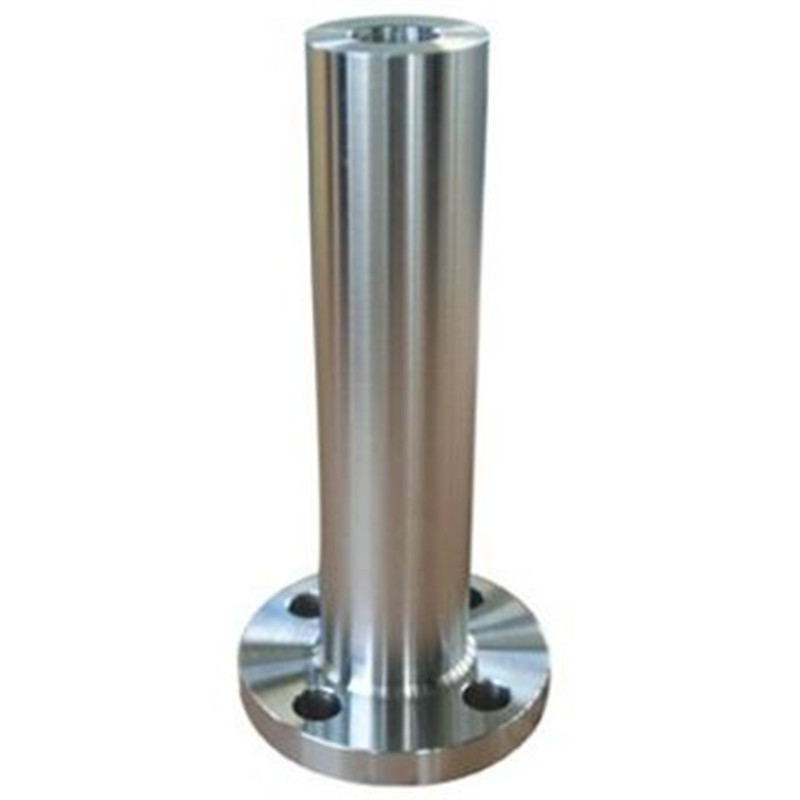
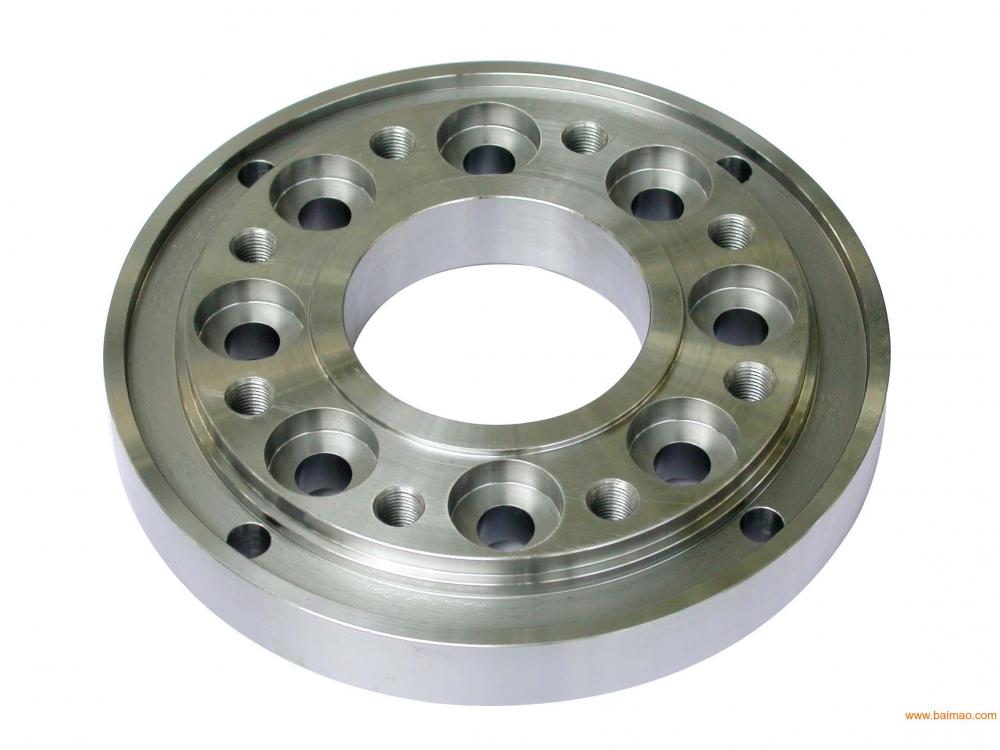
Simply put, a blind flange is a solid plate used to close the end of a pipe, valve, or pressure vessel opening. The "RF" stands for "raised face," referring to a slightly raised surface around the bolt circle that improves sealing. A china rf blind flange describes flanges manufactured in China, which have grown popular globally due to manufacturing scale and competitive pricing.
In practical terms, blind flanges allow engineers to seal off pipes safely during maintenance or inspection, preventing leaks and protecting workers. They’re vital in systems where access needs to be temporarily or permanently blocked without disrupting pressure integrity. Modern industry standards, like those from ISO and ASME, broadly cover the dimensions and material specs ensuring these components meet safety and performance needs.
China’s manufacturers often use stainless steel grades like SS304 or SS316, known for corrosion resistance and strength. This matters because flanges face harsh environments—chemical exposure, temperature swings, and mechanical stress.
Oddly enough, buying Chinese-made RF blind flanges often offers better pricing than alternatives from Europe or North America without sacrificing much on quality. This balance is why many companies worldwide import these flanges.
RF blind flanges must fit exact piping dimensions—nominal diameter, bolt holes, thickness—to create a proper seal. China’s industrial setups have improved precision manufacturing, closely aligning with global standards.
Large manufacturers in China have the capacity to supply massive orders, helpful in huge projects where thousands of flanges might be required at once.
| Specification | Typical Range | Standard |
|---|---|---|
| Materials | SS304, SS316, Carbon Steel | ASTM A182, A105 |
| Pressure Rating | 150# - 2500# (Class) | ASME B16.5 |
| Sizes | 1/2" to 48" diameter | ISO 7005-1 |
| Face Type | Raised Face (RF) | ASME B16.5 |
Across the globe, components like the china rf blind flange appear in various critical environments:
For example, after natural disasters, rapid repair of pipelines frequently relies on pre-stocked or quickly sourced blind flanges to isolate leaks and ensure safe restoration of service. Having reliable supplier channels, often from China, makes a difference.
| Aspect | China RF Blind Flange | European Suppliers | North American Suppliers |
|---|---|---|---|
| Price | Generally most competitive | Higher, reflecting tighter regulations | Moderate-high |
| Quality Control | Improving, some variance | Strict ISO compliance | Very strict, frequent audits |
| Lead Time | Typically longer shipping times but scalable supply | Shorter, but limited stock | Shorter with domestic availability |
| Customization | Highly flexible for volume orders | High, but expensive | Moderate |
What really stands out with China’s RF blind flanges is the balance between cost-efficiency and reliability. For businesses small and large, this often means enabling projects that otherwise wouldn’t be feasible. The sustainability angle can’t be ignored either, as newer Chinese plants increasingly adopt greener steelmaking practices, which aligns with international environmental goals.
From a safety perspective, a well-made blind flange is like a trustworthy gatekeeper—holding pressure back silently but powerfully. On the social front, reliable infrastructure means fewer leaks and accidents, protecting communities and workers alike.
Not everything’s rosy, of course. Some buyers worry about inconsistent quality or delayed delivery times when dealing with overseas suppliers. But many Chinese manufacturers now offer tighter QC protocols and international certifications to ease those concerns. Partnership with experienced vendors who provide detailed specs and sample testing can also mitigate risks.
In real terms, a china rf blind flange is a linchpin component quietly enabling safe, efficient, and sustainable piping infrastructures worldwide. Whether for sprawling industrial complexes or vital local utilities, these components deliver value that’s hard to overstate.
If you’re looking to explore options or source bulk materials, I highly recommend checking out manufacturers like Mingda Metals who specialize in supplying robust and certified blind flanges.
It feels like mastering the small parts like RF blind flanges often makes the biggest difference in engineering success—and the global supply chain increasingly ties back to China’s growing role in this space.
Quick Takeaway: Trustworthy China RF blind flanges blend affordability, compliance, and scalability—key for tomorrow’s industrial demands and safety assurance.