Phone:
+86 18631189888

Email:
liyanhui@bestcastings.cn


Having spent over a decade working around industrial equipment—mostly metal fabrication and CNC machining—I’ve seen my fair share of component manufacturing setups. But there’s something uniquely interesting about a China brass parts factory. It’s a world where tradition meets cutting-edge tech quite smoothly.
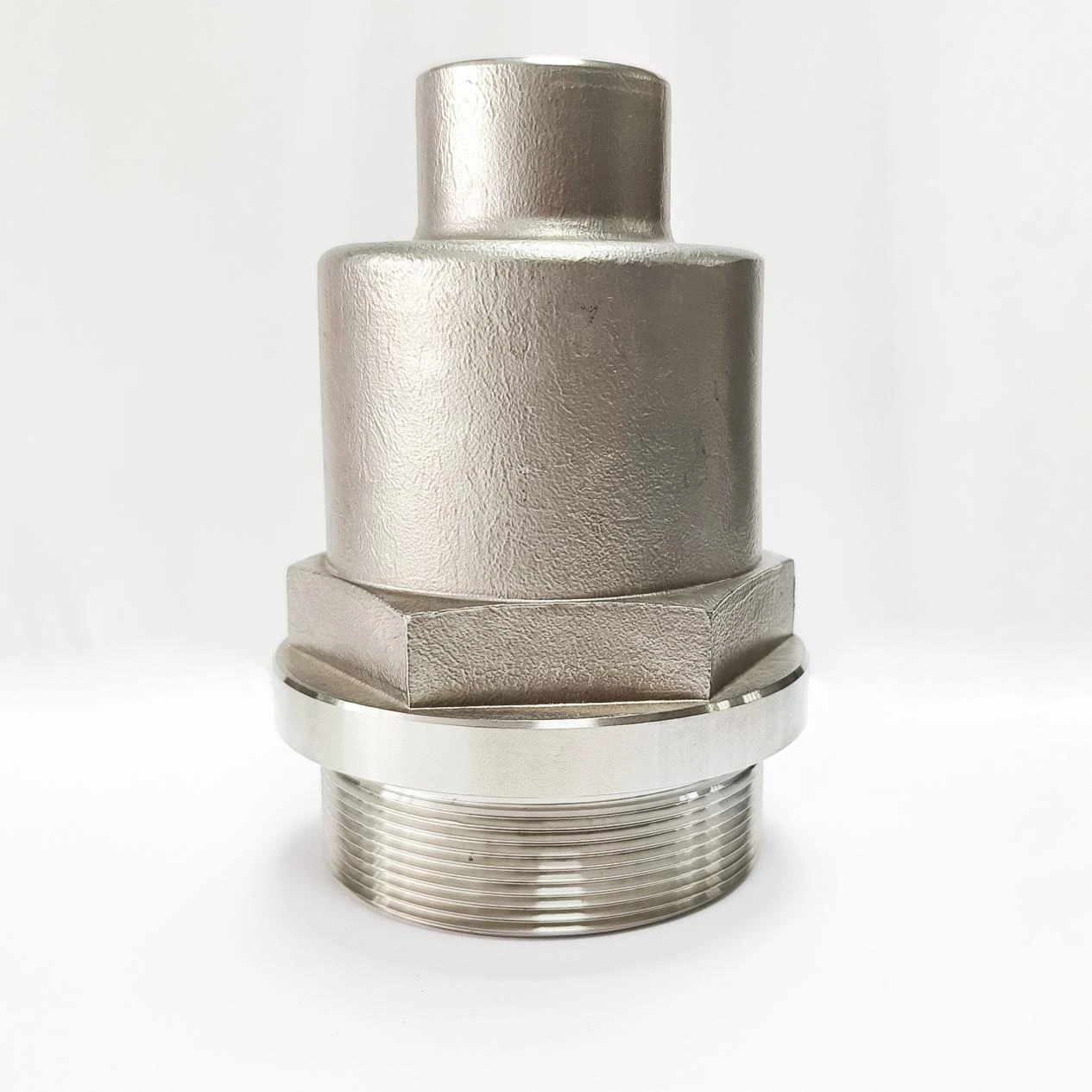
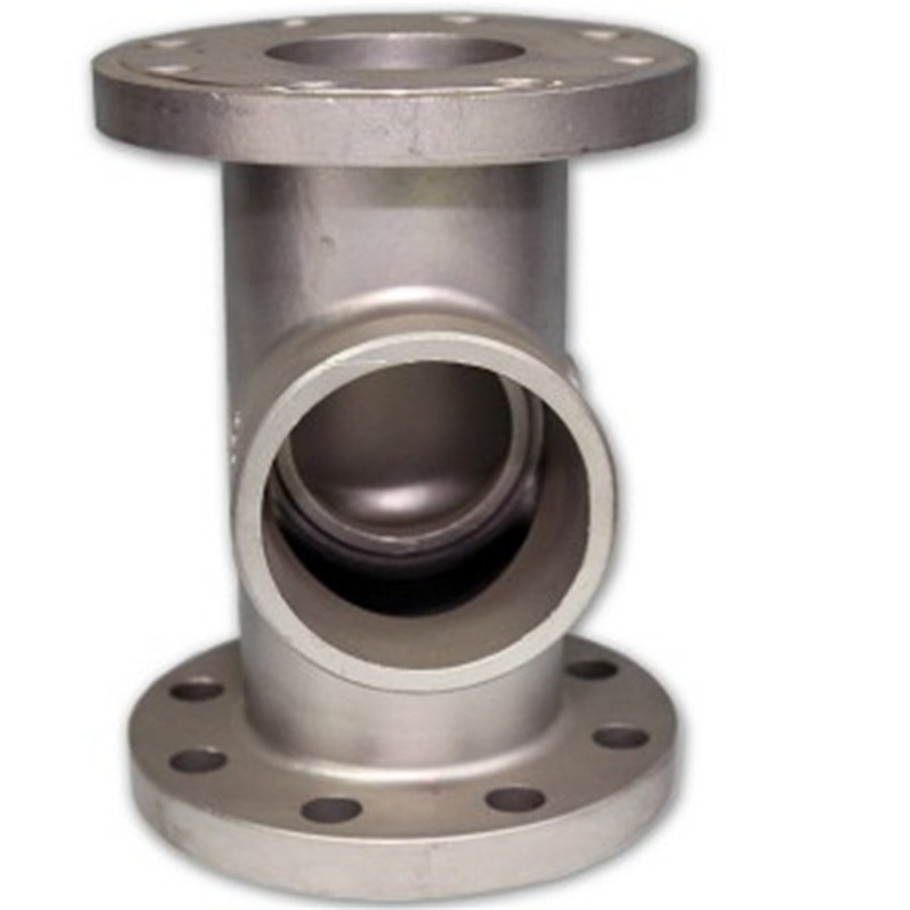
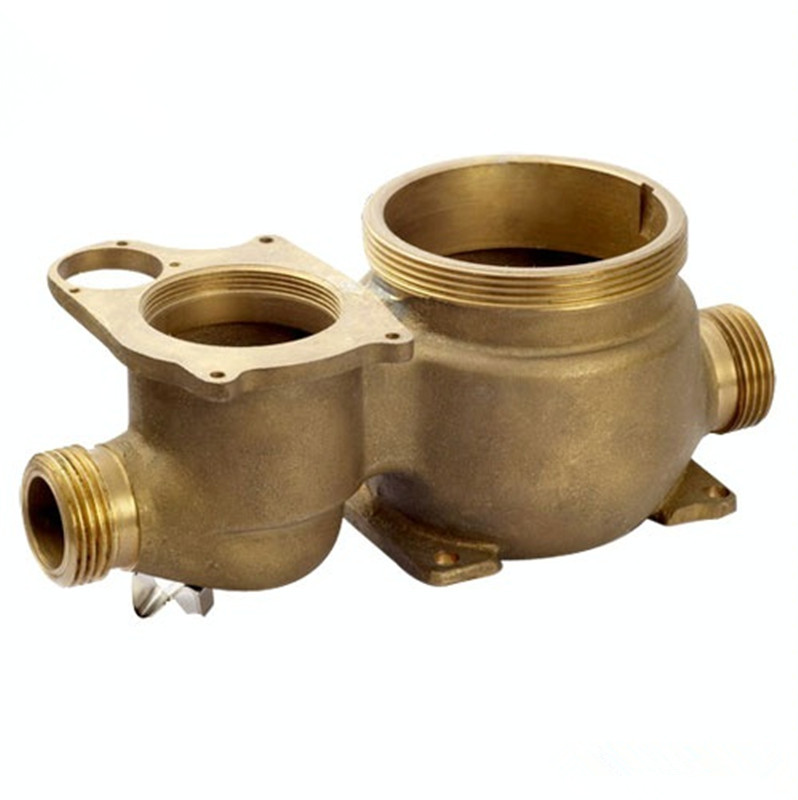
Brass, as you probably know, is an alloy made primarily of copper and zinc. Its combination delivers a cool balance of strength, corrosion resistance, and machinability. This makes it a favorite for valves, fittings, electrical connectors, and decorative hardware. Frankly, I’ve always admired how brass parts handle both functional and aesthetic demands in industrial applications.
When visiting these factories in China, I noticed something about the workflow: decades of experience blend with methodical quality controls. Most places I toured had ISO certification prominently displayed—not just for show, but as a standard they actually adhere to. In real terms, this means robust dimensional checks, surface finish inspections, and sometimes, hardness testing to ensure performance durability.
What strikes me is the customization aspect. Many engineers I’ve worked with swear by Chinese manufacturers’ flexibility. You bring them a drawing, a sketch, or even a rough concept, and they’ll offer suggestions to optimize materials or machining techniques before starting production. They’re used to handling tight tolerances as small as ±0.01 mm, which is kind of amazing considering the volume of parts churned out daily.
| Specification | Detail |
|---|---|
| Material Type | C360 Brass (Free-Cutting) |
| Tolerance | ±0.01 – ±0.05 mm |
| Surface Finish | Ra ≤ 1.6 μm (custom polishing available) |
| Maximum Diameter | Up to 150 mm |
| Testing | Dimensional, Hardness, Visual Inspection |
| Lead Time | Typically 2–4 weeks depending on order size |
Oddly enough, I recall one customer we worked with who needed a batch of custom brass connectors for a sensitive marine instrument. They were worried about corrosion with salty air, so the Chinese factory offered extra steps in surface treatment and packing. I suppose that’s the kind of service nuance that isn’t always advertised upfront but makes a huge difference downstream.
Now, of course, not all brass part factories are created equal. Some excel in price competitiveness but might cut corners on precision or testing. Others go deeper on quality assurance but can’t match that aggressive pricing which often comes from scale and local supply chains. Here’s a quick comparative look at key attributes I’ve come across:
| Attribute | Vendor A (Large-scale) | Vendor B (Specialized) | Vendor C (Cost-focused) |
|---|---|---|---|
| Quality Certifications | ISO 9001, RoHS | ISO 9001, TS16949 | Basic ISO |
| Typical Tolerance | ±0.03 mm | ±0.01 mm | ±0.05 mm |
| Customization Flexibility | Moderate | High | Low |
| Lead Time | 3–5 weeks | 2–4 weeks | 4–6 weeks |
| Price Level | Mid-range | Higher | Low |
You know, it’s clear that working with a China brass parts factory like Mingda Metals means you get a nice mix of competitive pricing and solid expertise. Their engineering team tends to stand out for collaborating on design tweaks that optimize performance without blowing up costs.
Honestly, the more I work with these suppliers, the more I appreciate the complexity hidden behind what looks like “just another brass fitting.” Whether it's for plumbing, automotive, or electronics, brass parts have to tick so many boxes simultaneously—material integrity, machinability, durability, and sometimes even aesthetics. It’s pretty neat how the Chinese manufacturing hubs have evolved to satisfy those precise demands in a global marketplace.
Anyway, if you’re sourcing brass parts and want a balanced combination of experience, quality, and price, I’d say start by checking suppliers like Mingda Metals. It might not be the flashiest aspect of industrial equipment, but it’s the kind of foundational detail that keeps everything else running smoothly.
Sources and further reading: