Phone:
+86 18631189888

Email:
liyanhui@bestcastings.cn


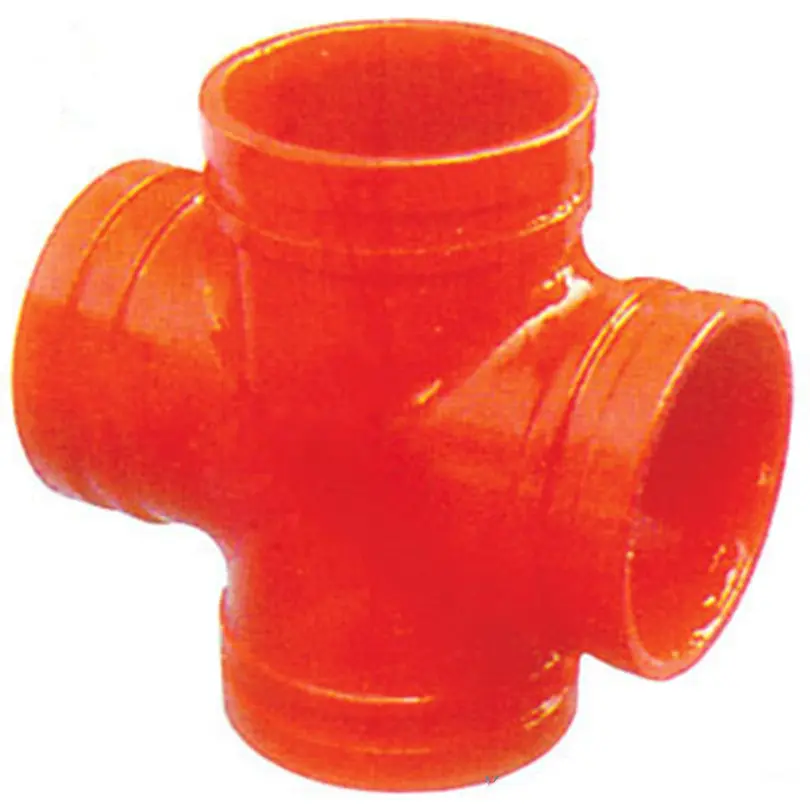
Brass pipe fittings are widely used for connecting, adapting, redirecting, and controlling piping systems where reliable mechanical connections and material durability are required. Proper brass pipe fittings design should consider connection type, thread dimensions, pressure requirements, pipe material, operating medium, and installation conditions. The pictured fitting features a compact angled body with an internal threaded connection, representing a practical design for changing pipe direction while maintaining a secure threaded joint. For buyers looking for customized brass pipe fittings, working with experienced brass pipe fittings manufacturers and a capable brass pipe fitting factory can help ensure that dimensions, materials, machining accuracy, and surface finishing meet the intended application.

The design of brass pipe fittings directly affects connection reliability, installation efficiency, and long-term service performance. A suitable fitting should first match the nominal pipe size and connection standard. Threaded brass pipe fittings, for example, need accurately machined internal or external threads so that mating components can engage smoothly without excessive clearance or interference. The fitting shown in the product image uses an angled body and internal thread, allowing the connected pipe to change direction within a compact space.
Material selection is another important part of brass pipe fittings design. The supplied product specification indicates forged brass materials including CW617N, CW614N, CW602N, and CZ132. Different brass grades can provide different combinations of machinability, mechanical strength, corrosion resistance, and suitability for water, oil, or gas systems. Experienced brass pipe fittings manufacturers can recommend an appropriate material according to the customer's drawings and working conditions.
Dimensional consistency is equally important. The supplied product range covers sizes from 20 mm to 63 mm, with flange fittings available for larger sizes such as 75 mm, 90 mm, and 110 mm. For OEM brass pipe fittings, dimensions should be confirmed against the customer's drawings, pipe specifications, and applicable connection standards before production.
Connection structure is a central consideration when selecting brass pipe fittings. Threaded connections are convenient for installation and maintenance because components can be assembled and disassembled without permanent joining processes. For brass pipe fittings with internal threads, the thread profile, pitch, diameter, and tolerance must correspond to the mating component.
The product description identifies the hose coupling structure as screw type and the hose coupling type as an adapter. It also specifies a working pressure of 1.6 MPa and a diameter of 80 mm for the described hose-fitting configuration. These parameters should be confirmed for the exact customized fitting before an order is placed, particularly when the brass pipe fittings will be used in a pressure-bearing system.
A properly designed threaded connection should also consider sealing. Depending on the system, sealing may be achieved through a gasket, O-ring, tapered thread, or an appropriate thread-sealing material. During brass pipe fittings installation, the sealing method should be compatible with the operating medium and connection standard. Excessive tightening should be avoided because it can damage threads or deform the fitting and connected pipe.
Before installing brass pipe fittings, check the pipe ends, fitting dimensions, threads, and sealing surfaces. The pipe should be cut cleanly and prepared according to the requirements of the connection system. Any dirt, metal chips, oil contamination, or burrs should be removed from the connection area.
For threaded brass pipe fittings, the installer should verify that the male and female threads match before tightening. The fitting should initially be engaged by hand to reduce the possibility of cross-threading. If resistance occurs at the beginning of engagement, the connection should be inspected rather than forced.
Brass pipe fittings should also be positioned correctly before final tightening. Angled fittings, such as the fitting shown in the image, are designed to change the direction of a pipe run, so their final orientation should be considered during system layout. Proper positioning can reduce unnecessary pipe stress and make subsequent maintenance easier.
During brass pipe fittings installation, tightening should provide a secure connection without applying excessive force. The appropriate installation method depends on the specific thread standard, pipe material, fitting structure, and sealing method. For larger brass pipe fittings or flange connections, alignment is particularly important because uneven loading can place unnecessary stress on the joint.
Pressure testing should be performed after installation when required by the piping system. The supplied product information lists PN20 as the normal pressure rating for the brass compression fittings for PE pipes and identifies cold water, oil, and gas as application media. However, the actual allowable pressure of brass pipe fittings can depend on size, temperature, connection structure, material grade, and system conditions. Buyers should therefore confirm the final pressure rating with the manufacturer for the exact configuration.
For PE pipe connections, brass pipe fittings can provide a practical transition between polymer piping and threaded or metallic components. Compression designs can simplify installation while allowing the connection to be serviced when necessary. The fitting body, compression components, sealing elements, and pipe dimensions must be matched correctly to maintain connection integrity.
Surface finishing is another consideration for brass pipe fittings, particularly when appearance, corrosion resistance, or specific customer requirements are involved. The supplied product specification lists sand polishing and brass-color surface finishing. Depending on the customer's requirements, brass pipe fittings manufacturers may also provide different finishing or coating options.
Quality control should cover more than the external appearance of brass pipe fittings. Dimensional inspection, thread inspection, material verification, pressure-related checks, and surface inspection can all contribute to consistent product quality. ISO9001 certification is listed in the supplied product information, while OEM production can be carried out according to customer drawings and specified quality standards.
For custom brass pipe fittings, inspection requirements should be confirmed before production begins. Drawings should clearly identify critical dimensions, thread specifications, tolerances, material requirements, surface treatment, and testing requirements. This reduces the possibility of discrepancies between the customer's intended design and the finished product.
OEM requirements often differ from standard brass pipe fittings because customers may require specific dimensions, thread standards, connection structures, materials, or finishing. An experienced brass pipe fitting factory can manufacture components according to supplied drawings while selecting suitable production processes for the required design.
Hebei Mingda International Trading Company works with manufacturers in major cities across China and provides sourcing and production coordination for castings, forgings, and machinery parts. Its product capabilities include brass, ductile iron, grey iron, stainless steel, and aluminum castings, as well as machined castings and forged parts. For brass pipe fittings, this manufacturing network provides flexibility when customers need customized components rather than only standard catalog products.
The company also has experience with hydrant bodies and valve bodies and emphasizes material quality, surface quality, production process selection, and quality control. Its manufacturing partners can work with processes including resin sand, sand molding, hot core boxes, lost-wax, and lost-foam production where applicable. This broader manufacturing capability can be useful when brass pipe fittings need to be developed together with other cast, forged, or machined components.
Selecting the right brass pipe fittings requires more than comparing dimensions or unit prices. Buyers should provide drawings or detailed specifications covering material, size, thread type, pressure requirements, connection structure, surface finish, packaging, and intended service conditions. Based on these requirements, brass pipe fittings manufacturers can evaluate the design and determine a suitable production method.
Hebei Mingda International Trading Company offers flexible sourcing support by matching customer requirements with suitable production facilities. Its normal lead time is around 30 days, while special orders may be arranged more quickly depending on production conditions and customer requirements. The supplied product information also indicates packaging in poly bags, inner boxes, cartons, and wooden pallets, with transportation available by ocean, land, or air.
If you are looking for OEM brass pipe fittings, custom brass pipe fittings, or a reliable brass pipe fitting factory for long-term supply, send Hebei Mingda your drawings, required material, dimensions, thread specifications, quantity, and quality requirements. Our team can coordinate suitable manufacturers, confirm production details, and provide a competitive quotation. Contact Hebei Mingda International Trading Company today to discuss your brass pipe fittings project and place your OEM order.