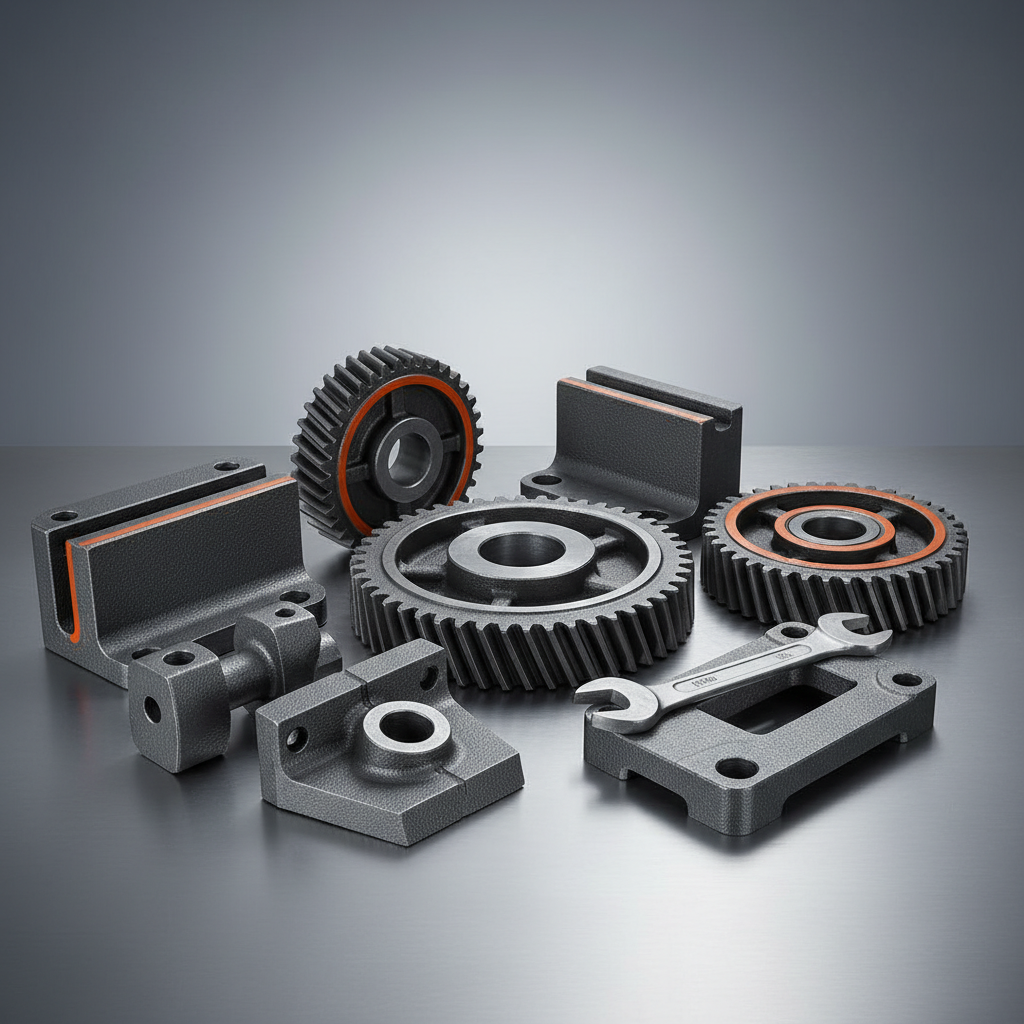
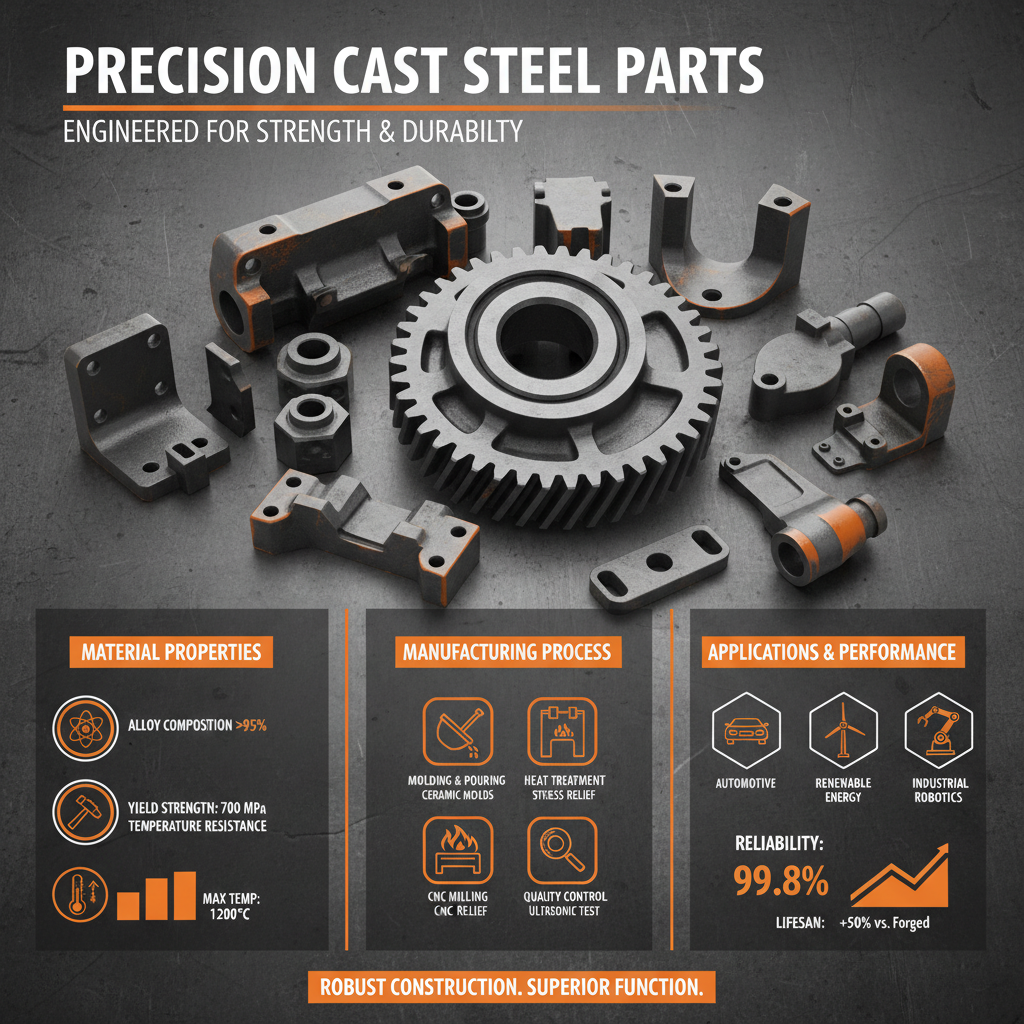
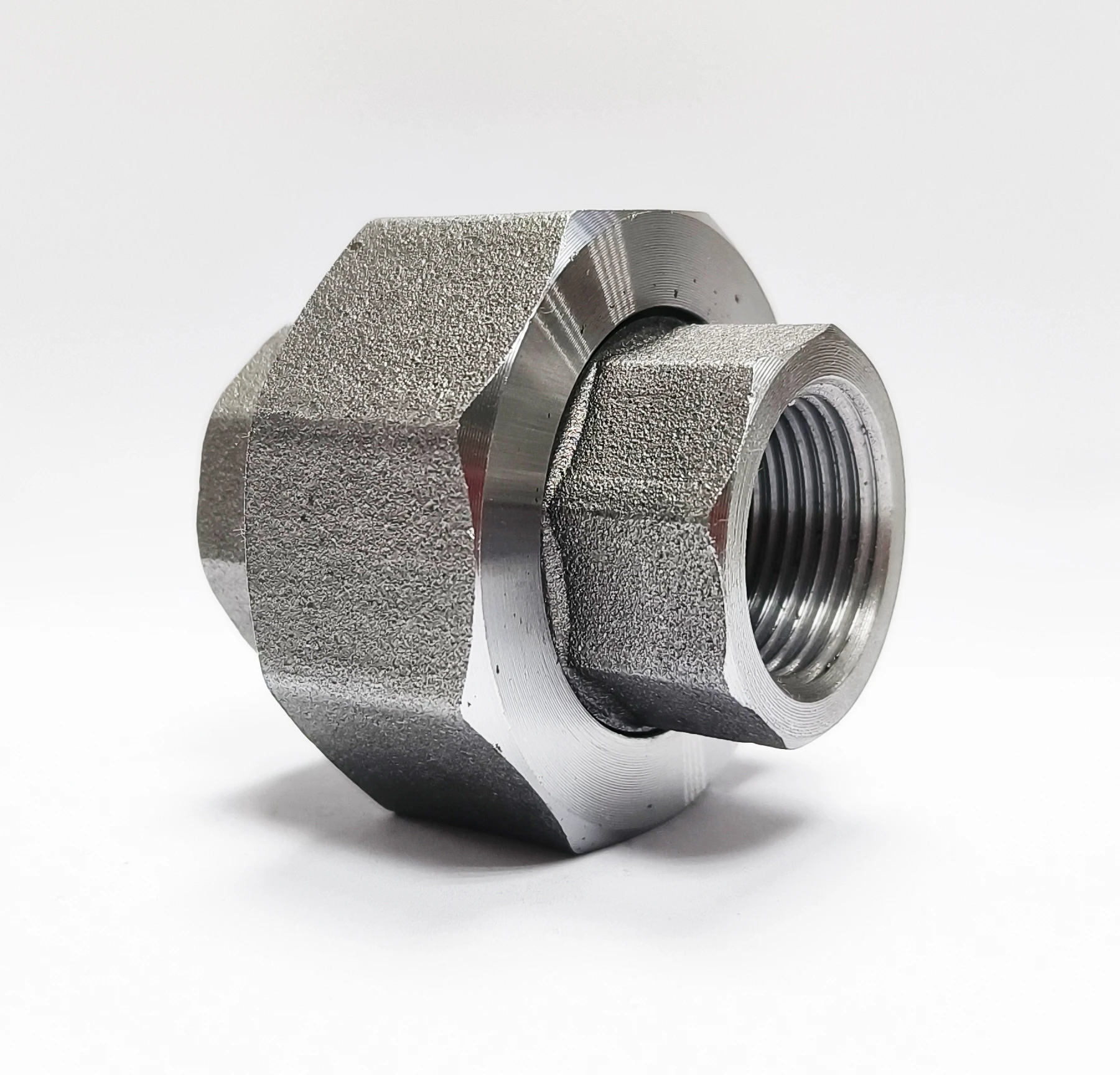
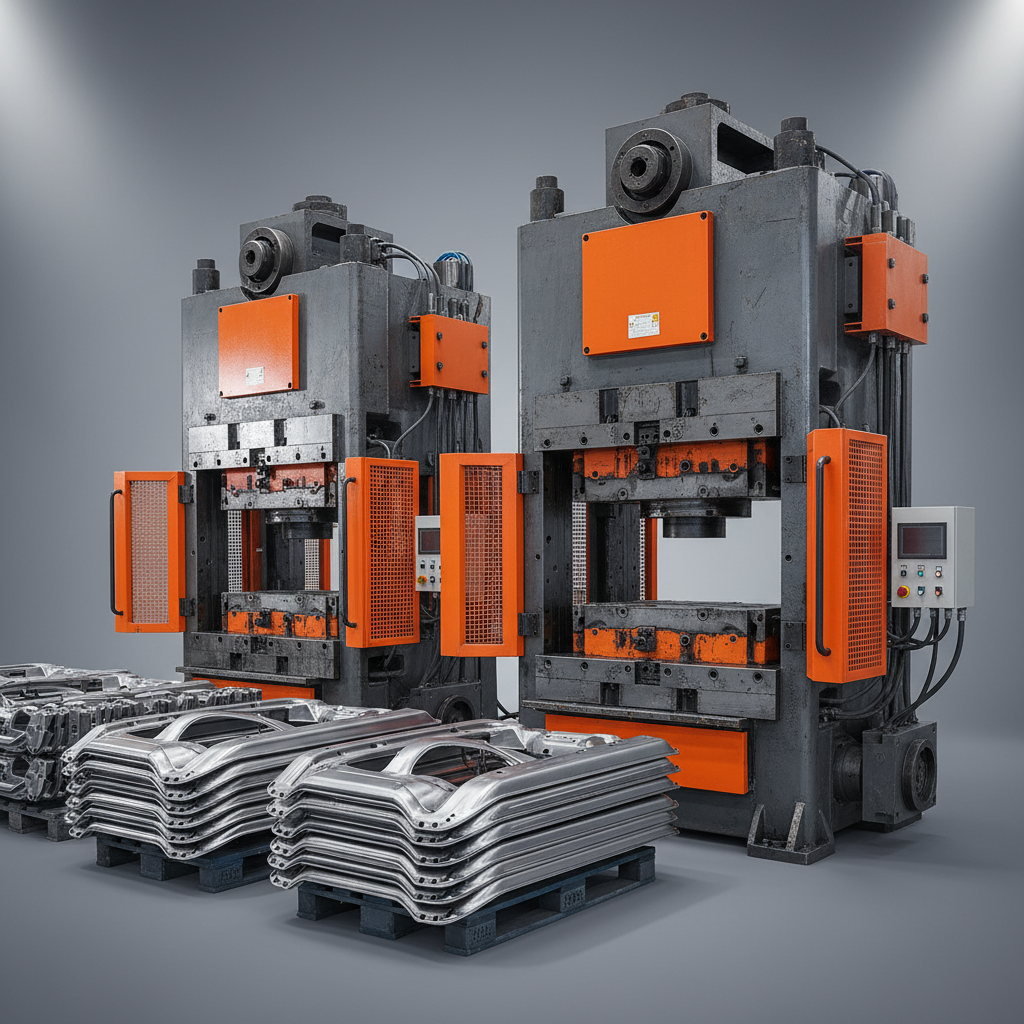
Precision cast steel parts are fundamental components in a vast array of modern industries, from aerospace and automotive to medical devices and energy production. Their ability to be manufactured with intricate geometries and tight tolerances makes them indispensable for applications demanding high performance and reliability. Understanding the nuances of precision casting—the materials, processes, and quality control measures—is crucial for engineers, designers, and manufacturers aiming to optimize product functionality and longevity.
Globally, the demand for precision cast steel parts is surging, driven by increasing industrialization, technological advancements, and a growing need for specialized components. Countries like China, the United States, and Germany lead in both production and consumption, reflecting their robust manufacturing sectors. This trend underscores the importance of innovation in casting techniques and materials science to meet evolving industry needs and maintain competitive advantage.
The benefits of utilizing precision cast steel parts extend beyond functional performance. They often represent a cost-effective solution compared to alternative manufacturing methods like machining, particularly for complex shapes and large production volumes. Furthermore, the versatility of steel allows for tailoring material properties to specific application requirements, ensuring optimal strength, durability, and resistance to environmental factors.
Introduction to Precision Cast Steel Parts
Precision cast steel parts represent a critical manufacturing process for creating intricate and high-quality components. Unlike traditional casting methods, precision casting emphasizes dimensional accuracy, surface finish, and material integrity. This is achieved through a variety of techniques, including investment casting (lost-wax casting), shell molding, and die casting, each suited for different applications and production volumes. precision cast steel parts are vital in a range of sectors.
The ability to produce near-net-shape parts significantly reduces the need for subsequent machining, saving time, material, and costs. Furthermore, precision casting allows for the use of a wide range of steel alloys, enabling the creation of parts with tailored mechanical properties, such as high strength, wear resistance, and corrosion resistance. This versatility makes precision cast steel parts a preferred choice for demanding applications where performance and reliability are paramount.
Defining Precision Cast Steel Parts
Precision cast steel parts are metal components produced by pouring molten steel into a mold created with exceptional accuracy. This process results in parts that closely match the desired dimensions and specifications, minimizing the need for extensive post-casting machining. The defining characteristic is the tight tolerance achievable, often within +/- 0.005 inches, depending on the casting method and alloy used.
This level of precision is critical in industries such as aerospace, where components must meet stringent quality standards and perform reliably in extreme conditions. The term "precision" distinguishes these parts from those produced by standard casting methods, where dimensional accuracy is less critical. precision cast steel parts are a solution to many needs.
Precision casting isn't simply about accuracy; it's about consistently delivering parts that meet specific requirements. This encompasses not only dimensional tolerances but also surface finish, material composition, and internal soundness. It plays a significant role in enabling innovations and advancements in various fields that depend on high-performance components.
Core Characteristics of Precision Casting
One of the key characteristics of precision casting is its ability to produce complex geometries. Traditional manufacturing processes, like machining, can struggle with intricate designs. However, casting allows for the creation of parts with internal cavities, undercuts, and complex curves without significant limitations. This capability expands design freedom and opens up possibilities for optimizing component functionality.
Surface finish is another critical attribute. Precision casting methods, particularly investment casting, typically yield parts with smooth surfaces, reducing or eliminating the need for grinding or polishing. This translates to lower production costs and improved part performance, especially in applications where surface quality is paramount, such as in fluid handling systems.
Finally, precision casting supports a wide range of steel alloys, including stainless steel, carbon steel, alloy steel, and tool steel. This versatility allows engineers to select the material best suited to the application's specific requirements, whether it's high strength, corrosion resistance, or wear resistance. Careful alloy selection is a vital step in ensuring the longevity and reliability of precision cast steel parts.
Key Factors Influencing Precision Casting Quality
Several factors contribute to the overall quality of precision cast steel parts. Mold design and material selection are paramount. A well-designed mold ensures proper metal flow and solidification, minimizing defects such as porosity and shrinkage. The mold material must also be compatible with the molten steel and capable of withstanding the high temperatures involved.
Control of the melting and pouring process is equally critical. Maintaining the correct steel temperature and composition, as well as controlling the pouring rate and turbulence, helps prevent defects and ensures uniform metal distribution within the mold. Precise temperature control is essential for achieving the desired microstructure and mechanical properties.
Precision Casting Quality Assessment
Global Applications and Industry Impact
Precision cast steel parts find extensive use in the aerospace industry, where they are crucial for manufacturing turbine blades, structural components, and engine parts. The stringent demands for strength, durability, and reliability in aircraft applications necessitate the use of high-quality precision castings. They can be found in commercial and military aircraft alike.
The automotive sector also benefits significantly, utilizing precision castings for engine blocks, cylinder heads, transmission components, and suspension parts. These components require precise dimensions and complex geometries to ensure optimal performance and fuel efficiency. In post-disaster relief operations, robust and precisely manufactured components are critical for the rapid deployment of essential equipment.
The Advantages of Utilizing Precision Cast Steel Parts
One of the most significant advantages of precision cast steel parts is their cost-effectiveness, particularly for complex geometries and high-volume production. By minimizing machining requirements, precision casting reduces material waste and labor costs. Furthermore, the ability to produce near-net-shape parts streamlines the manufacturing process.
The enhanced design flexibility afforded by precision casting allows engineers to optimize component performance and reduce weight. This is crucial in applications where weight reduction is paramount, such as in aerospace and automotive industries. Additionally, precision casting enables the creation of parts with superior mechanical properties, enhancing their durability and longevity. precision cast steel parts provide many benefits.
From a sustainability perspective, precision casting can contribute to resource efficiency by reducing material waste and energy consumption. By utilizing advanced casting techniques and optimizing process parameters, manufacturers can minimize their environmental impact and promote responsible manufacturing practices.
Future Trends in Precision Cast Steel Parts Manufacturing
The future of precision cast steel parts manufacturing is poised for significant advancements driven by technologies like additive manufacturing (3D printing) and advanced simulation software. Additive manufacturing offers the potential to create even more complex geometries and customize parts on demand, further reducing lead times and costs.
Artificial intelligence (AI) and machine learning (ML) are also playing an increasingly important role in optimizing casting processes, predicting defects, and improving quality control. These technologies enable real-time monitoring and adjustment of process parameters, leading to greater consistency and efficiency.
The growing emphasis on sustainability will drive the development of eco-friendly casting materials and processes. This includes exploring the use of recycled steel, reducing energy consumption, and minimizing waste generation. Digital transformation and automation will further enhance the precision, efficiency, and sustainability of precision cast steel parts manufacturing.
Summary of Key Trends in Precision Cast Steel Parts Manufacturing
| Trend Category |
Specific Advancement |
Impact on Manufacturing |
Expected Timeline |
| Technology |
Additive Manufacturing Integration |
Enhanced Geometric Complexity, Rapid Prototyping |
Within 5-10 years |
| Data Analytics |
AI-Powered Process Optimization |
Reduced Defects, Improved Quality Control |
Currently Implementing |
| Materials |
Increased Use of Recycled Steel |
Enhanced Sustainability, Reduced Carbon Footprint |
Within 3-5 years |
| Automation |
Robotic Process Automation |
Increased Efficiency, Reduced Labor Costs |
Ongoing Implementation |
| Simulation |
Advanced Casting Simulation Software |
Optimized Mold Design, Reduced Trial and Error |
Widely Adopted |
| Industry Standards |
Stricter Quality Control Protocols |
Increased Reliability, Improved Performance |
Continuous Improvement |
FAQS
Precision cast steel parts offer significant advantages over machining, especially for complex geometries and large production volumes. Casting generally reduces material waste, lowers labor costs, and allows for the creation of intricate designs that are difficult or impossible to achieve through machining alone. It allows for near-net-shape manufacturing, minimizing the need for secondary operations like machining.
A wide range of steel alloys can be used in precision casting, including carbon steel, stainless steel, alloy steel, and tool steel. The specific alloy chosen depends on the application's requirements, such as strength, corrosion resistance, wear resistance, and temperature tolerance. Selecting the right alloy is crucial for ensuring the long-term performance and reliability of the cast part.
Investment casting, also known as lost-wax casting, is renowned for its exceptional precision and surface finish. It involves creating a wax pattern, coating it with a ceramic shell, melting out the wax, and pouring molten steel into the resulting cavity. This process allows for extremely intricate details and tight tolerances, making it ideal for demanding applications.
Rigorous quality control measures are employed throughout the precision casting process. These include dimensional inspection, radiographic testing (X-ray), ultrasonic testing, and visual inspection for surface defects. Non-destructive testing methods ensure the internal soundness and structural integrity of the cast parts, meeting stringent industry standards.
Lead times for custom precision cast steel parts can vary depending on the complexity of the design, the quantity ordered, and the availability of materials. Generally, lead times range from 4 to 12 weeks, including tooling fabrication and production. Factors like alloy specifications and required certifications can also influence the timeframe.
Precision casting promotes sustainability through reduced material waste, energy efficiency, and the potential to use recycled materials. Near-net-shape manufacturing minimizes machining, lowering energy consumption and material loss. Furthermore, ongoing research focuses on developing more environmentally friendly casting processes and alloys.
Conclusion
Precision cast steel parts represent a cornerstone of modern manufacturing, offering a unique combination of design flexibility, cost-effectiveness, and performance. Their ability to be tailored to specific application requirements, coupled with ongoing advancements in casting technologies, ensures their continued relevance across diverse industries. From aerospace to automotive, medical devices to energy production, precision cast steel parts drive innovation and enable the creation of high-quality, reliable products.
Looking ahead, the integration of additive manufacturing, AI-powered process optimization, and sustainable materials will further enhance the capabilities and efficiency of precision casting. By embracing these advancements, manufacturers can unlock new opportunities for innovation, reduce their environmental impact, and maintain a competitive edge in the global marketplace. Visit our website at www.mingdametals.com to learn more about how we can fulfill your precision casting needs.