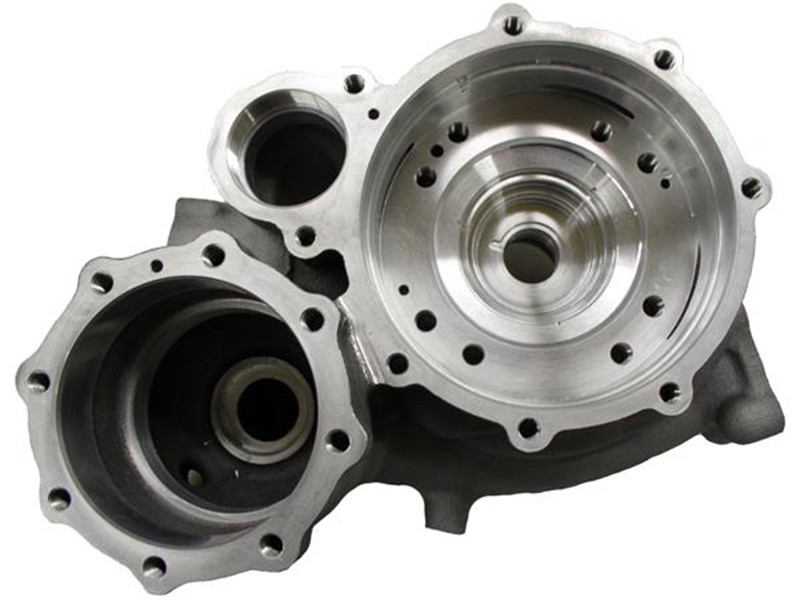
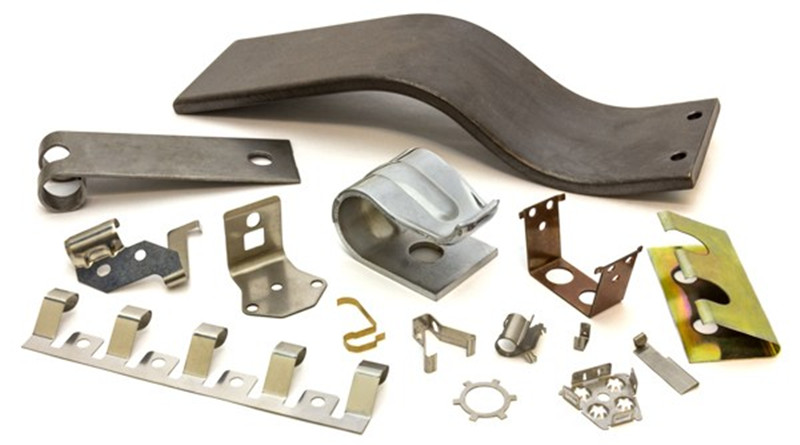
Advanced Engineering Solutions for nodular cast iron fittings in Finland

Providing high-precision metal casting and specialized components tailored for the rigorous Nordic industrial environment.

Advanced Engineering Solutions for nodular cast iron fittings in Finland

We deliver high-performance metal components including iron casing and specialized alloys designed to withstand extreme temperature fluctuations and heavy industrial loads across Finland.

Current State of Metal Casting Industry in Finland

Adapting to extreme Arctic conditions and sustainable manufacturing standards.

Finland's metal industry is characterized by its pursuit of extreme durability. Due to the severe winter climates, there is a critical demand for components like hydrant pipes that can resist freeze-thaw cycles without cracking, necessitating superior material ductility.

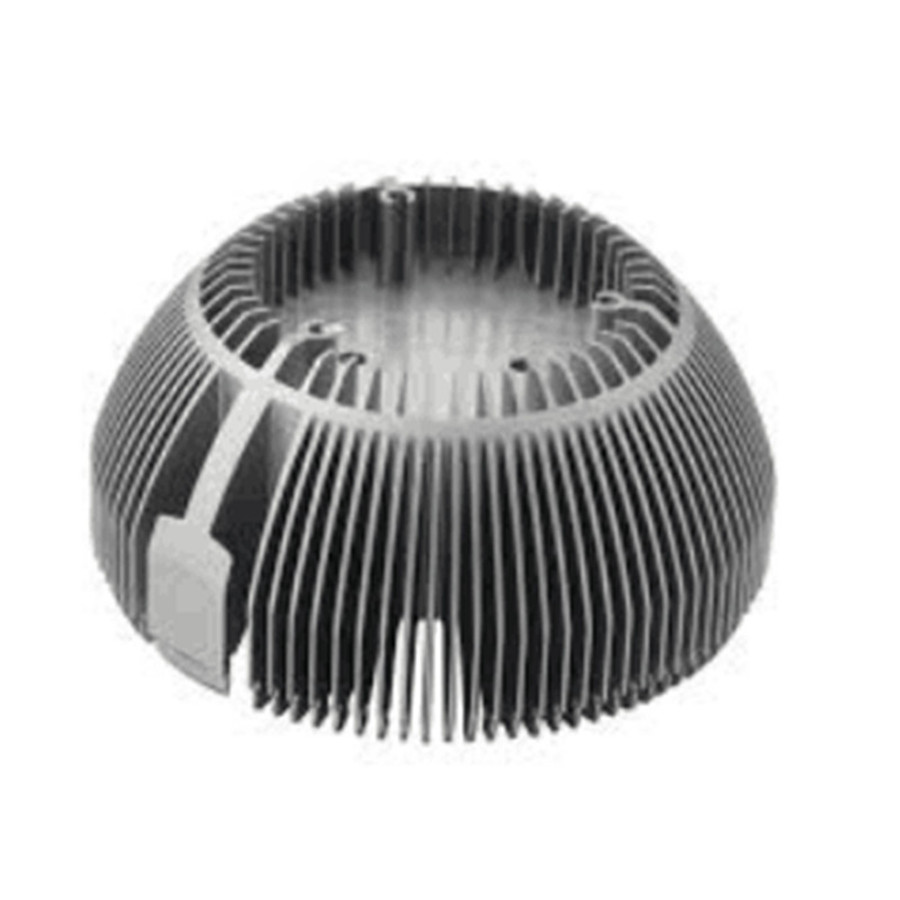
The local market is currently shifting toward lightweight yet strong materials. This has led to an increase in aluminum gravity casting for automotive and marine applications in coastal regions, where corrosion resistance is as vital as structural integrity.

Furthermore, Finland's strict environmental regulations demand a reduction in carbon footprints during production. This has pushed manufacturers toward more efficient casting processes and the use of long-life components such as the enamelled cast iron plate to reduce replacement frequency and waste.
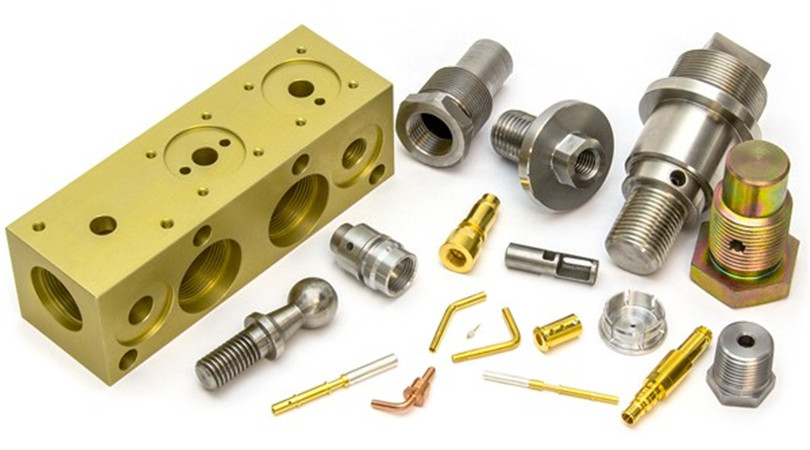
Evolution of Metal Fabrication in Northern Europe

From traditional foundry methods to digitally integrated precision casting.

Market Development History

In the mid-20th century, the Finnish metal sector relied heavily on basic grey iron. The focus was on mass volume for forestry and shipbuilding, utilizing basic molds for standard industrial shapes.

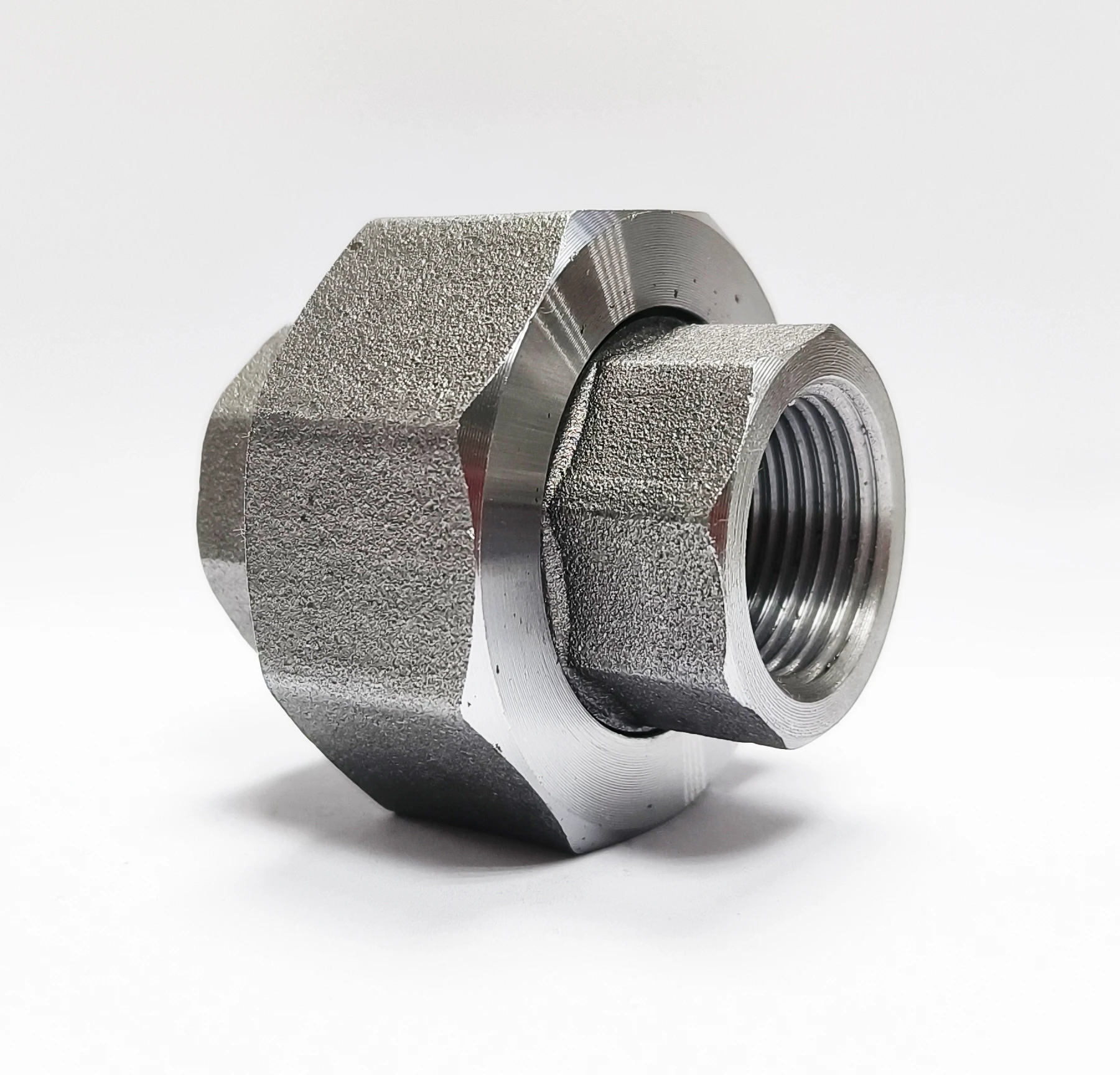
By the 1990s, a technological pivot occurred. The introduction of precision alloying allowed for the mass production of nodular cast iron fittings, which offered the strength of steel with the castability of iron, revolutionizing the plumbing and heating infrastructure.

From 2010 to the present, the integration of CAD/CAM and automated pouring systems has minimized defects. This era marks the transition to "Smart Casting," where material purity and geometric precision are monitored in real-time to meet ISO standards.

Future Development Trends

AI-Driven Mold Simulation

Predictive software will eliminate casting defects before the first pour, significantly reducing the scrap rate for complex iron casing designs.

Green Hydrogen Smelting

Finland is leading the shift toward carbon-neutral steel and iron production, utilizing green hydrogen to replace coking coal in the smelting process.

Advanced Nano-Coatings

The evolution of surface treatments will see the enamelled cast iron plate replaced by nano-ceramic composites for even higher chemical resistance.

Industry Trends and Future Outlook

Strategic trajectories for metal manufacturing in the Finnish market.

Circular Economy Integration
Increasing the use of recycled scrap metals in aluminum gravity casting to meet EU sustainability goals.
Additive Manufacturing Hybridization
Combining 3D printing for mold cores with traditional casting for complex internal geometries.
Smart Material Tracking
Implementing blockchain-based traceability for raw materials used in critical infrastructure components.
Extreme Cold Optimization
Developing new alloy compositions specifically for ductile-to-brittle transition resistance at -40°C.

Industry Outlook

Over the next 3-5 years, the Finnish metal sector will likely see a surge in demand for customized, low-volume production. Google search trends indicate a growing interest in "sustainable casting" and "high-strength ductile iron," suggesting a shift toward specialized quality over sheer quantity.

As Finland integrates further with the European Green Deal, the emphasis will shift to life-cycle assessment (LCA) of metal products. Companies that can prove a lower carbon footprint for their nodular cast iron fittings will hold a significant competitive advantage.

Localized Application Scenarios in Finland

Real-world implementations of metal casting in Finnish industrial settings.

1. Municipal Water Infrastructure

Installation of corrosion-resistant hydrant pipes in Helsinki's district heating and water networks to ensure reliability during deep-freeze winters.

2. Heavy Machinery for Forestry

Utilizing high-strength iron casing for hydraulic pumps in timber harvesting machinery operating in the Lapland forests.

3. Marine Propulsion Systems

Application of aluminum gravity casting for lightweight engine components in Baltic Sea ferry fleets to improve fuel efficiency.

4. Industrial Chemical Processing

Deploying enamelled cast iron plate for acid-resistant lining in Finnish chemical plants to prevent structural degradation.

5. Urban Drainage Systems

Deploying nodular cast iron fittings for high-pressure sewage systems in urban centers to prevent leakages caused by soil movement during frost heave.

Brand Story

Global Development History of Hebei Mingda International Trade Co., Ltd.

Foundational Excellence

Established with a focus on bridging the gap between high-capacity production and precision engineering for global metal needs.

Quality Standardization

Implementing rigorous QC protocols to ensure every casting meets international ASTM and ISO standards for structural safety.

Global Market Expansion

Expanding operations into the European market, specifically tailoring products for the demanding climate of Northern Europe.

Technological Innovation

Investing in advanced alloy research to solve specific pain points like low-temperature brittleness in cast iron components.

Sustainable Future

Committing to eco-friendly casting processes to support the global transition toward a carbon-neutral industrial future.

Comprehensive Metal Product Portfolio for Finland

A curated range of high-durability casting solutions for Finnish industrial and municipal applications.

Common Questions in Finnish Metal Casting

Expert answers regarding the selection and maintenance of cast iron and aluminum products.

How do nodular cast iron fittings perform in Arctic temperatures?

Nodular iron is specifically engineered to maintain ductility at low temperatures, preventing the brittle fractures common in grey iron during Finnish winters.

What are the advantages of aluminum gravity casting for marine use?

It provides an optimal strength-to-weight ratio and excellent natural corrosion resistance, which is essential for the saltwater environments of the Baltic coast.

Can enamelled cast iron plate withstand harsh industrial acids?

Yes, the vitreous enamel coating creates a non-porous, chemically inert barrier that protects the underlying iron from most corrosive agents.

What is the lifespan of hydrant pipes in freeze-thaw soil?

When manufactured with high-grade ductile materials and proper coatings, these pipes can last over 50 years despite constant soil expansion and contraction.

How to ensure the precision of a custom iron casing?

We utilize CNC machining after the casting process to ensure that all critical tolerances are met according to the client's technical drawings.

Are your casting processes compliant with EU environmental laws?

Absolutely. All our products are manufactured following strict environmental guidelines to ensure low emissions and sustainable material sourcing.

Partner with the Metal Experts

Ready to optimize your infrastructure with precision casting? Contact our specialized team serving Finland today.

Contact Us Now

If you are interested in our products, you can choose to leave your information here, and we will be in touch with you shortly.