Phone:
+86 18631189888

Email:
liyanhui@bestcastings.cn

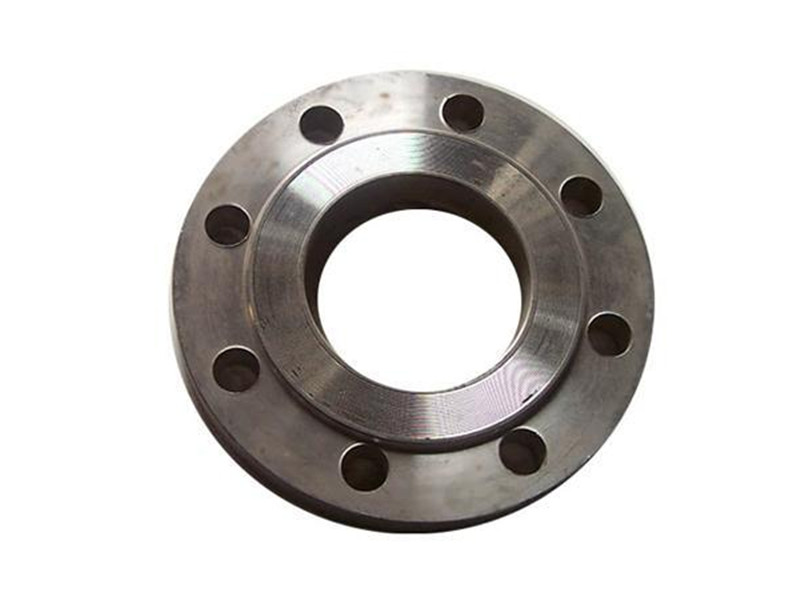
At first glance, a182 f316 stainless steel weld neck flange might just sound like another mouthful of technical jargon you'd find scattered across industry manuals. But in reality, it is a small yet critically important component in the vast, intertwined world of piping and fluid transfer systems. This flange, made from A182 grade F316 stainless steel, is a sturdy, corrosion-resistant connector that ensures reliable, leak-proof joints in pipelines handling everything from chemicals in factories to seawater desalination plants and offshore oil rigs.
Globally, the demand for durable, dependable pipeline components continues to rise, especially with the rapid industrialization and a collective push toward sustainable infrastructure. Understanding why these particular flanges matter can help engineers, procurement specialists, and even policy makers make smarter choices for long-term projects that must withstand harsh environments and stringent safety standards.
The global piping components market was valued at over $25 billion in 2023, with stainless steel flanges making up a significant slice (ISO 27,768 standards emphasize material quality for such applications). Industries spanning oil & gas, marine, pharmaceuticals, and even food processing depend heavily on components like the A182 F316 weld neck flange for safe, lasting operation.
But despite the widespread use, several challenges persist: piping systems often face corrosion, high pressure, and thermal stress, particularly in maritime and chemical sectors. Hence, choosing the right grade steel and flange design can drastically reduce maintenance costs and system downtime. The F316 stainless steel variant, with enhanced molybdenum content, is specifically designed to resist pitting corrosion that often plagues coastal or chemical environments.
Its tapered hub design offers excellent stress distribution, minimizing the risk of cracks—a big deal in critical infrastructure where failures can be catastrophic.
Breaking it down simply: "A182" refers to the ASTM standard specification for forged or rolled alloy and stainless steel pipe flanges. The "F316" is the specific stainless steel grade, known for added nickel and molybdenum, giving it superior resistance to chlorides and acids. "Weld neck flange" describes the type of flange with a long tapered neck designed to be welded to a pipe, creating a smooth transition from flange to pipe—helping withstand mechanical stresses.
Put it all together, and you get a high-grade flange forged for strength and durability, widely used in environments where contamination, corrosion, and physical stress are constant threats. From nuclear plants to food-grade processing lines, this flange answers the call.
Thanks to its austenitic chromium-nickel-molybdenum stainless steel composition, A182 F316 provides stellar resistance to pitting and crevice corrosion. That means it survives harsh chemicals and salty marine air without rusting or weakening over decades.
Weld neck flanges built to A182 F316 specs withstand pressures upwards of 2,500 psi and temperatures ranging from cryogenic lows all the way to 870 °C (1,600 °F) — making them versatile across industries.
These flanges must meet strict dimensional standards (like ASME B16.5) to ensure perfect pipe alignment and safety. Any slight flaw could lead to leaks or fatigue failures.
The tapered neck gets welded to the pipe, forming a continuous, smooth surface reducing turbulence and weaknesses at the joint. This seamless design reduces maintenance troubles.
Many manufacturers test flanges via non-destructive methods—ultrasound, dye penetrant—to certify they come without internal cracks or surface defects.
| Property | Specification | Notes |
|---|---|---|
| Material Grade | ASTM A182 F316 | Standardized stainless steel alloy |
| Pressure Rating | Class 150 to 2500 | Depending on flange dimension |
| Temperature Range | -196°C to 870°C (-320°F to 1600°F) | Handles cryogenic to high heat |
| Corrosion Resistance | Excellent | Especially chloride environments |
| Connection Type | Butt Weld | Smooth welding ensures durability |
These flanges aren’t just theoretical pieces—they are the backbone for critical infrastructure worldwide. For instance:
For example, a recent repair project at an offshore oil rig in the North Sea saw a switch to A182 F316 stainless steel weld neck flanges to combat escalating corrosion rates. The engineering firm reported significantly increased operational uptime as a result — I suppose this also saves truckloads of emergency maintenance costs.
| Supplier | Material Quality | Pricing (USD/unit) | Lead Time | Certification |
|---|---|---|---|---|
| Mingda Metals | ASTM A182 F316, 100% traceable | $75-90 | 2-3 weeks | ISO 9001, API 6A |
| Acme Flanges Inc. | ASTM A182 F316L (lower carbon) | $65-85 | 3-5 weeks | ISO 9001 |
| SteelForge Solutions | ASTM A182 F316, premium inspection | $90-110 | 1-2 weeks (rush) | ISO 9001, ASME |
Most engineers I’ve chatted with say the biggest draw here is “peace of mind.” Because these flanges resist corrosion and mechanical failure, pipelines last longer and maintenance costs drop. They’re also favored for safety-critical setups, reducing leak or rupture risks that might otherwise threaten environmental or human harm.
Beyond the black-and-white numbers, there’s an emotional comfort — knowing the infrastructure you depend on won’t just fail one day out of the blue. It’s supporting trust in systems that distribute water, energy, and vital resources safely around the globe.
Looking ahead, the industry is embracing digital quality control, with real-time sensors embedded in flanged joints monitoring stress and temperature. Also, the push for greener industries has researchers testing new alloys that retain corrosion resistance but with reduced nickel content — a somewhat expensive element from sustainability and economic viewpoints.
Moreover, additive manufacturing advancements could allow custom flanges for unique piping systems, speeding up installation and cutting waste. Automation in welding is also making the connection of these weld neck flanges faster and more precisely aligned — a huge bonus in offshore or hazardous zones.
There are some downsides or challenges with a182 f316 stainless steel weld neck flanges. The initial cost is higher than common carbon steel flanges, and welding requires skilled operators to avoid defects. Also, in highly chloride-polluted environments, even F316 might need supplementary coatings or cathodic protection to fully prevent corrosion.
The solution? Pre-qualified welding procedures, third-party inspections, and sourcing from trusted vendors with traceable material certificates. For extreme environments, pairing flanges with enhanced corrosion barrier systems ensures longevity.
Taking a step back, the a182 f316 stainless steel weld neck flange may not be the flashiest item on the construction checklist, but it certainly punches above its weight in ensuring pipeline systems last longer, stay safer, and require less maintenance. As industries strive for resilience and sustainability, investing in quality flanges like these is more than just a technical choice; it’s a commitment to reliability and long-term success.
If you’re ready to make such an investment or learn more about these vital components, I recommend checking out a182 f316 stainless steel weld neck flange suppliers with proven track records and certifications.
After all, in the world of industrial piping, good flanges help keep things flowing — literally.
References:
1. ASTM International – ASTM A182 Standard Spec.
2. ISO 27,768: Metallic materials & piping components
3. Wikipedia: Stainless steel