Phone:
+86 18631189888

Inscriptio electronica:
liyanhui@bestcastings.cn


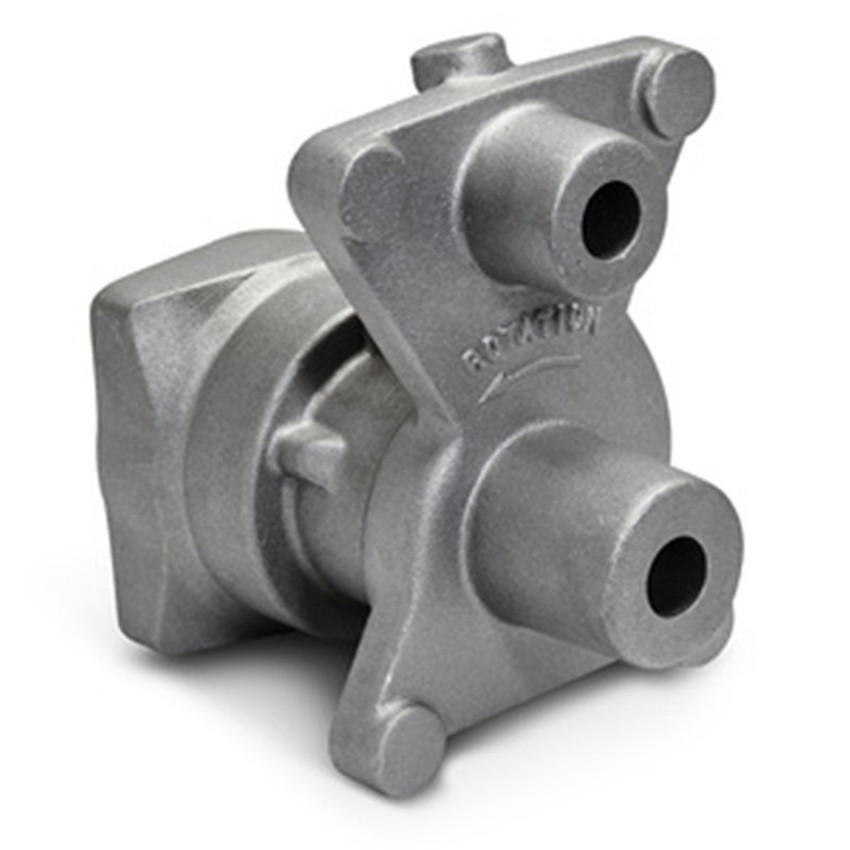
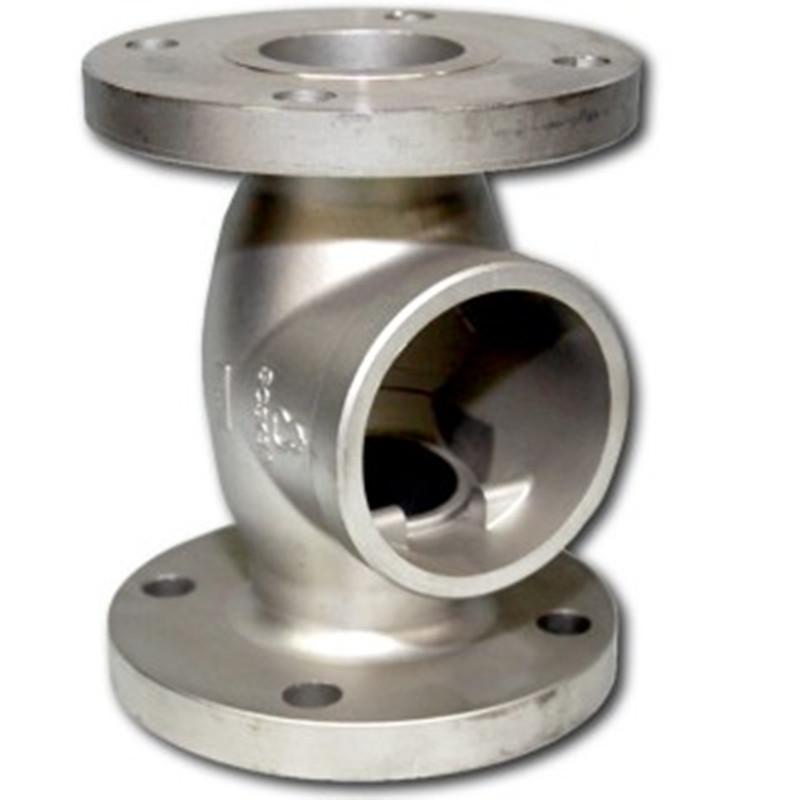
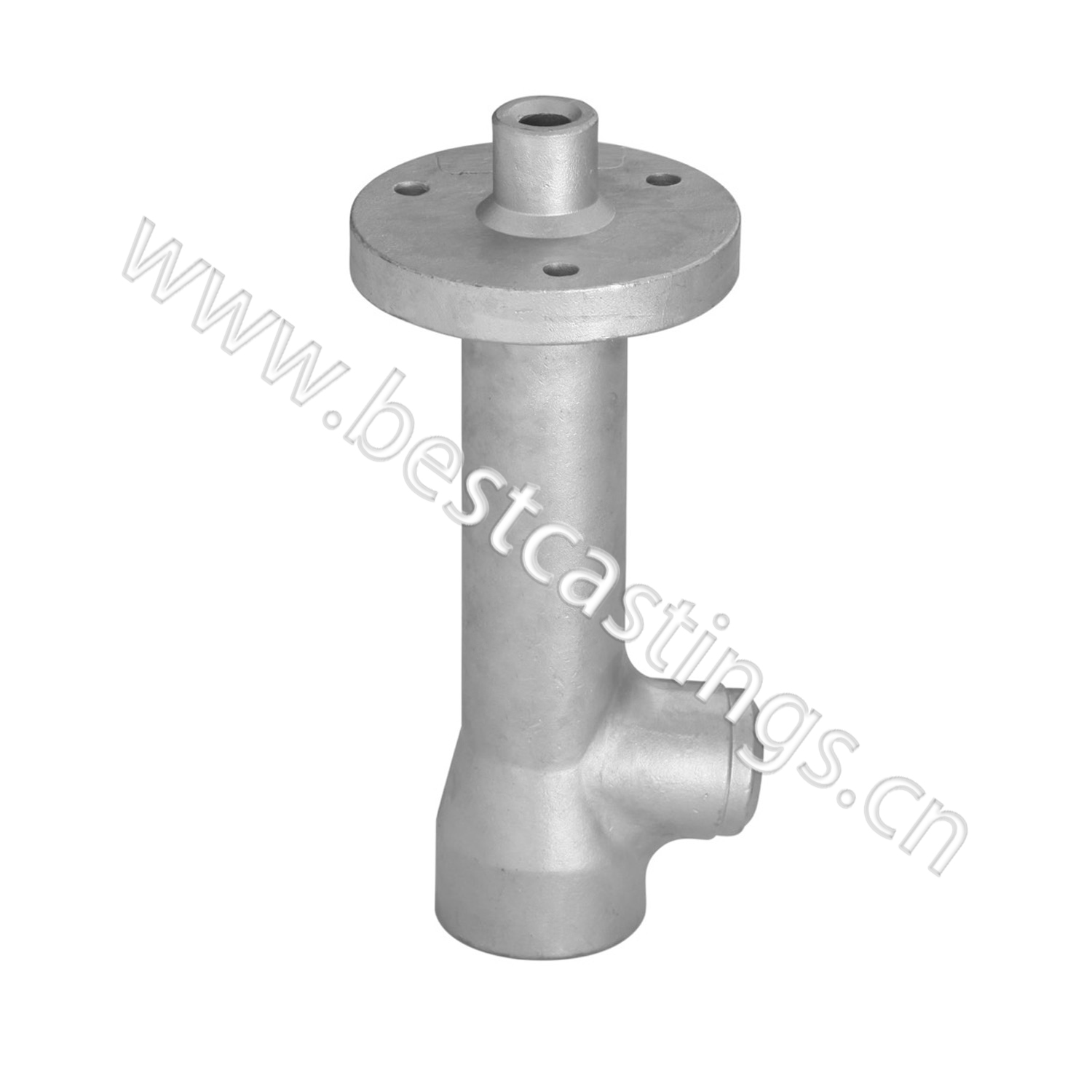
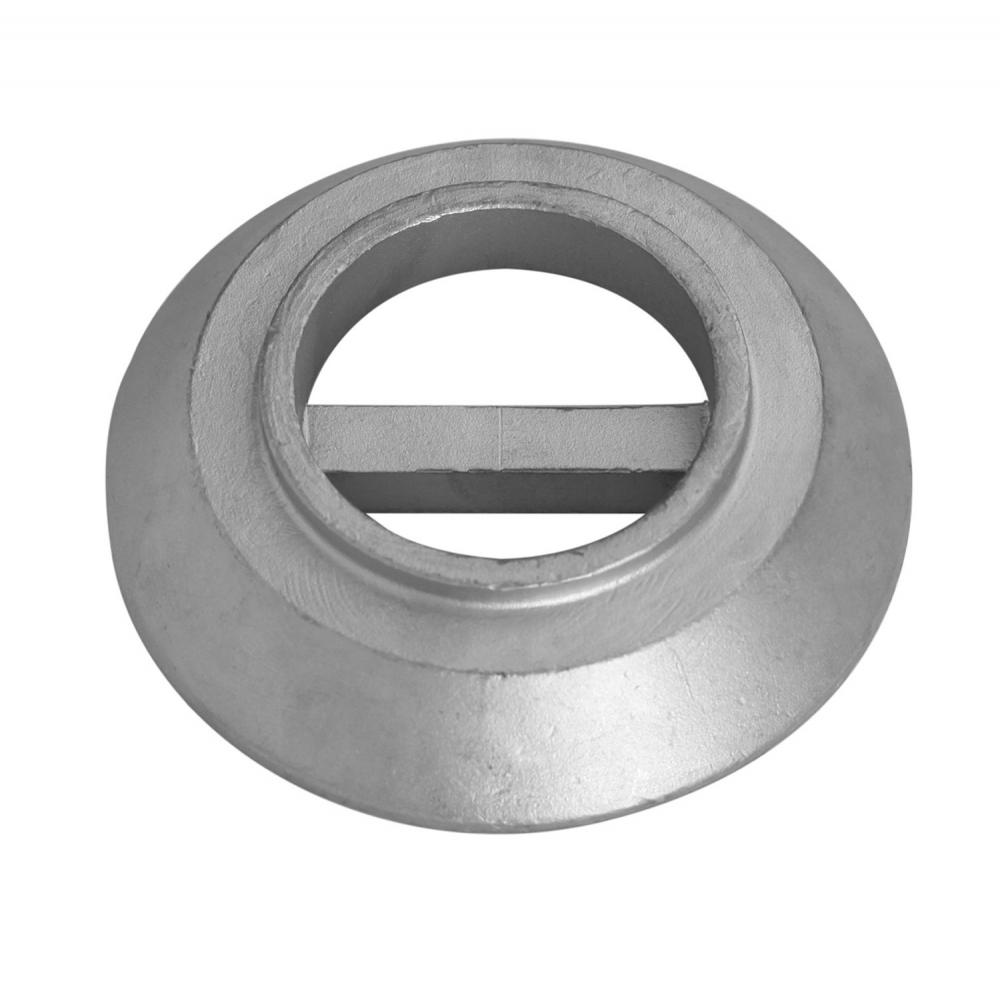
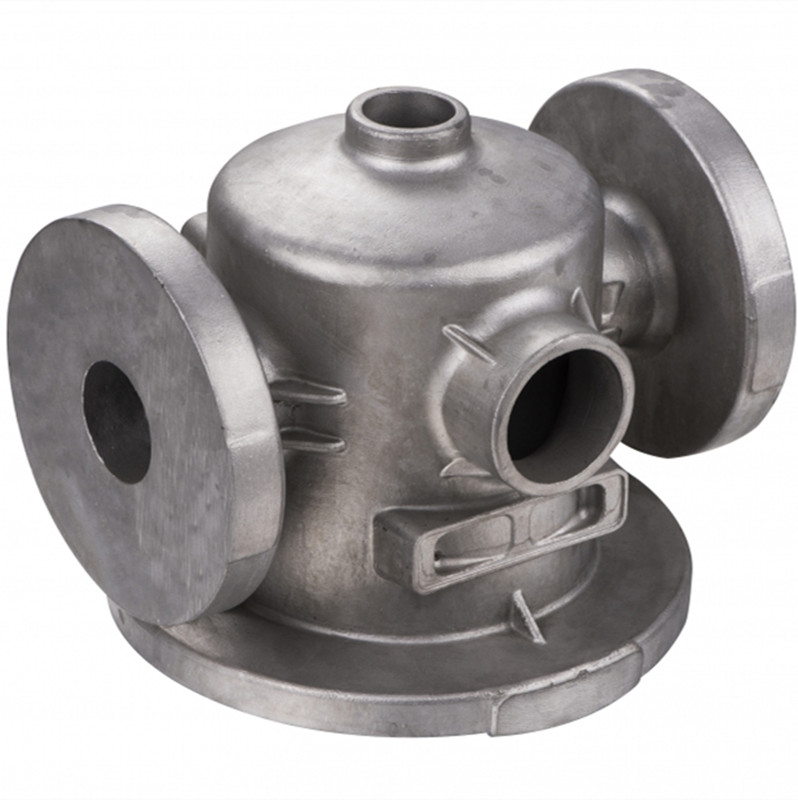
If you're deciding on the right casting route for an automotive bracket or a motorcycle mount, consider aluminum gravity casting,aluminium pressure die casting as two complementary processes rather than competitors. To be honest, many customers say their choice comes down to volume, tolerances and finish — and sometimes habit.
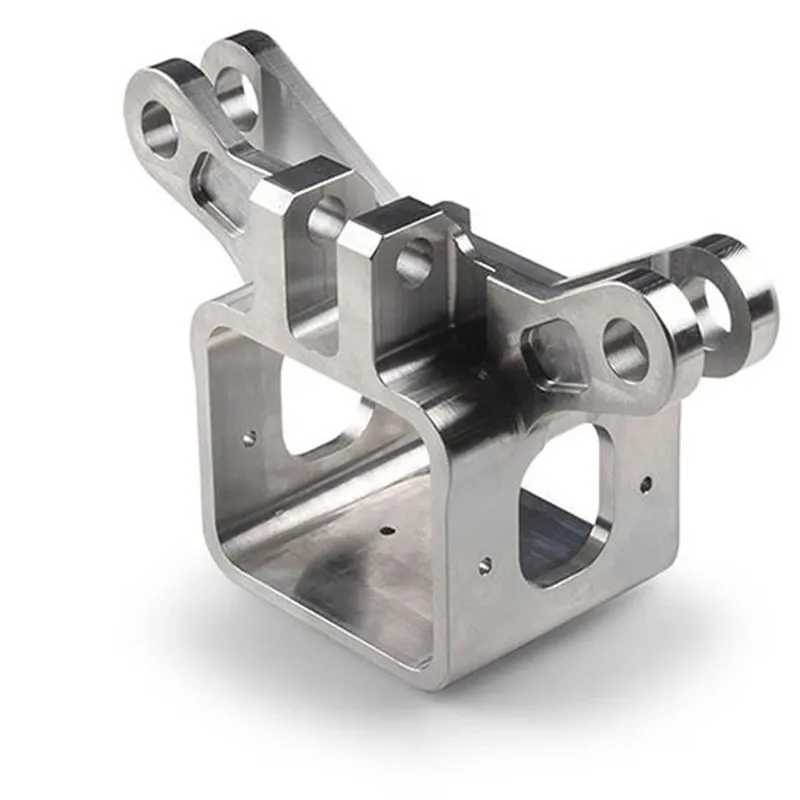
Briefly: gravity casting pours molten Al into a (usually sand or permanent) mould and relies on gravity; pressure die casting injects molten aluminium under high pressure into a reusable steel die. In practice, you’ll see:
|
Spec |
Value (typical) |
|
Materia |
Aluminum alloy (AlSi7Mg / 6061 as required) |
|
Production Type |
Mass production |
|
Machining Method |
CNC Milling (post-cast finishing) |
|
Superficies |
Polishing / anodize optional |
|
Tolerance |
≈ ±0.05–0.2 mm (depending on method; die casting better for tight dims) |
|
Vendor |
Certs |
Tempus praescriptionis |
MOQ |
Notes |
|
Mingda Metals |
ISO 9001, ASME |
≈ 3–6 weeks |
100 pcs |
Strong CNC finish, OEM friendly |
|
Vendor B |
ISO 9001 |
≈ 4–8 weeks |
500 pcs |
Lower cost, higher MOQ |
|
Vendor C |
ISO/TS (limited) |
≈ 2–10 weeks |
50 pcs |
Flexible but variable QC |
Use cases: automotive housings, motorcycle accessory brackets, heat sinks, enclosures. Service life depends on load cycles and environment — typically 5–20 years for structural components; anodizing or coating extends life in corrosive conditions. In one recent job Mingda supplied an anodized motor-mount bracket (mass production run ≈10k units); suppliers reported <0.5% reject rate after CT/pore checks and CMM validation — surprisingly good for a first-run die.
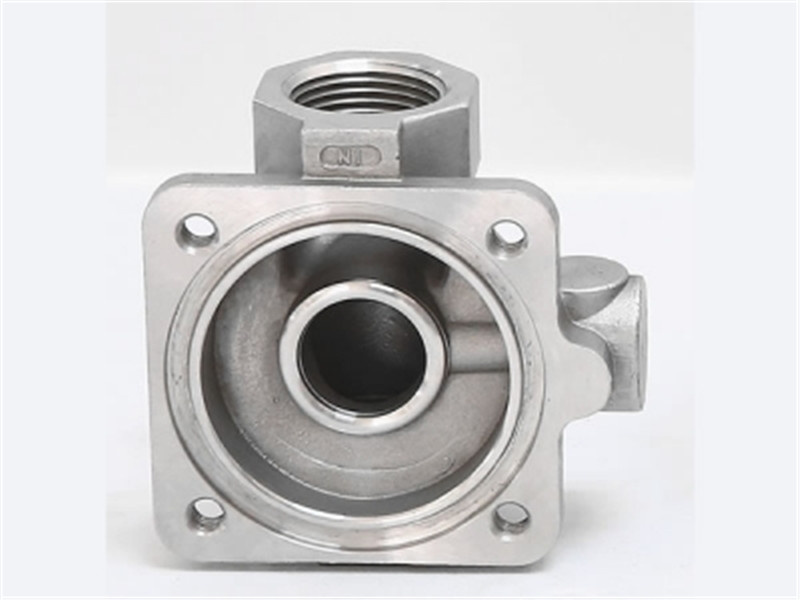
If you need parts that require high dimensional accuracy and a fine surface, combine aluminum gravity casting,aluminium pressure die casting with CNC milling and posttreatments. I guess that's the best of both worlds — cost-effective blanks with precision finishing.
Ask vendors for: detailed CMM reports, Xray porosity scans, material certificates (MTRs), and a sample fatigue test if the part is safety-critical. To be honest, a supplier’s willingness to run a pilot with transparent QC data is the real differentiator.
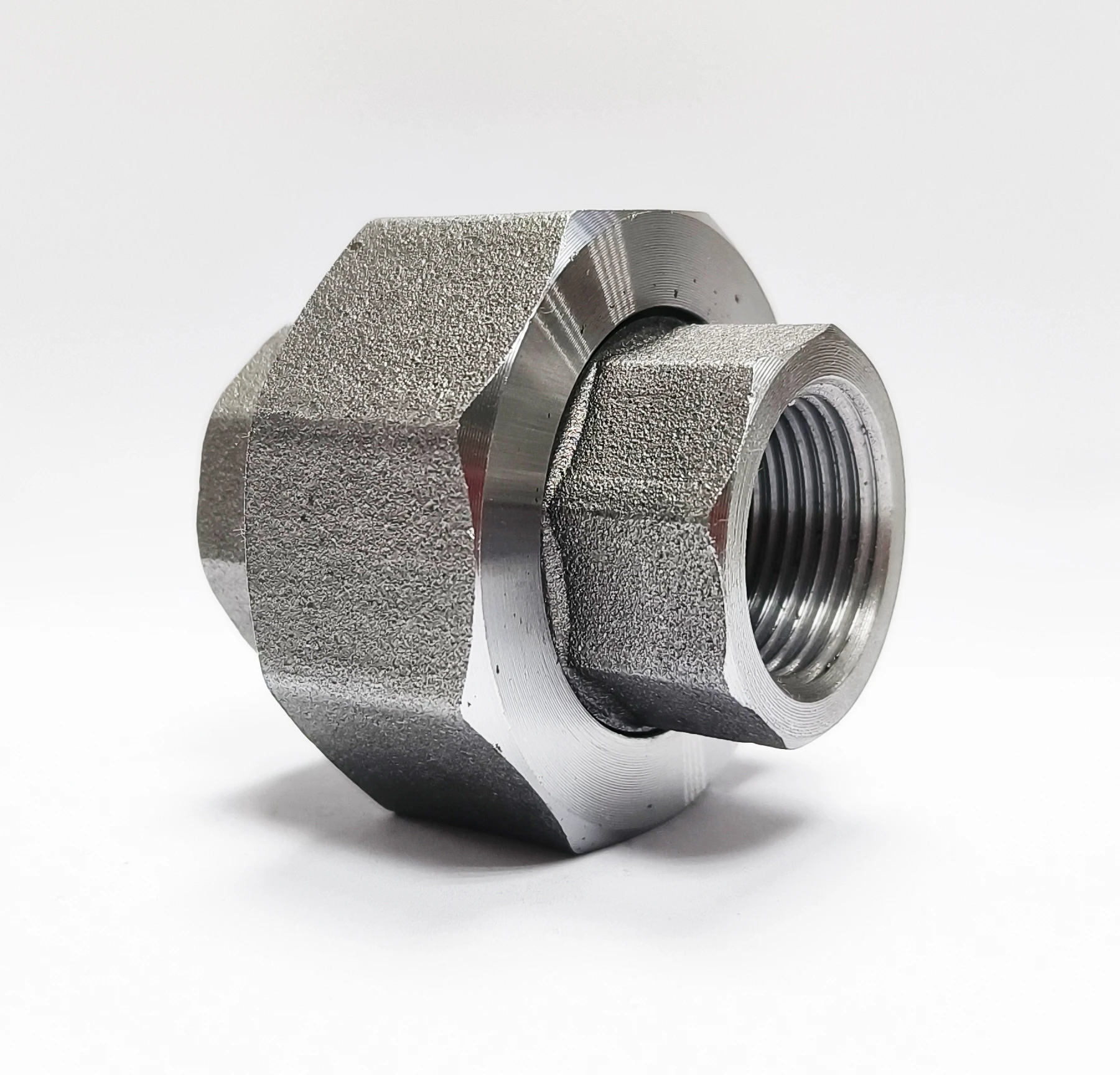
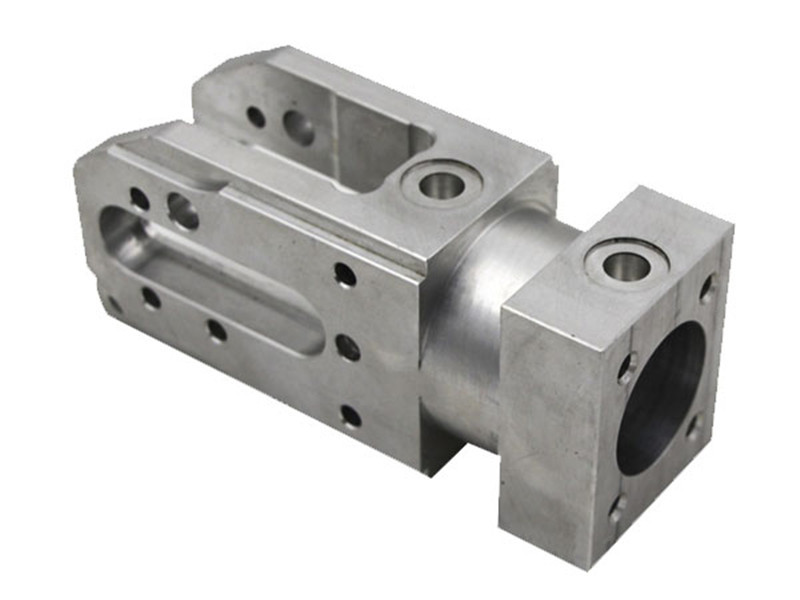
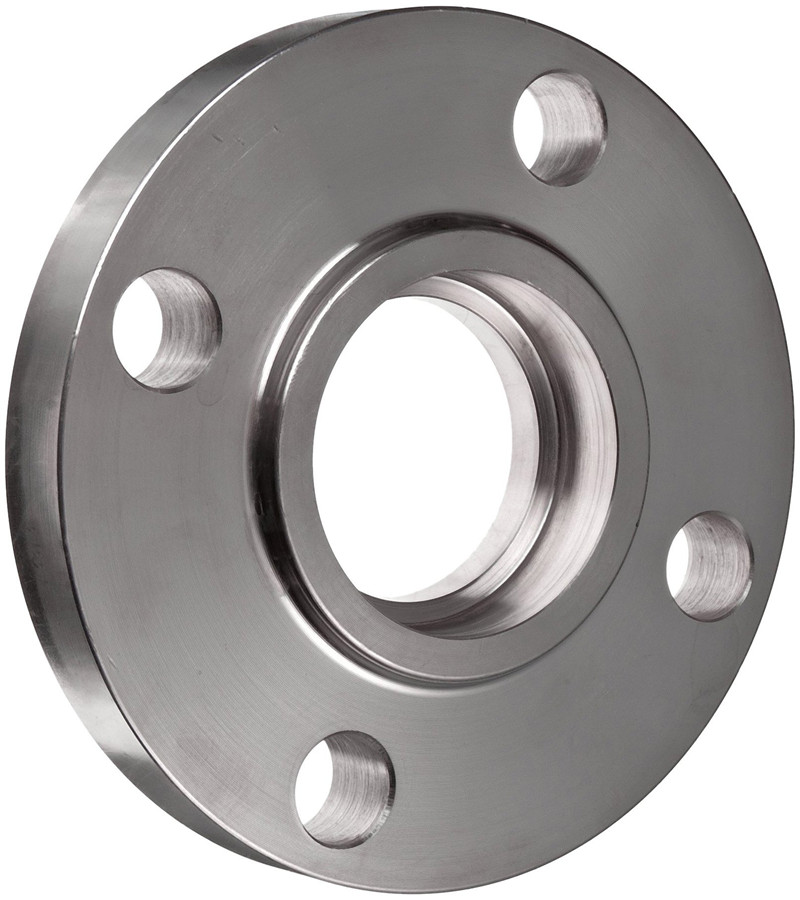
Product reference: OEM Custom Service Aluminium CNC Milling Parts — basic info: Application: Auto and Motorcycle Accessory; Standard: ASME; Surface: Polishing; Production Type: Mass Production; Machining: CNC Milling; Material: Aluminum.