Telefono:
+86 18631189888

E-mail:
liyanhui@bestcastings.cn

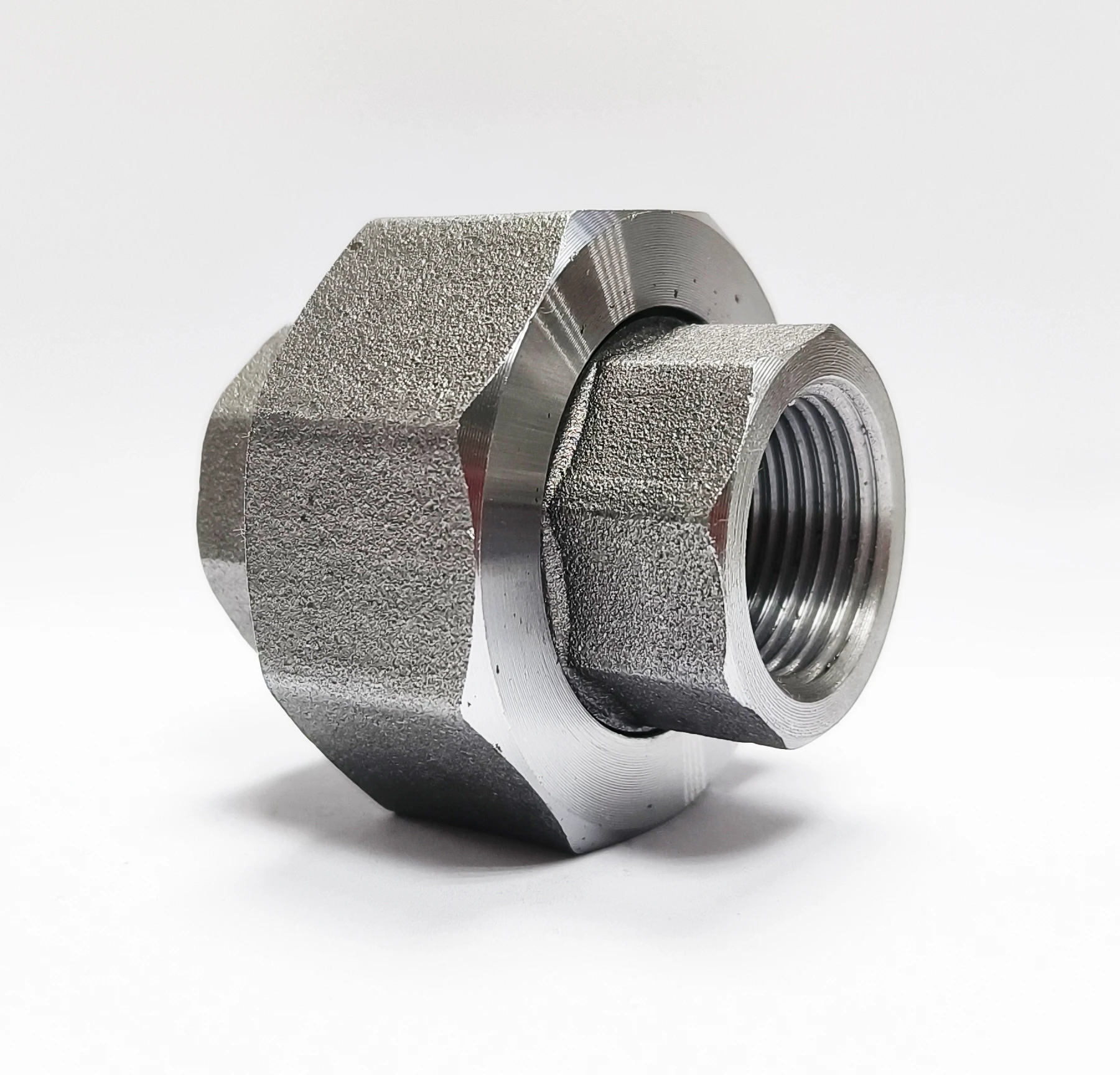
I remember first seeing a industrial skid with a neat little stainless bend and thinking, "what a simple piece — yet it keeps everything flowing." The humble [stainless steel 90 elbow,] is exactly that: deceptively simple but pivotal in piping systems across food, pharma, petrochemical and water industries.
To be honest, demand has shifted — corrosion resistance and traceability are king. Higher nickel alloys and electropolish finishes are trending for hygienic lines, while 316L remains the workhorse. Surprisingly, additive-manufactured internal geometries are being tested to reduce pressure drop in tight elbows.
|
Spec |
Typical value |
|
Materiale |
304 / 316L / 316Ti (≈ 316L common) |
|
Angle |
90° |
|
Manufacture |
Mandrel bend / Hot-form / Forged / Cast |
|
Fine |
Mill / Pickled & Passivated / Electropolished |
|
Standard tests |
Hydrostatic / PMI / UT / Dye-penetrant (real-world use may vary) |
Start with certified coils or billets (traceable heat numbers), form by bending or forge/cast, then machine ends to spec. Critical steps: stress-relief anneal, cold finishing (if needed), NDT (UT or dye-penetrant), pickling and passivation per AMS 2700 / ASTM A967, and final dimensional QC. Service life: often 10–30 years depending on media, temperature and maintenance — I’ve seen replacements after a decade in harsh seawater, and 30+ years in municipal water.
|
Vendor |
Materials |
Processes |
Certs / Lead time |
|
Mingda Metals |
Carbon steel (45C), stainless alloys |
Lost-wax casting, CNC, finish |
ISO9001, material traceability / ≈2–6 weeks |
|
Large fabricator X |
316L, Duplex |
Forge & machine |
ASME / ISO / ≈3–8 weeks |
Many customers say customization — ID tapering, long-radius vs short-radius, integrated flanges — makes or breaks the fit. Certifications to request: material mill test certs (EN 10204 3.1), PMI for alloy verification, ISO 9001 quality records, and standards compliance like ASME B16.9 for factory-made wrought fittings or customer-specific specs.
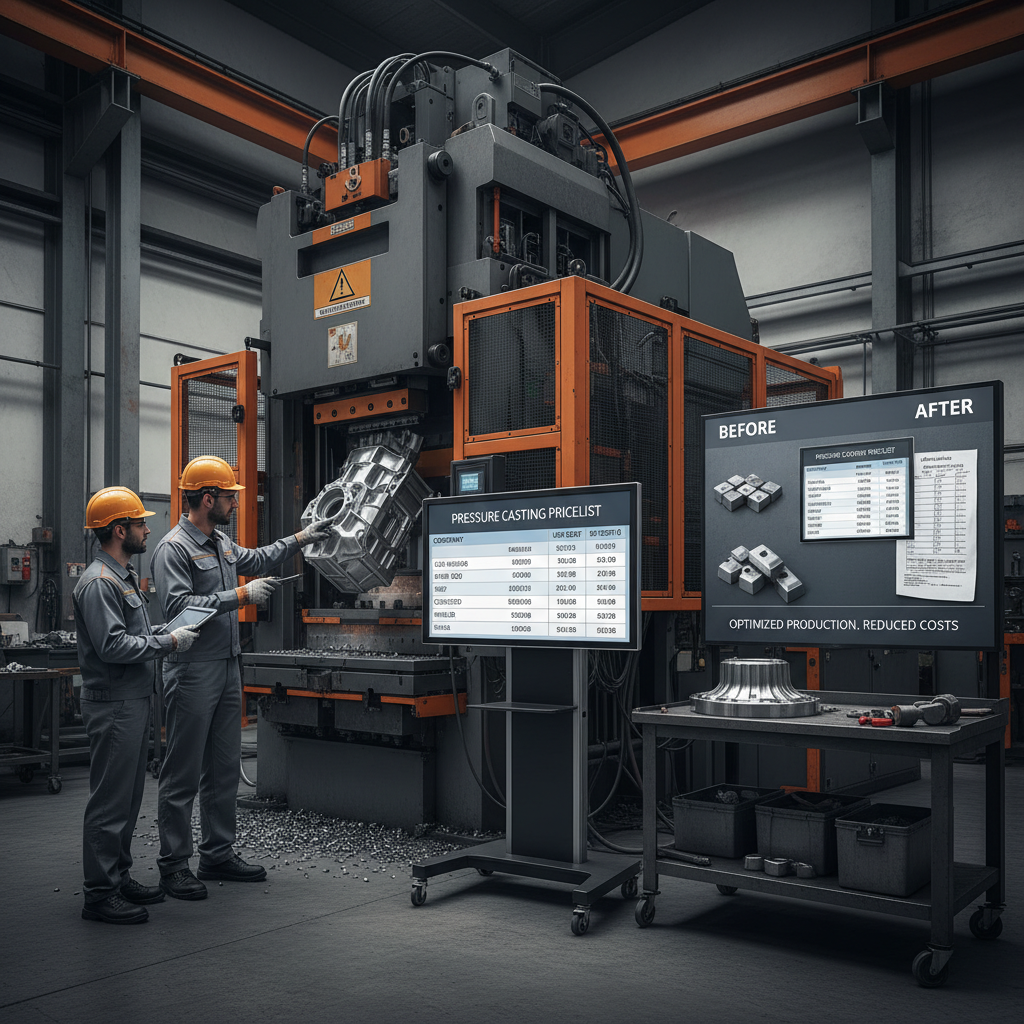
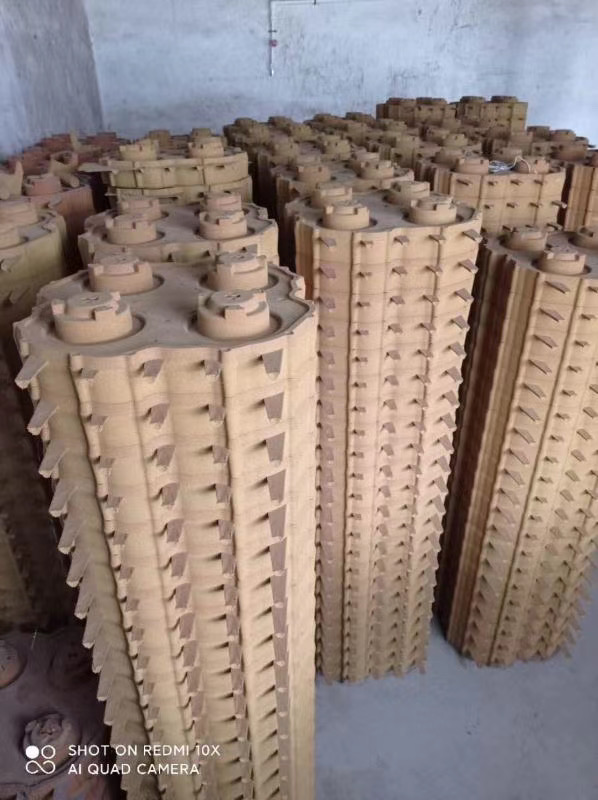
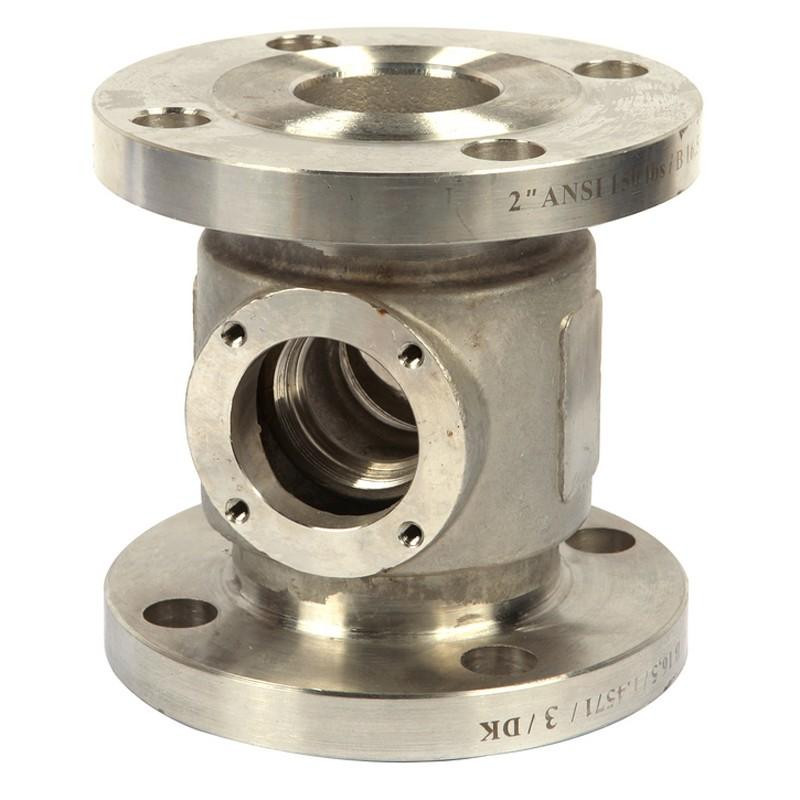
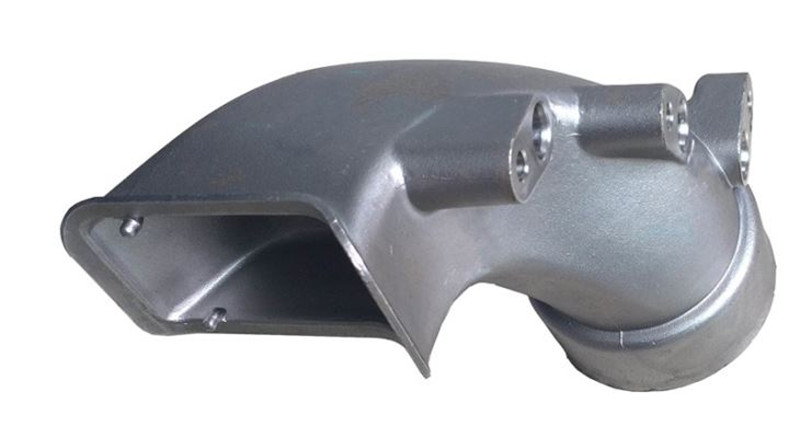
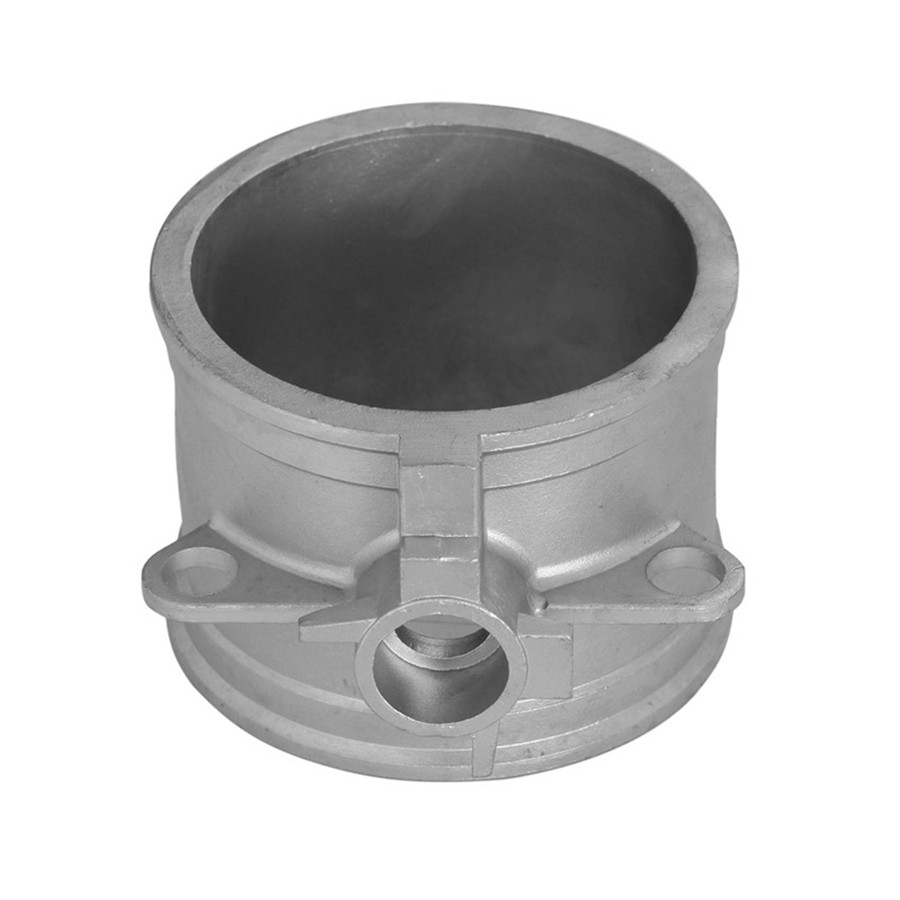
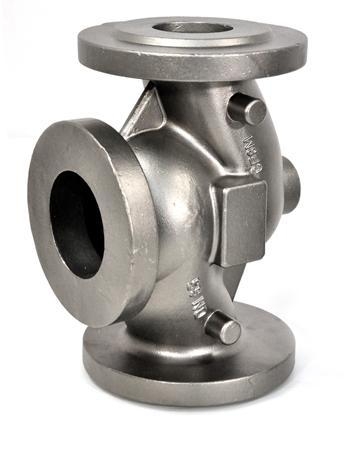
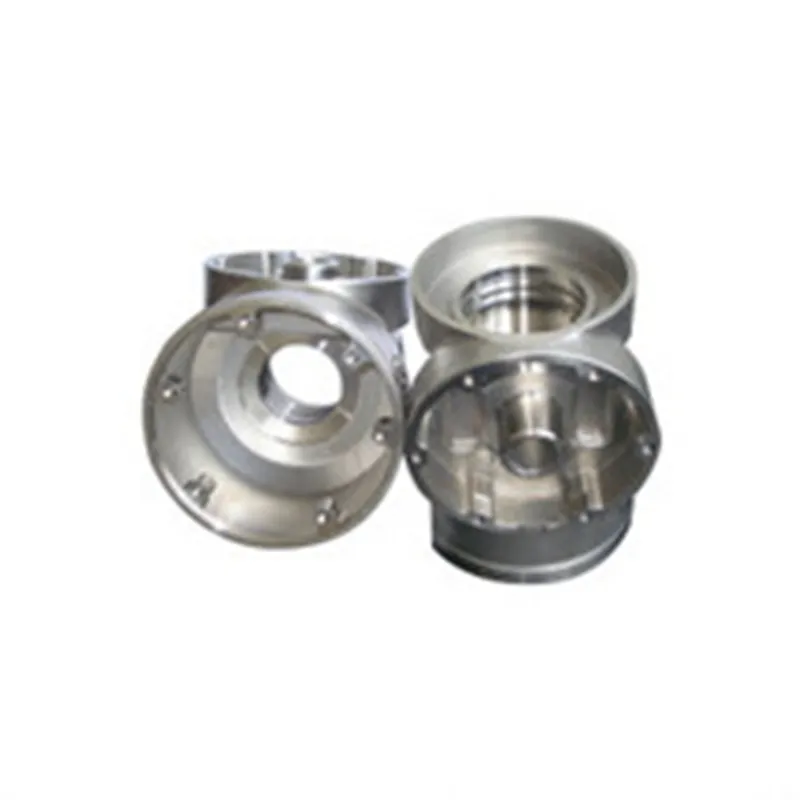
A pump OEM needed corrosion-resistant front-end parts for a submersible pump; they used OEM Custom Steel Precision Casting Parts (carbon 45C, lost-wax casting, sand blasting, anti-rust oil) for non-corrosive stages and switched to 316L elbows for seawater-exposed stages — performance improved, and maintenance intervals extended. In short, matching material to service saves money.
If you're sourcing a stainless steel 90 elbow, consider finish, traceability, and the test matrix up front — it pays off in reliability. For cast pump components and OEM-grade precision parts, see Mingda's product line (OEM Custom Steel Precision Casting Parts) for reference.