Phone:
+86 18631189888

Email:
liyanhui@bestcastings.cn


For industries requiring high precision and corrosion resistance, selecting a reliable china metal stamping for stainless steel supplier is a critical decision. Stainless steel stamping combines the strength of high-grade alloys with the efficiency of mass production, making it indispensable for automotive, medical, and aerospace applications. Whether you are looking for complex geometries or high-volume components, partnering with a manufacturer that understands the nuances of stainless steel metallurgy ensures both quality and cost-effectiveness. In this guide, we will explore the technical advantages and key considerations when sourcing these essential components from China.
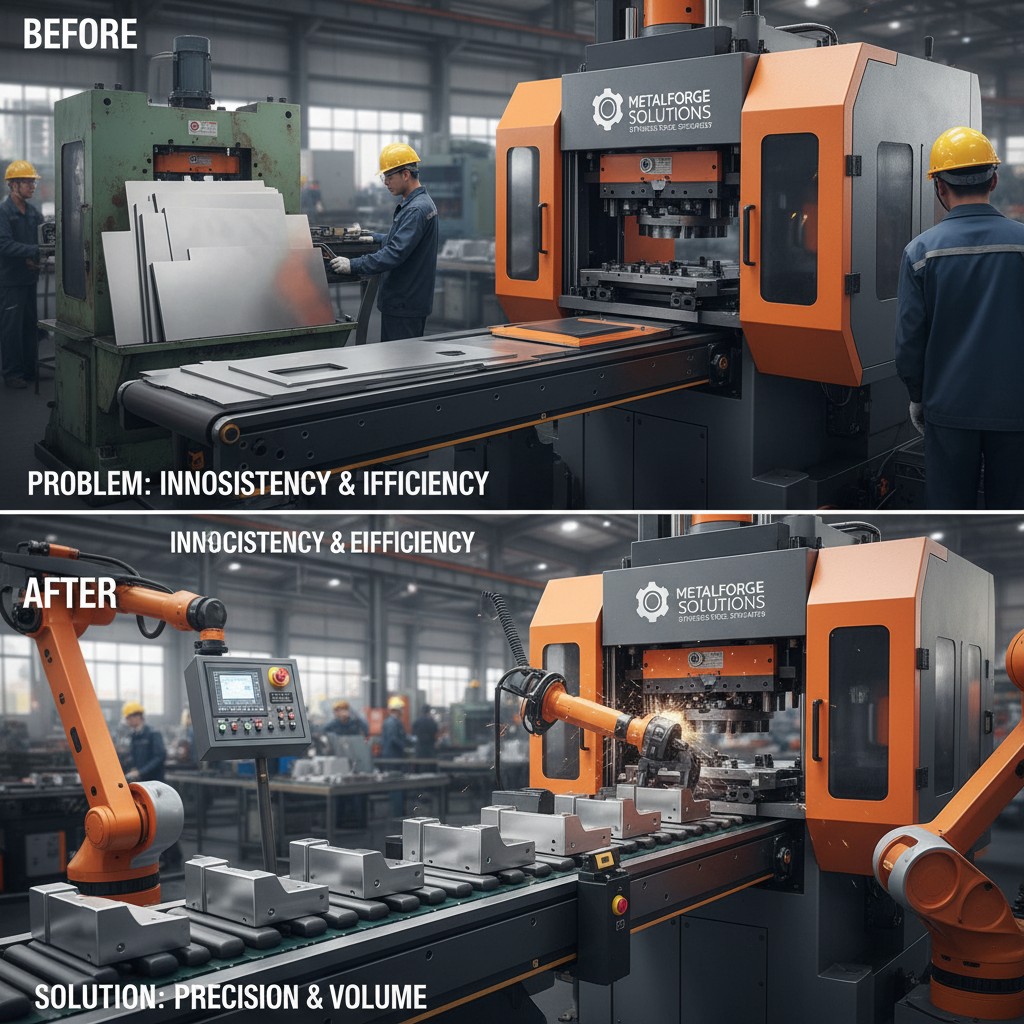
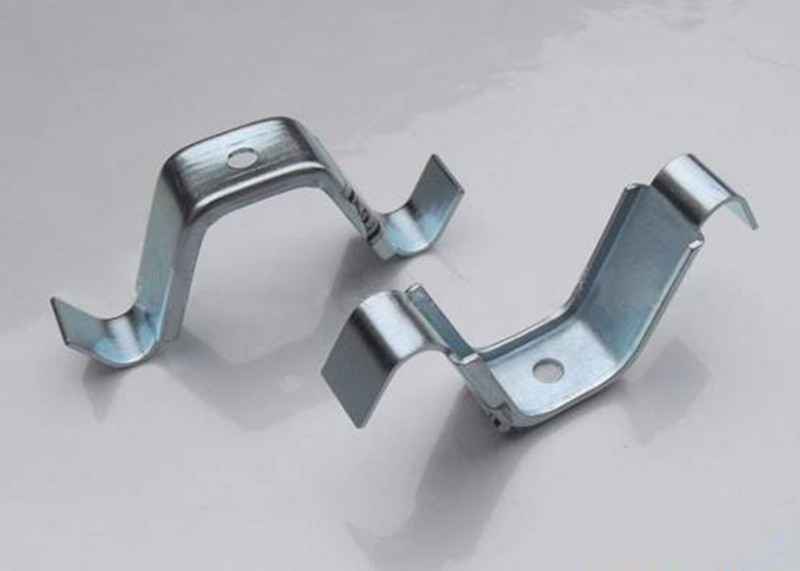
Stainless steel is prized for its exceptional durability and resistance to oxidation. When processed through professional stamping, these materials can be formed into intricate shapes with extreme precision. Unlike machining, which removes material, stamping is a forming process that maintains the structural integrity of the metal while reducing waste. Working with an experienced china metal stamping for stainless steel supplier allows businesses to leverage advanced tool-and-die technology to achieve tight tolerances. This process is ideal for creating brackets, shields, and decorative panels that must withstand harsh environments without compromising their aesthetic appeal.
Pro Tip: Always specify the grade of stainless steel (e.g., 304 or 316) during the quoting phase, as different grades have varying work-hardening properties that affect tool wear and production speed.
A top-tier supplier does more than just press metal; they provide a comprehensive engineering ecosystem. From progressive die stamping for high-speed production to deep drawing for cup-shaped components, the technical versatility of a modern Chinese facility is immense. The integration of CNC machinery and automated quality control ensures that every part meets ISO standards. When you collaborate with a professional china metal stamping for stainless steel supplier, you gain access to optimized material utilization, which significantly lowers the unit cost of complex parts.
Not all stainless steel is created equal. Depending on the end-use of your product, your china metal stamping for stainless steel supplier will recommend different alloys. Grade 304 is the most common "18/8" stainless steel, offering great formability and cost-efficiency. However, for marine or chemical environments, Grade 316 is preferred due to the addition of molybdenum, which enhances pitting resistance. Understanding these differences is key to ensuring the longevity of your components.
When sourcing from a china metal stamping for stainless steel supplier, quality assurance is the most critical metric. Leading suppliers employ Coordinate Measuring Machines (CMM) and optical comparators to ensure every dimension aligns perfectly with the technical drawings. Surface finish is another key factor; whether you require a brushed, polished, or matte finish, the stamping process must be controlled to avoid scratches or galling. Rigorous salt spray testing is often implemented for parts destined for corrosive environments to verify the integrity of the stainless steel alloy.
To help you determine if a partner is the right fit, it is essential to review their production specifications. A versatile china metal stamping for stainless steel supplier can handle various thicknesses and tolerances. Below is a typical specification table representing the capabilities of high-end stamping facilities specializing in stainless steel.
Partnering with a professional china metal stamping for stainless steel supplier is more than just a procurement choice; it is a strategic move to ensure product reliability and cost-efficiency. By combining high-grade stainless steel alloys with precision stamping techniques, companies can achieve a perfect balance of strength, aesthetics, and affordability. Whether your project requires low-volume prototyping or million-piece production runs, focusing on technical capability and quality certification will lead to long-term success.
China has developed one of the world's most robust manufacturing ecosystems, specifically for metalworking. A china metal stamping for stainless steel supplier typically offers a combination of advanced machinery, lower labor costs for tool maintenance, and rapid prototyping capabilities. This allows international clients to reduce their time-to-market while maintaining strict adherence to global quality standards like ISO 9001. Furthermore, the proximity to raw material sources helps in reducing lead times and material costs.
Progressive die stamping is a process where the metal strip moves through several stations in a single die, with each station performing a different operation until the part is complete. This is ideal for high-volume production due to its incredible speed and consistency. Stage stamping, or transfer stamping, involves moving the part from one separate press to another. While stage stamping is better for larger or more complex parts that require significant deformation, progressive stamping is the gold standard for efficiency in small to medium-sized stainless steel components.
Verification starts with requesting a Material Test Report (MTR) to ensure the alloy grade is correct. Dimensionally, you should request a First Article Inspection (FAI) report where the supplier measures critical dimensions using CMM tools. For corrosion resistance, salt spray testing is the industry standard. Additionally, visual inspection for "burrs" (sharp edges) is essential, as high-quality stamping should result in clean cuts. Always ensure your china metal stamping for stainless steel supplier provides a comprehensive QC report with every batch shipment.
Absolutely. Most professional suppliers offer secondary processes to enhance the part's function or appearance. Common finishes include electropolishing for maximum corrosion resistance and a mirror-like finish, powder coating for color and added protection, and bead blasting for a uniform matte texture. Some clients also require deburring or heat treatment to increase the hardness of the stamped part. When discussing your project with a supplier, specify the finish early to ensure the stamping dies are designed to accommodate these final steps.